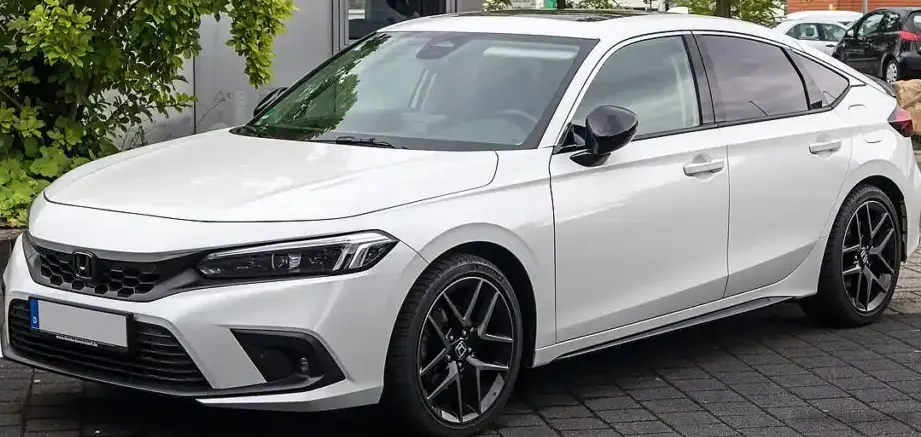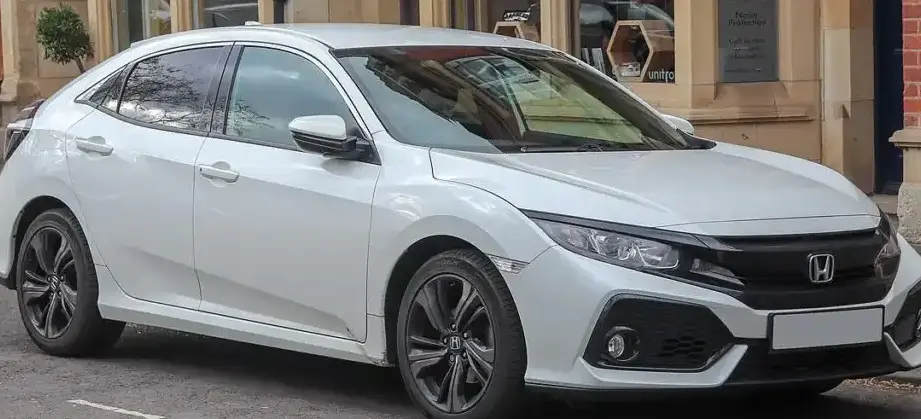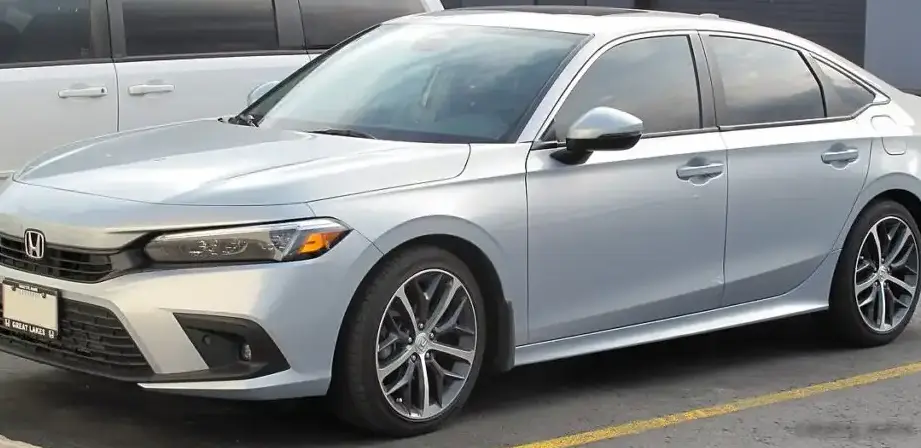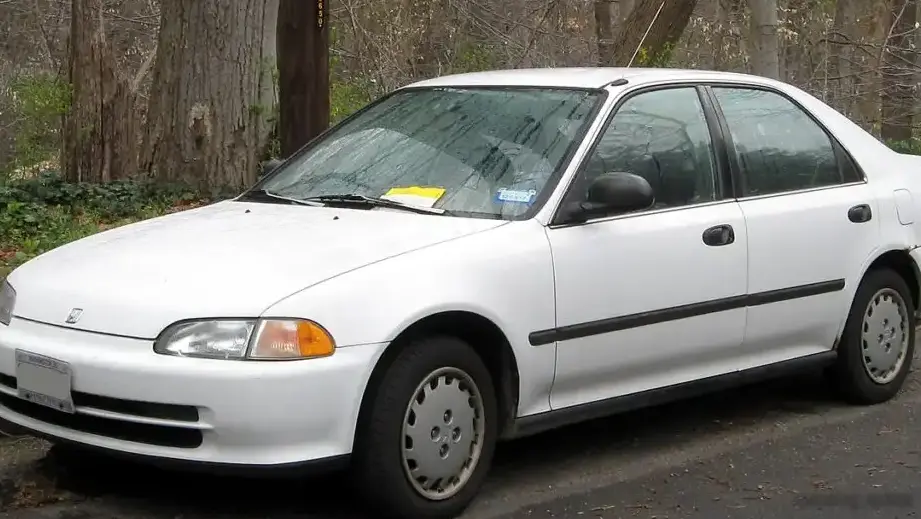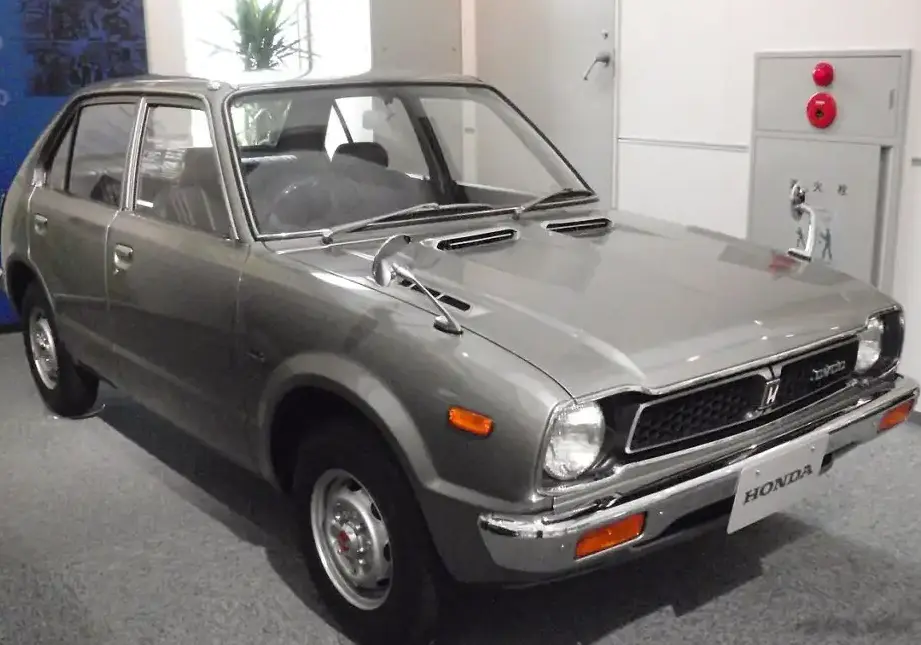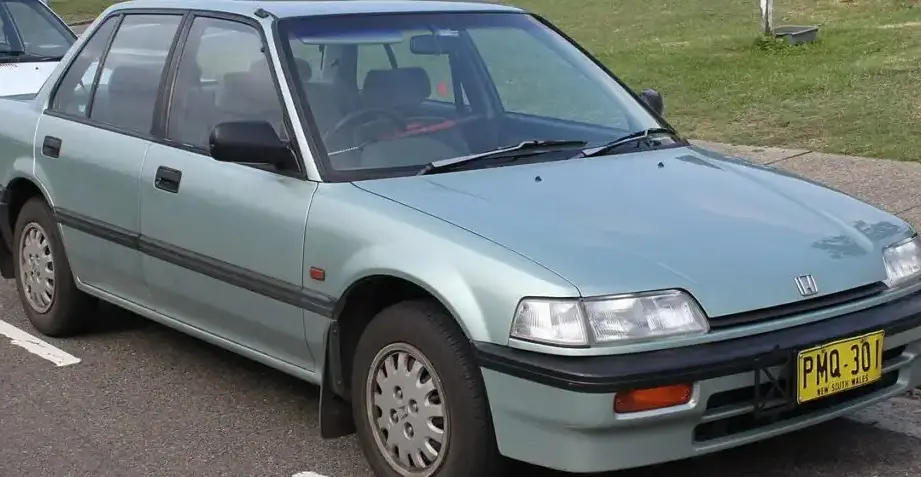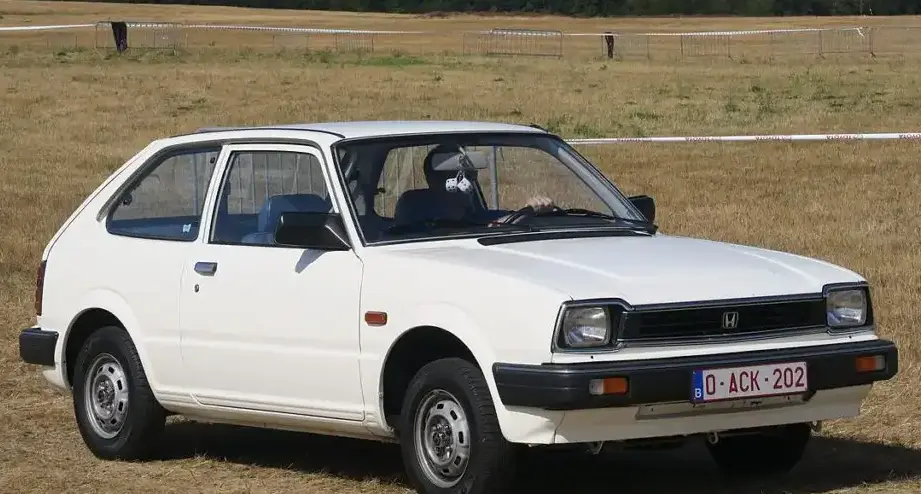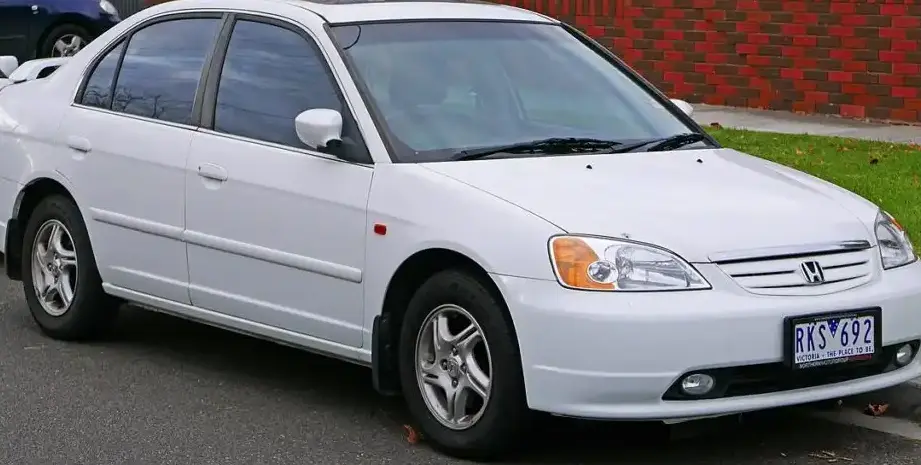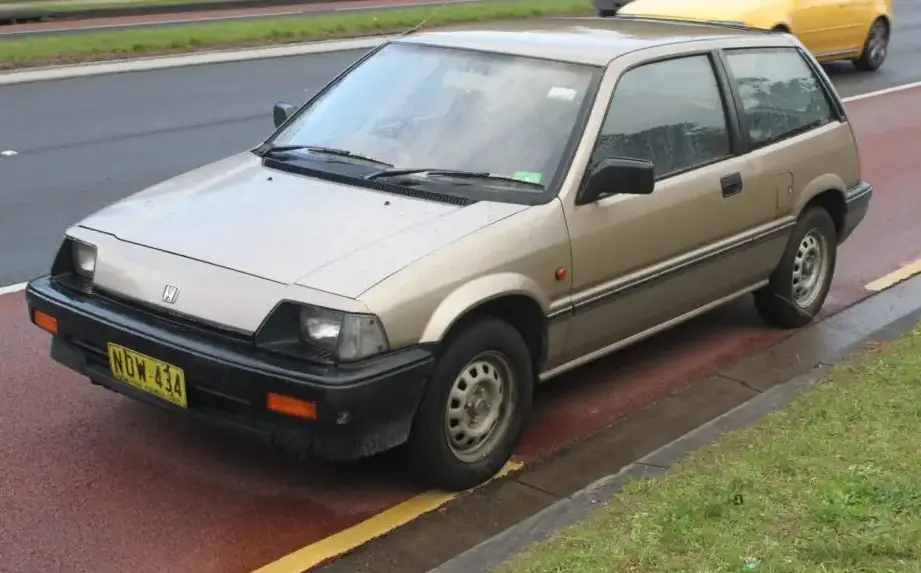
The Honda Civic III Hatchback 1.5 GTI (90 hp) was a trim level produced between 1985 and 1987, representing a performance-oriented variant within the third generation of the Civic. This generation, known internally as the “Wonder Civic,” built upon the success of its predecessors, offering improved refinement, space, and technology. The 1.5 GTI occupied a middle ground in the Civic hatchback lineup, positioned above the base models but below the more potent Si variants. It aimed to provide a balance of fuel efficiency, practicality, and spirited driving, appealing to buyers seeking a sporty yet economical compact car. The Civic III was a pivotal model for Honda, solidifying its reputation for reliability and innovation in the North American market.
Technical Specifications
| Brand | Honda |
| Model | Civic |
| Generation | Civic III Hatchback |
| Type (Engine) | 1.5 GTI (90 Hp) |
| Start of production | 1985 |
| End of production | 1987 |
| Powertrain Architecture | Internal Combustion Engine |
| Body type | Hatchback |
| Fuel Type | Petrol (Gasoline) |
| Power | 90 Hp |
| Engine Aspiration | Naturally Aspirated |
Powertrain & Engine Architecture
The heart of the 1.5 GTI was the A15A engine, a 1.5-liter inline-four cylinder gasoline engine. This engine featured single-point fuel injection, a relatively simple system for the time, but one that contributed to improved fuel efficiency and reduced emissions compared to carbureted engines. The A15A produced 90 horsepower at 6,000 rpm and 88 lb-ft of torque at 4,500 rpm. The engine utilized a single overhead camshaft (SOHC) valvetrain with eight valves. The cylinder head design prioritized low-end torque, making it suitable for everyday driving. The 1.5 GTI was typically paired with a four-speed automatic transmission, although a five-speed manual transmission was also available. The automatic transmission was a conventional hydraulic unit, offering smooth but not particularly quick shifts. The transmission’s gear ratios were tuned for fuel economy and comfortable cruising, rather than outright acceleration. The engine block was constructed from cast iron, while the cylinder head was made of aluminum, contributing to a reasonable weight balance.
Driving Characteristics
The 1.5 GTI automatic offered a comfortable and predictable driving experience. Acceleration was adequate for merging onto highways and navigating city streets, but it wasn’t particularly brisk. The automatic transmission, while smooth, did sap some of the engine’s power, resulting in slower acceleration times compared to the five-speed manual version. The gear ratios were spaced to prioritize fuel efficiency, meaning the engine often operated at lower rpm ranges during normal driving. This contributed to a quiet cabin and reduced fuel consumption. Handling was typical for a front-wheel-drive compact car of the era – safe and predictable, but not particularly sporty. The suspension consisted of independent front suspension with MacPherson struts and a torsion beam rear suspension. The steering was light and easy to use, making it well-suited for urban environments. Compared to the Civic Si, the 1.5 GTI lacked the sharper handling and more powerful engine of its higher-performance sibling. However, it offered a more relaxed and refined driving experience.
Equipment & Trim Levels
The 1.5 GTI trim level included several features that distinguished it from the base Civic hatchbacks. Standard equipment typically included upgraded cloth upholstery, a more comprehensive instrument cluster with a tachometer, and a sport steering wheel. Power steering was often included, though not always standard. The interior featured a functional and straightforward design, prioritizing practicality over luxury. Optional extras included a factory AM/FM stereo, upgraded speakers, and air conditioning. The exterior of the 1.5 GTI was often differentiated by subtle styling cues, such as a small rear spoiler and unique wheel covers. The paint options were varied, with popular choices including red, blue, and silver. The overall interior ambiance was basic but durable, reflecting Honda’s focus on build quality and reliability.
Chassis & Braking
The Civic III Hatchback utilized a unibody construction, providing a good balance of strength and weight. The front suspension featured MacPherson struts, coil springs, and an anti-roll bar, while the rear suspension employed a torsion beam setup. This configuration provided a comfortable ride and predictable handling. The braking system consisted of disc brakes on the front wheels and drum brakes on the rear wheels. The brakes were adequate for normal driving conditions, but lacked the stopping power of more advanced systems found on higher-performance vehicles. The steering system was a rack-and-pinion setup, providing precise and responsive steering feel. The chassis was relatively lightweight, contributing to the car’s fuel efficiency and nimble handling. Stabilizer bar thickness was modest, reflecting the car’s focus on comfort and everyday usability rather than aggressive cornering.
Market Reception & Comparison
The Honda Civic III 1.5 GTI was generally well-received by automotive critics. It was praised for its fuel efficiency, reliability, and practicality. However, some reviewers noted that the automatic transmission diminished the engine’s performance potential. Compared to the Civic Si, the 1.5 GTI offered a more affordable and accessible entry point into the Civic lineup. The Si, with its more powerful engine and sport-tuned suspension, appealed to enthusiasts seeking a more engaging driving experience. The 1.5 GTI, on the other hand, targeted buyers who prioritized fuel economy and everyday usability. In terms of fuel economy, the 1.5 GTI automatic typically achieved around 30-35 mpg in combined driving, making it a competitive performer in its class. Reliability was a major strength of the Civic III, and the 1.5 GTI was no exception. The engine and transmission were known for their durability, and maintenance costs were relatively low.
Legacy
The Honda Civic III 1.5 GTI holds a respectable position in the used car market today, particularly among enthusiasts seeking a classic Honda. The A15A engine is known for its longevity and relatively simple maintenance requirements. Parts availability is generally good, although some components may be becoming increasingly difficult to find. The 1.5 GTI is often appreciated for its simplicity, reliability, and nostalgic appeal. While not a high-performance machine by modern standards, it represents a significant milestone in Honda’s history, demonstrating the company’s commitment to building durable, fuel-efficient, and enjoyable-to-drive vehicles. Well-maintained examples of the 1.5 GTI are becoming increasingly collectible, as enthusiasts recognize their historical significance and enduring quality. The car’s enduring popularity is a testament to Honda’s engineering prowess and the Civic’s lasting legacy.