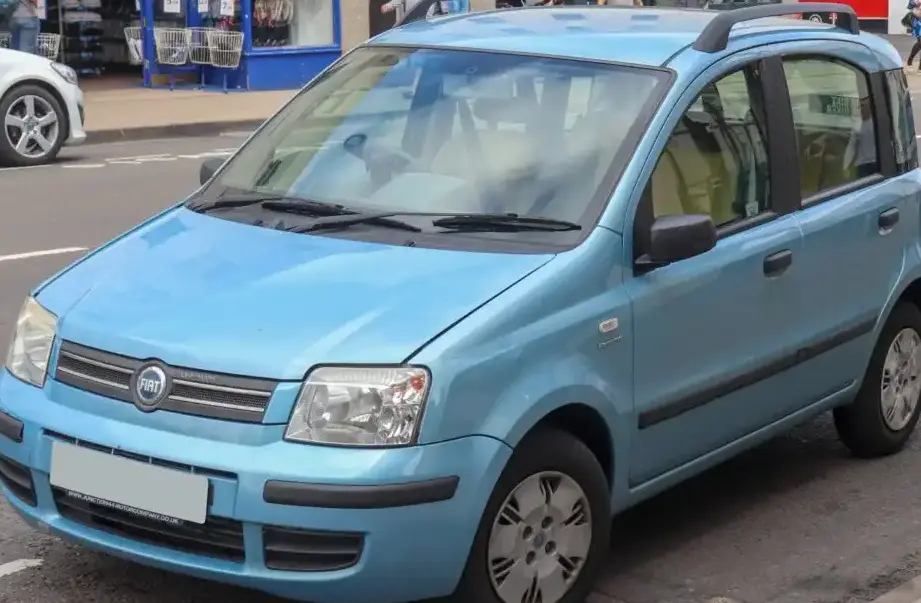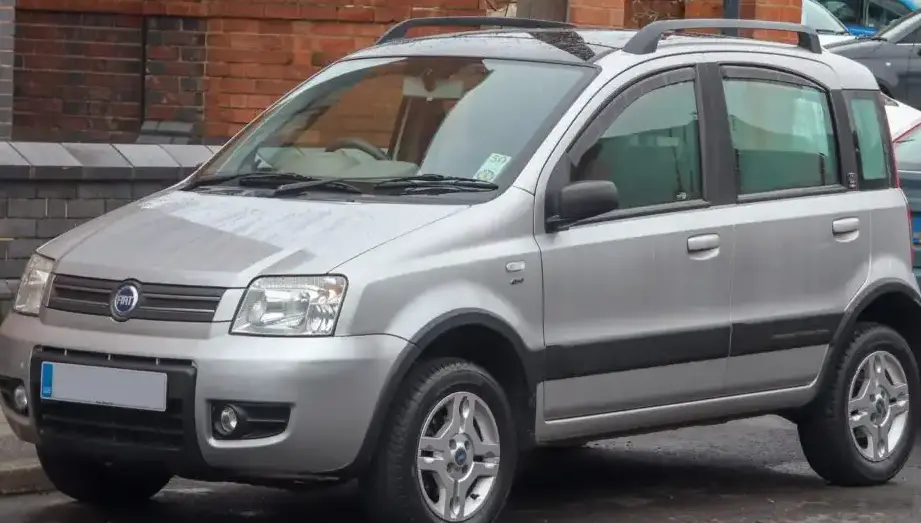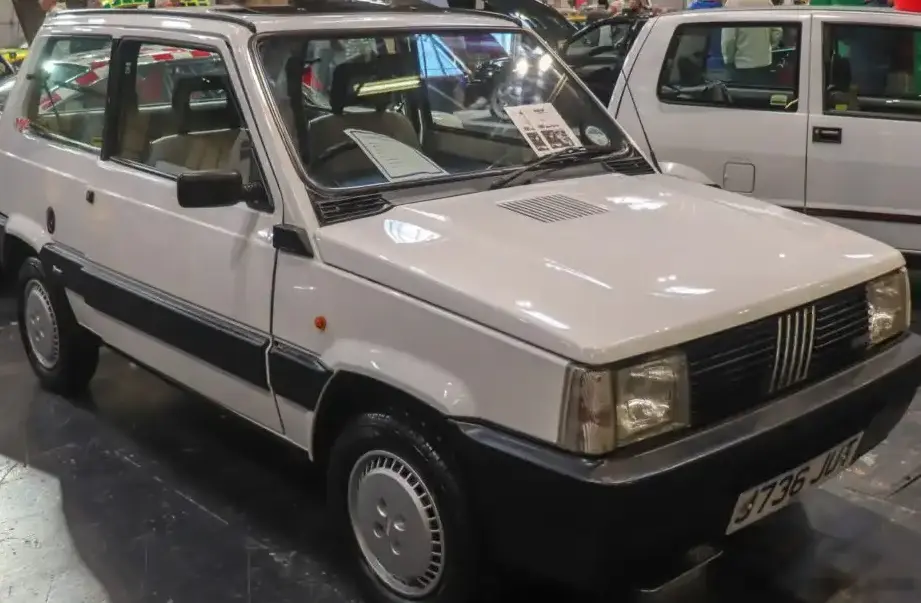
The Fiat Panda 1000 CL/S, produced from May 1986 to December 1989, represents a significant iteration of the iconic Italian city car. Falling within the ZAF 141 series, which received a facelift in 1986, the 1000 CL/S occupied a mid-range position in the Panda lineup. It offered a step up from the base 900 models, providing slightly more performance and a more refined driving experience while remaining an affordable and practical transportation solution for European buyers. The Panda, as a whole, was designed to be a simple, economical, and robust vehicle, and the 1000 CL/S continued this philosophy.
Technical Specifications
| Brand | Fiat |
| Model | Panda |
| Generation | Panda (ZAF 141, facelift 1986) |
| Type (Engine) | 1000 CL/S (45 Hp) |
| Start of production | May, 1986 |
| End of production | December, 1989 |
| Powertrain Architecture | Internal Combustion engine |
| Body type | Hatchback |
| Seats | 5 |
| Doors | 3 |
| Fuel consumption (urban) | 6.3 l/100 km (37.3 US mpg, 44.8 UK mpg, 15.9 km/l) |
| Fuel consumption (extra urban) | 5 l/100 km (47 US mpg, 56.5 UK mpg, 20 km/l) |
| Fuel Type | Petrol (Gasoline) |
| Acceleration 0 – 100 km/h | 16 sec |
| Acceleration 0 – 62 mph | 16 sec |
| Acceleration 0 – 60 mph | 15.2 sec |
| Maximum speed | 140 km/h (86.99 mph) |
| Weight-to-power ratio | 15 kg/Hp, 66.8 Hp/tonne |
| Weight-to-torque ratio | 8.4 kg/Nm, 118.7 Nm/tonne |
| Power | 45 Hp @ 5000 rpm |
| Power per litre | 45 Hp/l |
| Torque | 80 Nm @ 2750 rpm (59 lb.-ft. @ 2750 rpm) |
| Engine layout | Front, Transverse |
| Engine Model/Code | 141 C2.000 |
| Engine displacement | 999 cm3 (60.96 cu. in.) |
| Number of cylinders | 4 |
| Engine configuration | Inline |
| Cylinder Bore | 70 mm (2.76 in.) |
| Piston Stroke | 64.9 mm (2.56 in.) |
| Compression ratio | 9.8:1 |
| Number of valves per cylinder | 2 |
| Fuel injection system | Carburettor |
| Engine aspiration | Naturally aspirated engine |
| Valvetrain | SOHC |
| Engine oil capacity | 3.8 l (4.02 US qt | 3.34 UK qt) |
| Coolant | 5 l (5.28 US qt | 4.4 UK qt) |
| Kerb Weight | 674 kg (1485.92 lbs.) |
| Max. weight | 1150 kg (2535.32 lbs.) |
| Max load | 476 kg (1049.4 lbs.) |
| Trunk (boot) space – minimum | 272 l (9.61 cu. ft.) |
| Trunk (boot) space – maximum | 1088 l (38.42 cu. ft.) |
| Fuel tank capacity | 40 l (10.57 US gal | 8.8 UK gal) |
| Length | 3410 mm (134.25 in.) |
| Width | 1490 mm (58.66 in.) |
| Height | 1420 mm (55.91 in.) |
| Wheelbase | 2159 mm (85 in.) |
| Minimum turning circle | 9.45 m (31 ft.) |
| Drivetrain Architecture | The Internal combustion engine (ICE) drives the front wheels of the vehicle. |
| Drive wheel | Front wheel drive |
| Number of gears and type of gearbox | 4 gears, manual transmission |
| Front suspension | Independent type McPherson |
| Rear suspension | Semi-independent, coil spring |
| Front brakes | Disc |
| Rear brakes | Drum |
| Steering type | Steering rack and pinion |
INTRODUCTION
The Fiat Panda 1000 CL/S, launched in 1986, was a key model in the continued success of the Panda range. The original Panda, introduced in 1980, was a revolutionary design – a simple, affordable, and surprisingly spacious vehicle intended to provide basic transportation for the masses. The 1986 facelift brought subtle styling updates and, crucially, improvements to the engine options. The 1000 CL/S, with its 999cc engine, offered a balance between economy and performance, making it a popular choice for both urban commuters and those needing a practical small car for longer journeys. It was positioned above the base 900cc models, offering more equipment and a slightly more refined experience, but remained below the more powerful (and expensive) 1.3-liter variants.
Powertrain & Engine Architecture
The heart of the Panda 1000 CL/S is the 141 C2.000 engine, a 999cc inline-four cylinder unit. This engine, while modest in displacement, was a robust and reliable design. It featured a single overhead camshaft (SOHC) valvetrain with two valves per cylinder. Fuel delivery was handled by a carburetor, a common feature for vehicles of this era, prioritizing simplicity and cost-effectiveness over the more advanced fuel injection systems. The engine produced 45 horsepower at 5000 rpm and 80 Nm (59 lb-ft) of torque at 2750 rpm. The engine’s transverse mounting and front-wheel drive configuration maximized interior space. The 1000 CL/S was equipped with a four-speed manual transmission, chosen for its simplicity and durability. The gear ratios were optimized for fuel efficiency and acceptable acceleration in urban environments.
Driving Characteristics
The driving experience of the Panda 1000 CL/S was characterized by its light weight and nimble handling. While not a performance car by any means, the 45 horsepower engine provided adequate power for everyday driving. Acceleration to 100 km/h (62 mph) took around 16 seconds, and the top speed was approximately 140 km/h (87 mph). Compared to the base 900cc Panda, the 1000 CL/S offered noticeably improved acceleration and a more relaxed cruising speed. However, it lacked the outright punch of the 1.3-liter models. The four-speed gearbox, while simple, required frequent shifting to maintain optimal engine speed. The steering was light and direct, making it easy to maneuver in tight city streets. The suspension, while basic, provided a reasonably comfortable ride, absorbing bumps and imperfections in the road surface.
Equipment & Trim Levels
The “CL/S” designation indicated a higher trim level than the base Panda models. Standard equipment typically included cloth upholstery, a basic dashboard with essential gauges (speedometer, fuel gauge, temperature gauge), and front and rear seatbelts. The CL/S also featured upgraded interior trim and often included features like a rear window wiper and more comfortable seats. Optional extras could include a sunroof, upgraded stereo, and different wheel covers. The interior was designed with practicality in mind, offering a surprisingly spacious cabin for a car of its size. The rear seats could be folded down to increase luggage capacity, making the Panda a versatile vehicle for carrying both passengers and cargo.
Chassis & Braking
The Panda 1000 CL/S utilized a simple but effective chassis design. The front suspension featured independent McPherson struts, providing a comfortable ride and good handling. The rear suspension was a semi-independent coil spring setup, which helped to minimize body roll and maintain stability. The braking system consisted of disc brakes on the front wheels and drum brakes on the rear wheels. While adequate for the car’s weight and performance, the braking system was not particularly powerful. The steering was a rack and pinion system, providing precise and responsive steering feel.
Market Reception & Comparison
The Fiat Panda 1000 CL/S was generally well-received by automotive critics and buyers alike. It was praised for its affordability, practicality, and fuel efficiency. Compared to the base 900cc models, the 1000 CL/S offered a noticeable improvement in performance, making it a more enjoyable car to drive. However, it was more expensive to purchase and maintain than the 900cc versions. Compared to the 1.3-liter Pandas, the 1000 CL/S offered a more economical option, albeit with less power. Fuel economy was a key selling point, with the Panda 1000 CL/S achieving around 6.3 l/100 km (37.3 US mpg) in urban driving and 5 l/100 km (47 US mpg) on the open road.
Legacy
The Fiat Panda 1000 CL/S, and the Panda range as a whole, left a lasting legacy in the automotive world. The Panda’s simple, robust design and affordability made it a popular choice for millions of buyers across Europe. The 141 C2.000 engine proved to be a reliable and durable unit, and many examples are still on the road today. In the used car market, the Panda 1000 CL/S is appreciated for its simplicity, low running costs, and classic Italian charm. It represents a bygone era of automotive design, where practicality and affordability were prioritized over luxury and performance. Its enduring popularity is a testament to the brilliance of its original design and the enduring appeal of the Fiat Panda nameplate.