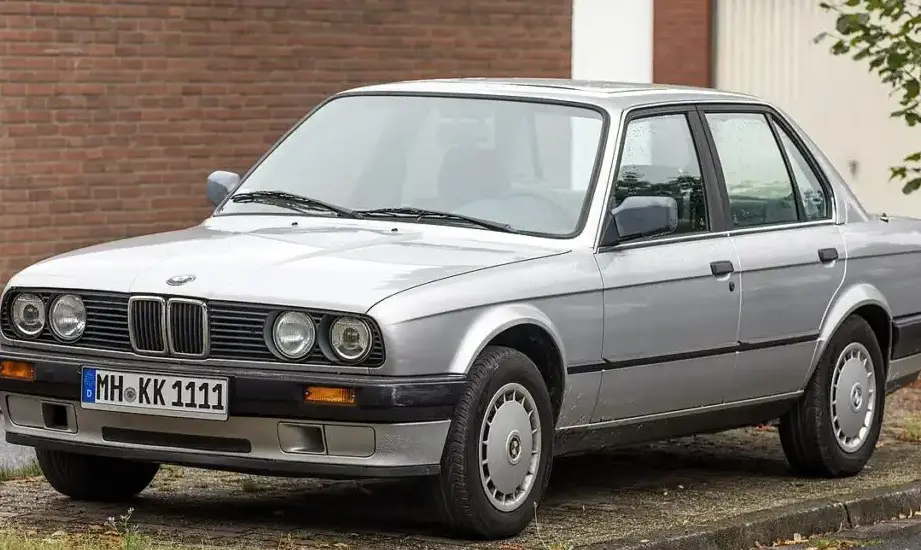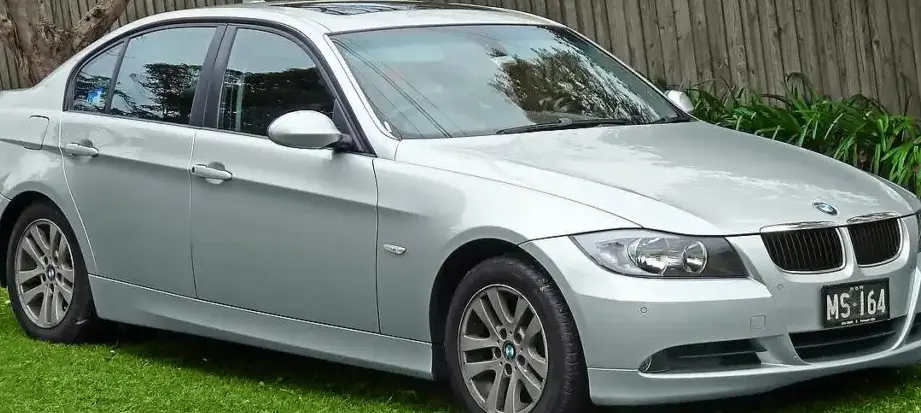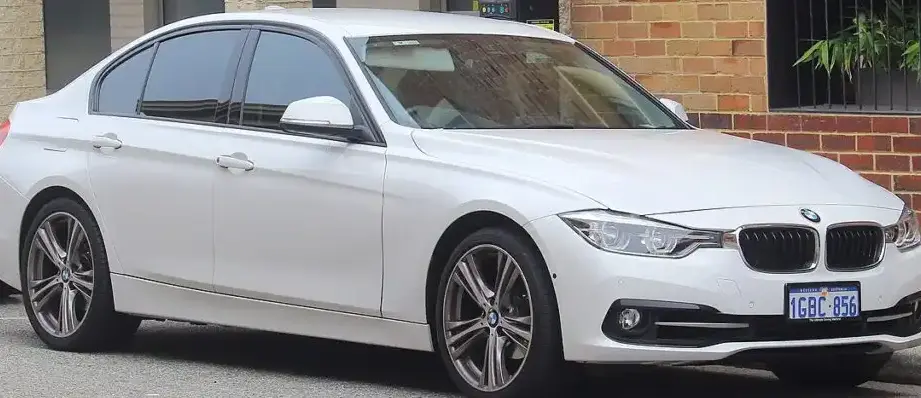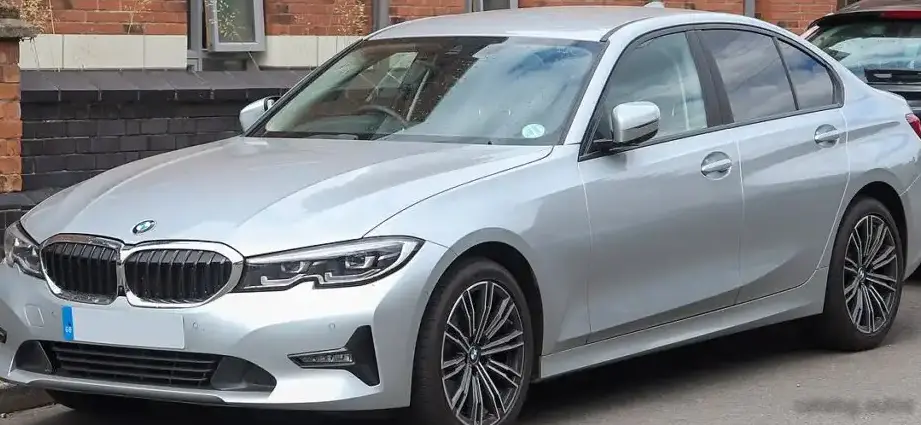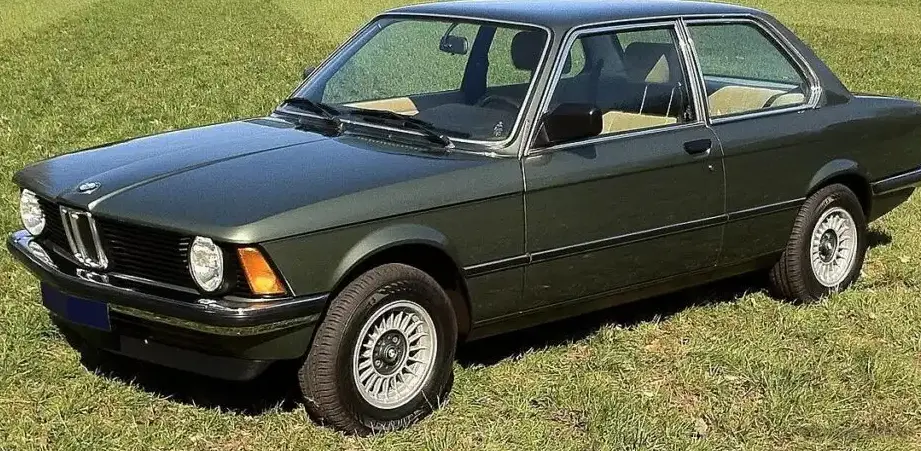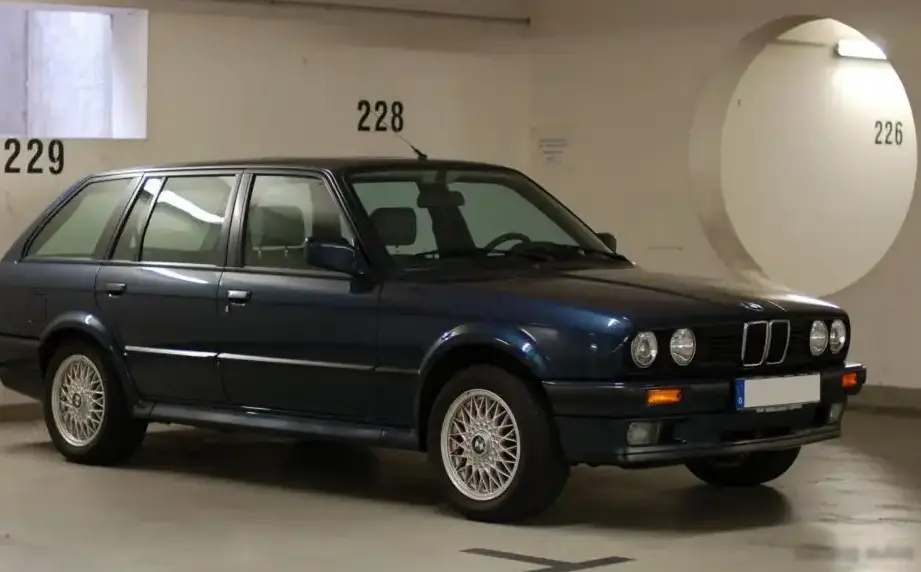
The BMW 3 Series Touring (E30) 316i Automatic, produced from 1987 to 1988, represents a significant expansion of the popular E30 3 Series range. It was the entry-level automatic variant of the first-ever 3 Series wagon, offering practicality and BMW’s renowned driving experience in a family-oriented package. Positioned below the 325i Touring, the 316i Automatic catered to buyers prioritizing fuel efficiency and ease of use over outright performance. This model benefitted from the facelift introduced in 1987, featuring subtle styling updates and improved interior refinement compared to earlier E30s.
Technical Specifications
| Brand | BMW |
| Model | 3 Series |
| Generation | 3 Series Touring (E30, facelift 1987) |
| Type (Engine) | 316i (102 Hp) Automatic |
| Start of production | 1987 |
| End of production | 1988 |
| Powertrain Architecture | Internal Combustion engine |
| Body type | Station wagon (estate) |
| Seats | 5 |
| Doors | 5 |
| Fuel Type | Petrol (Gasoline) |
| Power | 102 Hp @ 5500 rpm |
| Power per litre | 63.9 Hp/l |
| Torque | 150 Nm @ 3900 rpm / 110.63 lb.-ft. @ 3900 rpm |
| Engine layout | Front, Longitudinal |
| Engine Model/Code | M10B18 |
| Engine displacement | 1596 cm3 / 97.39 cu. in. |
| Number of cylinders | 4 |
| Engine configuration | Inline |
| Cylinder Bore | 84 mm / 3.31 in. |
| Piston Stroke | 72 mm / 2.83 in. |
| Compression ratio | 9.7:1 |
| Number of valves per cylinder | 2 |
| Fuel injection system | Multi-port manifold injection |
| Engine aspiration | Naturally aspirated engine |
| Engine oil capacity | 4 l / 4.23 US qt | 3.52 UK qt |
| Coolant | 6 l / 6.34 US qt | 5.28 UK qt |
| Max. weight | 1810 kg / 3990.37 lbs |
| Trunk (boot) space – minimum | 371 l / 13.1 cu. ft |
| Fuel tank capacity | 62 l / 16.38 US gal | 13.64 UK gal |
| Length | 4321 mm / 170.12 in |
| Width | 1641 mm / 64.61 in |
| Height | 1379 mm / 54.29 in |
| Wheelbase | 2570 mm / 101.18 in |
| Front track | 1410 mm / 55.51 in |
| Rear (Back) track | 1420 mm / 55.91 in |
| Ride height (ground clearance) | 140 mm / 5.51 in |
| Drivetrain Architecture | The Internal combustion engine (ICE) drives the rear wheels of the vehicle. |
| Drive wheel | Rear wheel drive |
| Number of gears and type of gearbox | 4 gears, automatic transmission |
| Front brakes | Disc |
| Rear brakes | Disc |
| Tires size | 195/65 R14 |
| Wheel rims size | 14 |
Powertrain & Engine Architecture
The 316i Touring Automatic was powered by the BMW M10B18 engine, a 1.6-liter inline-four cylinder unit. This engine, a descendant of BMW’s long-running M10 family, featured a cast-iron block and an aluminum cylinder head. It utilized Bosch Motronic fuel injection, a significant advancement over earlier carbureted BMW engines, providing improved fuel efficiency and smoother operation. The M10B18 employed a single overhead camshaft (SOHC) design with two valves per cylinder. The automatic transmission was a four-speed unit, specifically the ZF 4HP22, known for its reliability and relatively smooth shifts. This transmission was chosen for its ease of use and suitability for the 316i’s more relaxed driving character.
Driving Characteristics
The 316i Automatic offered a comfortable and predictable driving experience. With 102 horsepower and 150 Nm (110.63 lb-ft) of torque, acceleration was adequate but not particularly brisk. The automatic transmission, while convenient, did diminish performance compared to the five-speed manual version. Gear ratios were optimized for fuel economy and smooth cruising rather than spirited driving. The rear-wheel-drive layout provided balanced handling, typical of BMWs of the era, but the 316i’s softer suspension setup and narrower tires (195/65 R14) resulted in more body roll than its higher-performance siblings. Compared to the 325i Touring, the 316i felt noticeably less powerful, especially when fully loaded with passengers and cargo.
Equipment & Trim Levels
The 316i Touring Automatic typically came equipped with a relatively basic level of standard features. Interior upholstery was usually cloth, with options for leather available at extra cost. Standard equipment included power steering, central locking, and a basic stereo system. Optional extras included a sunroof, air conditioning, upgraded sound systems, and alloy wheels. The dashboard layout was typical of the E30, with a straightforward design and clearly marked gauges. Trim levels were relatively limited, with most customization occurring through the selection of optional equipment.
Chassis & Braking
The E30 Touring chassis featured independent suspension at all four wheels, utilizing MacPherson struts at the front and semi-trailing arms at the rear. The 316i Automatic typically had a slightly softer suspension setup than the 325i, prioritizing ride comfort. Braking was accomplished via disc brakes on all four wheels, providing adequate stopping power for the vehicle’s weight and performance. Anti-lock braking system (ABS) was available as an optional extra. Stabilizer bars were fitted front and rear, contributing to reduced body roll during cornering, though they were typically thinner in diameter than those found on the 325i.
Market Reception & Comparison
The 316i Touring Automatic was generally well-received as a practical and affordable entry point into the BMW 3 Series Touring range. Critics praised its comfortable ride, spacious interior, and fuel efficiency. However, the automatic transmission and relatively low power output were often cited as drawbacks, particularly for drivers seeking a more engaging driving experience. Compared to the 325i Touring, the 316i offered significantly lower running costs but lacked the performance and sporting character of its more powerful sibling. The 316i also competed with other compact wagons from manufacturers like Volvo and Audi, offering a more premium experience but at a higher price point.
Legacy
The BMW E30 3 Series Touring, including the 316i Automatic variant, has become a highly sought-after classic car. The M10B18 engine, while not known for its high performance, is generally considered reliable and relatively easy to maintain. The ZF 4HP22 automatic transmission is also known for its durability. However, like all E30s, rust is a common issue, particularly in areas exposed to harsh weather conditions. Today, well-maintained 316i Touring Automatics command a premium in the used car market, appealing to enthusiasts seeking a classic BMW wagon with a comfortable and practical character. Its role in establishing the 3 Series Touring as a desirable and versatile vehicle remains significant.