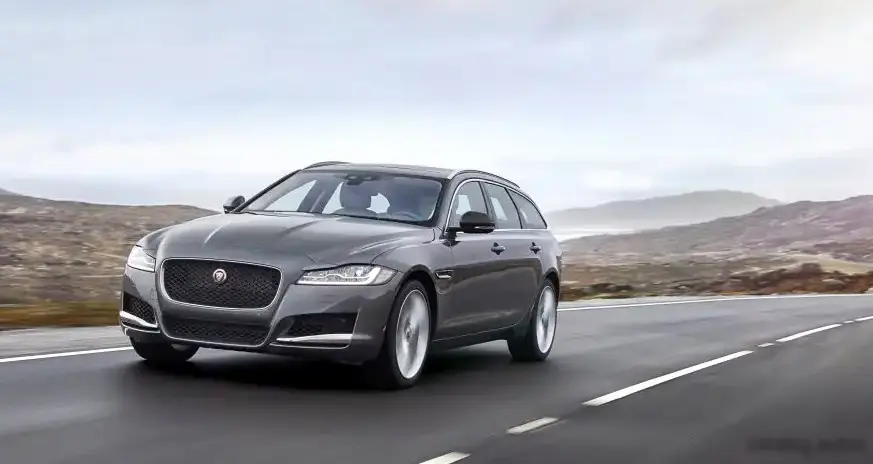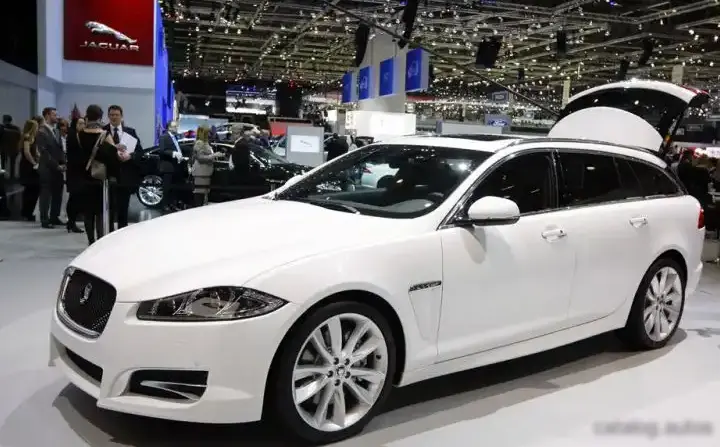
The Jaguar XF Sportbrake (X250) 3.0d, produced from 2012 to 2015, represents Jaguar’s entry into the premium, performance-oriented estate (station wagon) market. Based on the X250 platform – the second generation of the XF – the Sportbrake offered the sleek styling and luxurious interior of the sedan, but with significantly increased cargo capacity. This 3.0d variant, equipped with a 275 horsepower turbocharged diesel engine and an eight-speed automatic transmission, occupied a middle ground in the Sportbrake lineup, offering a balance of performance, fuel efficiency, and refinement. It was positioned above the 2.2d models and below the supercharged petrol variants, appealing to buyers seeking a sophisticated and capable long-distance cruiser.
Technical Specifications
| Brand | Jaguar |
| Model | XF |
| Generation | XF Sportbrake (X250) |
| Type (Engine) | 3.0d (275 Hp) Automatic |
| Start of production | 2012 |
| End of production | 2015 |
| Powertrain Architecture | Internal Combustion engine |
| Body type | Station wagon (estate) |
| Seats | 5 |
| Doors | 5 |
| Fuel consumption (combined) | 6.1 l/100 km (38.6 US mpg, 46.3 UK mpg, 16.4 km/l) |
| CO2 emissions | 163 g/km |
| Fuel Type | Diesel |
| Acceleration 0 – 100 km/h | 6.6 sec |
| Acceleration 0 – 62 mph | 6.6 sec |
| Acceleration 0 – 60 mph | 6.3 sec |
| Maximum speed | 250 km/h (155.34 mph) |
| Power | 275 Hp @ 4000 rpm |
| Power per litre | 91.9 Hp/l |
| Torque | 600 Nm @ 2000 rpm (442.54 lb.-ft. @ 2000 rpm) |
| Engine layout | Front, Longitudinal |
| Engine Model/Code | 306DT |
| Engine displacement | 2993 cm3 (182.64 cu. in.) |
| Number of cylinders | 6 |
| Engine configuration | V-engine |
| Cylinder Bore | 84 mm (3.31 in.) |
| Piston Stroke | 90 mm (3.54 in.) |
| Fuel injection system | Diesel Commonrail |
| Engine aspiration | Turbocharger, Intercooler |
| Engine oil capacity | 6.6 l (6.97 US qt | 5.81 UK qt) |
| Coolant | 12.53 l (13.24 US qt | 11.02 UK qt) |
| Trunk (boot) space – minimum | 550 l (19.42 cu. ft.) |
| Trunk (boot) space – maximum | 1675 l (59.15 cu. ft.) |
| Fuel tank capacity | 70.1 l (18.52 US gal | 15.42 UK gal) |
| Length | 4966 mm (195.51 in.) |
| Width | 1877 mm (73.9 in.) |
| Wheelbase | 2909 mm (114.53 in.) |
| Front track | 1559 mm (61.38 in.) |
| Rear (Back) track | 1605 mm (63.19 in.) |
| Drivetrain Architecture | Rear wheel drive |
| Number of gears and type of gearbox | 8 gears, automatic transmission |
| Front brakes | Ventilated discs |
| Rear brakes | Ventilated discs |
| Assisting systems | ABS (Anti-lock braking system) |
| Steering type | Steering rack and pinion |
Powertrain & Engine Architecture
The heart of the XF Sportbrake 3.0d is Jaguar’s 306DT engine, a 3.0-liter V6 diesel. This engine utilizes a common-rail direct injection system, delivering fuel at extremely high pressure for optimized combustion. A variable geometry turbocharger, coupled with an intercooler, provides a broad torque curve and minimizes turbo lag. The engine produces 275 horsepower at 4000 rpm and a substantial 600 Nm (442.54 lb-ft) of torque from as low as 2000 rpm. This torque output is a key characteristic of the engine, providing strong acceleration in everyday driving situations. The engine is longitudinally mounted in the front of the vehicle, driving the rear wheels. The eight-speed automatic transmission, sourced from ZF, is a crucial component of the powertrain. It features a wide gear ratio spread, contributing to both fuel efficiency and responsive performance. The transmission offers a manual shift mode for greater driver control, although it’s primarily designed for seamless automatic operation.
Driving Characteristics
The 3.0d Sportbrake delivers a refined and effortless driving experience. The abundant torque allows for brisk acceleration, with the 0-60 mph sprint achievable in around 6.3 seconds. The eight-speed transmission shifts smoothly and intelligently, keeping the engine in its optimal power band. Compared to the 2.2d models, the 3.0d offers a noticeable performance advantage, particularly during overtaking maneuvers and when carrying a full load. While not as overtly sporty as the supercharged petrol versions, the 3.0d provides ample power for spirited driving. The rear-wheel-drive configuration contributes to a balanced chassis and engaging handling. The suspension, tuned for comfort, effectively absorbs road imperfections, making it a capable long-distance vehicle. The gear ratios are optimized for both acceleration and highway cruising, allowing for relaxed and efficient travel.
Equipment & Trim Levels
The XF Sportbrake 3.0d typically came well-equipped as standard. Interior features included leather upholstery, power-adjustable front seats, a touchscreen infotainment system, and dual-zone climate control. Common options included a panoramic sunroof, heated and ventilated front seats, a premium sound system (often Meridian), and advanced driver-assistance systems such as adaptive cruise control and blind-spot monitoring. Trim levels varied slightly depending on the market, but generally offered increasing levels of luxury and technology. The Portfolio trim, for example, added more luxurious interior materials and additional features compared to the base model. Exterior options included a range of wheel designs and metallic paint finishes.
Chassis & Braking
The XF Sportbrake utilizes a sophisticated chassis design, featuring independent suspension all around. The front suspension employs double wishbones, while the rear utilizes a multi-link setup. This configuration provides a good balance of ride comfort and handling precision. The 3.0d variant typically featured ventilated disc brakes on all four wheels, providing ample stopping power. Anti-lock Braking System (ABS) and Electronic Stability Control (ESC) were standard safety features. Stabilizer bars were fitted front and rear to reduce body roll during cornering. The suspension tuning was generally softer than the higher-performance models, prioritizing comfort over outright track performance.
Market Reception & Comparison
The Jaguar XF Sportbrake 3.0d was generally well-received by automotive critics. It was praised for its stylish design, luxurious interior, and refined driving experience. The diesel engine was lauded for its strong torque output and fuel efficiency. Compared to its rivals, such as the BMW 5 Series Touring and the Audi A6 Avant, the XF Sportbrake offered a unique blend of British luxury and performance. The 3.0d variant provided a compelling alternative to the petrol-powered models, offering similar performance with improved fuel economy. However, some critics noted that the infotainment system could be complex to use and that the rear seat space was not as generous as some competitors.
Legacy
The Jaguar XF Sportbrake 3.0d has proven to be a relatively reliable vehicle in the used car market. The 306DT engine is known for its durability, provided it has been properly maintained. Regular servicing, including oil changes and filter replacements, is crucial for long-term reliability. The ZF eight-speed automatic transmission is also generally robust. Common issues reported by owners include occasional problems with the infotainment system and the air suspension (if equipped). Today, the XF Sportbrake 3.0d represents a good value proposition for buyers seeking a stylish, comfortable, and capable estate car with a refined diesel powertrain. Its blend of performance, luxury, and practicality continues to appeal to a wide range of drivers.