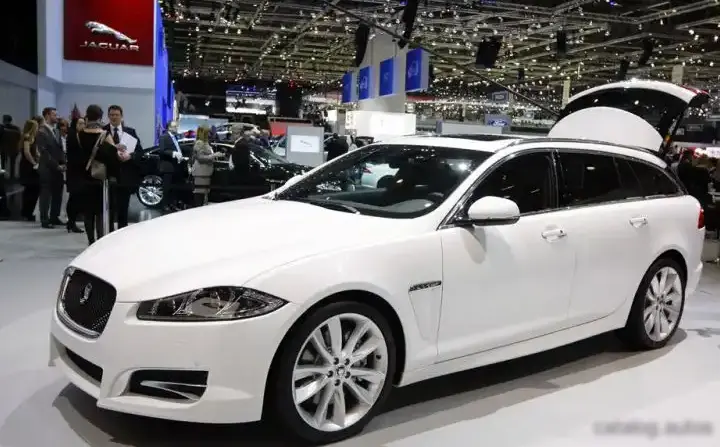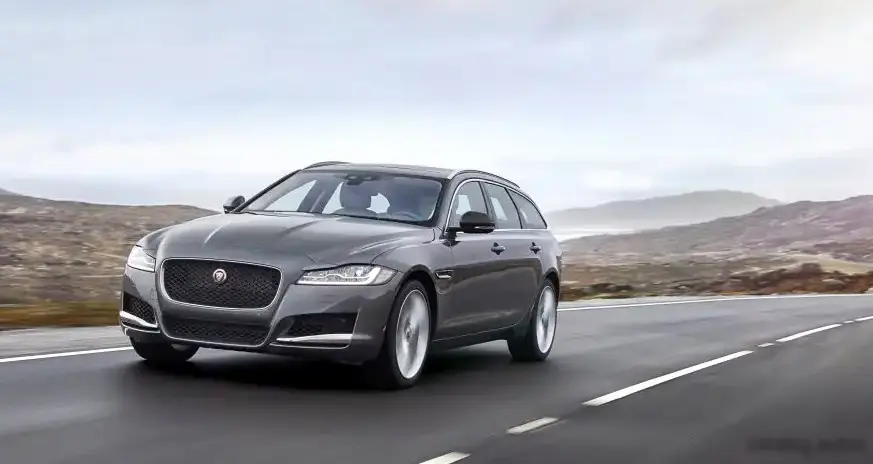
The Jaguar XF Sportbrake (X260) 2.0 (250 Hp) AWD Automatic, produced from 2015 to 2018, represents a compelling blend of luxury, performance, and practicality within the Jaguar lineup. As the estate (station wagon) variant of the second-generation XF, it aimed to broaden the model’s appeal by offering increased cargo capacity without sacrificing the sophisticated driving experience Jaguar was known for. This particular configuration, powered by the Ingenium 2.0-liter turbocharged four-cylinder engine paired with an eight-speed automatic transmission and all-wheel drive, occupied a mid-range position in the Sportbrake portfolio, offering a balance between efficiency and spirited performance.
Technical Specifications
| Brand | Jaguar |
| Model | XF |
| Generation | XF Sportbrake (X260) |
| Type (Engine) | 2.0 (250 Hp) AWD Automatic |
| Start of production | 2015 |
| End of production | 2018 |
| Powertrain Architecture | Internal Combustion engine |
| Body type | Station wagon (estate) |
| Seats | 5 |
| Doors | 5 |
| Fuel consumption (combined) | 6.8 l/100 km (34.6 US mpg, 41.5 UK mpg, 14.7 km/l) |
| CO2 emissions | 155 g/km |
| Fuel Type | Petrol (Gasoline) |
| Acceleration 0 – 100 km/h | 7.1 sec |
| Acceleration 0 – 62 mph | 7.1 sec |
| Acceleration 0 – 60 mph | 6.7 sec |
| Maximum speed | 241 km/h (149.75 mph) |
| Emission standard | Euro 6 |
| Weight-to-power ratio | 7 kg/Hp, 142 Hp/tonne |
| Weight-to-torque ratio | 4.8 kg/Nm, 207.4 Nm/tonne |
| Power | 250 Hp @ 5500 rpm |
| Power per litre | 125.2 Hp/l |
| Torque | 365 Nm @ 1200-4500 rpm (269.21 lb.-ft. @ 1200-4500 rpm) |
| Engine layout | Front, Longitudinal |
| Engine Model/Code | Ingenium / PT204 |
| Engine displacement | 1997 cm3 (121.86 cu. in.) |
| Number of cylinders | 4 |
| Engine configuration | Inline |
| Cylinder Bore | 83 mm (3.27 in.) |
| Piston Stroke | 92.3 mm (3.63 in.) |
| Compression ratio | 10.5:1 |
| Number of valves per cylinder | 4 |
| Fuel injection system | Direct injection |
| Engine aspiration | Turbocharger, Intercooler |
| Valvetrain | DOHC |
| Engine oil capacity | 7 l (7.4 US qt | 6.16 UK qt) |
| Kerb Weight | 1760 kg (3880.14 lbs.) |
| Trunk (boot) space – minimum | 565 l (19.95 cu. ft.) |
| Trunk (boot) space – maximum | 1700 l (60.03 cu. ft.) |
| Fuel tank capacity | 74 l (19.55 US gal | 16.28 UK gal) |
| Length | 4955 mm (195.08 in.) |
| Width | 1987 mm (78.23 in.) |
| Width including mirrors | 2091 mm (82.32 in.) |
| Height | 1496 mm (58.9 in.) |
| Wheelbase | 2960 mm (116.54 in.) |
| Front track | 1605 mm (63.19 in.) |
| Rear (Back) track | 1607 mm (63.27 in.) |
| Ride height (ground clearance) | 110 mm (4.33 in.) |
| Drive wheel | All wheel drive (4×4) |
| Number of gears and type of gearbox | 8 gears, automatic transmission |
| Front suspension | Double wishbone |
| Rear suspension | Independent multi-link suspension, Air suspension |
| Front brakes | Ventilated discs |
| Rear brakes | Ventilated discs |
| Assisting systems | ABS (Anti-lock braking system) |
| Steering type | Steering rack and pinion |
| Power steering | Electric Steering |
| Tires size | 245/45 R18 |
| Wheel rims size | 18 |
Powertrain & Engine Architecture
At the heart of the XF Sportbrake 2.0 AWD lies Jaguar’s Ingenium engine family. The PT204, a 2.0-liter inline-four cylinder, is a modern powerplant featuring direct injection and a single twin-scroll turbocharger. This configuration allows for a broad torque curve, delivering 365 Nm (269.21 lb-ft) from as low as 1200 rpm and sustaining it through 4500 rpm. The engine utilizes a DOHC (Double Overhead Camshaft) valvetrain with four valves per cylinder, optimizing gas flow for improved efficiency and power output. The eight-speed automatic transmission, sourced from ZF, is a crucial component of the powertrain. Known for its smooth and quick shifts, it contributes significantly to both performance and fuel economy. The all-wheel-drive system employs a multi-plate clutch to distribute torque between the front and rear axles, enhancing traction and stability, particularly in adverse weather conditions.
Driving Characteristics
The 2.0-liter AWD Sportbrake offers a refined driving experience. While not as overtly sporty as the higher-powered six-cylinder variants, it provides ample performance for everyday driving and even spirited excursions. The 0-60 mph time of around 6.7 seconds is respectable, and the readily available torque makes overtaking maneuvers effortless. The eight-speed automatic transmission is well-programmed, offering seamless gear changes and contributing to a comfortable ride. Compared to the manual transmission options available in other XF models, the automatic prioritizes convenience and ease of use. The all-wheel-drive system provides enhanced grip and confidence, especially on slippery surfaces, but adds some weight compared to rear-wheel-drive models. The suspension, typically featuring double wishbones at the front and a multi-link setup with optional air suspension at the rear, delivers a good balance between comfort and handling.
Equipment & Trim Levels
The 2.0 AWD Sportbrake typically came equipped with a generous level of standard features. These included leather upholstery, power-adjustable front seats, a touchscreen infotainment system with navigation, automatic climate control, and a suite of safety features such as emergency braking and lane departure warning. Optional extras included a panoramic sunroof, premium audio systems, adaptive cruise control, and various cosmetic enhancements. Trim levels, such as Prestige, R-Sport, and Portfolio, offered progressively more luxurious appointments and features. The R-Sport trim, for example, often included sportier styling cues, such as unique alloy wheels and interior trim.
Chassis & Braking
The XF Sportbrake’s chassis is based on Jaguar’s aluminum-intensive architecture, contributing to its relatively low weight. The front suspension utilizes a double wishbone design, while the rear features an independent multi-link setup. Air suspension was often available as an option, providing adjustable ride height and further enhancing ride comfort. The braking system consists of ventilated discs all around, providing ample stopping power. Anti-lock braking system (ABS) and electronic stability control are standard features, enhancing safety and control.
Market Reception & Comparison
The XF Sportbrake 2.0 AWD was generally well-received by automotive critics. It was praised for its refined driving experience, spacious interior, and practical cargo capacity. However, some reviewers noted that the 2.0-liter engine, while capable, lacked the outright performance and character of the larger six-cylinder options. Fuel economy was considered competitive for its class, averaging around 34.6 US mpg in combined driving. Compared to the 3.0-liter V6 models, the 2.0-liter offered lower running costs but sacrificed some performance. The 2.0d (diesel) variants were also popular, offering even better fuel economy but with a different driving character.
Legacy
The Ingenium engine family has proven to be relatively reliable, although some early examples experienced issues with timing chain tensioners. Regular maintenance, including oil changes and timing chain inspections, is crucial for long-term reliability. The XF Sportbrake 2.0 AWD remains a desirable used car option, offering a blend of luxury, practicality, and affordability. Its sophisticated design and refined driving experience continue to appeal to buyers seeking a premium estate car. The availability of parts and servicing is generally good, ensuring that these vehicles can be maintained for years to come.