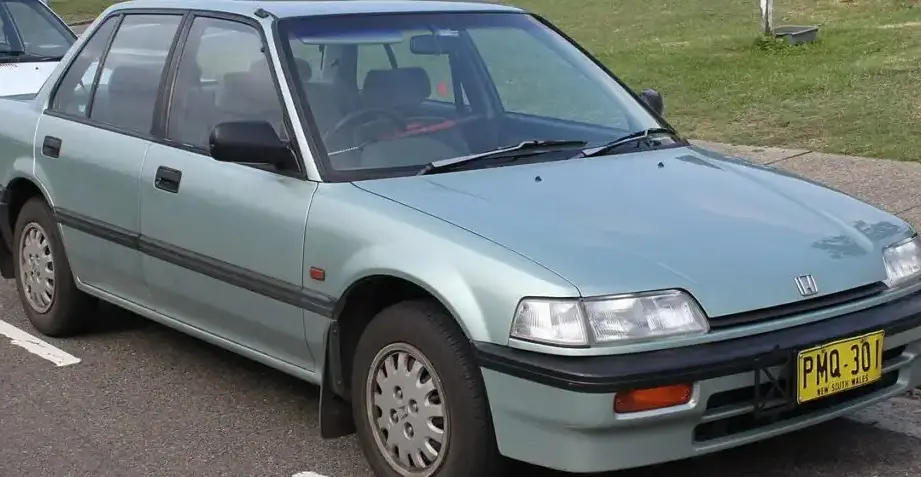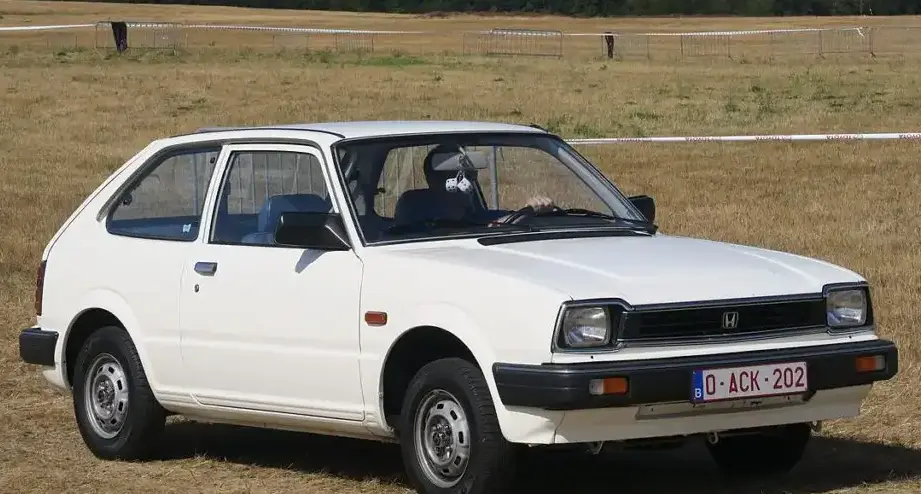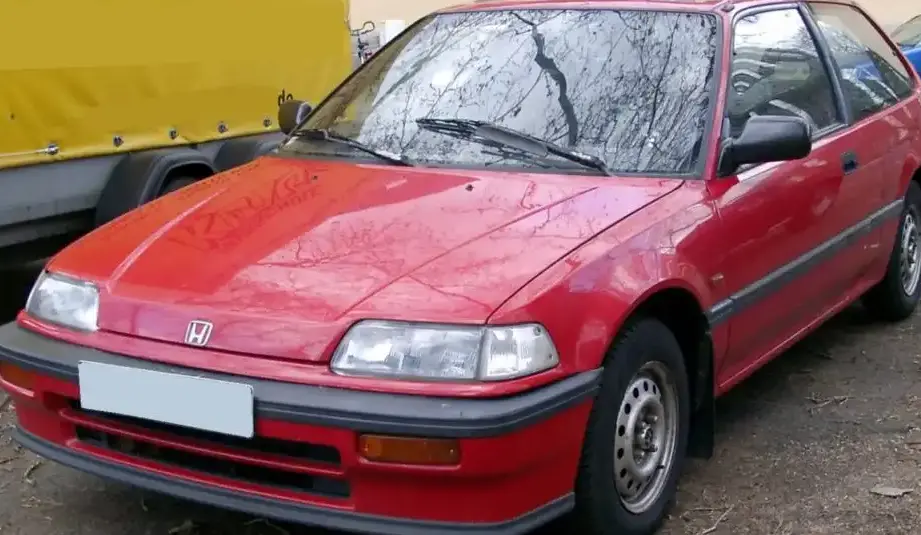
The Honda Civic IV Hatchback 1.6 i 16V, produced from October 1987 to December 1989, represented a significant step forward for Honda’s popular compact car. This variant, part of the fourth-generation Civic (internally coded as EF), offered a blend of performance and practicality aimed at enthusiasts seeking a more engaging driving experience. Positioned as a mid-range offering within the fourth-generation Civic lineup, it slotted between the base 1.5-liter models and the more performance-focused Si variants. The 1.6 i 16V was primarily sold in European and Japanese markets, though limited numbers found their way to North America as grey market imports.
Technical Specifications
| Brand | Honda |
| Model | Civic |
| Generation | Civic IV Hatchback |
| Type (Engine) | 1.6 i 16V (109 Hp) |
| Start of production | October, 1987 |
| End of production | December, 1989 |
| Powertrain Architecture | Internal Combustion engine |
| Body type | Hatchback |
| Seats | 5 |
| Doors | 3 |
| Fuel Type | Petrol (Gasoline) |
| Acceleration 0 – 100 km/h | 8.9 sec |
| Acceleration 0 – 62 mph | 8.9 sec |
| Acceleration 0 – 60 mph | 8.5 sec |
| Maximum speed | 192 km/h (119.3 mph) |
| Weight-to-power ratio | 9.2 kg/Hp, 108.2 Hp/tonne |
| Weight-to-torque ratio | 7.4 kg/Nm, 135.1 Nm/tonne |
| Power | 109 Hp @ 6000 rpm |
| Power per litre | 68.6 Hp/l |
| Torque | 136 Nm @ 5000 rpm (100.31 lb.-ft. @ 5000 rpm) |
| Engine layout | Front, Transverse |
| Engine Model/Code | D16A6 |
| Engine displacement | 1590 cm3 (97.03 cu. in.) |
| Number of cylinders | 4 |
| Engine configuration | Inline |
| Compression ratio | 9.1:1 |
| Number of valves per cylinder | 4 |
| Fuel injection system | Multi-port manifold injection |
| Engine aspiration | Naturally aspirated engine |
| Valvetrain | SOHC |
| Engine oil capacity | 4 l (4.23 US qt | 3.52 UK qt) |
| Coolant | 5.5 l (5.81 US qt | 4.84 UK qt) |
| Kerb Weight | 1007 kg (2220.05 lbs) |
| Max. weight | 1455 kg (3207.73 lbs) |
| Max load | 448 kg (987.67 lbs) |
| Trunk (boot) space – minimum | 340 l (12.01 cu. ft.) |
| Trunk (boot) space – maximum | 708 l (25 cu. ft.) |
| Fuel tank capacity | 45 l (11.89 US gal | 9.9 UK gal) |
| Max. roof load | 75 kg (165.35 lbs) |
| Permitted trailer load with brakes (12%) | 700 kg (1543.24 lbs) |
| Permitted trailer load without brakes | 410 kg (903.9 lbs) |
| Length | 3991 mm (157.13 in) |
| Width | 1686 mm (66.38 in) |
| Height | 1330 mm (52.36 in) |
| Wheelbase | 2500 mm (98.43 in) |
| Front track | 1450 mm (57.09 in) |
| Rear (Back) track | 1450 mm (57.09 in) |
| Drag coefficient (Cd) | 0.33 |
| Minimum turning circle | 9.6 m (31.5 ft) |
| Drivetrain | Front wheel drive |
| Number of gears | 5 gears, manual transmission |
| Front suspension | Double wishbone |
| Rear suspension | Double wishbone |
| Front brakes | Disc |
| Rear brakes | Drum |
| Steering type | Steering rack and pinion |
| Power steering | Hydraulic Steering |
| Tires size | 185/60 R14 |
| Wheel rims size | 5.5J x 14 |
Powertrain & Engine Architecture
The heart of the 1.6 i 16V Civic is the D16A6 engine, a 1.6-liter (1590cc) inline-four cylinder powerplant. This engine featured a single overhead camshaft (SOHC) valvetrain operating four valves per cylinder – hence the “16V” designation. The D16A6 utilized multi-port fuel injection, a significant upgrade over the carburetor systems found in earlier Civics, contributing to improved fuel efficiency and throttle response. The engine produced 109 horsepower at 6000 rpm and 136 Nm (100.31 lb-ft) of torque at 5000 rpm. The engine’s relatively high compression ratio of 9.1:1 helped extract maximum performance from the displacement. The engine was transversely mounted, driving the front wheels through a five-speed manual transmission. This configuration was common for front-wheel-drive vehicles of the era, optimizing space utilization and handling characteristics.
Driving Characteristics
The 1.6 i 16V Civic offered a noticeable improvement in performance over the base 1.5-liter models. While not a sports car, the 109 hp engine provided brisk acceleration, with a 0-60 mph time of around 8.5 seconds. The five-speed manual transmission allowed drivers to keep the engine in its optimal power band, enhancing responsiveness. Compared to the later Si variants with their more powerful engines, the 1.6 i 16V prioritized fuel economy and everyday usability. The gear ratios were tuned for a balance between acceleration and cruising efficiency. The relatively light weight of the Civic – around 2220 lbs – further contributed to its nimble handling. The steering was precise, and the suspension provided a comfortable ride without sacrificing cornering stability.
Equipment & Trim Levels
The 1.6 i 16V Civic typically came equipped with features considered fairly standard for the late 1980s. This included cloth upholstery, a basic stereo system, and manual windows and locks. Power steering was often included, but air conditioning was frequently an optional extra. Interior trim was generally functional and durable, reflecting Honda’s reputation for build quality. Optional extras could include upgraded sound systems, alloy wheels, and a sunroof. The dashboard layout was straightforward and driver-focused, with clearly marked gauges and controls.
Chassis & Braking
The Civic IV Hatchback utilized a double wishbone suspension system at both the front and rear, providing a good balance of ride comfort and handling precision. The front brakes were discs, offering superior stopping power compared to the drum brakes used on the rear wheels. The steering system employed a rack and pinion setup, providing responsive and accurate steering feel. The car’s relatively lightweight construction contributed to its agility. Stabilizer bars were fitted to improve body roll control during cornering.
Market Reception & Comparison
The 1.6 i 16V Civic was generally well-received by automotive critics. It was praised for its responsive engine, nimble handling, and fuel efficiency. Compared to the base 1.5-liter models, the 1.6 i 16V offered a significant performance upgrade without the higher cost and insurance premiums associated with the Si variants. Fuel economy was respectable for the time, averaging around 30-35 mpg in mixed driving conditions. Reliability was also a strong point, consistent with Honda’s reputation. Some critics noted that the interior was somewhat basic compared to competitors, but the overall value proposition was considered excellent.
Legacy
The D16A6 engine and the fourth-generation Civic have earned a loyal following among enthusiasts. The engine is known for its durability and relatively simple maintenance requirements. Today, well-maintained examples of the 1.6 i 16V Civic are sought after by collectors and enthusiasts. Parts availability is generally good, although some specific trim pieces may be difficult to find. The car’s simple design and robust construction make it a popular choice for restoration projects and track day events. The 1.6 i 16V Civic represents a sweet spot in the fourth-generation Civic lineup, offering a compelling blend of performance, practicality, and reliability.