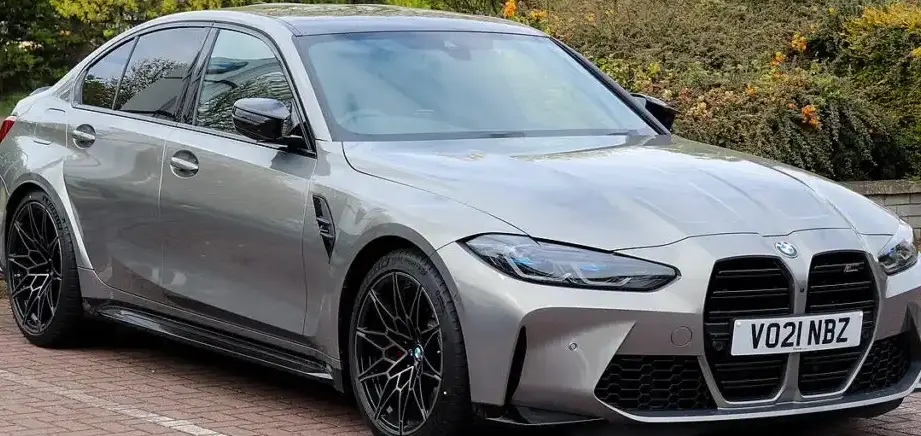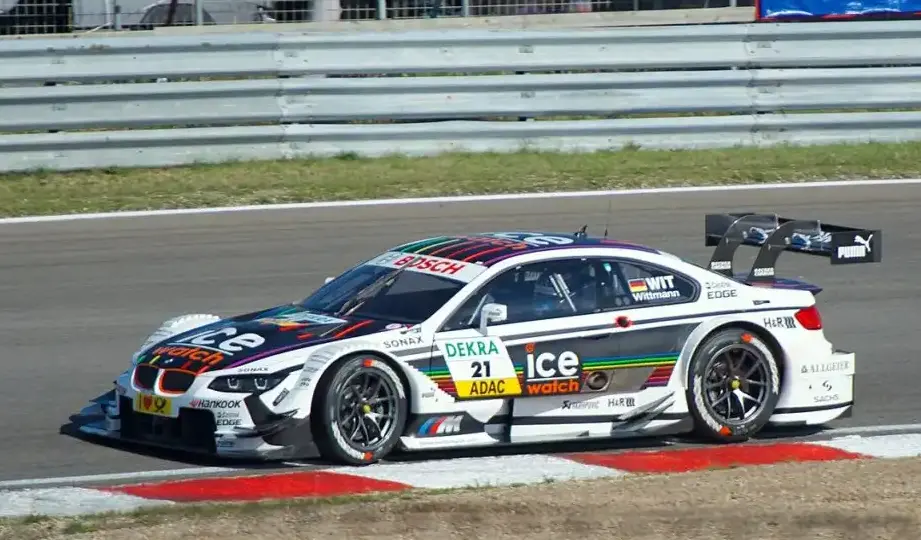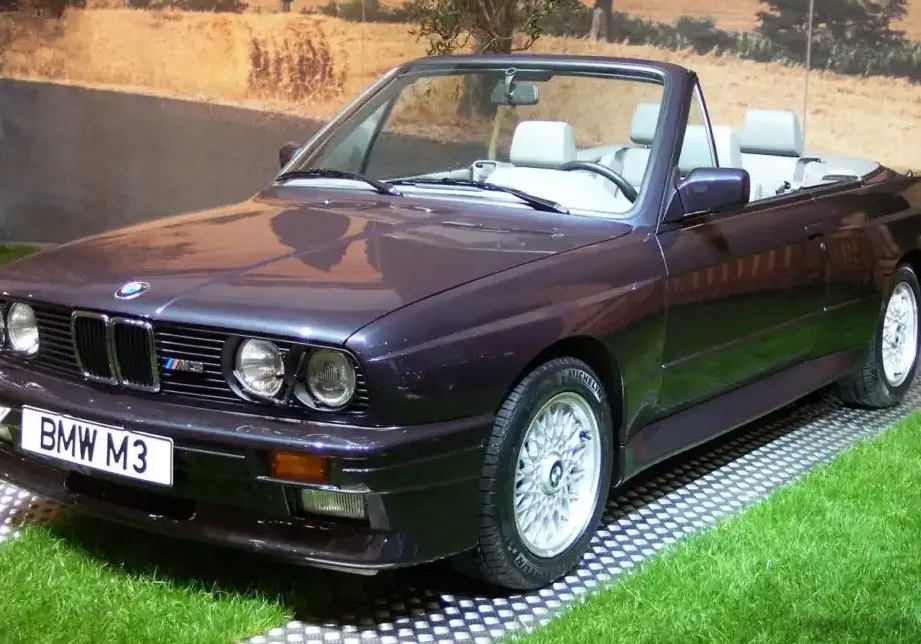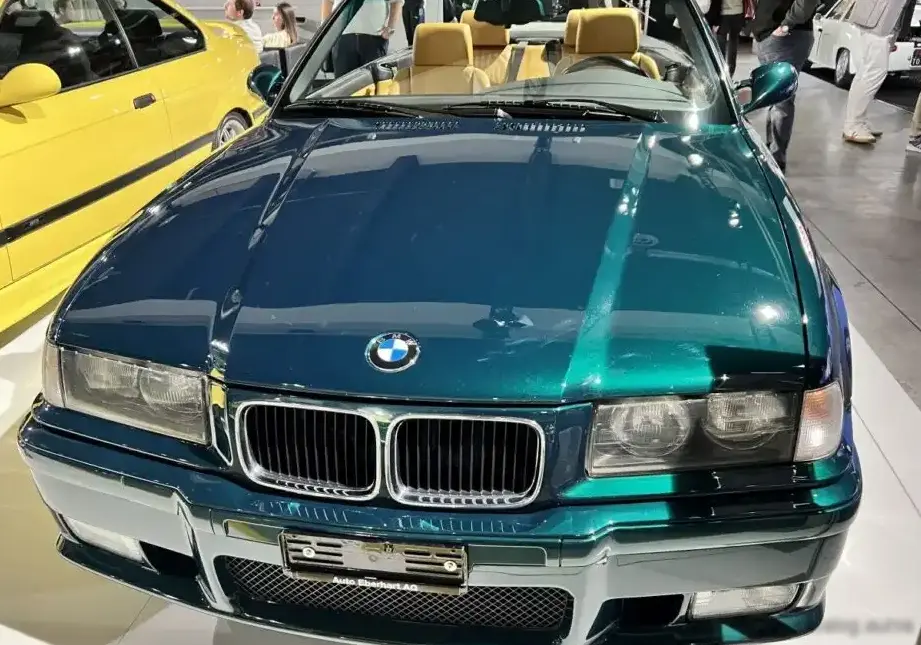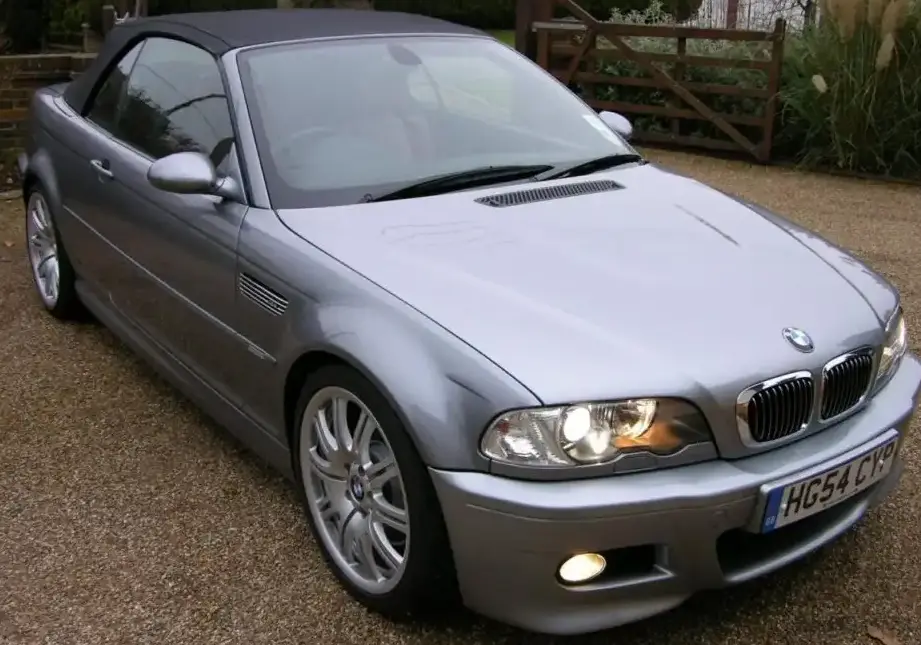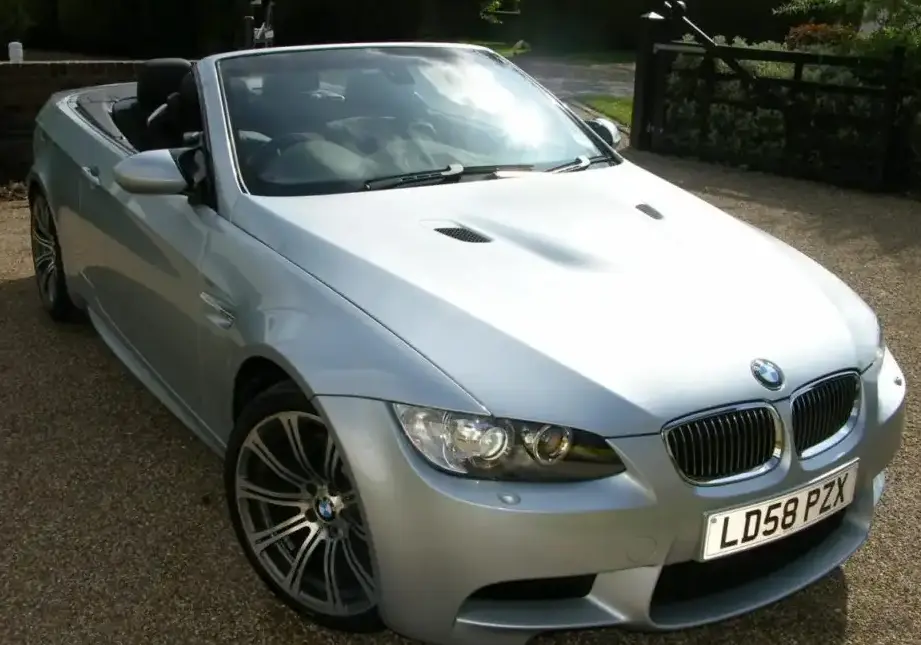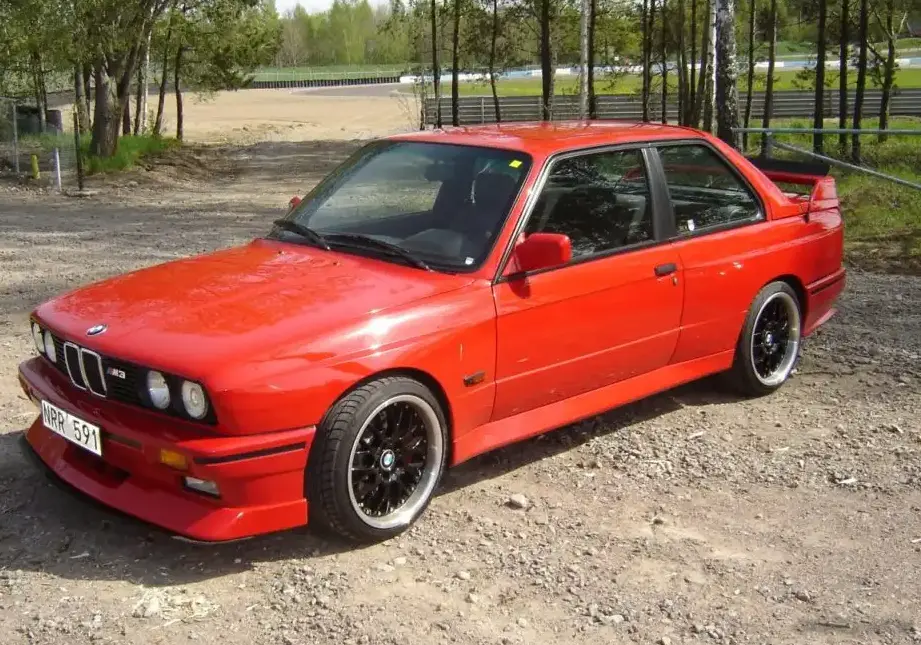
The BMW M3 Coupe (E30) 2.3, produced between 1986 and 1989, represents a pivotal moment in the history of performance automobiles. Born from BMW’s desire to homologate a vehicle for Group A touring car racing, the E30 M3 quickly transcended its racing origins to become a highly sought-after sports coupe. This 2.3-liter, 200 horsepower variant was the initial and most iconic version of the E30 M3, establishing the foundation for all subsequent M3 generations. It was a key model in BMW’s lineup, offering a unique blend of track-bred performance and everyday usability, appealing to enthusiasts who demanded a driver-focused experience.
Technical Specifications
| Brand | BMW |
| Model | M3 |
| Generation | M3 Coupe (E30) |
| Type (Engine) | 2.3 (200 Hp) |
| Start of production | 1986 |
| End of production | 1989 |
| Powertrain Architecture | Internal Combustion engine |
| Body type | Coupe |
| Seats | 4 |
| Doors | 2 |
| Fuel consumption (economy) – urban | 11.6 l/100 km (20.3 US mpg) |
| Fuel consumption (economy) – extra urban | 7.5 l/100 km (31.4 US mpg) |
| Fuel consumption (economy) – combined | 8.3 l/100 km (28.3 US mpg) |
| Fuel Type | Petrol (Gasoline) |
| Acceleration 0 – 100 km/h | 6.7 sec |
| Acceleration 0 – 62 mph | 6.7 sec |
| Acceleration 0 – 60 mph | 6.4 sec |
| Maximum speed | 235 km/h (146.02 mph) |
| Weight-to-power ratio | 5.8 kg/Hp |
| Weight-to-torque ratio | 4.9 kg/Nm |
| Power | 200 Hp @ 6750 rpm |
| Torque | 240 Nm @ 4750 rpm (177.01 lb.-ft. @ 4750 rpm) |
| Engine layout | Front, Longitudinal |
| Engine Model/Code | S14B23 |
| Engine displacement | 2302 cm3 (140.48 cu. in.) |
| Number of cylinders | 4 |
| Engine configuration | Inline |
| Cylinder Bore | 93.4 mm (3.68 in.) |
| Piston Stroke | 84 mm (3.31 in.) |
| Compression ratio | 10.5:1 |
| Number of valves per cylinder | 4 |
| Fuel injection system | Multi-port manifold injection |
| Engine aspiration | Naturally aspirated engine |
| Engine oil capacity | 4.4 l (4.65 US qt | 3.87 UK qt) |
| Coolant | 9 l (9.51 US qt | 7.92 UK qt) |
| Kerb Weight | 1165 kg (2568.39 lbs.) |
| Max. weight | 1540 kg (3395.12 lbs.) |
| Max load | 375 kg (826.73 lbs.) |
| Trunk (boot) space – minimum | 420 l (14.83 cu. ft.) |
| Fuel tank capacity | 70 l (18.49 US gal | 15.4 UK gal) |
| Length | 4345 mm (171.06 in.) |
| Width | 1680 mm (66.14 in.) |
| Height | 1370 mm (53.94 in.) |
| Wheelbase | 2565 mm (100.98 in.) |
| Front track | 1412 mm (55.59 in.) |
| Rear (Back) track | 1434 mm (56.46 in.) |
| Drag coefficient (Cd) | 0.33 |
| Minimum turning circle | 11.1 m (36.42 ft.) |
| Drivetrain Architecture | Rear wheel drive |
| Number of gears and type of gearbox | 5 gears, manual transmission |
| Front suspension | Independent type McPherson |
| Front brakes | Ventilated discs |
| Rear brakes | Disc |
| Assisting systems | ABS (Anti-lock braking system) |
| Steering type | Steering rack and pinion |
| Power steering | Hydraulic Steering |
| Tires size | 205/55 VR15 |
| Wheel rims size | 7J x 15 |
Powertrain & Engine Architecture
The heart of the E30 M3 is the S14B23 engine, a high-revving, naturally aspirated 2.3-liter inline-four. This engine was derived from the BMW M10 engine, but extensively modified by BMW’s motorsport division. Key changes included a larger bore, a shorter stroke, high-compression pistons, and a revised cylinder head with four valves per cylinder. The S14 featured Bosch Motronic fuel injection and a sophisticated valvetrain designed for optimal airflow at high engine speeds. The engine produced 200 horsepower at 6750 rpm and 240 Nm (177 lb-ft) of torque at 4750 rpm. The engine’s longitudinal front-engine layout and rear-wheel drive configuration contributed to its balanced handling characteristics. The standard transmission was a Getrag 265 five-speed manual, known for its precise shifts and durability.
Driving Characteristics
The E30 M3 2.3 offered a driving experience that was raw, engaging, and remarkably balanced. The 200 horsepower engine, while not overwhelming by modern standards, provided ample power for spirited driving. The car’s relatively light weight (around 2568 lbs) and well-tuned suspension resulted in nimble handling and excellent cornering ability. The five-speed manual transmission allowed drivers to fully exploit the engine’s powerband. Compared to later, more powerful M3 variants, the 2.3-liter version felt more approachable and predictable, making it a favorite among enthusiasts who appreciated a pure driving experience. The gear ratios were optimized for acceleration and track performance, but still provided reasonable cruising comfort.
Equipment & Trim Levels
The E30 M3 was relatively spartan in its standard equipment, reflecting its racing heritage. Standard features included sport seats, a leather-wrapped steering wheel, and a limited-slip differential. Interior trim was functional and focused on the driver. Options included sunroof, air conditioning, and upgraded audio systems. The exterior featured distinctive aerodynamic enhancements, including a front air dam, rear spoiler, and flared wheel arches. These modifications not only improved the car’s appearance but also enhanced its aerodynamic performance. The interior upholstery was typically cloth, although leather options were available.
Chassis & Braking
The E30 M3’s chassis was based on the standard E30 3-Series, but significantly reinforced to handle the increased stresses of high-performance driving. The suspension featured independent McPherson struts at the front and semi-trailing arms at the rear. The car’s track was wider than the standard 3-Series, contributing to its improved stability. Braking duties were handled by ventilated discs at the front and solid discs at the rear. An Anti-lock Braking System (ABS) was available as an option, enhancing safety and control. The steering was a rack-and-pinion system with hydraulic power assistance, providing precise and responsive steering feel.
Market Reception & Comparison
The E30 M3 was widely praised by automotive critics for its exceptional handling, responsive engine, and overall driving experience. It quickly established itself as a benchmark for performance coupes. Compared to other sports cars of the era, the M3 offered a unique combination of performance and practicality. While some critics noted the relatively basic interior, most agreed that the car’s driving dynamics more than compensated for any shortcomings in comfort or refinement. Compared to later M3 variants, such as the 3.2-liter version, the 2.3-liter model was often seen as the purest and most engaging to drive. Fuel economy was reasonable for a performance car of its time, averaging around 28.3 US mpg in combined driving.
Legacy
The E30 M3 remains a highly collectible and sought-after classic car. Its enduring appeal is a testament to its exceptional engineering and driving dynamics. The S14 engine is known for its durability, although regular maintenance is essential to keep it in top condition. Today, well-maintained examples of the E30 M3 2.3 command high prices in the used car market. The car’s influence can be seen in subsequent M3 generations, which have continued to prioritize driving performance and driver engagement. The E30 M3 is widely regarded as one of the greatest sports coupes of all time, and a true icon of the automotive world.