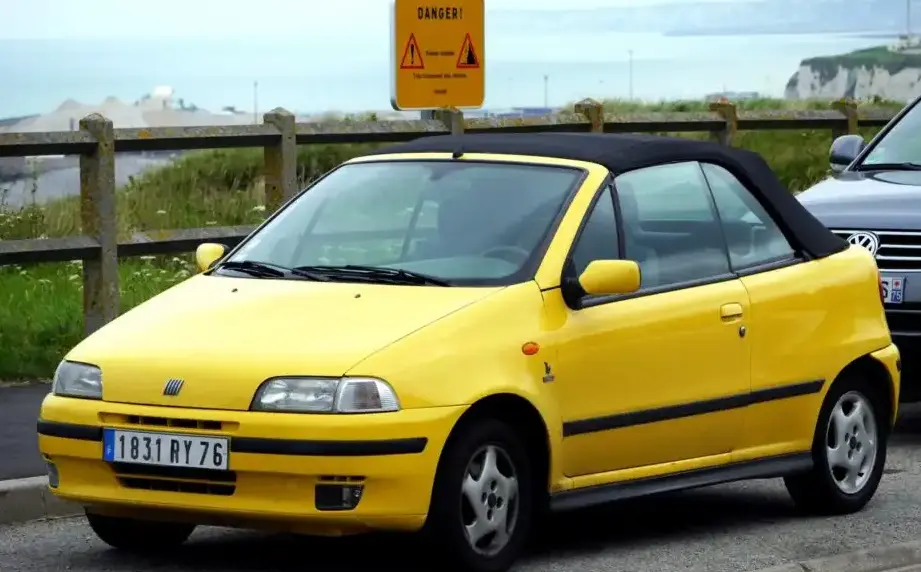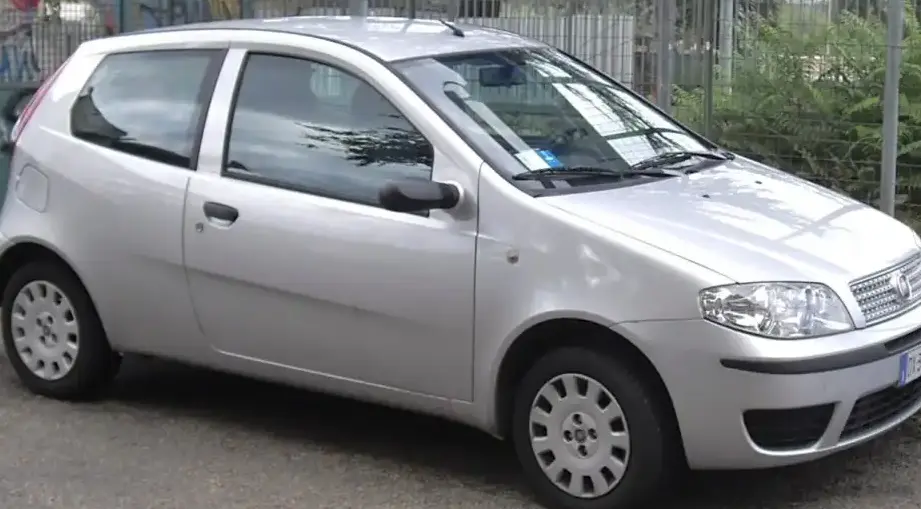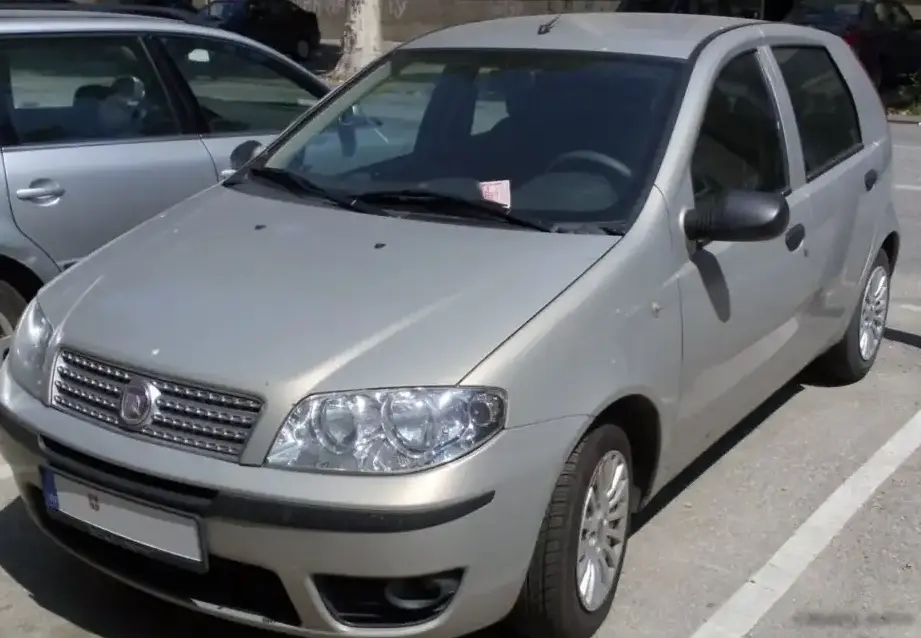
The Fiat Punto Evo 1.3 16V Multijet (75 hp) was a popular subcompact hatchback produced between 2009 and 2011, representing a significant evolution of the Punto model line. Part of the 199 series, the Evo aimed to modernize the Punto with revised styling, improved interior quality, and a range of efficient engines. This particular variant, powered by the 1.3-liter Multijet diesel engine and paired with a five-speed manual transmission, occupied an entry-level position within the Evo lineup, focusing on fuel economy and affordability. It was primarily marketed in Europe, where small, economical diesel hatchbacks were in high demand.
Technical Specifications
| Brand | Fiat |
| Model | Punto |
| Generation | Punto Evo (199) |
| Type (Engine) | 1.3 16V Multijet (75 Hp) |
| Start of production | 2009 |
| End of production | 2011 |
| Powertrain Architecture | Internal Combustion engine |
| Body type | Hatchback |
| Seats | 5 |
| Doors | 3-5 |
| Fuel consumption (urban) | 6.2 l/100 km (37.9 US mpg, 45.6 UK mpg, 16.1 km/l) |
| Fuel consumption (extra urban) | 3.5 l/100 km (67.2 US mpg, 80.7 UK mpg, 28.6 km/l) |
| Fuel consumption (combined) | 4.5 l/100 km (52.3 US mpg, 62.8 UK mpg, 22.2 km/l) |
| CO2 emissions | 119 g/km |
| Fuel Type | Diesel |
| Acceleration 0 – 100 km/h | 13.6 sec |
| Acceleration 0 – 62 mph | 13.6 sec |
| Acceleration 0 – 60 mph | 12.9 sec |
| Maximum speed | 165 km/h (102.53 mph) |
| Emission standard | Euro 4 |
| Weight-to-power ratio | 14.5 kg/Hp, 68.8 Hp/tonne |
| Weight-to-torque ratio | 5.7 kg/Nm, 174.3 Nm/tonne |
| Power | 75 Hp @ 4000 rpm |
| Power per litre | 60.1 Hp/l |
| Torque | 190 Nm @ 1750 rpm (140.14 lb.-ft. @ 1750 rpm) |
| Engine layout | Front, Transverse |
| Engine Model/Code | 199 A2.000, 199 A9.000 |
| Engine displacement | 1248 cm3 (76.16 cu. in.) |
| Number of cylinders | 4 |
| Engine configuration | Inline |
| Cylinder Bore | 69.6 mm (2.74 in.) |
| Piston Stroke | 82 mm (3.23 in.) |
| Compression ratio | 17.6:1 |
| Number of valves per cylinder | 4 |
| Fuel injection system | Diesel Commonrail |
| Engine aspiration | Turbocharger, Intercooler |
| Valvetrain | DOHC |
| Engine oil capacity | 3.2 l (3.38 US qt | 2.82 UK qt) |
| Coolant | 6.7 l (7.08 US qt | 5.9 UK qt) |
| Kerb Weight | 1090 kg (2403.04 lbs.) |
| Max. weight | 1650 kg (3637.63 lbs.) |
| Max load | 560 kg (1234.59 lbs.) |
| Trunk (boot) space – minimum | 275 l (9.71 cu. ft.) |
| Trunk (boot) space – maximum | 1030 l (36.37 cu. ft.) |
| Fuel tank capacity | 45 l (11.89 US gal | 9.9 UK gal) |
| Permitted trailer load with brakes (12%) | 1000 kg (2204.62 lbs.) |
| Permitted trailer load without brakes | 400 kg (881.85 lbs.) |
| Length | 4065 mm (160.04 in.) |
| Width | 1687 mm (66.42 in.) |
| Height | 1490 mm (58.66 in.) |
| Wheelbase | 2510 mm (98.82 in.) |
| Front track | 1473 mm (57.99 in.) |
| Rear (Back) track | 1466 mm (57.72 in.) |
| Drag coefficient (Cd) | 0.34 |
| Minimum turning circle | 10.9 m (35.76 ft.) |
| Drivetrain Architecture | Front wheel drive |
| Drive wheel | Front wheel drive |
| Number of gears | 5 gears, manual transmission |
| Front suspension | Independent, type McPherson with coil spring and anti-roll bar |
| Rear suspension | Semi-independent, coil spring |
| Front brakes | Ventilated discs |
| Rear brakes | Drum |
| Assisting systems | ABS (Anti-lock braking system) |
| Steering type | Steering rack and pinion |
| Power steering | Electric Steering |
| Tires size | 175/65 R15; 185/65 R15; 195/55 R16; 205/45 R17 |
| Wheel rims size | 15; 16; 17 |
Powertrain & Engine Architecture
The heart of this Punto Evo variant is the 1.3-liter, 16-valve Multijet diesel engine, identified by engine codes 199 A2.000 and 199 A9.000. This engine is a member of Fiat’s Ecotec family, known for its efficiency and compact design. It features a common rail direct injection system, delivering fuel at extremely high pressure for optimized combustion. A turbocharger with an intercooler further enhances performance, boosting power output to 75 horsepower at 4000 rpm and 190 Nm (140 lb-ft) of torque at 1750 rpm. The engine utilizes a double overhead camshaft (DOHC) valvetrain, contributing to its responsive nature. The five-speed manual transmission was the standard offering for this trim, providing a direct connection between the engine and the front wheels.
Driving Characteristics
The 1.3 Multijet engine, while not exceptionally powerful, provided adequate performance for urban and highway driving. Acceleration from 0 to 60 mph took around 12.9 seconds, and the top speed was approximately 102.53 mph. The engine’s torque peak at low rpm made it feel surprisingly lively around town, offering good responsiveness for overtaking and merging. Compared to higher-output versions of the Punto Evo, such as those with the 1.4-liter petrol engine, this diesel variant prioritized fuel economy over outright speed. The manual transmission offered precise shifts, and the gear ratios were well-suited to maximizing fuel efficiency. However, the engine could feel strained at higher speeds or when carrying a full load.
Equipment & Trim Levels
The 1.3 Multijet 75 hp variant typically represented the entry point into the Punto Evo range. Standard equipment generally included power steering, ABS brakes, front airbags, a basic audio system, and electric front windows. Interior upholstery was typically cloth, and the dashboard featured a functional, if somewhat basic, design. Optional extras included air conditioning, alloy wheels, a more advanced audio system with Bluetooth connectivity, and rear electric windows. Higher trim levels, such as the Dynamic and Eleganza, added more features as standard, but the 1.3 Multijet remained the most affordable option.
Chassis & Braking
The Punto Evo featured a McPherson strut front suspension and a semi-independent torsion beam rear suspension. This setup provided a comfortable ride quality, well-suited to everyday driving conditions. The front brakes were ventilated discs, offering good stopping power, while the rear brakes were drums, a cost-saving measure common in this segment. The electric power steering provided light and easy steering, making it maneuverable in tight spaces. Stabilizer bars were fitted to both the front and rear axles to reduce body roll during cornering.
Market Reception & Comparison
The Fiat Punto Evo 1.3 Multijet was generally well-received by critics for its fuel efficiency and affordability. It was praised for its nimble handling and comfortable ride. However, some reviewers noted the engine’s lack of outright power and the somewhat basic interior trim. Compared to other small diesel hatchbacks of the time, such as the Volkswagen Polo and Ford Fiesta, the Punto Evo offered a competitive price point and excellent fuel economy. The 1.4-liter petrol version of the Punto Evo offered more power but at the expense of fuel efficiency, making the 1.3 Multijet a popular choice for drivers prioritizing economy.
Legacy
The 1.3 Multijet engine proved to be a reliable and durable unit, and many examples are still on the road today. While not known for being particularly exciting, it offered a cost-effective and economical solution for everyday transportation. The Punto Evo 1.3 Multijet remains a relatively affordable option in the used car market, appealing to buyers seeking a practical and fuel-efficient hatchback. Regular maintenance, including oil changes and timing belt replacements, is crucial for ensuring the long-term reliability of this powertrain.