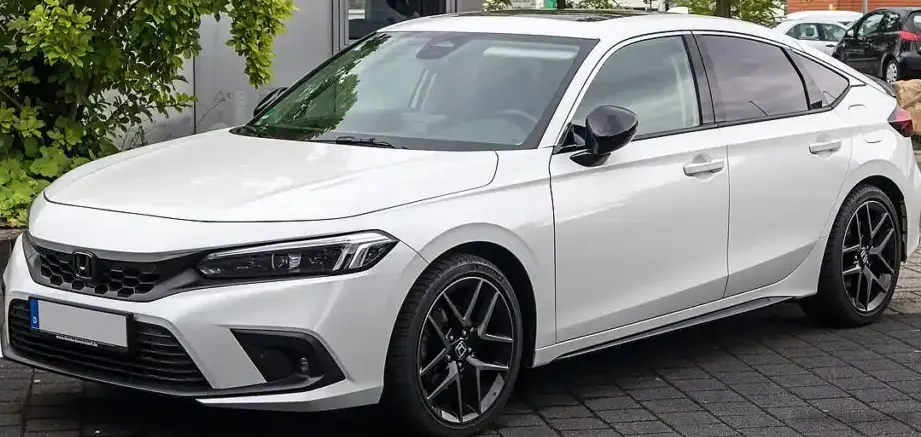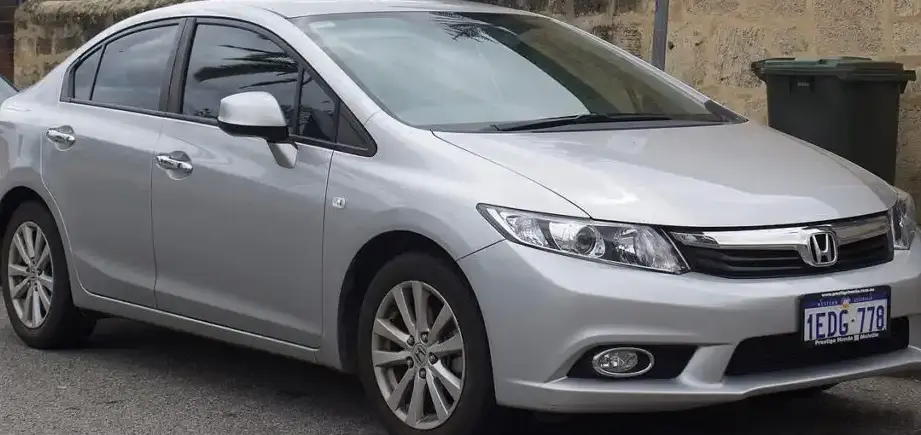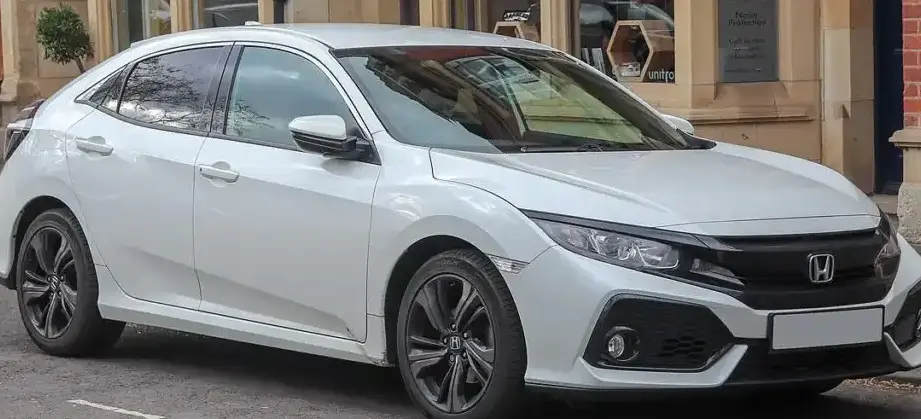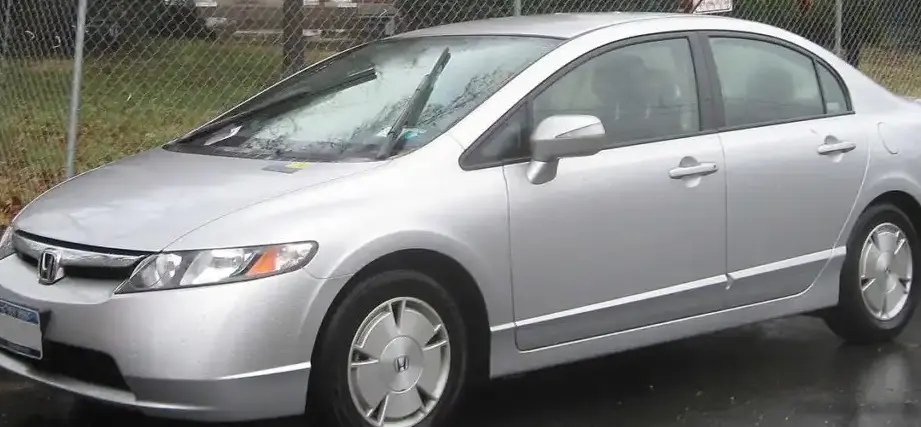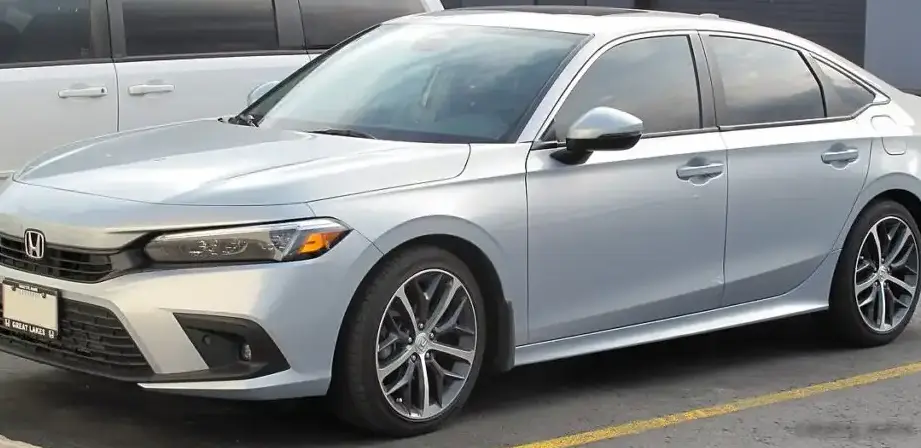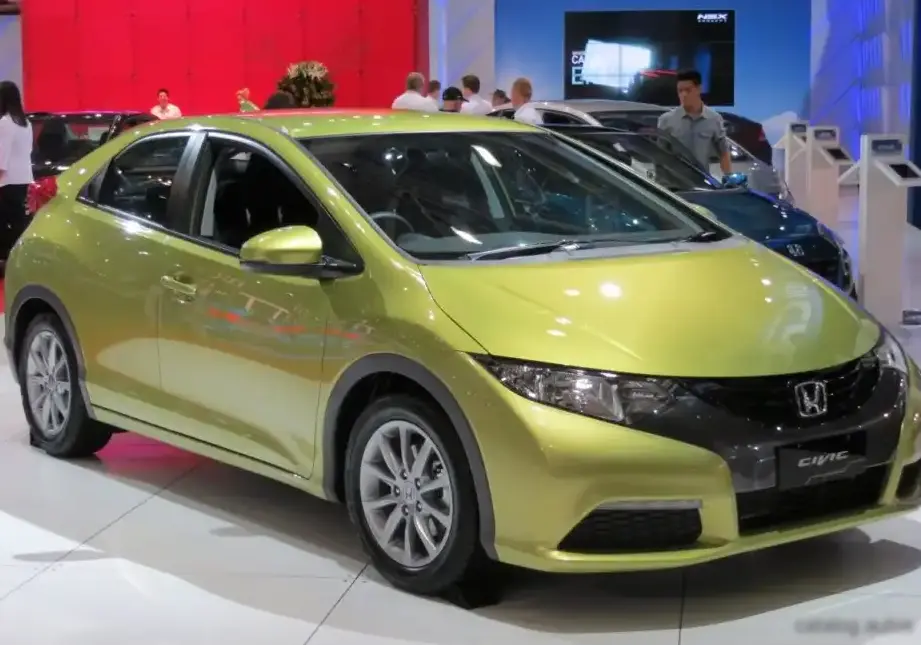
The Honda Civic IX Hatchback 2.2 i-DTEC (150 hp) represents a significant offering within the ninth generation (2012-2014) of Honda’s globally popular Civic line. Introduced as a diesel-powered variant to the European market, and select others, this model aimed to provide a balance of fuel efficiency, respectable performance, and practicality within the compact hatchback segment. It was positioned as a more economical alternative to the petrol-powered versions, appealing to drivers prioritizing lower running costs and torque for everyday driving and longer journeys. The 2.2 i-DTEC utilized Honda’s Earth Dreams Technology, focusing on optimizing engine efficiency and reducing emissions.
Technical Specifications
| Brand | Honda |
| Model | Civic |
| Generation | Civic IX Hatchback |
| Type (Engine) | 2.2 i-DTEC (150 Hp) |
| Start of production | 2012 |
| End of production | 2014 |
| Powertrain Architecture | Internal Combustion engine |
| Body type | Hatchback |
| Seats | 5 |
| Doors | 5 |
| Fuel consumption (urban) | 5.2 l/100 km (45.2 US mpg, 54.3 UK mpg, 19.2 km/l) |
| Fuel consumption (extra urban) | 3.9 l/100 km (60.3 US mpg, 72.4 UK mpg, 25.6 km/l) |
| Fuel consumption (combined) | 4.4 l/100 km (53.5 US mpg, 64.2 UK mpg, 22.7 km/l) |
| Fuel Type | Diesel |
| Acceleration 0 – 100 km/h | 8.5 sec |
| Acceleration 0 – 62 mph | 8.5 sec |
| Acceleration 0 – 60 mph | 8.1 sec |
| Maximum speed | 217 km/h (134.84 mph) |
| Emission standard | Euro 5 |
| Weight-to-power ratio | 9.9 kg/Hp, 100.9 Hp/tonne |
| Weight-to-torque ratio | 4.2 kg/Nm, 235.4 Nm/tonne |
| Power | 150 Hp @ 4000 rpm |
| Power per litre | 68.2 Hp/l |
| Torque | 350 Nm @ 2000-2750 rpm (258.15 lb.-ft. @ 2000-2750 rpm) |
| Engine layout | Front, Transverse |
| Engine Model/Code | N22B4 |
| Engine displacement | 2199 cm3 (134.19 cu. in.) |
| Number of cylinders | 4 |
| Engine configuration | Inline |
| Compression ratio | 16.3:1 |
| Number of valves per cylinder | 4 |
| Fuel injection system | Diesel Commonrail |
| Engine aspiration | Turbocharger, Intercooler |
| Engine oil capacity | 5.5 l (5.81 US qt | 4.84 UK qt) |
| Coolant capacity | 6.4 l (6.76 US qt | 5.63 UK qt) |
| Kerb Weight | 1487 kg (3278.27 lbs.) |
| Trunk (boot) space – minimum | 467 l (16.49 cu. ft.) |
| Fuel tank capacity | 50 l (13.21 US gal | 11 UK gal) |
| Length | 4300 mm (169.29 in.) |
| Width | 1770 mm (69.69 in.) |
| Height | 1440 mm (56.69 in.) |
| Wheelbase | 2595 mm (102.17 in.) |
| Minimum turning circle | 11.08 m (36.35 ft.) |
| Drivetrain Architecture | Front wheel drive |
| Number of gears and type of gearbox | 6 gears, manual transmission |
| Front suspension | Independent, type McPherson with coil spring and anti-roll bar |
| Front brakes | Ventilated discs |
| Rear brakes | Disc |
| Assisting systems | ABS (Anti-lock braking system) |
| Steering type | Steering rack and pinion |
Powertrain & Engine Architecture
The heart of the Civic IX Hatchback 2.2 i-DTEC is the N22B4 engine, a 2.2-liter inline-four cylinder diesel. This engine is a member of Honda’s Earth Dreams Technology series, designed for improved efficiency and reduced emissions. It features a common-rail direct injection system, delivering fuel at extremely high pressure for optimized combustion. A turbocharger with an intercooler is employed to boost power and torque, providing a broader powerband. The engine utilizes a single overhead camshaft (SOHC) valvetrain with four valves per cylinder. The 6-speed manual transmission was standard, chosen for its efficiency and driver engagement. The engine’s design prioritized low-end torque, making it well-suited for everyday driving conditions and providing ample pulling power.
Driving Characteristics
The 150 hp and 350 Nm (258 lb-ft) of torque delivered by the 2.2 i-DTEC engine provided a noticeable step up in performance compared to the base petrol engines available in the Civic IX Hatchback range. Acceleration from 0-60 mph took approximately 8.1 seconds, and a top speed of 134.84 mph was achievable. The engine’s strong low-end torque meant that brisk acceleration was readily available from relatively low engine speeds. The 6-speed manual transmission was well-matched to the engine’s characteristics, offering precise shifts and allowing the driver to effectively utilize the available power. While not a sports car, the 2.2 i-DTEC provided a comfortable and capable driving experience, particularly on longer journeys where its fuel efficiency shone.
Equipment & Trim Levels
The 2.2 i-DTEC trim level typically included a generous amount of standard equipment. This often included air conditioning, power windows, power mirrors, a CD/MP3 audio system, and alloy wheels. Higher trim levels, such as the ‘EX’ or ‘Sport’ variants, added features like climate control, a touchscreen infotainment system, rear parking sensors, and upgraded interior upholstery. Interior materials were generally of good quality, with a focus on durability and practicality. The dashboard layout was functional and user-friendly, with logically placed controls.
Chassis & Braking
The Civic IX Hatchback featured an independent McPherson strut front suspension and a multi-link rear suspension, providing a comfortable ride and good handling characteristics. The front brakes were ventilated discs, while the rear brakes were solid discs. Anti-lock Braking System (ABS) was standard, enhancing safety and stability during braking. The chassis was designed to provide a good balance between rigidity and weight, contributing to the car’s overall handling performance. Stabilizer bars were fitted to both the front and rear axles to reduce body roll during cornering.
Market Reception & Comparison
The 2.2 i-DTEC variant of the Civic IX Hatchback was generally well-received by automotive critics. It was praised for its fuel efficiency, strong torque, and comfortable ride. Compared to the petrol-powered versions, the diesel offered significantly better fuel economy, making it an attractive option for high-mileage drivers. However, some critics noted that the diesel engine was slightly noisier than the petrol engines. Compared to rivals like the Volkswagen Golf and Ford Focus, the Civic offered a competitive package in terms of fuel economy, performance, and equipment levels.
Legacy
The Honda Civic IX Hatchback 2.2 i-DTEC has proven to be a reliable and durable vehicle. The N22B4 engine, when properly maintained, is known for its longevity. In the used car market, these models continue to be sought after by buyers looking for a fuel-efficient and practical hatchback. Common maintenance items include regular oil changes, filter replacements, and timing belt replacement (typically around 100,000 miles). The diesel particulate filter (DPF) can require attention if the vehicle is primarily used for short journeys. Overall, the 2.2 i-DTEC represents a well-engineered and dependable option within the Civic IX Hatchback range.