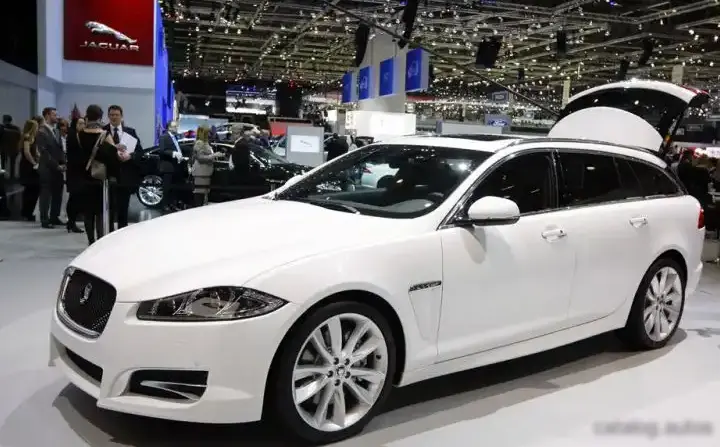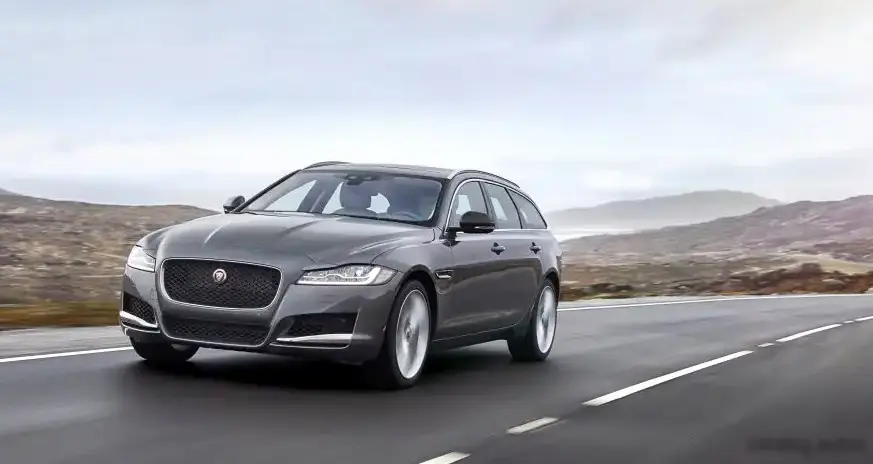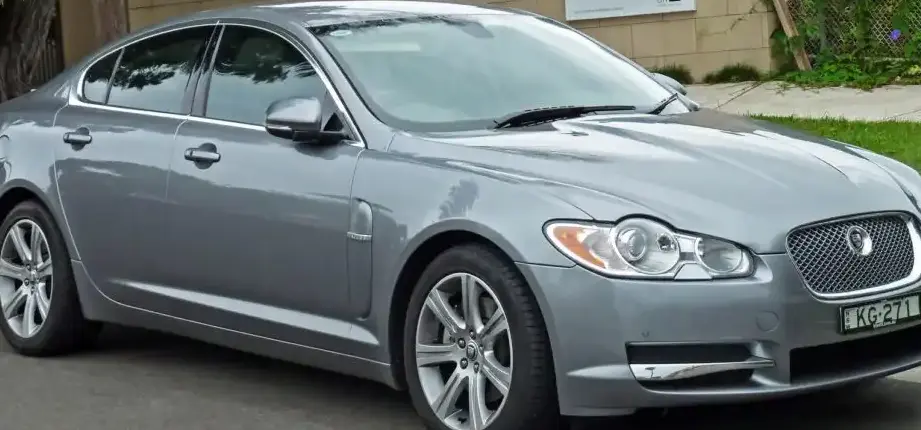
The Jaguar XF (X250) 4.2 V8 Automatic, produced from 2007 to 2009, represented a significant departure for Jaguar, moving the brand into a more contemporary and competitive segment. This variant, positioned as a premium offering within the initial XF lineup, aimed to blend luxury, performance, and technology. It served as the flagship engine option upon the XF’s launch, showcasing Jaguar’s engineering prowess and establishing a new design language for the marque. The X250 generation, built on the Jaguar XJ6 (X350) platform, sought to challenge established rivals like the BMW 5 Series and Mercedes-Benz E-Class.
Technical Specifications
| Brand | Jaguar |
| Model | XF |
| Generation | XF (X250) |
| Type (Engine) | 4.2 V8 (298 Hp) Automatic |
| Start of production | 2007 |
| End of production | 2009 |
| Powertrain Architecture | Internal Combustion engine |
| Body type | Sedan |
| Seats | 5 |
| Doors | 4 |
| Fuel consumption (urban) | 17.3 l/100 km (13.6 US mpg, 16.3 UK mpg, 5.8 km/l) |
| Fuel consumption (extra urban) | 7.6 l/100 km (30.9 US mpg, 37.2 UK mpg, 13.2 km/l) |
| Fuel consumption (combined) | 11.1 l/100 km (21.2 US mpg, 25.4 UK mpg, 9 km/l) |
| Fuel Type | Petrol (Gasoline) |
| Acceleration 0 – 100 km/h | 6.5 sec |
| Acceleration 0 – 62 mph | 6.5 sec |
| Acceleration 0 – 60 mph | 6.2 sec |
| Maximum speed | 250 km/h (155.34 mph) |
| Emission standard | Euro 4 |
| Weight-to-power ratio | 5.9 kg/Hp, 170.4 Hp/tonne |
| Weight-to-torque ratio | 4.3 kg/Nm, 235 Nm/tonne |
| Power | 298 Hp @ 6800 rpm |
| Power per litre | 71 Hp/l |
| Torque | 411 Nm @ 4100 rpm (303.14 lb.-ft. @ 4100 rpm) |
| Engine layout | Front, Longitudinal |
| Engine Model/Code | SV82G |
| Engine displacement | 4196 cm3 (256.06 cu. in.) |
| Number of cylinders | 8 |
| Engine configuration | V-engine |
| Cylinder Bore | 86 mm (3.39 in.) |
| Piston Stroke | 90.3 mm (3.56 in.) |
| Compression ratio | 11:1 |
| Number of valves per cylinder | 4 |
| Fuel injection system | Multi-port manifold injection |
| Engine aspiration | Naturally aspirated engine |
| Valvetrain | DOHC |
| Engine oil capacity | 6 l (6.34 US qt | 5.28 UK qt) |
| Coolant capacity | 10.1 l (10.67 US qt | 8.89 UK qt) |
| Kerb Weight | 1749 kg (3855.88 lbs.) |
| Max. weight | 2270 kg (5004.49 lbs.) |
| Max load | 521 kg (1148.61 lbs.) |
| Trunk (boot) space – minimum | 540 l (19.07 cu. ft.) |
| Fuel tank capacity | 69.5 l (18.36 US gal | 15.29 UK gal) |
| Length | 4961 mm (195.31 in.) |
| Width | 1877 mm (73.9 in.) |
| Height | 1460 mm (57.48 in.) |
| Wheelbase | 2909 mm (114.53 in.) |
| Front track | 1559 mm (61.38 in.) |
| Rear (Back) track | 1571 mm (61.85 in.) |
| Drivetrain Architecture | Rear wheel drive |
| Number of gears | 6 |
| Gearbox type | Automatic transmission |
| Wheel rims size | 8.5×19 |
Powertrain & Engine Architecture
At the heart of the XF 4.2 V8 Automatic lies the SV82G engine, a naturally aspirated 4.2-liter V8. This engine, a descendant of Jaguar’s long-standing V8 tradition, featured a 90-degree V-angle and a DOHC (Dual Overhead Camshaft) valvetrain with four valves per cylinder. The engine utilized multi-port fuel injection, delivering fuel directly into the intake ports. The 4.2L engine produced 298 horsepower at 6,800 rpm and 411 Nm (303 lb-ft) of torque at 4,100 rpm. The engine’s architecture prioritized smooth power delivery and a characteristic V8 sound. The six-speed automatic transmission, sourced from ZF, was a crucial component, designed to handle the engine’s output and provide refined shifting characteristics. This transmission featured a torque converter and electronic controls for optimized gear selection.
Driving Characteristics
The 4.2 V8 Automatic XF offered a distinctly grand touring experience. Acceleration was brisk, with 0-60 mph times consistently around 6.2-6.5 seconds. While not as overtly sporty as some of its competitors, the XF prioritized comfort and refinement. The automatic transmission, while smooth, wasn’t particularly quick to downshift, making it less responsive than the available manual transmission. The gear ratios were tuned for relaxed cruising, with a focus on maximizing fuel efficiency at highway speeds. Compared to the later supercharged 4.2 V8 models, this naturally aspirated version offered a more linear power delivery, lacking the immediate surge of boost. The rear-wheel-drive configuration contributed to balanced handling, though it wasn’t as agile as some all-wheel-drive rivals.
Equipment & Trim Levels
The 4.2 V8 Automatic typically came well-equipped, reflecting its position as the range-topping model at launch. Standard features included leather upholstery, wood veneer trim, a premium audio system, automatic climate control, and parking sensors. Optional extras included a panoramic sunroof, upgraded leather options, and a rear seat entertainment system. The XF’s interior was a significant step forward for Jaguar, featuring a rotary gear selector that rose into position upon starting the engine, and a generally more modern and driver-focused design. Trim levels were relatively simple, with most customization options available as individual selections rather than pre-defined packages.
Chassis & Braking
The XF (X250) utilized an independent suspension system all around, with double wishbones at the front and a multi-link setup at the rear. This configuration provided a comfortable ride while maintaining reasonable handling capabilities. The 4.2 V8 models typically featured larger brakes than the lower-spec variants, with ventilated discs at all four corners. Anti-lock Braking System (ABS) was standard. Rear drum brakes were not used on this model. Stabilizer bars were fitted front and rear to reduce body roll during cornering. The chassis was designed to provide a balance between comfort and handling, prioritizing a refined driving experience over outright sportiness.
Market Reception & Comparison
The Jaguar XF 4.2 V8 Automatic was generally well-received by automotive critics. It was praised for its elegant design, luxurious interior, and refined driving experience. However, some reviewers noted that the automatic transmission could feel a bit sluggish, and the fuel economy was relatively poor compared to some of its competitors. Compared to the 3.0-liter V6 models, the 4.2 V8 offered significantly more performance but came at a higher price and with increased running costs. The 4.2L engine was also more complex and potentially more expensive to maintain than the V6. Against rivals like the BMW 5 Series and Mercedes-Benz E-Class, the XF offered a unique blend of British luxury and performance, but it often lagged behind in terms of technology and overall practicality.
Legacy
The Jaguar XF (X250) 4.2 V8 Automatic, while superseded by more powerful and efficient models, remains a desirable classic for many Jaguar enthusiasts. The SV82G engine, while not the most fuel-efficient, is known for its reliability when properly maintained. The six-speed ZF automatic transmission is also generally considered to be robust. In the used car market, these models tend to hold their value reasonably well, particularly those in good condition with a full service history. The XF (X250) marked a turning point for Jaguar, establishing a new design direction and helping to revitalize the brand’s image. The 4.2 V8 variant, as the original flagship model, played a key role in this transformation.