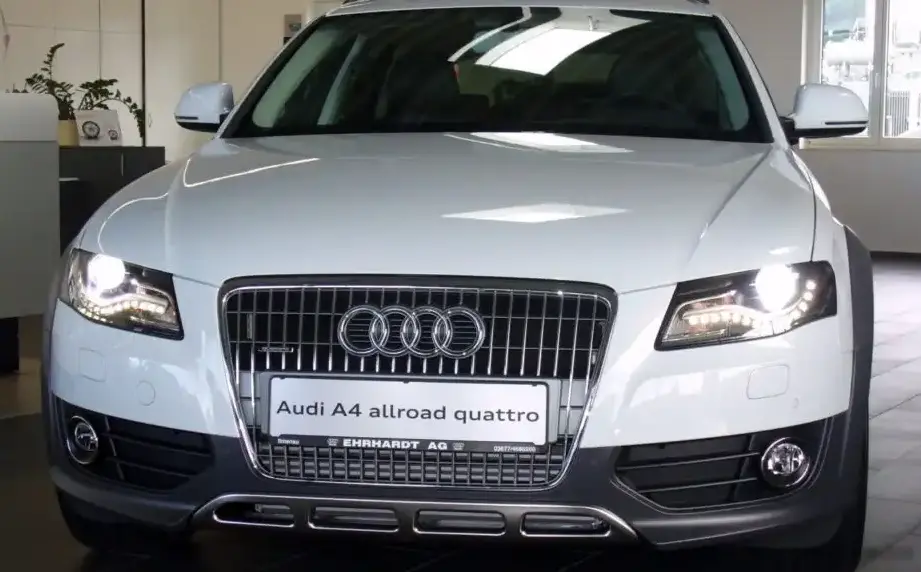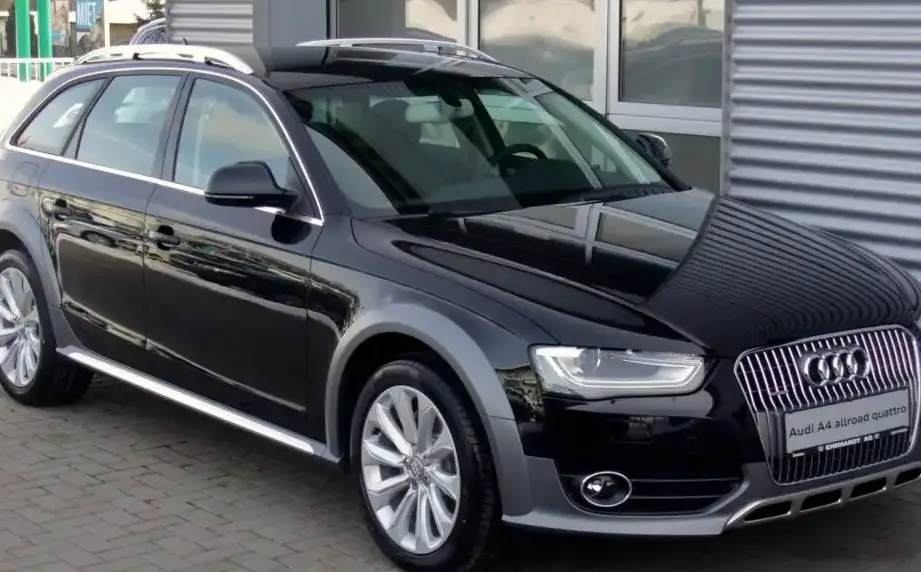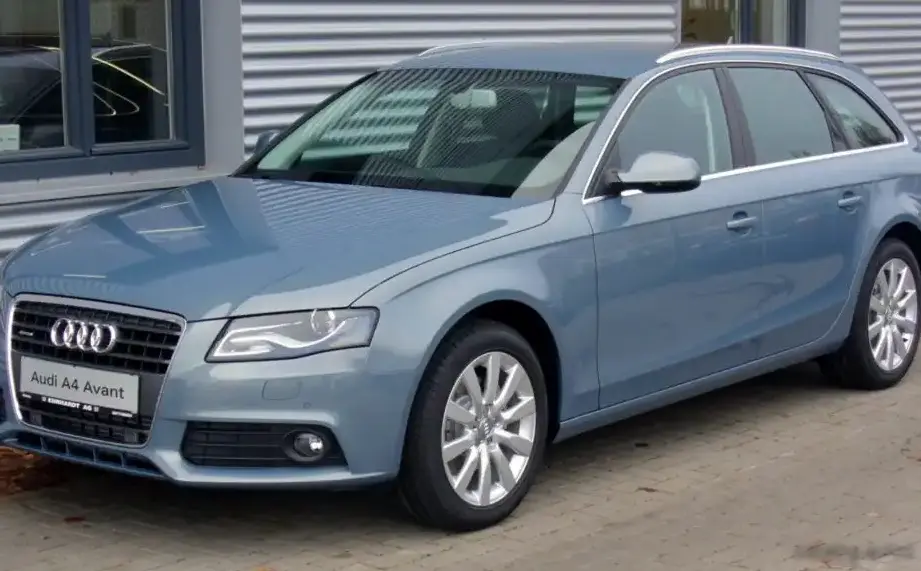
The Audi A4 Avant (B8 8K) 3.2 FSI V6 quattro, produced between 2008 and 2011, represented a high-performance variant within the fourth generation (B8) of Audi’s popular A4 line. Positioned as a premium offering, this model combined the practicality of a station wagon (estate) body style with a potent, naturally aspirated V6 engine and Audi’s renowned quattro all-wheel-drive system. It sat at the top of the performance spectrum for the B8 Avant range, offering a significant step up in power and driving experience compared to the more common 1.8 TFSI and 2.0 TDI models. The B8 generation A4, built on the Volkswagen Group’s B8 platform (shared with models like the Volkswagen Passat and Škoda Superb), aimed to refine the A4’s blend of comfort, technology, and driving dynamics.
Technical Specifications
| Brand | Audi |
| Model | A4 |
| Generation | A4 Avant (B8 8K) |
| Type (Engine) | 3.2 FSI V6 (265 Hp) quattro |
| Start of production | 2008 |
| End of production | 2011 |
| Powertrain Architecture | Internal Combustion engine |
| Body type | Station wagon (estate) |
| Seats | 5 |
| Doors | 5 |
| Fuel consumption (urban) | 13 l/100 km (18.1 US mpg, 21.7 UK mpg, 7.7 km/l) |
| Fuel consumption (extra urban) | 6.8 l/100 km (34.6 US mpg, 41.5 UK mpg, 14.7 km/l) |
| Fuel consumption (combined) | 9.1 l/100 km (25.8 US mpg, 31 UK mpg, 11 km/l) |
| CO2 emissions | 216 g/km |
| Fuel Type | Petrol (Gasoline) |
| Acceleration 0 – 100 km/h | 6.4 sec |
| Acceleration 0 – 62 mph | 6.4 sec |
| Acceleration 0 – 60 mph | 6.1 sec |
| Maximum speed | 250 km/h (155.34 mph) |
| Emission standard | Euro 4 |
| Weight-to-power ratio | 6.2 kg/Hp, 162.6 Hp/tonne |
| Weight-to-torque ratio | 4.9 kg/Nm, 202.5 Nm/tonne |
| Power | 265 Hp @ 6500 rpm |
| Power per litre | 82.9 Hp/l |
| Torque | 330 Nm @ 3000-5000 rpm (243.4 lb.-ft. @ 3000-5000 rpm) |
| Engine layout | Front, Longitudinal |
| Engine Model/Code | EA390 / CALA |
| Engine displacement | 3197 cm3 (195.09 cu. in.) |
| Number of cylinders | 6 |
| Engine configuration | V-engine |
| Cylinder Bore | 85.5 mm (3.37 in.) |
| Piston Stroke | 92.8 mm (3.65 in.) |
| Compression ratio | 12.5:1 |
| Number of valves per cylinder | 4 |
| Fuel injection system | Direct injection |
| Engine aspiration | Naturally aspirated engine |
| Valvetrain | DOHC |
| Engine oil capacity | 6.2 l (6.55 US qt | 5.46 UK qt) |
| Coolant | 9 l (9.51 US qt | 7.92 UK qt) |
| Kerb Weight | 1630 kg (3593.53 lbs.) |
| Max. weight | 2200 kg (4850.17 lbs.) |
| Max load | 570 kg (1256.63 lbs.) |
| Trunk (boot) space – minimum | 490 l (17.3 cu. ft.) |
| Trunk (boot) space – maximum | 1430 l (50.5 cu. ft.) |
| Fuel tank capacity | 64 l (16.91 US gal | 14.08 UK gal) |
| Max. roof load | 90 kg (198.42 lbs.) |
| Permitted trailer load with brakes (8%) | 2100 kg (4629.71 lbs.) |
| Permitted trailer load with brakes (12%) | 1900 kg (4188.78 lbs.) |
| Permitted trailer load without brakes | 750 kg (1653.47 lbs.) |
| Permitted towbar download | 80 kg (176.37 lbs.) |
| Length | 4703 mm (185.16 in.) |
| Width | 1826 mm (71.89 in.) |
| Height | 1436 mm (56.54 in.) |
| Wheelbase | 2808 mm (110.55 in.) |
| Front track | 1564 mm (61.57 in.) |
| Rear (Back) track | 1551 mm (61.06 in.) |
| Drag coefficient (Cd) | 0.325 |
| Minimum turning circle (turning diameter) | 11.5 m (37.73 ft.) |
| Drivetrain Architecture | The Internal combustion engine (ICE) drives permanently the four wheels of the vehicle. |
| Drive wheel | All wheel drive (4×4) |
| Number of gears and type of gearbox | 6 gears, manual transmission |
| Front suspension | Independent multi-link suspension |
| Rear suspension | Independent multi-link spring suspension with stabilizer |
| Front brakes | Ventilated discs |
| Rear brakes | Disc |
| Assisting systems | ABS (Anti-lock braking system) |
| Steering type | Steering rack and pinion |
| Power steering | Electric Steering |
| Tires size | 225/50 R16 |
| Wheel rims size | 7.5J x 16 |
Powertrain & Engine Architecture
The heart of the A4 Avant 3.2 FSI quattro is the EA390 engine, specifically the CALA code variant. This 3.2-liter, naturally aspirated V6 engine utilizes direct fuel injection (FSI – Fuel Stratified Injection) to enhance efficiency and power output. The engine produces 265 horsepower at 6500 rpm and 330 Nm (243 lb-ft) of torque between 3000 and 5000 rpm. The FSI system injects fuel directly into the combustion chamber, allowing for precise control of the air-fuel mixture and improved combustion efficiency. The engine features a double overhead camshaft (DOHC) valvetrain with four valves per cylinder, contributing to its high-revving nature. The engine is longitudinally mounted, driving all four wheels through Audi’s quattro all-wheel-drive system. The standard transmission for this variant was a 6-speed manual, although a 6-speed Tiptronic automatic transmission was also available as an option.
Driving Characteristics
The 3.2 FSI V6 quattro Avant offered a distinctly engaging driving experience. Acceleration from 0 to 60 mph took approximately 6.1 seconds, making it one of the quicker wagons available at the time. The naturally aspirated V6 delivered a linear power delivery, with strong torque available throughout the rev range. The quattro all-wheel-drive system provided excellent traction in all weather conditions, enhancing stability and confidence. Compared to the 1.8 TFSI models, the 3.2 FSI offered significantly more power and a more refined engine note. While the 2.0 TDI provided better fuel economy, it lacked the V6’s responsiveness and overall performance. The manual transmission offered precise shifts, while the Tiptronic automatic provided smooth and convenient gear changes.
Equipment & Trim Levels
The A4 Avant 3.2 FSI quattro typically came well-equipped, reflecting its position as a premium model. Standard features included leather upholstery, three-zone automatic climate control, a premium audio system, and 17-inch alloy wheels. Optional extras included navigation system, sunroof, advanced parking systems, and upgraded interior trim options. The interior design was typically understated and elegant, with a focus on quality materials and build quality. The dashboard layout was driver-focused, with clear and intuitive controls.
Chassis & Braking
The B8 A4 Avant featured an independent multi-link suspension system at both the front and rear, providing a comfortable yet controlled ride. The quattro all-wheel-drive system distributed power between the front and rear axles as needed, optimizing traction and handling. Brakes consisted of ventilated discs at the front and solid discs at the rear, providing ample stopping power. Anti-lock braking system (ABS) was standard, enhancing safety and stability during emergency braking.
Market Reception & Comparison
The Audi A4 Avant 3.2 FSI quattro was generally well-received by automotive critics. It was praised for its powerful engine, refined handling, and practical station wagon body style. However, its relatively high price and fuel consumption were noted as potential drawbacks. Compared to rivals like the BMW 3 Series Touring and Mercedes-Benz C-Class Estate, the A4 Avant offered a compelling combination of performance, luxury, and practicality. The 3.2 FSI engine, while offering strong performance, was less fuel-efficient than the turbocharged four-cylinder engines offered by its competitors.
Legacy
The EA390 3.2 FSI V6 engine, while not without its quirks, proved to be a relatively reliable powertrain when properly maintained. Common issues included carbon buildup on the intake valves (a characteristic of direct injection engines) and occasional oil leaks. Today, the A4 Avant 3.2 FSI quattro represents a desirable option for enthusiasts seeking a performance-oriented station wagon. Its combination of power, practicality, and all-wheel-drive capability continues to appeal to drivers who value a rewarding driving experience. Well-maintained examples command a premium in the used car market, reflecting their relative rarity and enduring appeal.