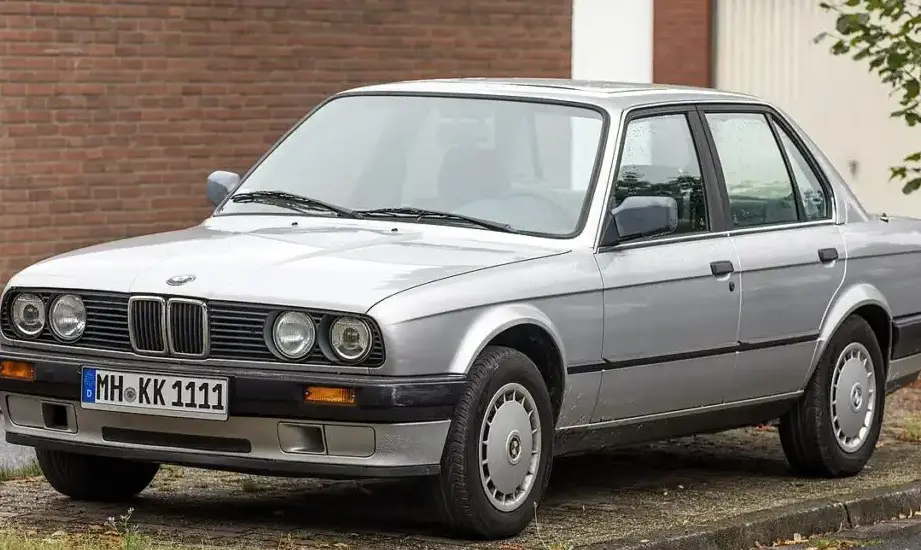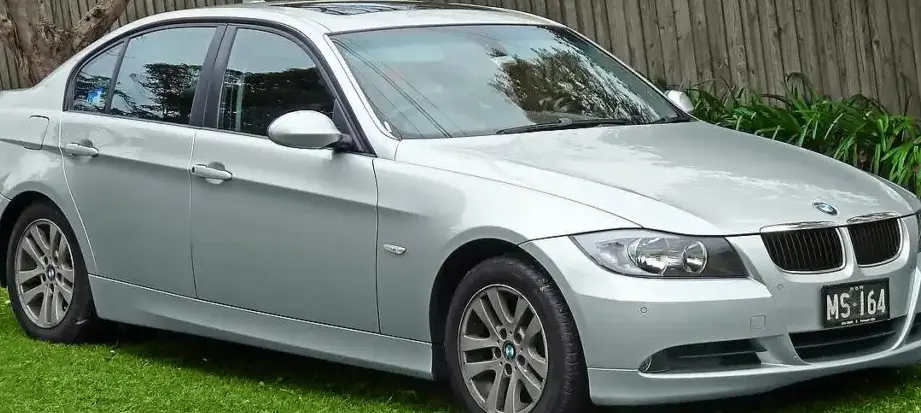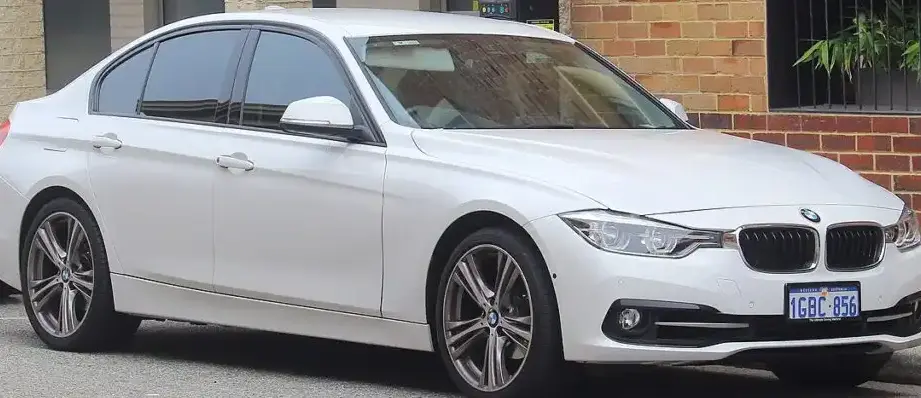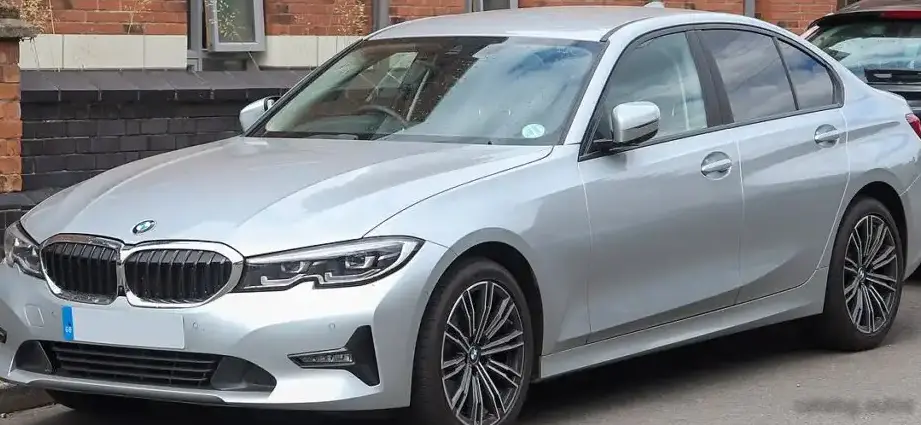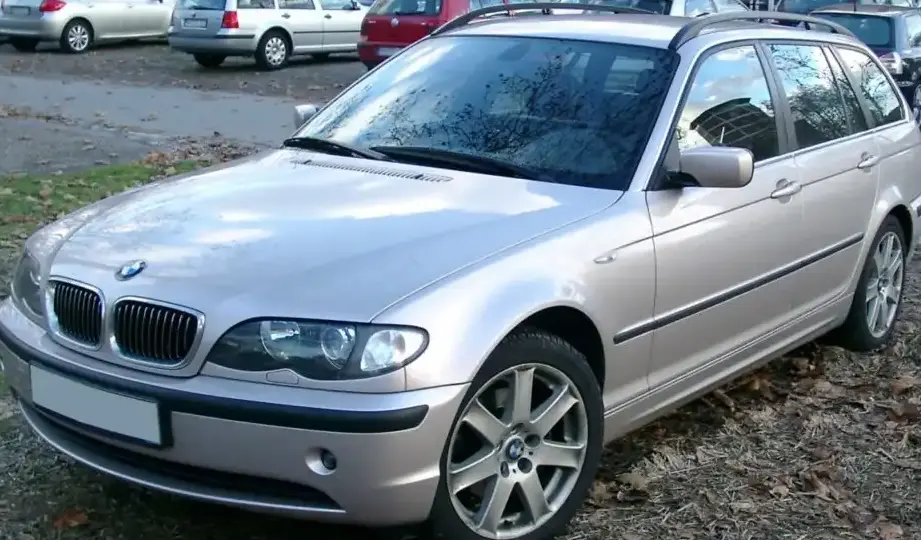
The BMW 3 Series Touring (E46) facelift 316i, produced from 2001 to 2005, represents an entry point into the E46 wagon lineup. Positioned as a more economical and accessible option, it offered the practicality of the Touring body style with a focus on fuel efficiency and reasonable performance. This variant played a significant role in broadening the appeal of the E46 platform, particularly in European markets where station wagons, or “Tourings” as BMW calls them, were highly popular. The 316i utilized the N42B18 engine, a four-cylinder powerplant designed to balance cost-effectiveness with BMW’s established standards for driving dynamics.
Technical Specifications
| Brand | BMW |
| Model | 3 Series |
| Generation | 3 Series Touring (E46, facelift 2001) |
| Type (Engine) | 316i (116 Hp) |
| Start of production | 2001 |
| End of production | 2005 |
| Powertrain Architecture | Internal Combustion engine |
| Body type | Station wagon (estate) |
| Seats | 5 |
| Doors | 5 |
| Fuel consumption (urban) | 10.3 l/100 km (22.8 US mpg, 27.4 UK mpg, 9.7 km/l) |
| Fuel consumption (extra urban) | 5.6 l/100 km (42 US mpg, 50.4 UK mpg, 17.9 km/l) |
| Fuel consumption (combined) | 7.3 l/100 km (32.2 US mpg, 38.7 UK mpg, 13.7 km/l) |
| Fuel Type | Petrol (Gasoline) |
| Acceleration 0 – 100 km/h | 11.2 sec |
| Acceleration 0 – 62 mph | 11.2 sec |
| Acceleration 0 – 60 mph | 10.6 sec |
| Maximum speed | 200 km/h (124.27 mph) |
| Weight-to-power ratio | 12 kg/Hp, 83.2 Hp/tonne |
| Weight-to-torque ratio | 8 kg/Nm, 125.4 Nm/tonne |
| Power | 116 Hp @ 5500 rpm |
| Power per litre | 64.6 Hp/l |
| Torque | 175 Nm @ 3750 rpm (129.07 lb.-ft. @ 3750 rpm) |
| Engine layout | Front, Longitudinal |
| Engine Model/Code | N42B18 |
| Engine displacement | 1796 cm3 (109.6 cu. in.) |
| Number of cylinders | 4 |
| Engine configuration | Inline |
| Cylinder Bore | 84 mm (3.31 in.) |
| Piston Stroke | 81 mm (3.19 in.) |
| Compression ratio | 10.5:1 |
| Number of valves per cylinder | 4 |
| Fuel injection system | Multi-port manifold injection |
| Engine aspiration | Naturally aspirated engine |
| Valvetrain | DOHC |
| Engine oil capacity | 4.25 l (4.49 US qt | 3.74 UK qt) |
| Coolant | 7.5 l (7.93 US qt | 6.6 UK qt) |
| Kerb Weight | 1395 kg (3075.45 lbs.) |
| Max. weight | 1935 kg (4265.94 lbs.) |
| Max load | 540 kg (1190.5 lbs.) |
| Trunk (boot) space – minimum | 435 l (15.36 cu. ft.) |
| Trunk (boot) space – maximum | 1345 l (47.5 cu. ft.) |
| Fuel tank capacity | 63 l (16.64 US gal | 13.86 UK gal) |
| Length | 4480 mm (176.38 in.) |
| Width | 1740 mm (68.5 in.) |
| Height | 1410 mm (55.51 in.) |
| Wheelbase | 2725 mm (107.28 in.) |
| Front track | 1470 mm (57.87 in.) |
| Rear (Back) track | 1485 mm (58.46 in.) |
| Drivetrain Architecture | Rear wheel drive |
| Drive wheel | Rear wheel drive |
| Number of gears and type of gearbox | 5 gears, manual transmission |
| Front suspension | Wishbone |
| Rear suspension | Coil spring |
| Front brakes | Ventilated discs |
| Rear brakes | Disc |
| Assisting systems | ABS (Anti-lock braking system) |
| Steering type | Steering rack and pinion |
| Power steering | Hydraulic Steering |
| Tires size | 205/55 R16 |
| Wheel rims size | 6.5J x 16 |
Powertrain & Engine Architecture
The heart of the 316i Touring is the N42B18, a 1.8-liter inline-four cylinder engine. This engine is a member of BMW’s N42 family, known for its lightweight construction and relatively high specific output. It features a double overhead camshaft (DOHC) valvetrain with four valves per cylinder, and utilizes a multi-port fuel injection system. The N42 engine was designed to meet increasingly stringent emissions regulations, incorporating features like a catalytic converter and oxygen sensors. The 1796cc displacement is achieved with a bore of 84mm and a stroke of 81mm. The engine produces 116 horsepower at 5500 rpm and 175 Nm (129 lb-ft) of torque at 3750 rpm. The engine is longitudinally mounted, driving the rear wheels. The standard transmission for this variant was a 5-speed manual, though a 5-speed automatic transmission was also available, impacting performance and fuel economy.
Driving Characteristics
The 316i Touring with the N42B18 engine and manual transmission offered a balanced driving experience. While not overtly powerful, the engine provided adequate acceleration for everyday driving, achieving 0-60 mph in approximately 10.6 seconds. The rear-wheel-drive configuration contributed to BMW’s signature handling characteristics, providing a responsive and engaging feel. The automatic transmission, while offering convenience, noticeably dulled acceleration and reduced fuel efficiency. The gear ratios were tuned for economy rather than outright performance. Compared to the more powerful 320i or 325i/330i models, the 316i felt less urgent, but its lighter weight and efficient engine made it a pleasant and economical choice for daily commuting and longer journeys.
Equipment & Trim Levels
The 316i Touring typically came equipped with a reasonable level of standard features. This included power windows, central locking, an anti-lock braking system (ABS), and a basic audio system. Interior upholstery was typically cloth, with options for leather available at an extra cost. Trim levels varied depending on the market, but generally offered packages that added features like alloy wheels, upgraded audio systems, sunroofs, and climate control. The base trim was fairly spartan, focusing on functionality, while higher trims offered more comfort and convenience features. Optional extras included parking sensors, heated seats, and a navigation system.
Chassis & Braking
The E46 Touring chassis featured a MacPherson strut front suspension and a multi-link rear suspension, providing a good balance of ride comfort and handling precision. The 316i typically used ventilated disc brakes at the front and solid disc brakes at the rear. ABS was standard, enhancing braking performance and stability. Stabilizer bars were fitted front and rear to reduce body roll during cornering. The suspension tuning was generally softer than that of the higher-performance models, prioritizing ride comfort over ultimate handling prowess. The steering was a hydraulic rack-and-pinion system, providing precise and responsive steering feel.
Market Reception & Comparison
The 316i Touring was generally well-received as an affordable and practical entry point into the E46 Touring range. Critics praised its fuel efficiency and comfortable ride, but noted its lack of outright performance compared to its more powerful siblings. Compared to the 320i, the 316i offered lower running costs but sacrificed acceleration and overall driving excitement. The 316i was often seen as a sensible choice for families or individuals who prioritized practicality and economy over performance. Its fuel economy figures of around 32.2 US mpg combined were competitive for its class.
Legacy
The N42B18 engine, while generally reliable, is known to be susceptible to certain issues, including oil leaks and cooling system problems. Regular maintenance, including timely oil changes and coolant flushes, is crucial for ensuring its longevity. The E46 Touring 316i remains a popular choice in the used car market, particularly for those seeking a practical and affordable BMW wagon. Its relatively simple mechanicals and readily available parts make it a relatively easy car to maintain. However, potential buyers should be aware of the common issues associated with the N42 engine and ensure a thorough inspection before purchase. The E46 Touring, in general, is considered a well-built and durable vehicle, and the 316i variant continues to offer a compelling combination of practicality, economy, and BMW driving dynamics.