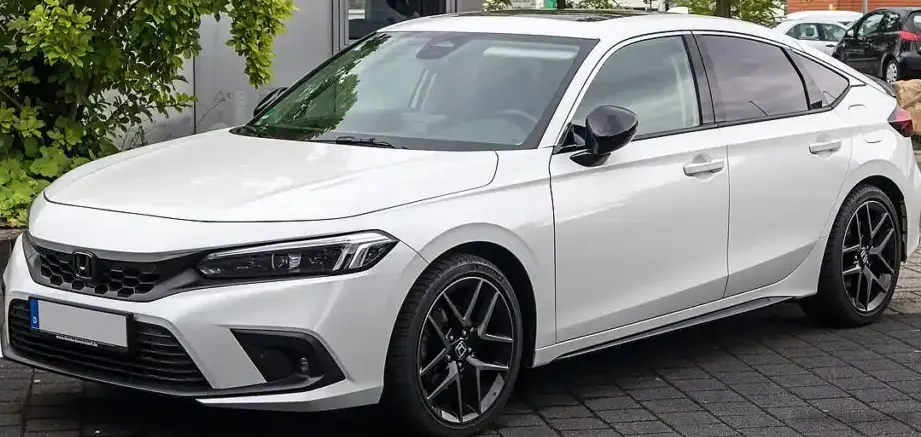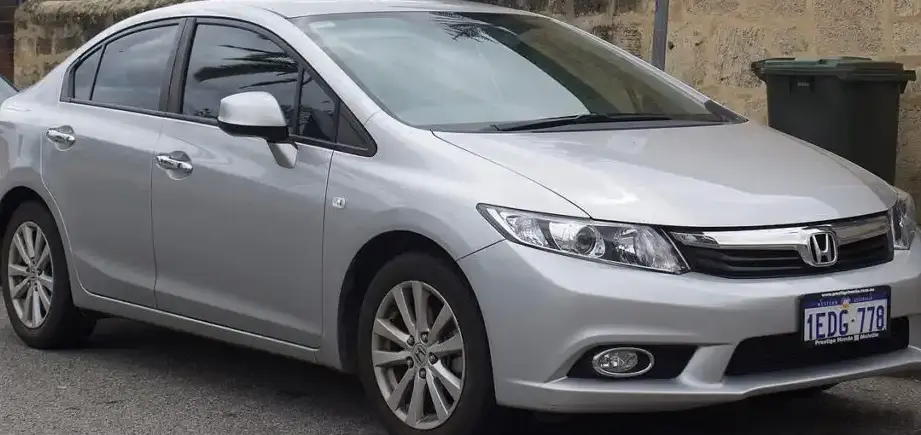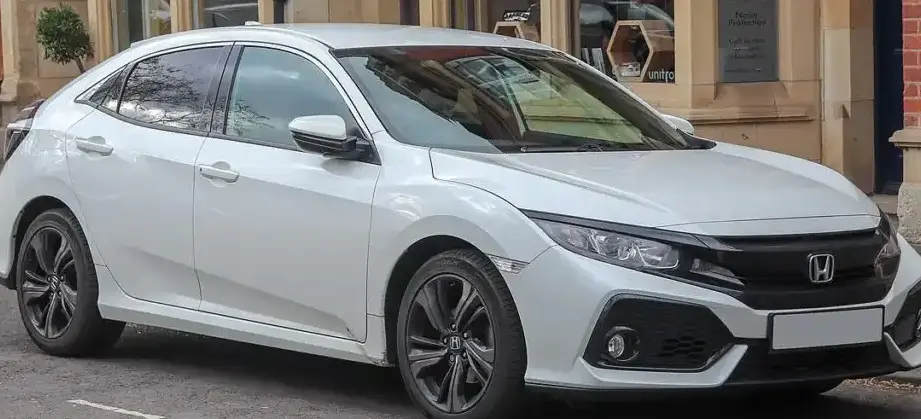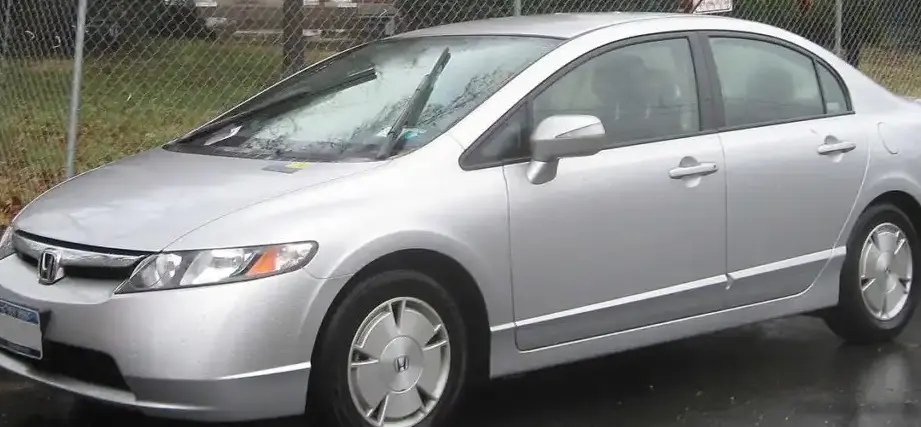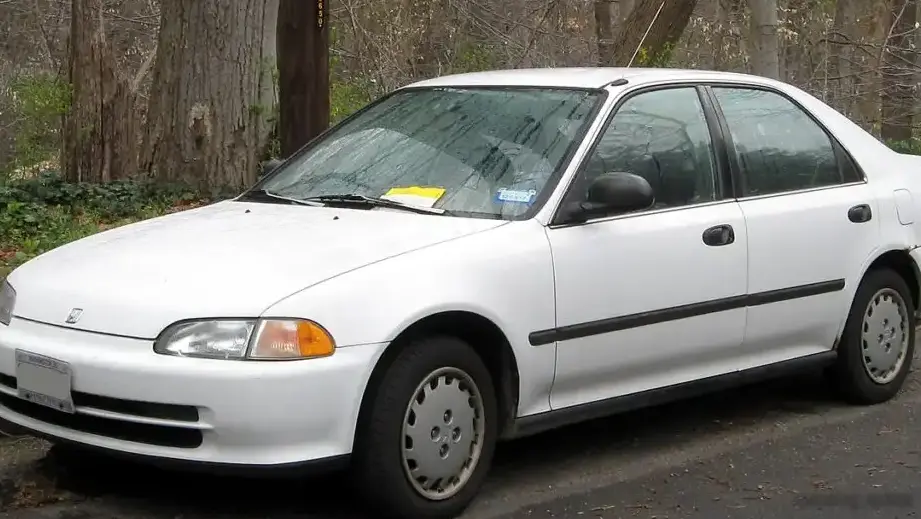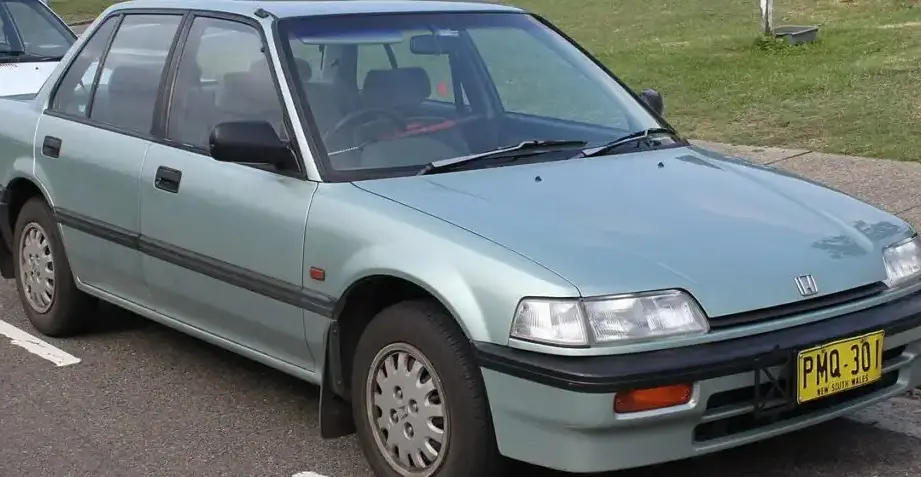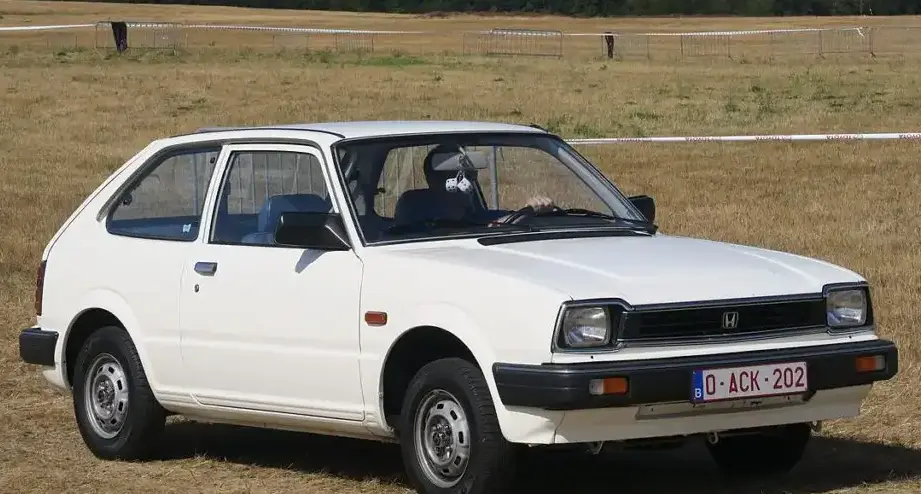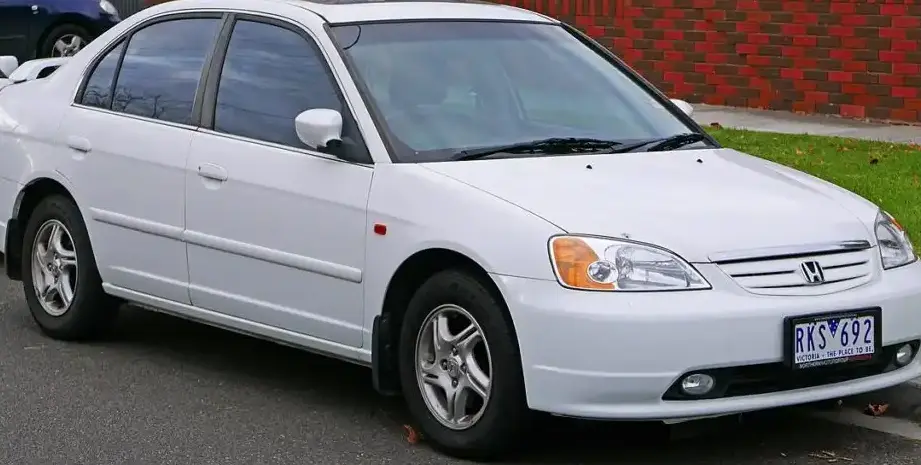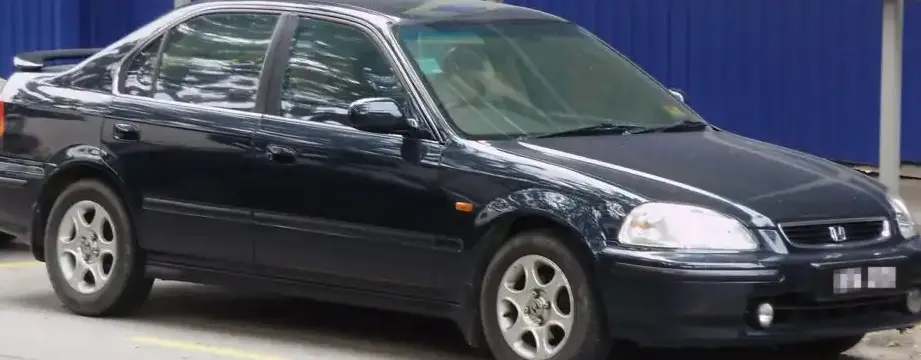
The Honda Civic VI 1.6 i VTEC (125 hp) represents a significant iteration within the sixth generation of Honda’s globally successful Civic line, produced from 1995 to 2001. This particular variant, characterized by its 1.6-liter inline-four engine featuring Honda’s Variable Valve Timing and Lift Electronic Control (VTEC) technology, occupied a middle ground in the Civic VI lineup, offering a balance between performance and fuel efficiency. It was primarily aimed at buyers seeking a more engaging driving experience than the base models, without the higher costs associated with the sportier Si or Type R trims. The Civic VI, built upon the EG/EH chassis platform, was a pivotal model for Honda, solidifying its reputation for reliability, practicality, and technological innovation in the compact car segment.
Technical Specifications
| Brand | Honda |
| Model | Civic |
| Generation | Civic VI |
| Type (Engine) | 1.6 i VTEC (125 Hp) |
| Start of production | 1995 |
| End of production | 2001 |
| Powertrain Architecture | Internal Combustion Engine |
| Body Type | Sedan |
| Fuel Type | Petrol (Gasoline) |
| Power | 125 Hp |
| Engine Aspiration | Naturally Aspirated |
| Engine Oil Capacity | 3.3 l / 3.49 US qt / 2.9 UK qt |
Powertrain & Engine Architecture
The heart of the Civic VI 1.6 i VTEC is the SOHC 16-valve inline-four cylinder engine, designated as part of the D16 series – specifically, the D16Y8. This engine boasts a displacement of 1.6 liters (1586 cc). The key feature is Honda’s VTEC system, which utilizes two camshaft profiles. At lower engine speeds, a mild camshaft profile provides good fuel economy and drivability. Above a predetermined RPM threshold (typically around 5,500 rpm), a solenoid engages, switching to a more aggressive camshaft profile, increasing valve lift and duration for enhanced high-end power. This system delivers a noticeable boost in performance without sacrificing efficiency. The D16Y8 engine employs multi-point fuel injection, contributing to cleaner emissions and improved throttle response. The engine’s architecture is relatively simple and robust, contributing to its renowned reliability. The engine typically paired with either a 5-speed manual transmission or a 4-speed automatic transmission. The automatic transmission, while offering convenience, was geared more towards fuel economy than outright performance.
Driving Characteristics
The 125 hp output of the 1.6 i VTEC engine provides a respectable level of performance for a compact sedan of its era. The VTEC transition is noticeable, providing a surge of power in the upper RPM range. However, the automatic transmission, while smooth, does diminish the overall driving experience compared to the manual counterpart. Gear ratios are optimized for fuel efficiency, meaning the engine can feel somewhat strained during aggressive acceleration. The 0-60 mph time is estimated to be around 9-10 seconds, which was competitive for its class at the time. Compared to the base 1.5-liter Civic models, the 1.6 i VTEC offers significantly more power and a more engaging driving experience. However, it falls short of the performance offered by the Civic Si, which featured a more powerful engine and a closer-ratio manual transmission. The suspension, while comfortable for everyday driving, is not particularly sporty, resulting in some body roll during cornering.
Equipment & Trim Levels
The Civic VI 1.6 i VTEC typically came equipped with a reasonable level of standard features. These included power steering, air conditioning, a basic audio system, and cloth upholstery. Depending on the specific market and optional packages, features like power windows, power locks, and a sunroof were available. Interior trim levels varied, with higher trims offering upgraded upholstery and additional convenience features. The dashboard layout is functional and straightforward, prioritizing ease of use. The 1.6 i VTEC trim often served as a stepping stone for buyers who wanted more than the base model but weren’t willing to pay the premium for the Si or Type R. Optional extras included alloy wheels, upgraded sound systems, and various cosmetic enhancements.
Chassis & Braking
The Civic VI utilizes a MacPherson strut front suspension and a torsion beam rear suspension. This setup provides a good balance between ride comfort and handling. The front brakes are typically disc brakes, while the rear brakes are often drum brakes, particularly on lower trim levels. Stabilizer bars are present on both the front and rear axles, helping to reduce body roll. The chassis is relatively lightweight, contributing to the car’s nimble handling characteristics. The braking system is adequate for everyday driving, but it lacks the stopping power of more modern vehicles. The suspension components are generally durable and reliable, but they may require replacement after extended use.
Market Reception & Comparison
The Civic VI 1.6 i VTEC was generally well-received by automotive critics. It was praised for its reliability, fuel efficiency, and engaging driving experience. The VTEC engine was a particular highlight, offering a unique blend of performance and economy. However, some critics noted that the automatic transmission detracted from the overall driving experience. Compared to competitors like the Toyota Corolla and Nissan Sentra, the Civic VI offered a more sporty and refined driving experience. Fuel economy was competitive, typically ranging from 28-32 mpg in combined driving conditions. Reliability was a major selling point, with the Civic VI consistently ranking highly in consumer reports. The 1.6 i VTEC variant offered a compelling alternative to the base models, providing a noticeable performance upgrade without a significant price increase.
Legacy
The Honda Civic VI 1.6 i VTEC has proven to be a remarkably durable and reliable vehicle. Many examples are still on the road today, a testament to Honda’s engineering prowess. The D16Y8 engine is known for its longevity and relatively low maintenance costs. In the used car market, the Civic VI 1.6 i VTEC remains a popular choice for budget-conscious buyers seeking a reliable and fuel-efficient compact car. While not as sought after as the Si or Type R models, the 1.6 i VTEC offers a good balance of performance, practicality, and affordability. The VTEC technology introduced in this generation of Civic helped to establish Honda as a leader in engine technology and continues to influence engine design today. The Civic VI, and particularly the 1.6 i VTEC variant, holds a significant place in automotive history as a benchmark for compact car design and engineering.