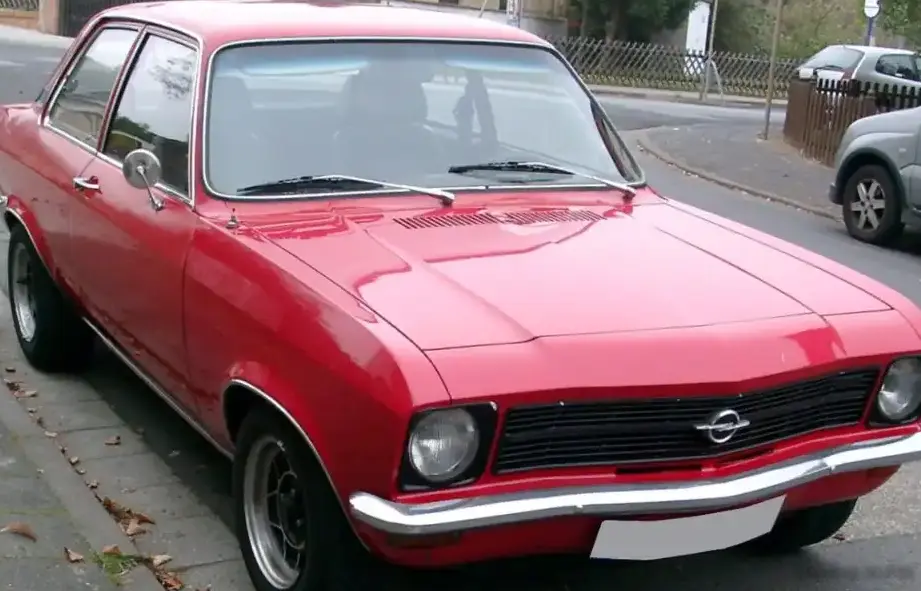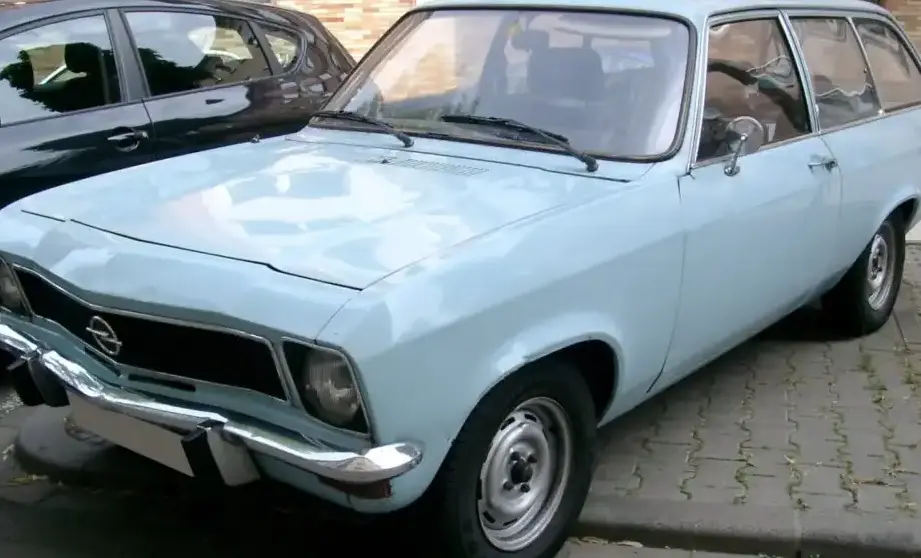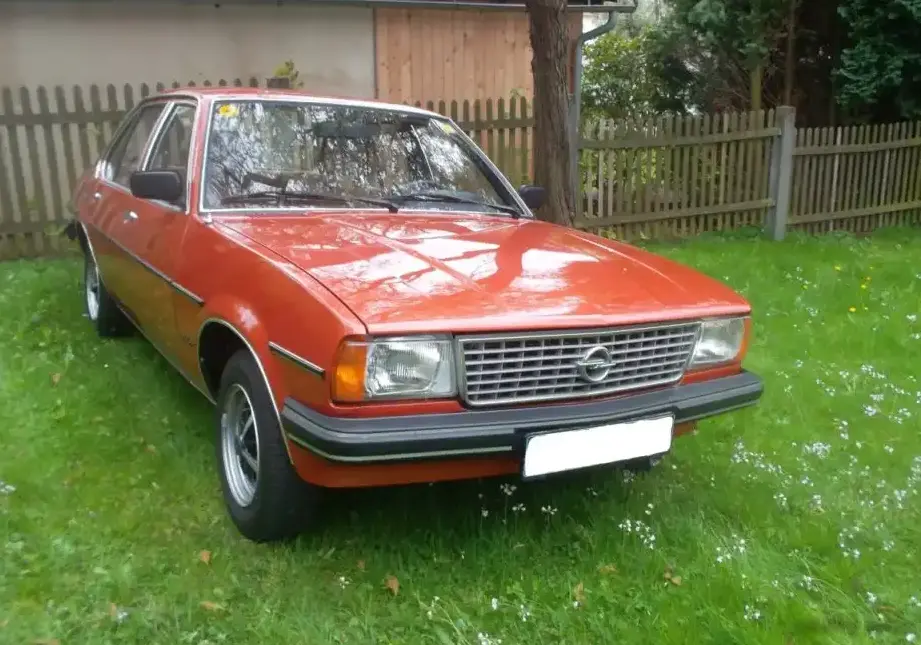
The Opel Ascona B, particularly the 400 2.4 variant produced from 1980 to 1981, represented a significant step forward for Opel’s mid-size offerings. This facelifted version of the Ascona B (internally designated the 1HX0) aimed to provide a more refined and powerful alternative within the competitive European market. Positioned as a near-premium offering, the 400 2.4 was the top-of-the-line Ascona B, boasting the largest engine and highest performance figures available in the range. It served as a direct competitor to vehicles like the Ford Taunus and Volkswagen Passat, appealing to drivers seeking a blend of comfort, performance, and practicality.
Technical Specifications
| Brand | Opel |
| Model | Ascona |
| Generation | Ascona B (facelift 1979) |
| Type (Engine) | 400 2.4 (144 Hp) |
| Start of production | 1980 |
| End of production | 1981 |
| Powertrain Architecture | Internal Combustion engine |
| Body type | Sedan |
| Seats | 4 |
| Doors | 2 |
| Fuel Type | Petrol (Gasoline) |
| Acceleration 0 – 100 km/h | 7.6 sec |
| Acceleration 0 – 62 mph | 7.6 sec |
| Acceleration 0 – 60 mph | 7.2 sec |
| Maximum speed | 200 km/h (124.27 mph) |
| Weight-to-power ratio | 7.2 kg/Hp, 139.8 Hp/tonne |
| Weight-to-torque ratio | 4.9 kg/Nm, 203.9 Nm/tonne |
| Power | 144 Hp @ 5200 rpm |
| Power per litre | 59.8 Hp/l |
| Torque | 210 Nm @ 3800 rpm (154.89 lb.-ft. @ 3800 rpm) |
| Engine displacement | 2410 cm3 (147.07 cu. in.) |
| Number of cylinders | 4 |
| Engine configuration | Inline |
| Cylinder Bore | 95 mm (3.74 in.) |
| Piston Stroke | 85 mm (3.35 in.) |
| Compression ratio | 9.7:1 |
| Number of valves per cylinder | 4 |
| Fuel injection system | Multi-port manifold injection |
| Engine aspiration | Naturally aspirated engine |
| Valvetrain | DOHC |
| Kerb Weight | 1030 kg (2270.76 lbs.) |
| Trunk (boot) space – minimum | 380 l (13.42 cu. ft.) |
| Fuel tank capacity | 50 l (13.21 US gal | 11 UK gal) |
| Length | 4321 mm (170.12 in.) |
| Width | 1670 mm (65.75 in.) |
| Height | 1380 mm (54.33 in.) |
| Wheelbase | 2518 mm (99.13 in.) |
| Front track | 1374 mm (54.09 in.) |
| Rear (Back) track | 1374 mm (54.09 in.) |
| Ride height (ground clearance) | 130 mm (5.12 in.) |
| Drag coefficient (Cd) | 0.46 |
| Drivetrain Architecture | The Internal combustion engine (ICE) drives the rear wheels of the vehicle. |
| Drive wheel | Rear wheel drive |
| Number of gears and type of gearbox | 5 gears, manual transmission |
| Front brakes | Ventilated discs |
| Rear brakes | Disc |
| Tires size | 195/60 R14 |
| Wheel rims size | 14 |
Powertrain & Engine Architecture
The heart of the Ascona 400 2.4 was its 2.4-liter inline-four cylinder engine. This engine, internally known under various codes depending on the specific market, was a significant upgrade over the smaller displacement engines offered in the Ascona B range. It featured a dual overhead camshaft (DOHC) valvetrain, operating four valves per cylinder, which contributed to its relatively high output for the time. The engine utilized Bosch multi-port fuel injection, a sophisticated system for the early 1980s, ensuring precise fuel delivery and contributing to improved efficiency and reduced emissions. The 5-speed manual transmission was the only gearbox option available with this engine, designed to handle the increased torque and allow for spirited driving. The engine’s robust construction and relatively simple design made it fairly reliable, although regular maintenance was crucial.
Driving Characteristics
The Ascona 400 2.4 offered a noticeably more engaging driving experience compared to its lower-powered siblings. The 144 horsepower and 155 lb-ft of torque provided brisk acceleration, with a 0-60 mph time of around 7.2 seconds – respectable performance for a family sedan of that era. The five-speed manual transmission allowed drivers to keep the engine in its optimal power band, delivering strong pull throughout the rev range. While not a sports car, the Ascona 400 2.4 offered a good balance of performance and comfort, making it suitable for both daily commuting and longer journeys. The rear-wheel-drive configuration provided a more traditional driving feel, favored by enthusiasts.
Equipment & Trim Levels
As the top-of-the-line Ascona B, the 400 2.4 came reasonably well-equipped, although options were still available. Standard features typically included cloth upholstery, a basic radio, and heated rear window. Higher trim levels offered upgrades such as upgraded cloth or vinyl upholstery, a more sophisticated radio with additional speakers, and optional features like power windows and central locking. The interior design was functional and relatively understated, reflecting the car’s focus on practicality and value. The dashboard layout was straightforward, with clearly marked gauges and controls.
Chassis & Braking
The Ascona B utilized a traditional body-on-frame construction, providing a robust and durable chassis. The suspension consisted of independent front suspension with MacPherson struts and a live rear axle with trailing arms. This setup provided a comfortable ride, although it wasn’t as refined as more modern independent rear suspension systems. The 400 2.4 featured ventilated disc brakes at the front and disc brakes at the rear, providing adequate stopping power for its performance level. The steering was a recirculating ball system, offering a reasonably direct feel, although it lacked the precision of rack-and-pinion steering.
Market Reception & Comparison
The Ascona 400 2.4 was generally well-received by automotive critics, who praised its performance, handling, and value for money. It was seen as a more sophisticated and refined alternative to some of its competitors, such as the Ford Taunus. However, some critics noted that the interior was somewhat dated compared to newer models. Compared to the lower-powered Ascona variants, the 400 2.4 offered a significant performance boost, but it also came with a higher price tag and slightly increased fuel consumption. The 1.6 and 1.8-liter versions were more economical and affordable, appealing to a broader range of buyers, while the 400 2.4 targeted those who prioritized performance and driving enjoyment.
Legacy
The Opel Ascona B 400 2.4, while not a hugely popular model in terms of overall sales, has gained a following among classic car enthusiasts. The engine is known for its durability and relatively simple maintenance requirements, making it a popular choice for restoration projects. Today, well-maintained examples of the Ascona 400 2.4 are becoming increasingly collectible, representing a piece of automotive history from a bygone era. The car’s blend of performance, practicality, and classic styling continues to appeal to those seeking a unique and rewarding driving experience. Finding parts can be a challenge, but a dedicated community and aftermarket support help keep these cars on the road.