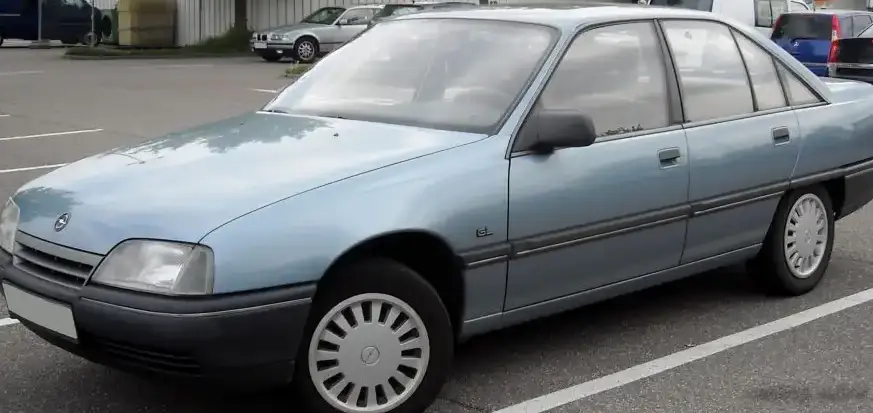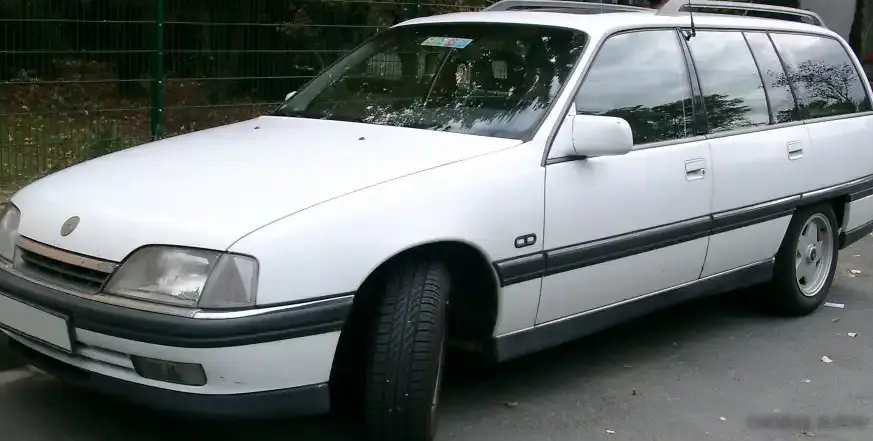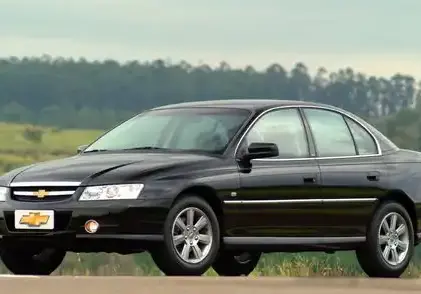
The Chevrolet Omega VT 3.8 i V6 Automatic, produced between 1998 and 2005, represented a significant offering in the large, rear-wheel-drive sedan segment, primarily targeted at the Brazilian and South American markets. Positioned as a premium variant within the VT Omega range, it offered a blend of performance and comfort not typically found in its price bracket. The VT series, introduced as a substantial update to the previous Omega A, benefited from revised styling, improved interior appointments, and, crucially, a more powerful engine option with the 3.8-liter V6. This model played a key role in establishing the Omega as a flagship vehicle for Chevrolet in those regions, competing with models like the Ford Versailles and Volkswagen Passat.
Technical Specifications
| Brand | Chevrolet |
| Model | Omega |
| Generation | Omega (VT) |
| Type (Engine) | 3.8 i V6 (200 Hp) Automatic |
| Start of production | 1998 |
| End of production | 2005 |
| Powertrain Architecture | Internal Combustion engine |
| Body type | Sedan |
| Seats | 5 |
| Doors | 4 |
| Fuel consumption (urban) | 13.5 l/100 km (17.4 US mpg) |
| Fuel consumption (extra urban) | 8.1 l/100 km (29 US mpg) |
| Fuel Type | Petrol (Gasoline) |
| Acceleration 0 – 100 km/h | 10 sec |
| Acceleration 0 – 62 mph | 10 sec |
| Acceleration 0 – 60 mph | 9.5 sec |
| Maximum speed | 216 km/h (134.22 mph) |
| Weight-to-power ratio | 8.2 kg/Hp |
| Weight-to-torque ratio | 5.4 kg/Nm |
| Power | 200 Hp @ 5200 rpm |
| Power per litre | 52.8 Hp/l |
| Torque | 304 Nm @ 4000 rpm (224.22 lb.-ft. @ 4000 rpm) |
| Engine layout | Front, Longitudinal |
| Engine displacement | 3791 cm3 (231.34 cu. in.) |
| Number of cylinders | 6 |
| Engine configuration | V-engine |
| Cylinder Bore | 96.5 mm (3.8 in.) |
| Piston Stroke | 86.4 mm (3.4 in.) |
| Compression ratio | 9.4:1 |
| Number of valves per cylinder | 2 |
| Fuel injection system | Multi-port manifold injection |
| Engine aspiration | Naturally aspirated engine |
| Kerb Weight | 1640 kg (3615.58 lbs.) |
| Max. weight | 2085 kg (4596.64 lbs.) |
| Max load | 445 kg (981.06 lbs.) |
| Trunk (boot) space – minimum | 475 l (16.77 cu. ft.) |
| Fuel tank capacity | 75 l (19.81 US gal | 16.5 UK gal) |
| Length | 4880 mm (192.13 in.) |
| Width | 1825 mm (71.85 in.) |
| Height | 1440 mm (56.69 in.) |
| Wheelbase | 2790 mm (109.84 in.) |
| Front track | 1560 mm (61.42 in.) |
| Rear (Back) track | 1570 mm (61.81 in.) |
| Drivetrain Architecture | Rear wheel drive |
| Number of gears and type of gearbox | 4 gears, automatic transmission |
| Front suspension | Coil spring |
| Rear suspension | Coil spring |
| Front brakes | Ventilated discs |
| Rear brakes | Disc |
| Assisting systems | ABS (Anti-lock braking system) |
| Steering type | Steering rack and pinion |
| Power steering | Hydraulic Steering |
| Tires size | 215/60 R16 |
| Wheel rims size | 16 |
Powertrain & Engine Architecture
The heart of the Omega VT 3.8 i V6 was the Chevrolet 3.8-liter (3791 cc) V6 engine, internally designated as the L89. This engine, a member of the GM 3800 family, featured a 90-degree V-angle, two valves per cylinder, and a multi-port fuel injection system. The engine produced 200 horsepower at 5200 rpm and 304 Nm (224 lb-ft) of torque at 4000 rpm. The longitudinal engine layout was a key characteristic, contributing to the rear-wheel-drive configuration. Paired with the engine was a four-speed automatic transmission, providing smooth, if not particularly sporty, gear changes. This transmission was chosen for its comfort and ease of use, aligning with the Omega’s positioning as a luxury sedan. The automatic transmission, while reliable, wasn’t known for its quick shifts or fuel efficiency compared to more modern designs.
Driving Characteristics
The 3.8L V6 automatic combination delivered a comfortable and refined driving experience. Acceleration to 60 mph took around 9.5 seconds, which was respectable for the era and market segment, but noticeably slower than the performance offered by the manual transmission variants or the higher-output engines available in other Omega models. The automatic transmission’s gear ratios were geared towards cruising comfort rather than outright performance. The rear-wheel-drive layout provided balanced handling, although the Omega VT wasn’t a particularly sporty car. The suspension, tuned for comfort, absorbed bumps well, making it a pleasant vehicle for long journeys. The power delivery was smooth and linear, making it easy to modulate the throttle, but lacked the urgency of more performance-focused engines.
Equipment & Trim Levels
The Omega VT 3.8 i V6 Automatic typically came well-equipped, reflecting its position as a premium trim level. Standard features included air conditioning, power windows and locks, central locking, and a basic audio system. Higher-spec versions often included leather upholstery, a sunroof, alloy wheels, and upgraded audio systems. The interior design was generally conservative but functional, with a focus on providing a comfortable and spacious cabin. Optional extras included features like trip computers and upgraded sound systems. The dashboard layout was straightforward and easy to use, prioritizing practicality over flashy design elements.
Chassis & Braking
The Omega VT utilized a traditional body-on-frame construction, providing a robust and durable chassis. The suspension consisted of coil springs all around, with independent front suspension and a solid rear axle. Braking duties were handled by ventilated discs at the front and solid discs at the rear. Anti-lock Braking System (ABS) was standard, enhancing safety. The steering was a hydraulic power-assisted rack and pinion system, providing reasonable feedback and ease of maneuverability. The tires were typically 215/60 R16, offering a good balance of comfort and grip.
Market Reception & Comparison
The Omega VT 3.8 i V6 Automatic was generally well-received by critics and consumers in Brazil and other South American markets. It was praised for its comfortable ride, spacious interior, and relatively powerful engine. However, some critics noted the automatic transmission’s lack of responsiveness and the car’s relatively high fuel consumption. Compared to the manual transmission versions of the Omega VT, the automatic offered less engaging driving experience but greater convenience. Compared to the 2.2-liter four-cylinder models, the 3.8 V6 provided a significant performance boost, but at the cost of increased fuel consumption and a higher purchase price. The Omega VT 3.8 i V6 Automatic was often seen as a more luxurious and refined alternative to the Ford Versailles and Volkswagen Passat.
Legacy
The Chevrolet Omega VT 3.8 i V6 Automatic remains a popular choice among enthusiasts and collectors in South America. The 3800 V6 engine is known for its durability and reliability, and well-maintained examples can still provide years of trouble-free service. However, like any older vehicle, maintenance costs can increase over time. Parts availability can be a challenge, although many components are still available through aftermarket suppliers. The Omega VT 3.8 i V6 Automatic is remembered as a comfortable, spacious, and relatively powerful sedan that offered a compelling value proposition in its time. It represents a significant chapter in Chevrolet’s history in South America and remains a desirable classic car for many.