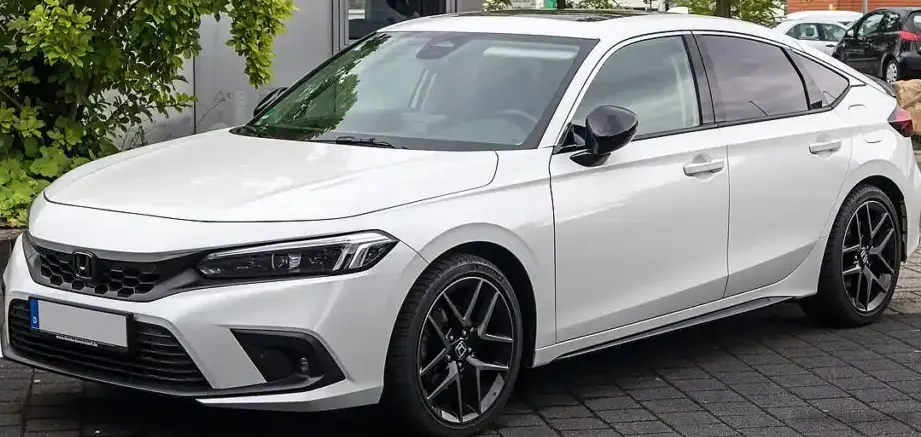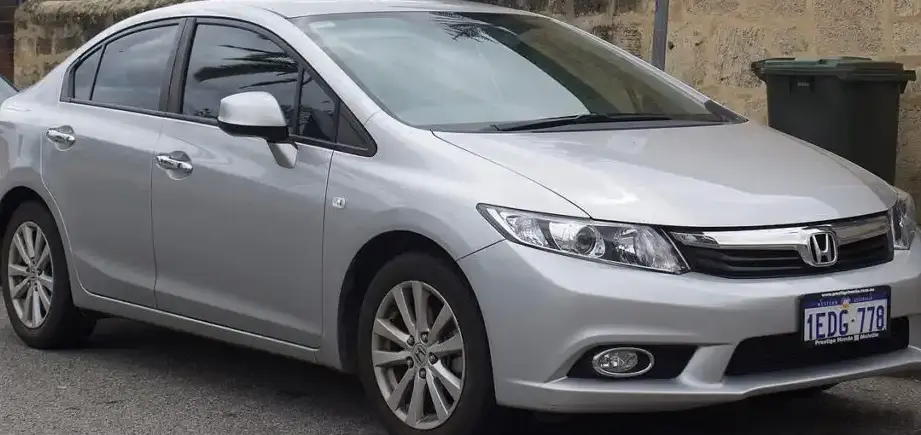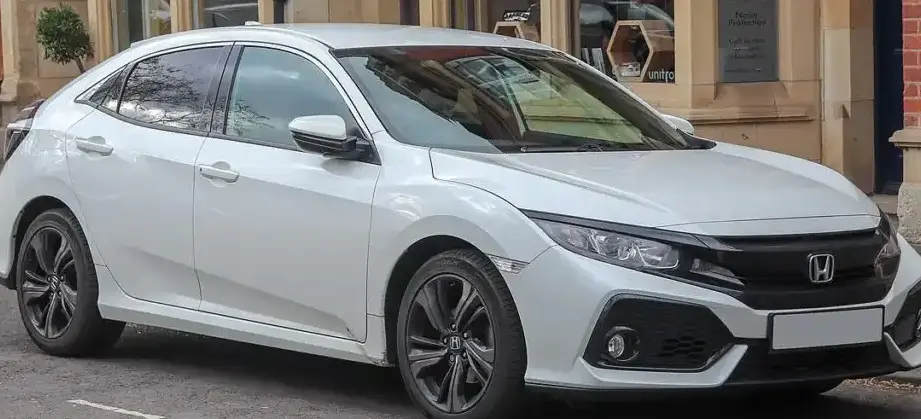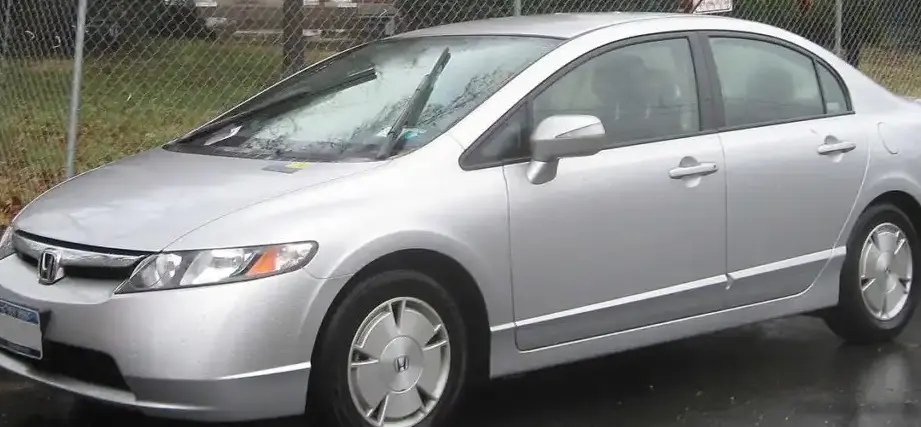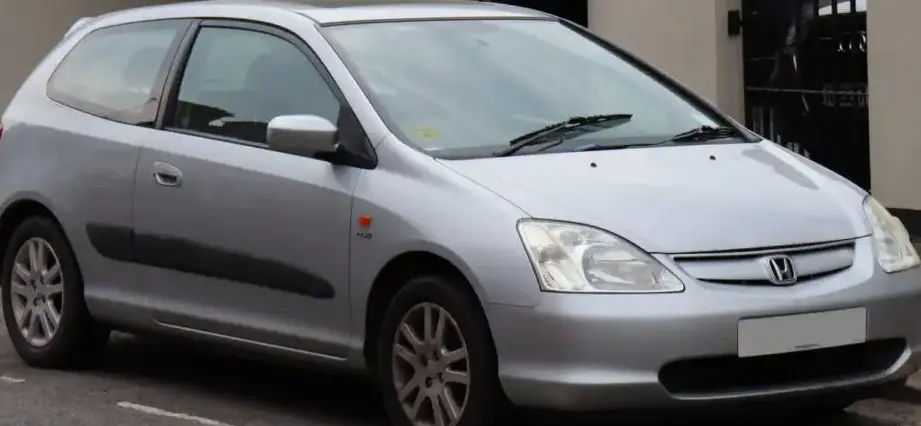
The Honda Civic VII Hatchback 1.7 CTDI, produced between 2001 and 2005, represented Honda’s entry into the increasingly popular European diesel hatchback market. Part of the seventh generation Civic (1995-2005), this variant aimed to offer fuel efficiency and practicality, appealing to buyers seeking a cost-effective and versatile vehicle. It was available in both 3-door and 5-door configurations, fitting within the broader Civic range that included petrol engine options and varying trim levels. This particular diesel model was positioned as a more economical alternative to the petrol-powered Civics, targeting drivers prioritizing fuel consumption and lower running costs.
Technical Specifications
| Brand | Honda |
| Model | Civic |
| Generation | Civic VII Hatchback |
| Type (Engine) | 1.7 CTDI (99 Hp) |
| Start of production | 2001 |
| End of production | 2005 |
| Powertrain Architecture | Internal Combustion engine |
| Body type | Hatchback |
| Seats | 5 |
| Doors | 3/5 |
| Fuel consumption (urban) | 6.2 l/100 km (37.9 US mpg, 45.6 UK mpg, 16.1 km/l) |
| Fuel consumption (extra urban) | 4.3 l/100 km (54.7 US mpg, 65.7 UK mpg, 23.3 km/l) |
| Fuel consumption (combined) | 5 l/100 km (47 US mpg, 56.5 UK mpg, 20 km/l) |
| Fuel Type | Diesel |
| Acceleration 0 – 100 km/h | 11.2 sec |
| Acceleration 0 – 62 mph | 11.2 sec |
| Acceleration 0 – 60 mph | 10.6 sec |
| Maximum speed | 182 km/h (113.09 mph) |
| Weight-to-power ratio | 12.8 kg/Hp, 78.3 Hp/tonne |
| Weight-to-torque ratio | 5.8 kg/Nm, 173.9 Nm/tonne |
| Power | 99 Hp @ 4400 rpm |
| Power per litre | 58.7 Hp/l |
| Torque | 220 Nm @ 1800 rpm (162.26 lb.-ft. @ 1800 rpm) |
| Engine layout | Front, Transverse |
| Engine Model/Code | 4EE-2 |
| Engine displacement | 1686 cm3 (102.89 cu. in.) |
| Number of cylinders | 4 |
| Engine configuration | Inline |
| Cylinder Bore | 79 mm (3.11 in.) |
| Piston Stroke | 86 mm (3.39 in.) |
| Compression ratio | 18.5:1 |
| Number of valves per cylinder | 4 |
| Fuel injection system | Diesel Commonrail |
| Engine aspiration | Turbocharger, Intercooler |
| Valvetrain | DOHC |
| Engine oil capacity | 5 l (5.28 US qt | 4.4 UK qt) |
| Coolant | 5.33 l (5.63 US qt | 4.69 UK qt) |
| Kerb Weight | 1265 kg (2788.85 lbs.) |
| Max. weight | 1640 kg (3615.58 lbs.) |
| Max load | 375 kg (826.73 lbs.) |
| Trunk (boot) space – minimum | 315 l (11.12 cu. ft.) |
| Trunk (boot) space – maximum | 610 l (21.54 cu. ft.) |
| Fuel tank capacity | 50 l (13.21 US gal | 11 UK gal) |
| Length | 4140 mm (162.99 in.) |
| Width | 1695 mm (66.73 in.) |
| Height | 1440 mm (56.69 in.) |
| Wheelbase | 2575 mm (101.38 in.) |
| Front track | 1470 mm (57.87 in.) |
| Rear (Back) track | 1470 mm (57.87 in.) |
| Minimum turning circle | 12 m (39.37 ft.) |
| Drivetrain Architecture | Front wheel drive |
| Number of gears | 5 gears, manual transmission |
| Front suspension | Spring Strut |
| Rear suspension | independent torsion suspension |
| Front brakes | Ventilated discs |
| Rear brakes | Disc |
| Assisting systems | ABS (Anti-lock braking system) |
| Steering type | Steering rack and pinion |
| Power steering | Electric Steering |
| Tires size | 195/60 R15; 205/50 R16 |
| Wheel rims size | 15; 16 |
Powertrain & Engine Architecture
The 1.7 CTDI engine, designated with the code 4EE-2, was a four-cylinder, inline diesel engine. It featured a turbocharger with an intercooler to enhance power output and efficiency. A key feature was the implementation of Honda’s common rail direct injection system, which allowed for precise fuel delivery and improved combustion. This system contributed to the engine’s relatively low emissions and good fuel economy. The engine utilized a double overhead camshaft (DOHC) valvetrain with four valves per cylinder, optimizing airflow for increased performance. The 18.5:1 compression ratio was typical for a direct injection diesel engine of that era. The engine was transversely mounted in the front of the vehicle, driving the front wheels.
Driving Characteristics
The 1.7 CTDI Civic offered a noticeable step up in fuel economy compared to the petrol-powered versions, but at the cost of outright performance. With 99 horsepower and 220 Nm (162 lb-ft) of torque, acceleration from 0-60 mph took around 10.6 seconds, and top speed was around 113 mph. While not a sports car, the engine provided adequate power for everyday driving and overtaking maneuvers. The torque was readily available from low engine speeds, making it a comfortable and easy car to drive in urban and highway conditions. Compared to higher-powered Civic variants, such as those with larger petrol engines, the 1.7 CTDI prioritized fuel efficiency over exhilarating acceleration. The five-speed manual transmission was well-matched to the engine’s characteristics, providing smooth gear changes.
Equipment & Trim Levels
The 1.7 CTDI typically came with a reasonable level of standard equipment, though it generally sat towards the lower end of the Civic trim range. Standard features often included power steering, central locking, electric front windows, and an ABS anti-lock braking system. Interior upholstery was typically cloth, and the dashboard featured a functional, if somewhat basic, design. Optional extras could include air conditioning, alloy wheels, and a CD player. Higher trim levels added features like electric rear windows, a sunroof, and upgraded interior trim.
Chassis & Braking
The Civic VII Hatchback utilized a front independent suspension with MacPherson struts and a rear independent torsion beam suspension. This setup provided a good balance between ride comfort and handling. The front brakes were ventilated discs, offering good stopping power, while the rear brakes were solid discs. The electric power steering provided light and precise steering feel. The weight distribution was relatively balanced, contributing to the car’s predictable handling characteristics.
Market Reception & Comparison
The 1.7 CTDI Civic was generally well-received by critics as a practical and economical hatchback. It was praised for its fuel efficiency, comfortable ride, and reliable engine. However, some reviewers noted that the engine lacked the refinement and performance of some of its competitors. Compared to other diesel hatchbacks of the time, such as the Volkswagen Golf TDI, the Civic offered a competitive fuel economy and a slightly more affordable price point. The Golf TDI often boasted a more refined driving experience and a higher perceived build quality, while the Civic focused on value and practicality.
Legacy
The Honda Civic VII 1.7 CTDI has proven to be a relatively reliable vehicle, with many examples still on the road today. The 4EE-2 engine is known for its durability, although regular maintenance is crucial to prevent issues. Common issues can include turbocharger wear and potential problems with the fuel injection system. In the used car market, these Civics are often sought after by buyers looking for an affordable and fuel-efficient hatchback. Their reputation for reliability and low running costs makes them a popular choice for first-time car owners and those seeking a practical daily driver. The 1.7 CTDI variant represents a significant step in Honda’s diesel offerings in Europe, paving the way for more advanced diesel engines in subsequent Civic generations.