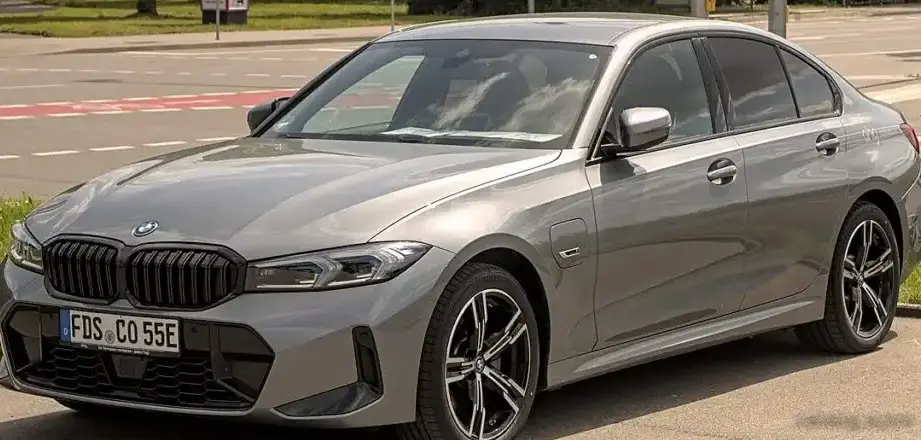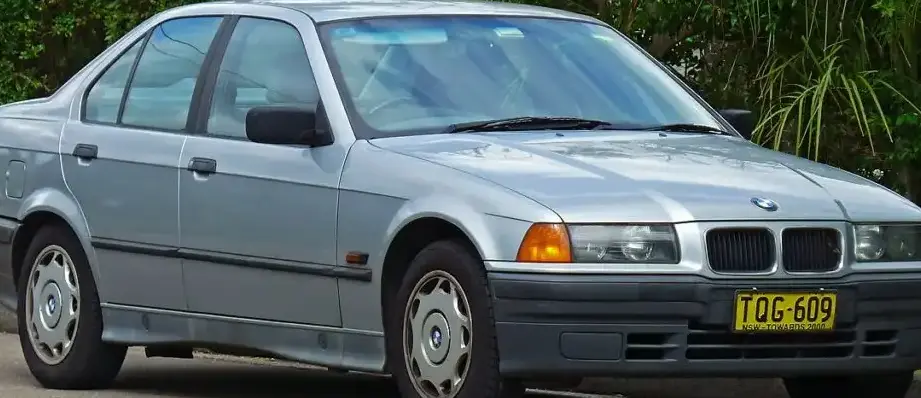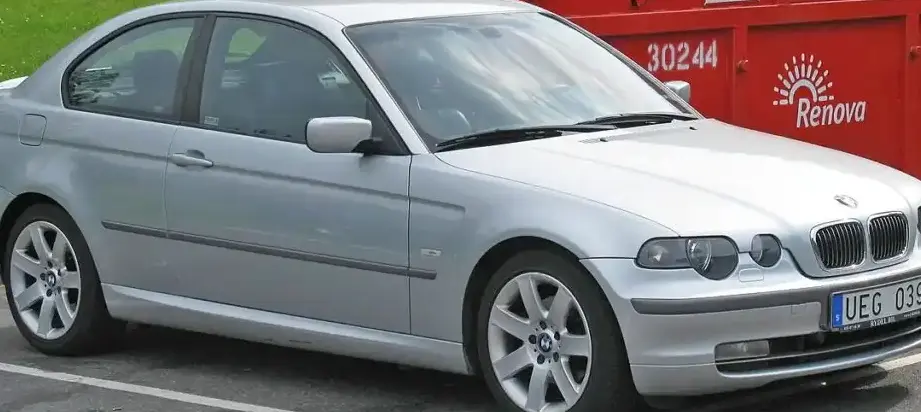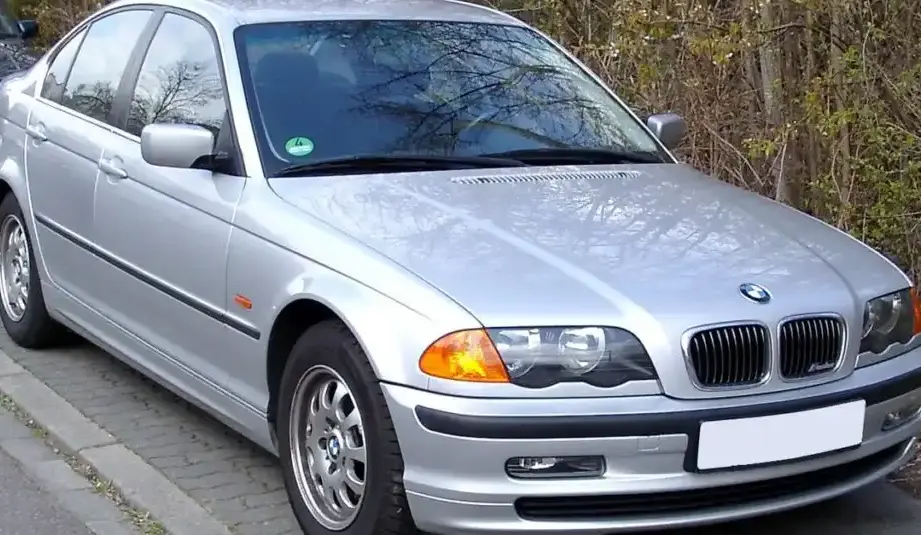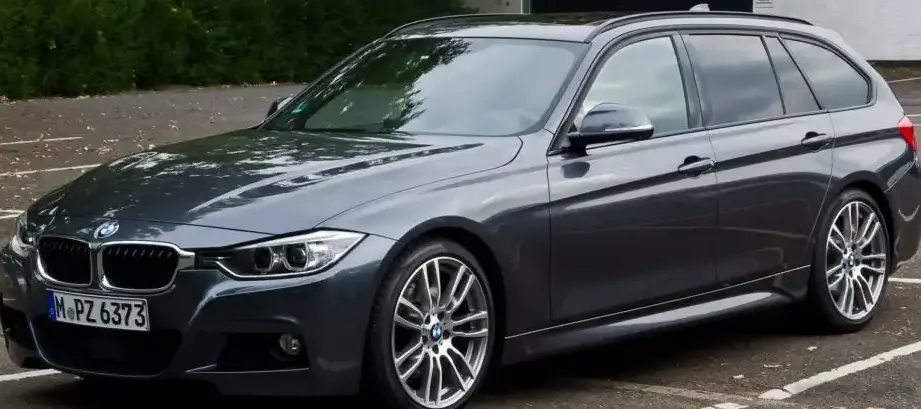
The BMW 3 Series Touring (F31) 316d Steptronic, produced from 2012 to 2015, represents BMW’s entry point into the premium compact executive estate car segment. Positioned as a fuel-efficient and practical option within the broader F31 3 Series Touring range, it catered to buyers prioritizing economy and usability over outright performance. This variant utilized a 2.0-liter turbocharged diesel engine paired with an 8-speed automatic transmission, offering a balance between refinement and cost-effectiveness. It was a key model for BMW in Europe, where the estate body style is particularly popular, and saw limited sales in North America where wagons traditionally have a smaller market share.
Technical Specifications
| Brand | BMW |
| Model | 3 Series |
| Generation | 3 Series Touring (F31) |
| Type (Engine) | 316d (116 Hp) Steptronic |
| Start of production | 2012 |
| End of production | 2015 |
| Powertrain Architecture | Internal Combustion engine |
| Body type | Station wagon (estate) |
| Seats | 5 |
| Doors | 5 |
| Fuel consumption (urban) | 5.5-5.7 l/100 km (42.8 – 41.3 US mpg) |
| Fuel consumption (extra urban) | 4.0-4.1 l/100 km (58.8 – 57.4 US mpg) |
| Fuel consumption (combined) | 4.5-4.7 l/100 km (52.3 – 50 US mpg) |
| CO2 emissions | 119-123 g/km |
| Fuel Type | Diesel |
| Acceleration 0 – 100 km/h | 11.1 sec |
| Acceleration 0 – 62 mph | 11.1 sec |
| Acceleration 0 – 60 mph | 10.5 sec |
| Maximum speed | 198 km/h (123.03 mph) |
| Emission standard | Euro 5 |
| Weight-to-power ratio | 12.9 kg/Hp |
| Weight-to-torque ratio | 5.8 kg/Nm |
| Power | 116 Hp @ 4000 rpm |
| Torque | 260 Nm @ 1750-2500 rpm (191.77 lb.-ft. @ 1750-2500 rpm) |
| Engine layout | Front, Longitudinal |
| Engine Model/Code | N47D20C |
| Engine displacement | 1995 cm3 (121.74 cu. in.) |
| Number of cylinders | 4 |
| Engine configuration | Inline |
| Cylinder Bore | 84 mm (3.31 in.) |
| Piston Stroke | 90 mm (3.54 in.) |
| Compression ratio | 16.5:1 |
| Number of valves per cylinder | 4 |
| Fuel injection system | Diesel Commonrail |
| Engine aspiration | Twin-power turbo, Intercooler |
| Engine oil capacity | 5.2 l (5.49 US qt | 4.58 UK qt) |
| Coolant | 7 l (7.4 US qt | 6.16 UK qt) |
| Kerb Weight | 1495 kg (3295.91 lbs.) |
| Max. weight | 2045 kg (4508.45 lbs.) |
| Max load | 550 kg (1212.54 lbs.) |
| Trunk (boot) space – minimum | 495 l (17.48 cu. ft.) |
| Trunk (boot) space – maximum | 1500 l (52.97 cu. ft.) |
| Fuel tank capacity | 57 l (15.06 US gal | 12.54 UK gal) |
| Max. roof load | 75 kg (165.35 lbs.) |
| Permitted trailer load with brakes (12%) | 1600 kg (3527.4 lbs.) |
| Permitted trailer load without brakes | 745 kg (1642.44 lbs.) |
| Permitted towbar download | 75 kg (165.35 lbs.) |
| Length | 4624 mm (182.05 in.) |
| Width | 1811 mm (71.3 in.) |
| Height | 1429 mm (56.26 in.) |
| Wheelbase | 2810 mm (110.63 in.) |
| Front track | 1543 mm (60.75 in.) |
| Rear track | 1583 mm (62.32 in.) |
| Ride height (ground clearance) | 140 mm (5.51 in.) |
| Drag coefficient (Cd) | 0.30 |
| Minimum turning circle | 11.3 m (37.07 ft.) |
| Drivetrain | Rear wheel drive |
| Number of gears | 8 |
| Gearbox type | Automatic transmission Steptronic |
| Front suspension | Independent coil spring |
| Rear suspension | Independent multi-link suspension |
| Front brakes | Ventilated discs |
| Rear brakes | Ventilated discs |
Powertrain & Engine Architecture
The 316d Touring utilized the BMW N47D20C engine, a 2.0-liter inline-four cylinder diesel engine. This engine was a cornerstone of BMW’s EfficientDynamics strategy, focusing on fuel economy and reduced emissions. The N47 featured common-rail direct injection, a variable geometry turbocharger, and double overhead camshafts with four valves per cylinder. The engine produced 116 horsepower at 4000 rpm and 260 Nm (192 lb-ft) of torque between 1750 and 2500 rpm. The Steptronic transmission was an 8-speed automatic, known for its smooth shifts and contribution to fuel efficiency. This transmission allowed for both fully automatic operation and manual gear selection via steering wheel-mounted paddles or the gear selector.
Driving Characteristics
The 316d Steptronic offered a comfortable and refined driving experience, prioritizing fuel economy over outright performance. Acceleration from 0-60 mph took approximately 10.5 seconds, and top speed was limited to 123 mph. The 8-speed automatic transmission was well-matched to the engine’s torque curve, providing adequate acceleration for everyday driving. Compared to the more powerful 320d or 335i models, the 316d felt noticeably slower, particularly during overtaking maneuvers. However, the Steptronic transmission helped to mitigate some of the performance deficit by keeping the engine in its optimal power band. The rear-wheel-drive configuration provided balanced handling, typical of BMW vehicles.
Equipment & Trim Levels
The 316d Touring typically came equipped with a reasonable level of standard features, including automatic climate control, a BMW Professional radio system, and alloy wheels. Interior upholstery was typically cloth, although leather options were available. Common optional extras included a sunroof, navigation system, parking sensors, and upgraded sound systems. Trim levels varied depending on the market, but generally followed a progression from base ‘SE’ to higher-spec ‘Sport’ or ‘Luxury’ trims, adding features like sport seats, upgraded interior trim, and more advanced driver assistance systems.
Chassis & Braking
The F31 3 Series Touring featured a MacPherson strut front suspension and a multi-link rear suspension, providing a comfortable ride and good handling characteristics. The 316d models typically used ventilated disc brakes on all four wheels, offering adequate stopping power for the vehicle’s weight and performance. Anti-lock braking system (ABS) and electronic stability control (ESC) were standard safety features. The rear suspension was tuned to accommodate the increased weight and load-carrying capacity of the estate body style. Stabilizer bars were fitted front and rear to reduce body roll during cornering.
Market Reception & Comparison
The 316d Touring was generally well-received by automotive critics as a practical and fuel-efficient option within the 3 Series range. It was praised for its comfortable ride, refined engine, and spacious interior. However, some critics noted its relatively modest performance compared to higher-powered variants. Compared to the 320d, the 316d offered lower running costs but sacrificed some performance. The 316d also provided a more economical alternative to petrol-powered 3 Series models. Fuel economy was a key selling point, with combined figures averaging around 50-52 mpg.
Legacy
The N47 engine, while generally reliable, has been known to experience timing chain issues in some cases, particularly in earlier production years. Regular oil changes and preventative maintenance are crucial for ensuring the longevity of this engine. The 8-speed Steptronic transmission has proven to be a durable and reliable unit. Today, used examples of the 316d Touring are relatively affordable and represent a good value for buyers seeking a practical and fuel-efficient estate car. Its reputation for reliability, combined with BMW’s brand appeal, ensures continued demand in the used car market.