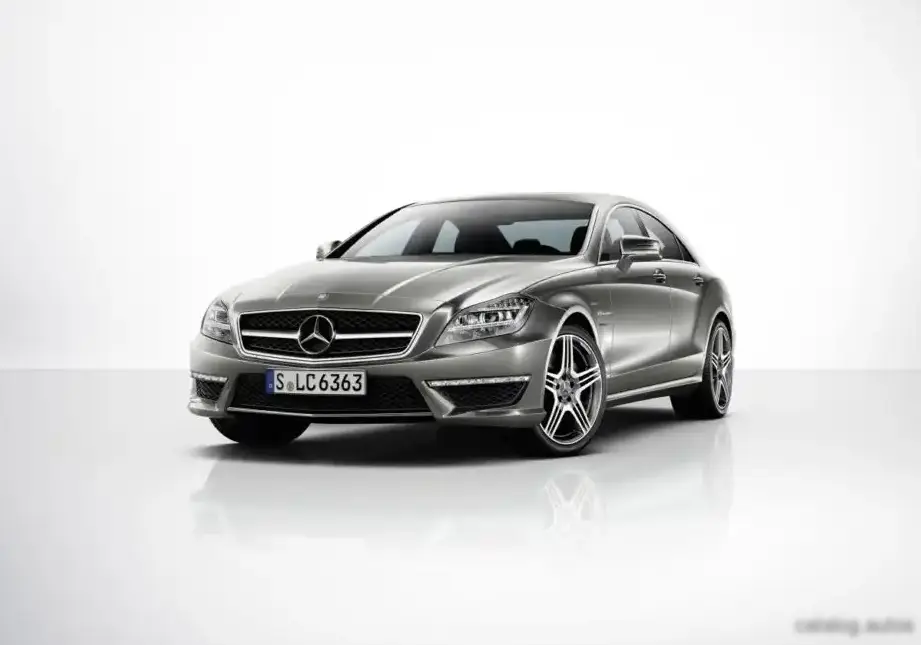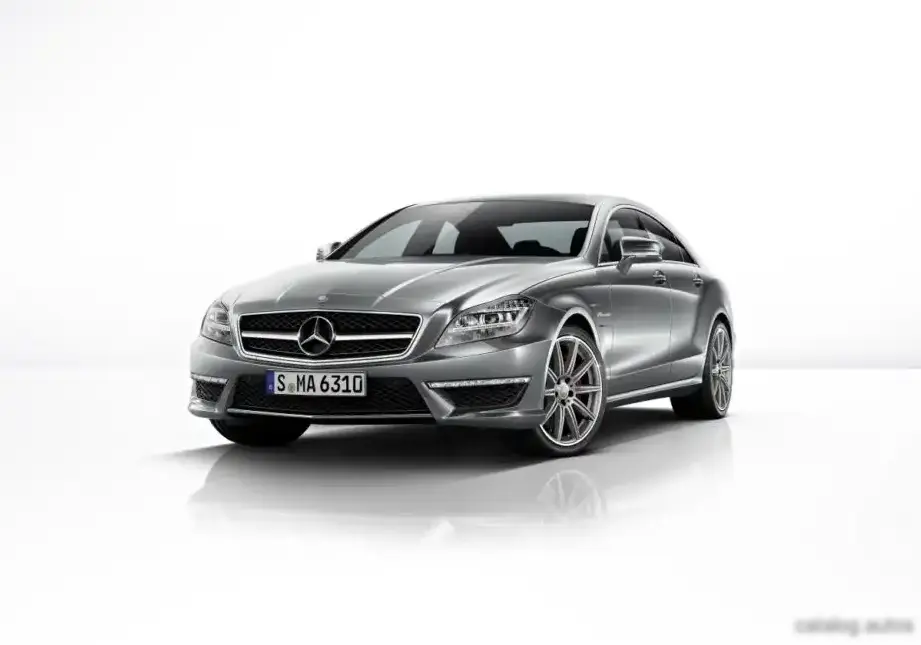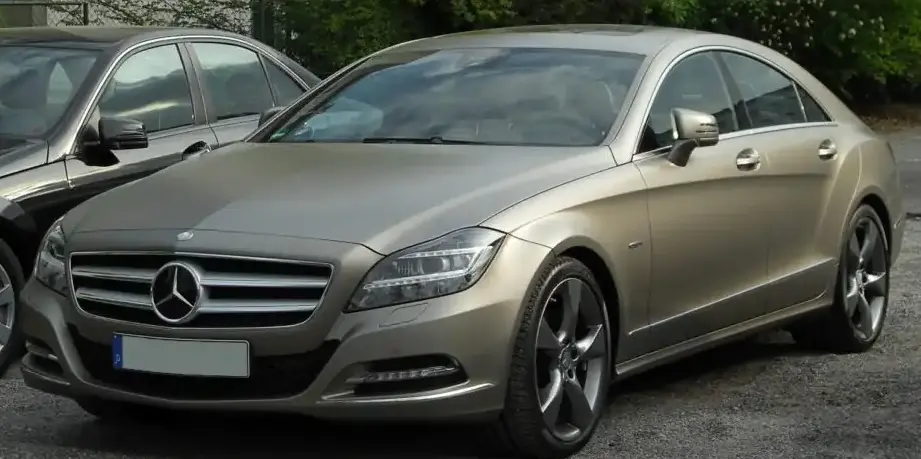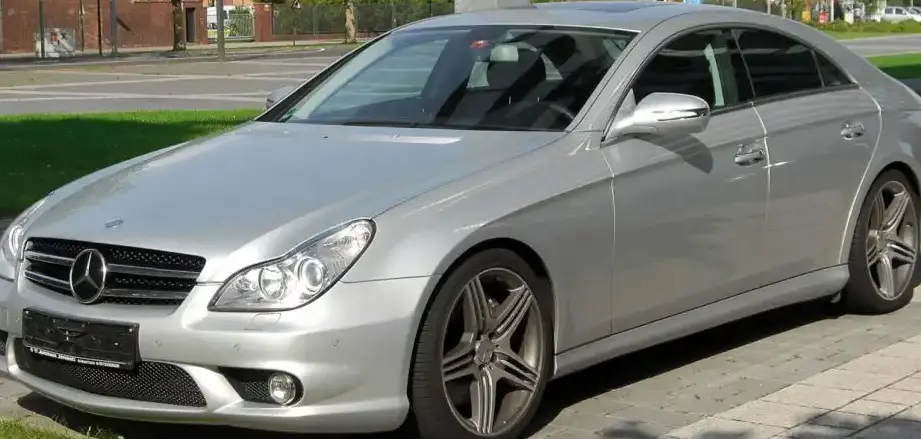
The Mercedes-Benz CLS 280, specifically the C219 facelift model produced from April 2008 to April 2009, represented a compelling entry point into the four-door coupe segment. Positioned as a more accessible alternative to the higher-performance CLS 550 and CLS 63 AMG models, the 280 utilized a naturally aspirated V6 engine paired with Mercedes’ 7G-TRONIC automatic transmission. This configuration aimed to deliver a balance of luxury, refinement, and reasonable running costs within the CLS lineup, appealing to buyers prioritizing comfort and style over outright speed. The C219 generation, launched in 2004, pioneered the “four-door coupe” aesthetic, and the 2008 facelift brought revised styling, improved technology, and updated engine options.
Technical Specifications
| Brand | Mercedes-Benz |
| Model | CLS |
| Generation | CLS coupe (C219, facelift 2008) |
| Type (Engine) | CLS 280 V6 (231 Hp) 7G-TRONIC |
| Start of production | April, 2008 |
| End of production | April, 2009 |
| Powertrain Architecture | Internal Combustion engine |
| Body type | Coupe |
| Seats | 4 |
| Doors | 4 |
| Fuel consumption (urban) | 13.8-14.1 l/100 km (17 – 16.7 US mpg, 20.5 – 20 UK mpg, 7.2 – 7.1 km/l) |
| Fuel consumption (extra urban) | 7.4-7.7 l/100 km (31.8 – 30.5 US mpg, 38.2 – 36.7 UK mpg, 13.5 – 13 km/l) |
| Fuel consumption (combined) | 9.8-10 l/100 km (24 – 23.5 US mpg, 28.8 – 28.2 UK mpg, 10.2 – 10 km/l) |
| CO2 emissions | 233-237 g/km |
| Fuel Type | Petrol (Gasoline) |
| Acceleration 0 – 100 km/h | 7.7 sec |
| Acceleration 0 – 62 mph | 7.7 sec |
| Acceleration 0 – 60 mph | 7.3 sec |
| Maximum speed | 245 km/h (152.24 mph) |
| Emission standard | Euro 4 |
| Weight-to-power ratio | 7.2 kg/Hp, 139.6 Hp/tonne |
| Weight-to-torque ratio | 5.5 kg/Nm, 181.3 Nm/tonne |
| Power | 231 Hp @ 6000 rpm |
| Power per litre | 77.1 Hp/l |
| Torque | 300 Nm @ 2500-5000 rpm (221.27 lb.-ft. @ 2500-5000 rpm) |
| Maximum engine speed | 6500 rpm |
| Engine layout | Front, Longitudinal |
| Engine Model/Code | M 272.943 |
| Engine displacement | 2996 cm3 (182.83 cu. in.) |
| Number of cylinders | 6 |
| Engine configuration | V-engine |
| Cylinder Bore | 88 mm (3.46 in.) |
| Piston Stroke | 82.1 mm (3.23 in.) |
| Compression ratio | 11.3:1 |
| Number of valves per cylinder | 4 |
| Fuel injection system | Multi-port manifold injection |
| Engine aspiration | Naturally aspirated engine |
| Valvetrain | DOHC |
| Engine oil capacity | 8 l (8.45 US qt | 7.04 UK qt) |
| Coolant capacity | 10 l (10.57 US qt | 8.8 UK qt) |
| Kerb Weight | 1655 kg (3648.65 lbs.) |
| Max. weight | 2195 kg (4839.15 lbs.) |
| Max load | 540 kg (1190.5 lbs.) |
| Trunk (boot) space (minimum) | 505 l (17.83 cu. ft.) |
| Fuel tank capacity | 80 l (21.13 US gal | 17.6 UK gal) |
| Max. roof load | 100 kg (220.46 lbs.) |
| Length | 4917 mm (193.58 in.) |
| Width | 1873 mm (73.74 in.) |
| Width including mirrors | 2107 mm (82.95 in.) |
| Height | 1430 mm (56.3 in.) |
| Wheelbase | 2854 mm (112.36 in.) |
| Front track | 1593 mm (62.72 in.) |
| Rear track | 1603 mm (63.11 in.) |
| Front overhang | 891 mm (35.08 in.) |
| Rear overhang | 1172 mm (46.14 in.) |
| Minimum turning circle | 11.21 m (36.78 ft.) |
| Drivetrain Architecture | Rear wheel drive |
| Drive wheel | Rear wheel drive |
| Number of gears | 7 |
| Gearbox type | Automatic transmission G-TRONIC |
| Front suspension | Independent multi-link suspension, Transverse stabilizer, Air Suspension – Optional |
| Rear suspension | Independent multi-link suspension, Transverse stabilizer, Air Suspension – Optional |
| Front brakes | Ventilated discs |
| Rear brakes | Ventilated discs |
| Assisting systems | ABS (Anti-lock braking system) |
| Steering type | Steering rack and pinion |
| Power steering | Hydraulic Steering |
| Tires size | 245/45 R17; 245/40 R18 |
| Wheel rims size | 8.5J x 17; 8.5J x 18 |
Powertrain & Engine Architecture
The CLS 280 was powered by the M272.943 engine, a 2.996-liter naturally aspirated V6. This engine featured a 60-degree V-angle and utilized a multi-port fuel injection system. The engine produced 231 horsepower at 6000 rpm and 300 Nm (221 lb-ft) of torque between 2500 and 5000 rpm. The engine’s double overhead camshafts (DOHC) and four valves per cylinder contributed to its relatively smooth operation. The 7G-TRONIC automatic transmission, a seven-speed unit, was standard. This transmission offered a wide range of gear ratios, contributing to both fuel efficiency and acceptable acceleration. The transmission was known for its smooth shifts, although some early units experienced reliability issues that were addressed in later revisions.
Driving Characteristics
The CLS 280, with its 231 hp and automatic transmission, offered a comfortable and refined driving experience. Acceleration to 60 mph took approximately 7.3 seconds, making it adequately quick for most drivers, but noticeably slower than the CLS 550 or AMG variants. The 7G-TRONIC transmission generally shifted smoothly, but could sometimes feel hesitant during quick downshifts. The gear ratios were optimized for cruising, making the CLS 280 a pleasant grand tourer. Compared to the manual transmission options available on other CLS models, the automatic prioritized ease of use over driver engagement. The engine delivered a linear power delivery, lacking the immediate punch of a turbocharged engine.
Equipment & Trim Levels
The CLS 280 came standard with a generous array of features, befitting its luxury positioning. These included leather upholstery, automatic climate control, a premium sound system, and power-adjustable front seats. Optional extras included a panoramic sunroof, upgraded leather packages, wood trim, and advanced driver-assistance systems like Distronic adaptive cruise control. The interior design mirrored that of other contemporary Mercedes-Benz models, emphasizing elegance and quality materials. The standard dashboard configuration featured analog gauges and a central infotainment screen.
Chassis & Braking
The CLS 280 utilized an independent multi-link suspension at all four corners, providing a comfortable ride and good handling characteristics. Many examples were equipped with optional air suspension, which further enhanced ride quality and allowed for adjustable ride height. The braking system consisted of ventilated discs on all four wheels, providing ample stopping power. Anti-lock brakes (ABS) were standard. The steering was hydraulic power-assisted, offering a balanced feel between lightness and feedback.
Market Reception & Comparison
The CLS 280 was generally well-received by automotive critics as a stylish and comfortable entry point into the CLS range. However, some reviewers noted that its performance was not as exhilarating as that of the more powerful models. Fuel economy was considered reasonable for a vehicle of its size and class, but not exceptional. Compared to the CLS 550, the 280 offered a significant price advantage, but at the cost of performance. The 280 also provided a more refined and less aggressive driving experience than the high-performance AMG models.
Legacy
The M272 engine family, including the 2.996-liter variant found in the CLS 280, is generally considered reliable, although regular maintenance is crucial. Common issues include oil leaks and occasional problems with the balance shaft. The 7G-TRONIC transmission, while generally durable, can require servicing to address potential valve body issues. Today, the CLS 280 represents an affordable entry point into Mercedes-Benz four-door coupe ownership. Well-maintained examples are sought after by enthusiasts who appreciate the car’s unique styling and comfortable driving experience. The CLS 280’s blend of luxury, style, and relative affordability has ensured its continued presence in the used car market.