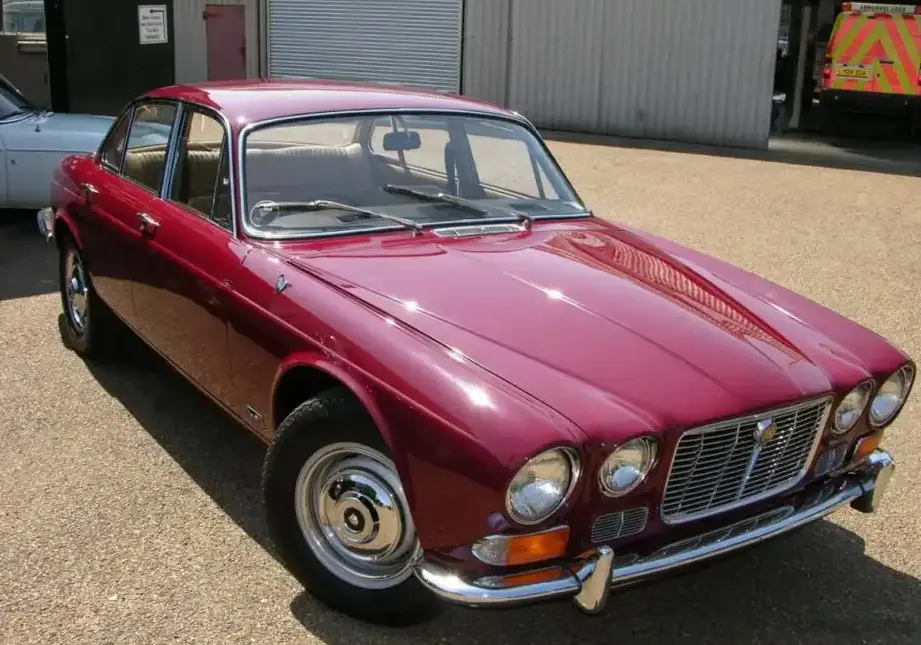
The Jaguar XJ (X300) 3.2 24V Classic, produced between 1994 and 1997, represents a pivotal moment in the XJ lineage. Falling within the X300 generation (produced 1994-1997), this variant aimed to blend traditional Jaguar luxury with improved build quality and modern technology. It served as a significant upgrade over the preceding XJ12 models, addressing concerns about reliability and offering a more contemporary driving experience. The 3.2-liter engine, paired with a five-speed manual transmission, positioned this model as a performance-oriented offering within the XJ range, appealing to drivers seeking a balance between refinement and spirited driving.
Technical Specifications
| Brand | Jaguar |
| Model | XJ |
| Generation | XJ (X300) |
| Type (Engine) | 3.2 24V Classic (211 Hp) |
| Start of production | 1994 |
| End of production | 1997 |
| Powertrain Architecture | Internal Combustion engine |
| Body type | Sedan |
| Seats | 5 |
| Doors | 4 |
| Fuel consumption (combined) | 11.2 l/100 km (21 US mpg, 25.2 UK mpg, 8.9 km/l) |
| Fuel Type | Petrol (Gasoline) |
| Acceleration 0 – 100 km/h | 8.4 sec |
| Acceleration 0 – 62 mph | 8.4 sec |
| Acceleration 0 – 60 mph | 8 sec |
| Maximum speed | 223 km/h (138.57 mph) |
| Weight-to-power ratio | 8.5 kg/Hp, 117.2 Hp/tonne |
| Weight-to-torque ratio | 6 kg/Nm, 167.2 Nm/tonne |
| Power | 211 Hp @ 5100 rpm |
| Power per litre | 65.1 Hp/l |
| Torque | 301 Nm @ 4500 rpm (222.01 lb.-ft. @ 4500 rpm) |
| Engine layout | Front, Longitudinal |
| Engine displacement | 3239 cm3 (197.66 cu. in.) |
| Number of cylinders | 6 |
| Engine configuration | Inline |
| Cylinder Bore | 91 mm (3.58 in.) |
| Piston Stroke | 83 mm (3.27 in.) |
| Compression ratio | 10:1 |
| Number of valves per cylinder | 4 |
| Fuel injection system | Multi-port manifold injection |
| Engine aspiration | Naturally aspirated engine |
| Valvetrain | DOHC |
| Kerb Weight | 1800 kg (3968.32 lbs.) |
| Max. weight | 2220 kg (4894.26 lbs.) |
| Max load | 420 kg (925.94 lbs.) |
| Trunk (boot) space – minimum | 430 l (15.19 cu. ft.) |
| Fuel tank capacity | 86 l (22.72 US gal | 18.92 UK gal) |
| Length | 5023 mm (197.76 in.) |
| Width | 1798 mm (70.79 in.) |
| Height | 1314 mm (51.73 in.) |
| Wheelbase | 2870 mm (112.99 in.) |
| Front track | 1500 mm (59.06 in.) |
| Rear (Back) track | 1498 mm (58.98 in.) |
| Drivetrain Architecture | The Internal combustion engine (ICE) drives the rear wheels of the vehicle. |
| Drive wheel | Rear wheel drive |
| Number of gears and type of gearbox | 5 gears, manual transmission |
| Front suspension | Double wishbone |
| Rear suspension | Coil spring |
| Front brakes | Ventilated discs |
| Rear brakes | Ventilated discs |
| Assisting systems | ABS (Anti-lock braking system), Hydraulic Steering |
| Tires size | 225/60 R16 |
Powertrain & Engine Architecture
The heart of the XJ 3.2 24V Classic is Jaguar’s AJ16 inline-six engine. This 3.2-liter (3239 cc) engine, designated as the 7H34L, is a naturally aspirated, all-aluminum alloy design featuring a double overhead camshaft (DOHC) valvetrain with four valves per cylinder. The engine utilizes a multi-port fuel injection system, delivering precise fuel metering for optimal performance and efficiency. The inline-six configuration provides a smooth and refined power delivery, a hallmark of Jaguar engines. The five-speed manual transmission, a Getrag 295/5, was a key component in maximizing the engine’s potential, offering precise gear changes and a more engaging driving experience compared to the available automatic options. This manual transmission was a relatively rare option, with most XJ300s being equipped with an automatic.
Driving Characteristics
The 3.2-liter manual XJ300 delivers a noticeably more engaging driving experience than its automatic counterparts. The 211 horsepower and 222 lb-ft of torque provide brisk acceleration, achieving 0-60 mph in around 8 seconds. The manual gearbox allows for greater control over the engine’s power band, enabling drivers to exploit the engine’s responsiveness. The gear ratios are well-matched to the engine’s characteristics, providing strong acceleration in each gear. While not a sports car, the XJ 3.2 offers a satisfying level of performance for a luxury sedan of its era. The rear-wheel-drive configuration contributes to balanced handling, although the car’s weight (approximately 3968 lbs) is noticeable in spirited cornering.
Equipment & Trim Levels
The XJ 3.2 24V Classic came standard with a comprehensive array of luxury features. Interior appointments included Connolly leather upholstery, wood veneer trim, and electric front seats. Standard equipment also included air conditioning, power windows, power steering, and an AM/FM stereo with a cassette player. Optional extras included a premium sound system, a sunroof, and upgraded leather options. The XJ300 generally featured a more refined interior than earlier XJ models, with improved materials and build quality. The dashboard layout was relatively straightforward, prioritizing functionality and ease of use.
Chassis & Braking
The XJ300 utilizes a robust chassis with independent double wishbone suspension at the front and a coil spring suspension at the rear. This suspension setup provides a comfortable ride while maintaining good handling characteristics. The car is equipped with ventilated disc brakes on all four wheels, providing ample stopping power. An anti-lock braking system (ABS) is standard, enhancing safety and control during emergency braking situations. The steering is hydraulic power-assisted, offering a light and precise feel. The XJ300’s suspension was tuned to prioritize ride comfort, making it a pleasant vehicle for long-distance cruising.
Market Reception & Comparison
The XJ 3.2 24V Classic was generally well-received by automotive critics. It was praised for its refined engine, improved build quality, and luxurious interior. The manual transmission variant was particularly appreciated by enthusiasts for its engaging driving experience. Compared to the automatic version, the manual offered a more direct connection to the engine and improved fuel economy, although the difference wasn’t substantial. Against competitors like the BMW 7 Series and Mercedes-Benz S-Class, the XJ 3.2 offered a unique blend of British luxury and performance. However, some critics noted that the XJ300’s styling was somewhat conservative compared to its German rivals.
Legacy
The Jaguar XJ300, including the 3.2 24V Classic variant, is now considered a desirable classic car. The AJ16 engine is known for its reliability when properly maintained, although preventative maintenance is crucial given the car’s age. The manual transmission models are particularly sought after by collectors and enthusiasts. Today, well-maintained examples command strong prices in the used car market. The XJ300 represents a high point in Jaguar’s engineering and design, offering a compelling combination of luxury, performance, and British character. Its influence can be seen in subsequent XJ generations, which continued to build upon the X300’s foundation of refinement and innovation.