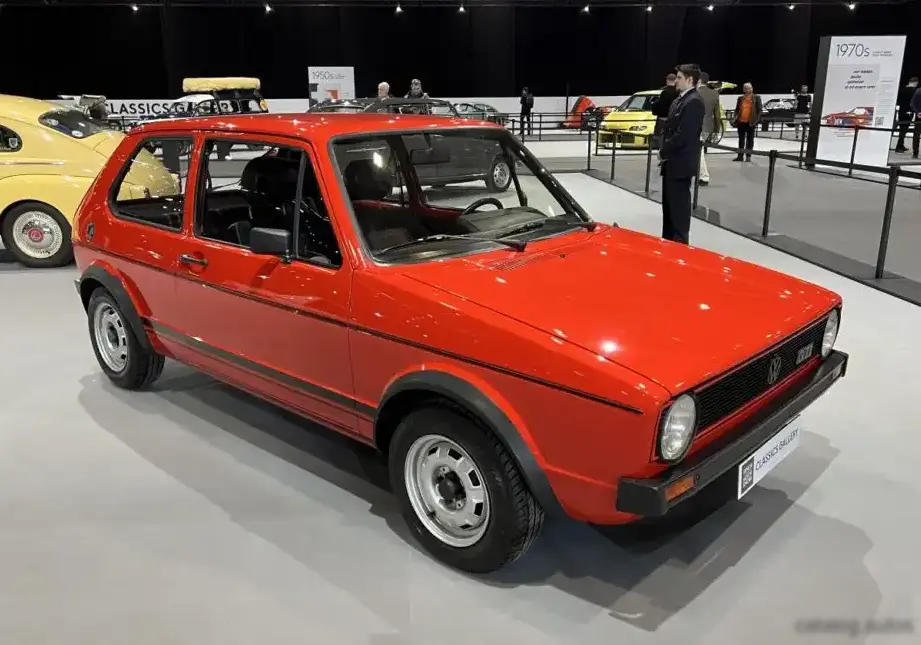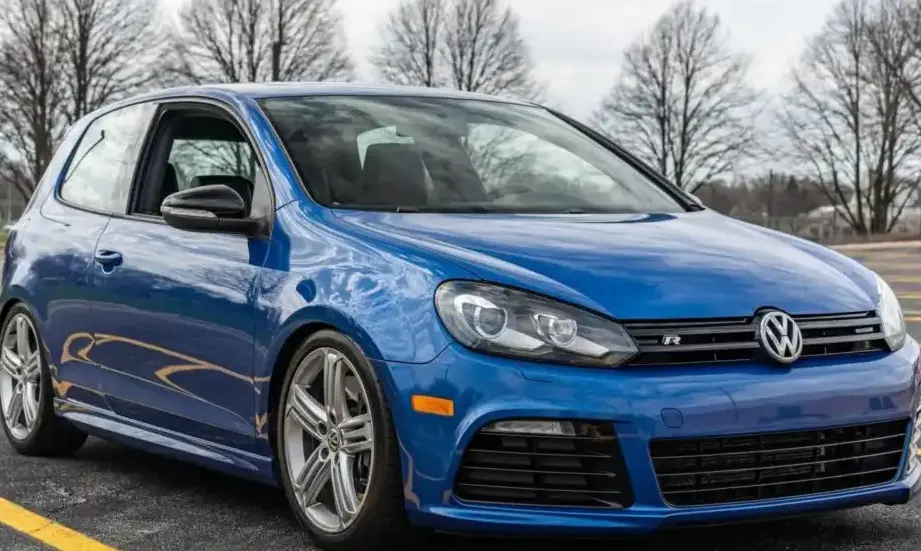
The Volkswagen Golf VI R, produced between 2011 and 2013, represented the high-performance pinnacle of the sixth-generation Golf lineup. Available exclusively as a three-door hatchback, the “R” model distinguished itself with a potent 2.0-liter turbocharged engine, a sophisticated all-wheel-drive system (4MOTION), and a host of performance-oriented enhancements. It served as Volkswagen’s direct competitor to models like the Ford Focus ST and the Renault Mégane RS, offering a blend of everyday usability and thrilling driving dynamics. This variant occupied the top-tier performance position within the Golf VI range, sitting above trims like the GT and TDI models.
Technical Specifications
| Brand | Volkswagen |
| Model | Golf |
| Generation | Golf VI (3-door) |
| Type (Engine) | R 2.0 TSI (256 Hp) 4MOTION |
| Start of production | 2011 |
| End of production | 2013 |
| Powertrain Architecture | Internal Combustion engine |
| Body type | Hatchback |
| Seats | 5 |
| Doors | 3 |
| Fuel consumption (economy) – urban (EPA) | 12.4 l/100 km (19 US mpg, 22.8 UK mpg) |
| Fuel consumption (economy) – extra urban (EPA) | 8.7 l/100 km (27 US mpg, 32.5 UK mpg) |
| Fuel Type | Petrol (Gasoline) |
| Acceleration 0 – 60 mph | 5.6 sec |
| Weight-to-power ratio | 5.9 kg/Hp, 169.8 Hp/tonne |
| Weight-to-torque ratio | 4.6 kg/Nm, 218.8 Nm/tonne |
| Power | 256 Hp @ 6000 rpm |
| Power per litre | 129 Hp/l |
| Torque | 330 Nm @ 2400 rpm (243.4 lb.-ft. @ 2400 rpm) |
| Engine layout | Front, Transverse |
| Engine Model/Code | EA113 / CRZA |
| Engine displacement | 1984 cm3 (121.07 cu. in.) |
| Number of cylinders | 4 |
| Engine configuration | Inline |
| Cylinder Bore | 82.5 mm (3.25 in.) |
| Piston Stroke | 92.8 mm (3.65 in.) |
| Compression ratio | 9.8:1 |
| Number of valves per cylinder | 4 |
| Fuel injection system | Direct injection |
| Engine aspiration | Turbocharger, Intercooler |
| Valvetrain | DOHC |
| Engine oil capacity | 4.6 l (4.86 US qt | 4.05 UK qt) |
| Coolant | 8 l (8.45 US qt | 7.04 UK qt) |
| Kerb Weight | 1508 kg (3324.57 lbs.) |
| Max. weight | 2060 kg (4541.52 lbs.) |
| Max load | 552 kg (1216.95 lbs.) |
| Trunk (boot) space – minimum | 275 l (9.71 cu. ft.) |
| Trunk (boot) space – maximum | 1230 l (43.44 cu. ft.) |
| Fuel tank capacity | 55 l (14.53 US gal | 12.1 UK gal) |
| Length | 4212 mm (165.83 in.) |
| Width | 1786 mm (70.31 in.) |
| Width including mirrors | 2048 mm (80.63 in.) |
| Height | 1469 mm (57.83 in.) |
| Wheelbase | 2578 mm (101.5 in.) |
| Front track | 1533 mm (60.35 in.) |
| Rear (Back) track | 1514 mm (59.61 in.) |
| Ride height (ground clearance) | 128 mm (5.04 in.) |
| Minimum turning circle (turning diameter) | 10.9 m (35.76 ft.) |
| Drivetrain Architecture | All wheel drive (4×4). ICE drives front wheels, rear driven by clutch. |
| Drive wheel | All wheel drive (4×4) |
| Number of gears and type of gearbox | 6 gears, manual transmission |
| Front suspension | Independent, McPherson with coil spring and anti-roll bar |
| Rear suspension | Independent multi-link spring suspension with stabilizer |
| Front brakes | Ventilated discs, 345×30 mm |
| Rear brakes | Ventilated discs, 310×23 mm |
| Assisting systems | ABS (Anti-lock braking system) |
| Steering type | Steering rack and pinion |
| Power steering | Electric Steering |
| Tires size | 225/40 R18 |
| Wheel rims size | 7.5J x 18 |
INTRODUCTION
The Golf VI R, launched in 2011, was the performance flagship of the Mk6 Golf range. Built on the A5 (1HX0) platform, it represented a significant step up in performance and handling compared to the standard Golf models. The three-door body style was chosen to emphasize the R’s sporty character and reduce weight. It was positioned as a premium hot hatch, offering a more refined and capable experience than its predecessors and competitors.
Powertrain & Engine Architecture
At the heart of the Golf VI R lies the EA113 2.0-liter turbocharged inline-four cylinder engine, specifically the CRZA engine code. This engine was a significant upgrade over the earlier EA113 variants, featuring a revised cylinder head, strengthened internals, and a larger turbocharger. It utilized direct fuel injection, delivering fuel directly into the combustion chamber for improved efficiency and power. The engine produced 256 horsepower at 6000 rpm and 330 Nm (243 lb-ft) of torque from 2400 rpm. The engine’s valvetrain employed a dual overhead camshaft (DOHC) design with four valves per cylinder, optimizing airflow for increased performance. The engine was paired with a standard six-speed manual transmission, providing precise gear changes and engaging driver control.
Driving Characteristics
The Golf VI R delivered a noticeably more engaging driving experience than other Golf VI variants. The 256 hp engine, coupled with the 4MOTION all-wheel-drive system, resulted in impressive acceleration – 0 to 60 mph in just 5.6 seconds. The 4MOTION system intelligently distributed power between the front and rear wheels, providing excellent traction in all weather conditions and enhancing cornering stability. The manual transmission offered a direct and satisfying connection to the engine, while the well-tuned suspension minimized body roll and provided a comfortable ride. Compared to the Golf GT, the R offered significantly more power and a more sophisticated all-wheel-drive system. While the TDI models prioritized fuel economy, the R focused on outright performance.
Equipment & Trim Levels
The Golf VI R came generously equipped as standard. Interior features included sport seats upholstered in a unique “R” fabric pattern, a leather-wrapped steering wheel with “R” badging, and aluminum pedal caps. The dashboard featured distinctive instrumentation and trim elements. Standard exterior features included a unique front bumper with larger air intakes, side skirts, a rear diffuser, and a roof spoiler. Optional extras included bi-xenon headlights, a panoramic sunroof, and a premium sound system. The overall interior ambiance was sporty yet refined, reflecting the R’s premium positioning.
Chassis & Braking
The Golf VI R benefited from a revised chassis and braking system designed to handle the increased power and performance. The suspension featured stiffer springs and dampers compared to standard Golf models, resulting in reduced body roll and improved handling. The front suspension utilized a McPherson strut design, while the rear suspension employed a multi-link setup, providing excellent wheel control and ride comfort. The braking system featured ventilated disc brakes on all four wheels – 345mm at the front and 310mm at the rear – providing ample stopping power. ABS (Anti-lock Braking System) was standard, enhancing safety and control during emergency braking situations.
Market Reception & Comparison
The Golf VI R was generally well-received by automotive critics, who praised its performance, handling, and all-weather capability. It was often lauded as one of the most engaging and well-rounded hot hatches on the market. Fuel economy, while not a primary focus, was respectable for a high-performance vehicle, averaging around 22-27 mpg in mixed driving. Reliability was generally good, although some owners reported minor issues with the turbocharger and fuel injectors. Compared to the Ford Focus ST, the Golf R offered a more refined and sophisticated driving experience, while the Focus ST was often considered more raw and visceral. The Golf R’s all-wheel-drive system provided a significant advantage in inclement weather, while the Focus ST’s front-wheel-drive layout could sometimes suffer from torque steer.
Legacy
The Golf VI R remains a sought-after vehicle in the used car market today. Its combination of performance, practicality, and refinement has made it a popular choice among enthusiasts. The EA113 engine, while known for its potential for modification, has proven to be relatively durable when properly maintained. Regular servicing, including oil changes and spark plug replacements, is crucial for ensuring long-term reliability. The 4MOTION system is also generally reliable, but it’s important to check for any signs of wear or damage. The Golf VI R represents a high point in the Golf lineage, offering a compelling blend of performance and everyday usability that continues to appeal to drivers today.