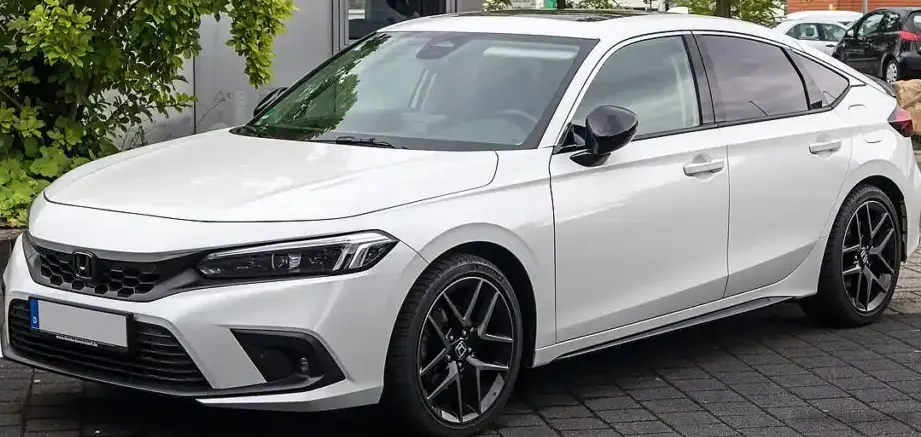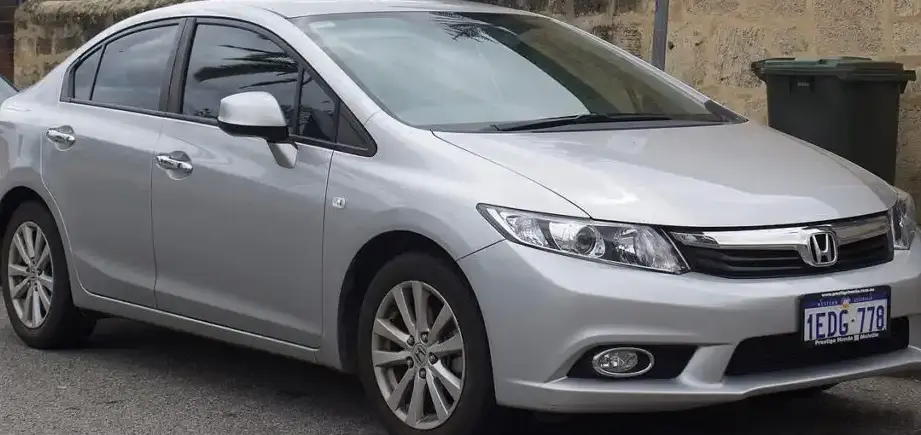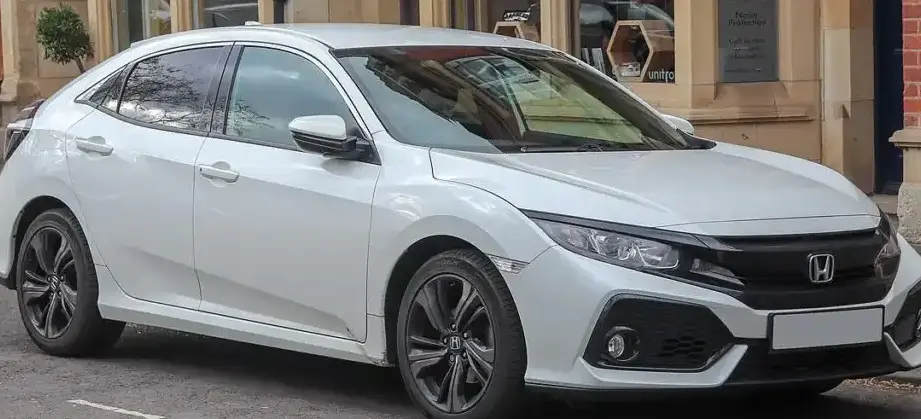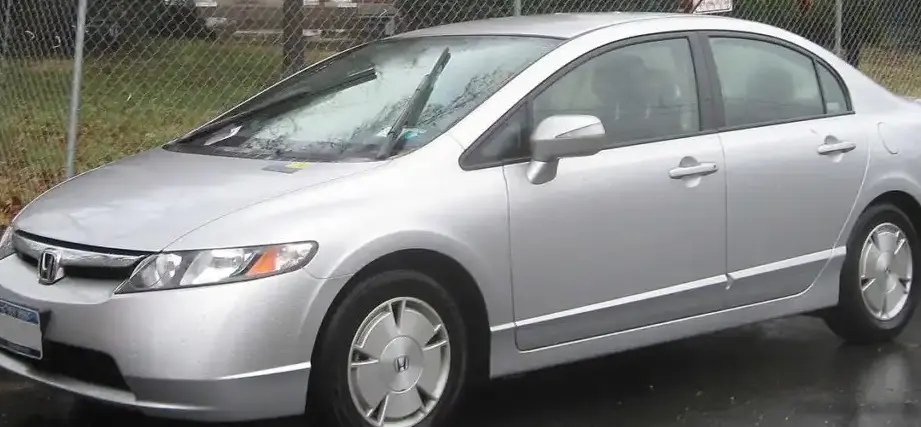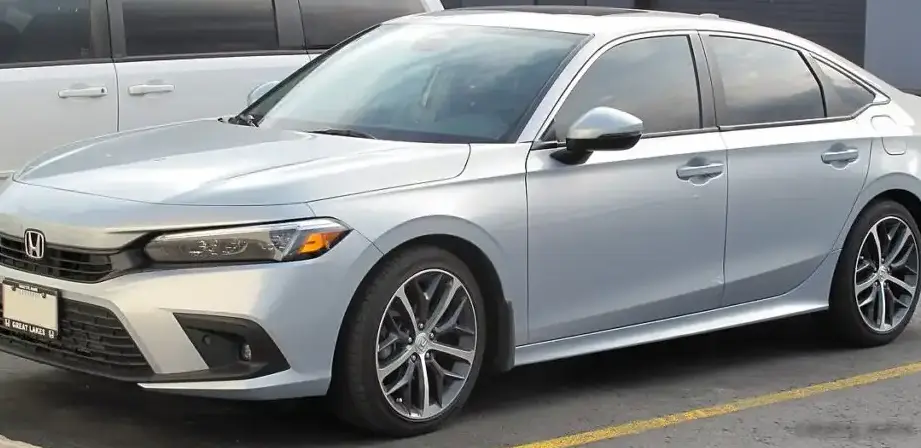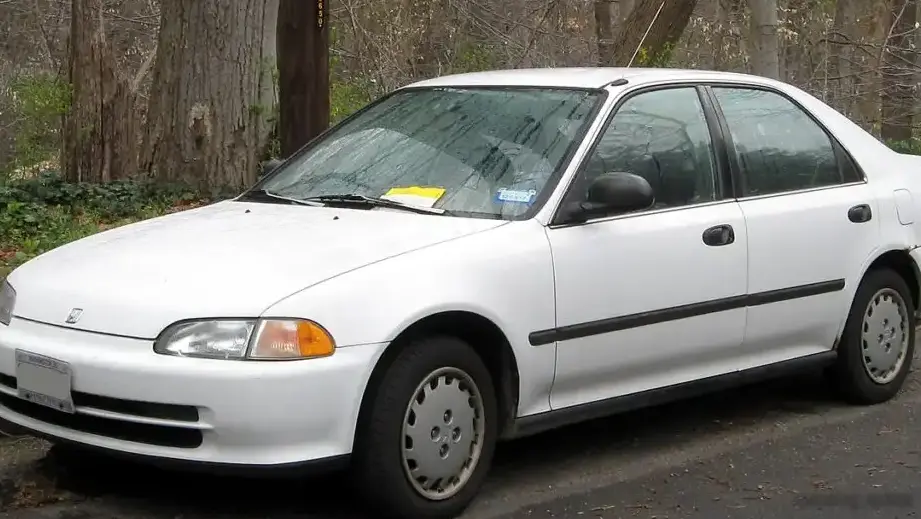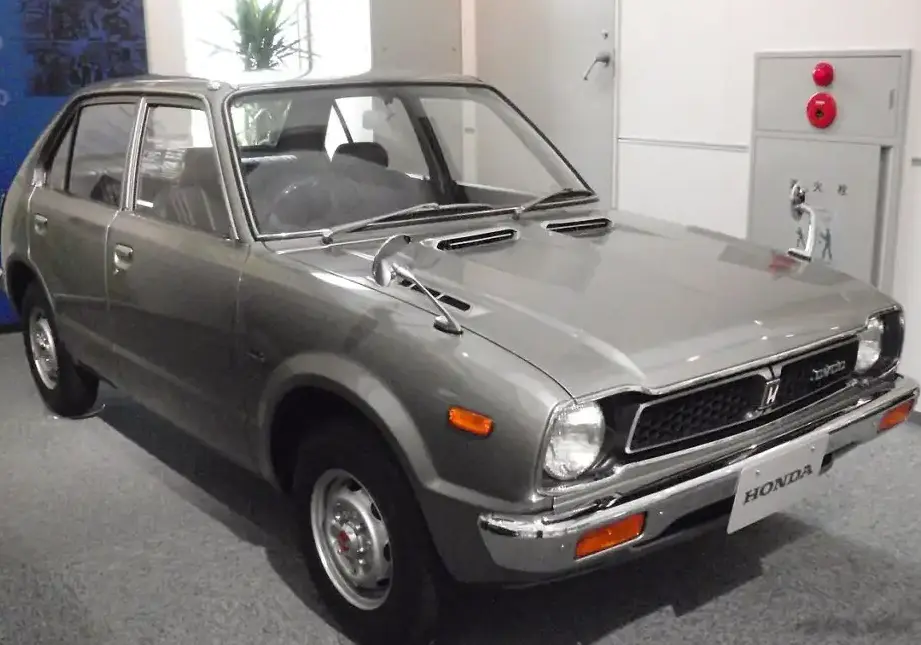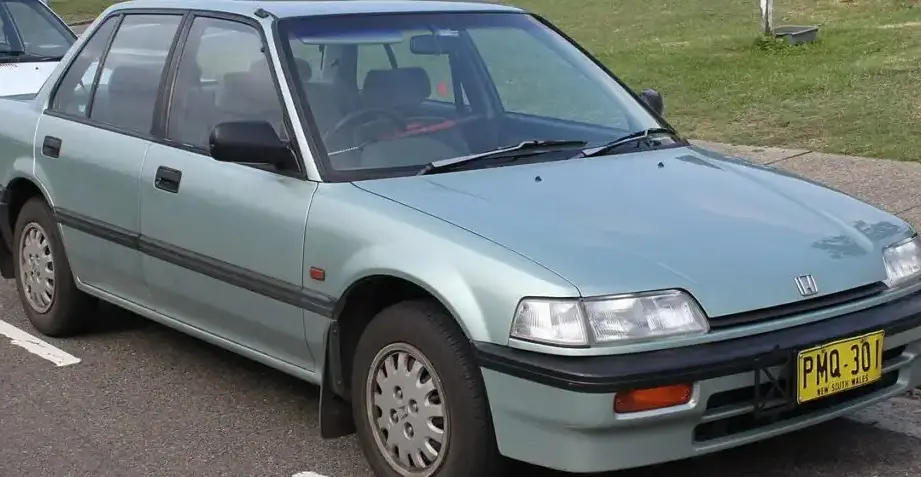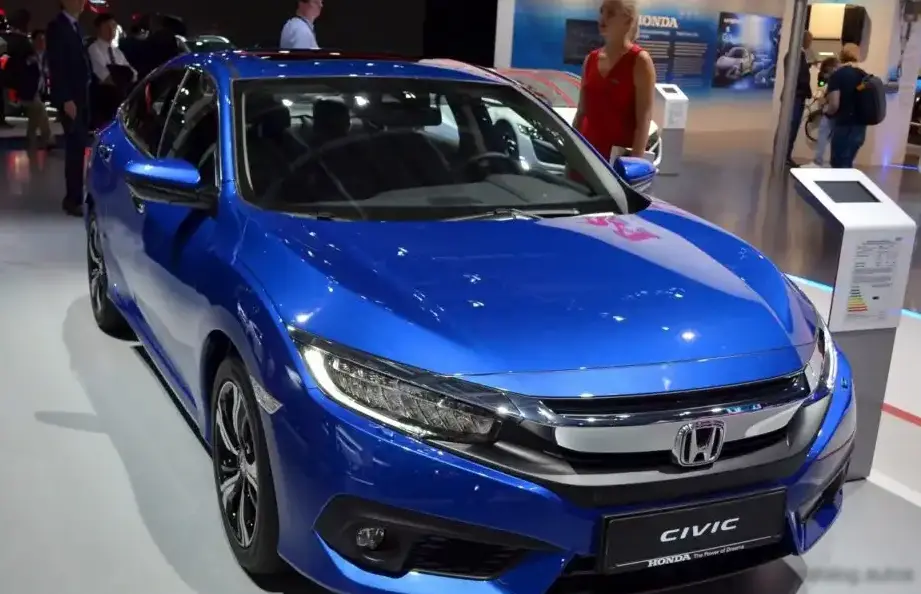
The Honda Civic X Sedan 1.5 VTEC Turbo, produced from 2017 to 2019, represented a significant step forward for Honda’s popular compact car. Part of the tenth-generation Civic (internally designated as the 1HX platform), this variant offered a compelling blend of fuel efficiency, performance, and technology aimed at the mainstream American car buyer. Positioned as a mid-range offering within the Civic Sedan lineup, it slotted between the base 2.0-liter naturally aspirated engine and the more performance-oriented trims. This model was specifically designed to appeal to drivers seeking a modern, well-equipped sedan with a responsive turbocharged engine and the convenience of a continuously variable transmission (CVT).
Technical Specifications
| Brand | Honda |
| Model | Civic |
| Generation | Civic X Sedan |
| Type (Engine) | 1.5 VTEC (182 Hp) CVT Turbo |
| Start of production | 2017 |
| End of production | 2019 |
| Powertrain Architecture | Internal Combustion engine |
| Body type | Sedan |
| Seats | 5 |
| Doors | 4 |
| Fuel consumption (urban) | 7.7 l/100 km (30.5 US mpg) |
| Fuel consumption (extra urban) | 4.7 l/100 km (50 US mpg) |
| Fuel consumption (combined) | 5.8 l/100 km (40.6 US mpg) |
| CO2 emissions | 131 g/km |
| Fuel Type | Petrol (Gasoline) |
| Acceleration 0 – 100 km/h | 8.4 sec |
| Acceleration 0 – 62 mph | 8.4 sec |
| Acceleration 0 – 60 mph | 8 sec |
| Maximum speed | 200 km/h (124.27 mph) |
| Emission standard | Euro 6 |
| Weight-to-power ratio | 7 kg/Hp |
| Weight-to-torque ratio | 5.8 kg/Nm |
| Power | 182 Hp @ 6000 rpm |
| Torque | 220 Nm @ 1700-5500 rpm (162.26 lb.-ft. @ 1700-5500 rpm) |
| Engine layout | Front, Transverse |
| Engine Model/Code | L15BA |
| Engine displacement | 1498 cm3 (91.41 cu. in.) |
| Number of cylinders | 4 |
| Engine configuration | Inline |
| Cylinder Bore | 73 mm (2.87 in.) |
| Piston Stroke | 89.5 mm (3.52 in.) |
| Compression ratio | 10.6:1 |
| Number of valves per cylinder | 4 |
| Fuel injection system | Direct injection |
| Engine aspiration | Turbocharger, Intercooler |
| Valvetrain | DOHC |
| Engine oil capacity | 3.5 l (3.7 US qt | 3.08 UK qt) |
| Coolant | 5.1 l (5.39 US qt | 4.49 UK qt) |
| Kerb Weight | 1273 kg (2806.48 lbs.) |
| Max. weight | 1770 kg (3902.18 lbs.) |
| Max load | 497 kg (1095.7 lbs.) |
| Trunk (boot) space – minimum | 519 l (18.33 cu. ft.) |
| Fuel tank capacity | 46 l (12.15 US gal | 10.12 UK gal) |
| Permitted trailer load with brakes (12%) | 1000 kg (2204.62 lbs.) |
| Permitted trailer load without brakes | 500 kg (1102.31 lbs.) |
| Permitted towbar download | 75 kg (165.35 lbs.) |
| Length | 4648 mm (182.99 in.) |
| Width | 1799 mm (70.83 in.) |
| Width including mirrors | 2076 mm (81.73 in.) |
| Height | 1416 mm (55.75 in.) |
| Wheelbase | 2698 mm (106.22 in.) |
| Front track | 1543 mm (60.75 in.) |
| Rear (Back) track | 1557 mm (61.3 in.) |
| Ride height (ground clearance) | 124 mm (4.88 in.) |
| Minimum turning circle (turning diameter) | 11.3 m (37.07 ft.) |
| Drivetrain Architecture | Front wheel drive |
| Number of gears and type of gearbox | automatic transmission CVT |
| Front suspension | Independent type McPherson |
| Rear suspension | Independent multi-link suspension |
| Front brakes | Ventilated discs |
| Rear brakes | Disc |
| Assisting systems | ABS (Anti-lock braking system) |
| Steering type | Steering rack and pinion |
| Power steering | Electric Steering |
| Tires size | 215/50 R17 |
| Wheel rims size | 7J x 17 |
Powertrain & Engine Architecture
At the heart of the Civic X Sedan 1.5 VTEC Turbo lies the L15BA 1.5-liter inline-four cylinder engine. This engine is a member of Honda’s Earth Dreams Technology series, emphasizing efficiency and performance. The L15BA utilizes direct injection, a single-scroll turbocharger, and a sophisticated variable valve timing and lift electronic control (VTEC) system. The VTEC system allows for seamless transitions between two distinct camshaft profiles, optimizing low-end torque and high-end horsepower. The turbocharger provides a significant boost in power compared to naturally aspirated engines of similar displacement. The engine’s output of 182 horsepower at 6,000 rpm and 177 lb-ft of torque between 1,700 and 5,500 rpm provided a noticeable improvement in acceleration and passing power. Paired with the engine is a continuously variable transmission (CVT). Honda’s G-Design Shift logic in the CVT aimed to mimic the feel of traditional automatic gear changes, addressing a common complaint about CVTs.
Driving Characteristics
The 1.5L Turbo with CVT offered a surprisingly responsive driving experience. While not as engaging as the available six-speed manual transmission, the CVT was well-tuned for everyday driving. The G-Design shift logic provided simulated gear changes, making the power delivery feel more natural. Acceleration from 0-60 mph took approximately 8 seconds, making it competitive within its class. The CVT’s continuously variable ratios allowed the engine to stay within its optimal power band, resulting in smooth and efficient acceleration. Compared to the base 2.0-liter Civic, the 1.5T offered significantly more power and torque, particularly at lower RPMs. However, it didn’t quite match the performance of the Si trim with its more powerful engine and sport-tuned suspension.
Equipment & Trim Levels
The 1.5L VTEC Turbo trim typically included features such as automatic climate control, a 7-inch touchscreen infotainment system with Apple CarPlay and Android Auto compatibility, a rearview camera, and Honda Sensing suite of safety features (including adaptive cruise control, lane keeping assist, and collision mitigation braking). Interior upholstery was typically cloth, with available upgrades to leather in higher sub-trims. Optional extras included a sunroof, upgraded audio system, and heated front seats. The overall interior design was modern and functional, with a focus on user-friendliness.
Chassis & Braking
The Civic X Sedan utilized a MacPherson strut front suspension and a multi-link rear suspension, providing a comfortable and controlled ride. The front brakes were ventilated discs, while the rear brakes were solid discs. Anti-lock braking system (ABS) was standard. The chassis was designed to be lightweight and rigid, contributing to improved handling and fuel efficiency. The steering was electric power-assisted, providing a light and responsive feel.
Market Reception & Comparison
The 1.5L VTEC Turbo Civic Sedan was generally well-received by automotive critics. It was praised for its fuel efficiency, responsive engine, and comfortable ride. The CVT was a point of contention for some reviewers, but Honda’s G-Design shift logic helped to mitigate some of the typical CVT drawbacks. Compared to competitors like the Toyota Corolla and Mazda3, the Civic offered a more engaging driving experience and a more modern interior. Fuel economy was a strong point, with combined MPG figures consistently around 40.6 US mpg. Reliability was also a positive factor, with Honda having a strong reputation for building durable and dependable vehicles.
Legacy
The L15BA engine and the CVT transmission pairing proved to be relatively reliable in the Civic X Sedan. While some owners have reported minor issues with the turbocharger or CVT, these were not widespread. On the used car market, the 2017-2019 Civic X Sedan 1.5 VTEC Turbo remains a popular choice due to its blend of fuel efficiency, performance, and features. Its continued demand reflects Honda’s success in creating a well-rounded and appealing compact car that continues to hold its value.