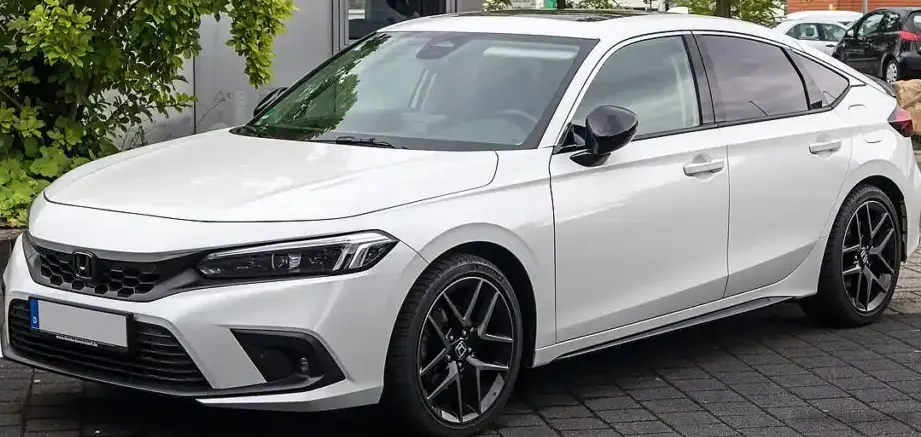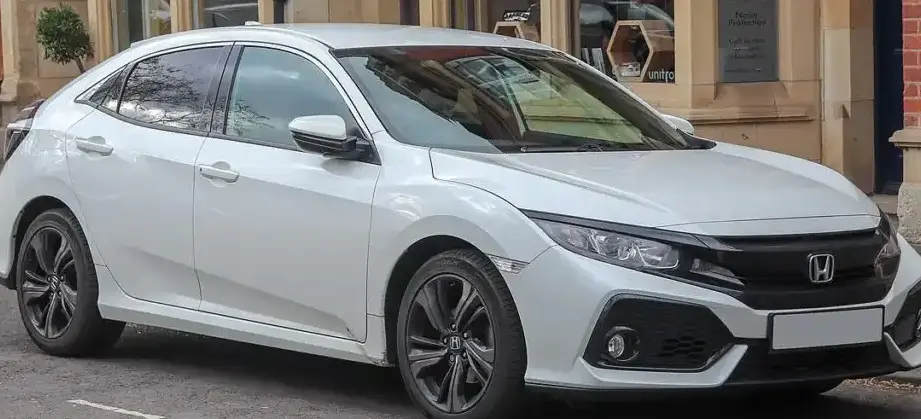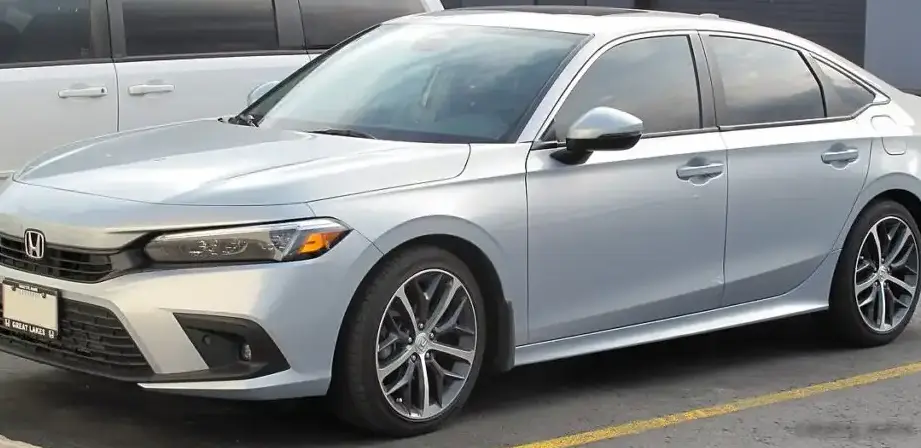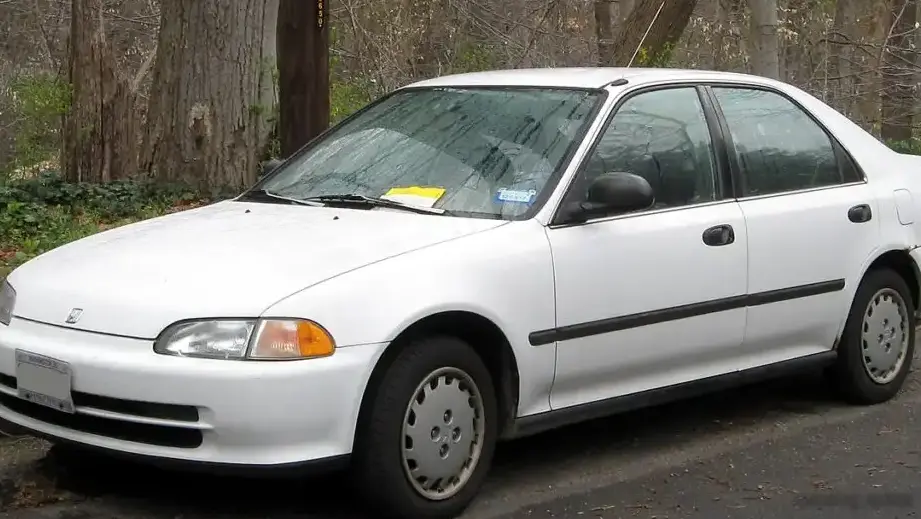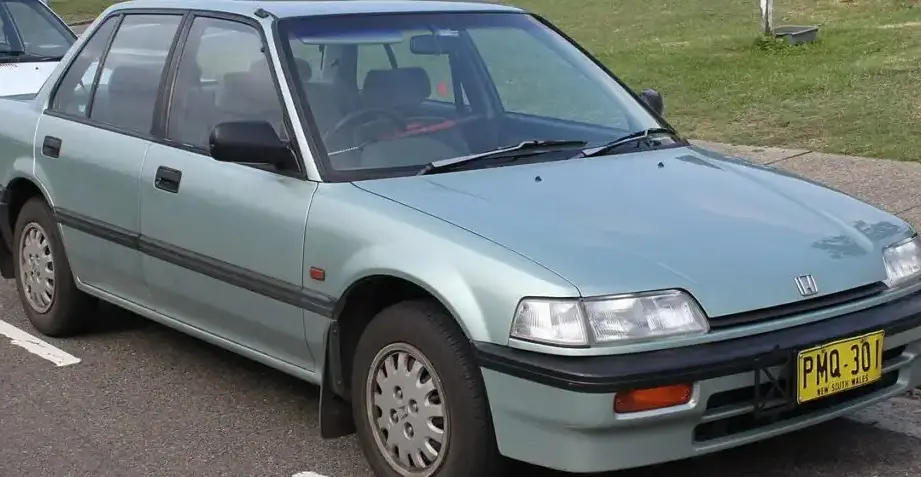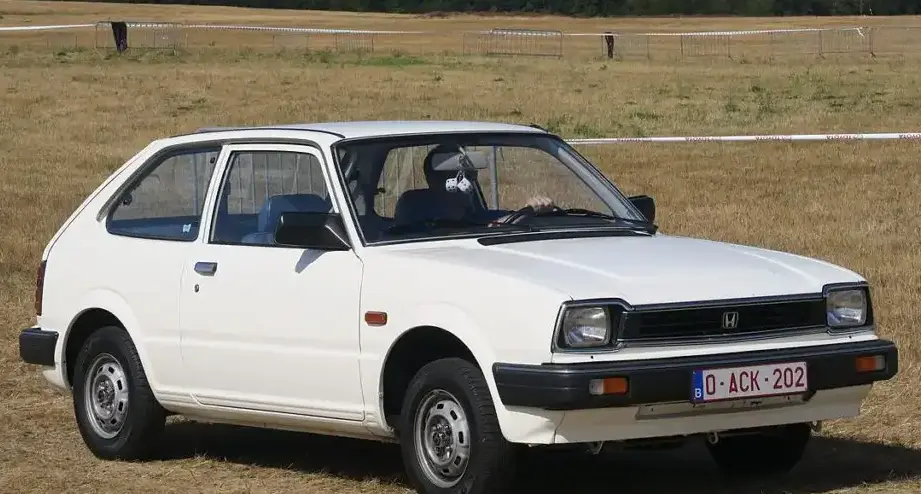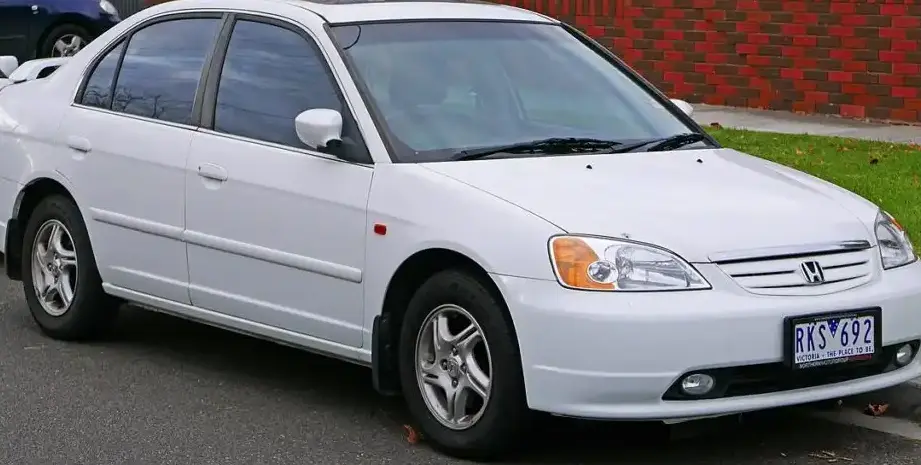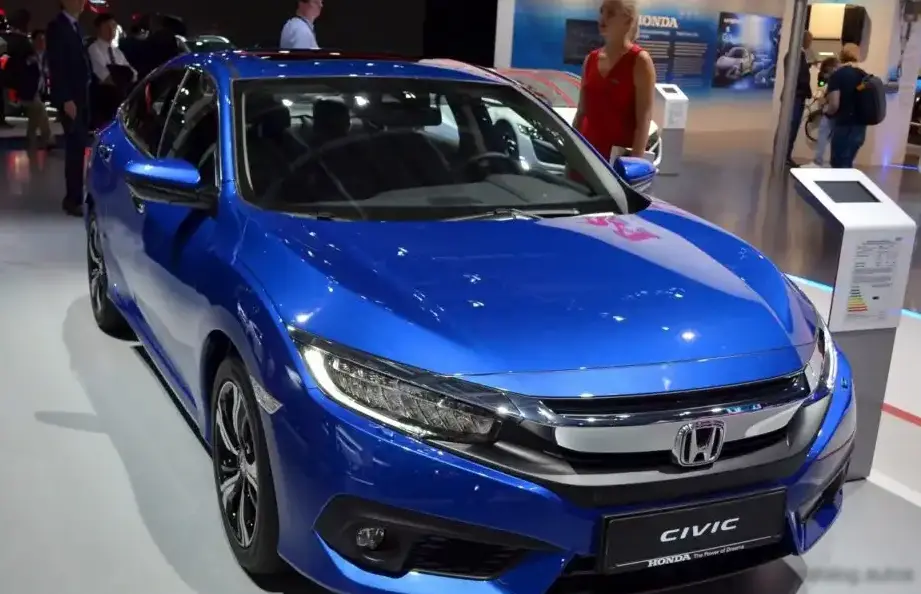
The Honda Civic X Sedan 2.0, produced from 2016 to 2019, represented a significant evolution in Honda’s popular compact car lineage. Positioned as a mid-range offering within the tenth-generation Civic lineup (internally designated as the 10th generation), this variant aimed to balance performance, fuel efficiency, and affordability. It served as a key model in the North American market, where sedans remained highly favored, and offered a step up from the base 1.5-liter turbocharged engine while remaining more accessible than the higher-performance trims. The 2.0-liter engine provided a naturally aspirated alternative in a market increasingly leaning towards forced induction.
Technical Specifications
| Brand | Honda |
| Model | Civic |
| Generation | Civic X Sedan |
| Type (Engine) | 2.0 (158 Hp) |
| Start of production | 2016 |
| End of production | 2019 |
| Powertrain Architecture | Internal Combustion engine |
| Body type | Sedan |
| Seats | 5 |
| Doors | 4 |
| Fuel consumption (urban) | 8.7 l/100 km (27 US mpg) |
| Fuel consumption (extra urban) | 5.9 l/100 km (39.9 US mpg) |
| Fuel consumption (combined) | 7.6 l/100 km (30.9 US mpg) |
| Fuel Type | Petrol (Gasoline) |
| Weight-to-power ratio | 7.9 kg/Hp |
| Weight-to-torque ratio | 6.6 kg/Nm |
| Power | 158 Hp @ 6500 rpm |
| Power per litre | 79.2 Hp/l |
| Torque | 188 Nm @ 4200 rpm (138.66 lb.-ft. @ 4200 rpm) |
| Engine layout | Front, Transverse |
| Engine Model/Code | K20C |
| Engine displacement | 1996 cm3 (121.8 cu. in.) |
| Number of cylinders | 4 |
| Engine configuration | Inline |
| Cylinder Bore | 86 mm (3.39 in.) |
| Piston Stroke | 85.9 mm (3.38 in.) |
| Compression ratio | 10.8:1 |
| Number of valves per cylinder | 4 |
| Fuel injection system | Multi-port manifold injection |
| Engine aspiration | Naturally aspirated engine |
| Engine oil capacity | 4.2 l (4.44 US qt | 3.7 UK qt) |
| Coolant capacity | 4.6 l (4.86 US qt | 4.05 UK qt) |
| Kerb Weight | 1245 kg (2744.76 lbs.) |
| Trunk (boot) space (minimum) | 428 l (15.11 cu. ft.) |
| Fuel tank capacity | 46 l (12.15 US gal | 10.12 UK gal) |
| Length | 4630 mm (182.28 in.) |
| Width | 1798 mm (70.79 in.) |
| Height | 1415 mm (55.71 in.) |
| Wheelbase | 2700 mm (106.3 in.) |
| Front track | 1545 mm (60.83 in.) |
| Rear track | 1562 mm (61.5 in.) |
| Ride height (ground clearance) | 130 mm (5.12 in.) |
| Drivetrain Architecture | Front wheel drive |
| Number of gears and type of gearbox | 6 gears, manual transmission |
| Front suspension | Independent, type McPherson with coil spring and anti-roll bar |
| Rear suspension | Semi-independent, coil spring |
| Front brakes | Ventilated discs |
| Rear brakes | Disc |
| Assisting systems | ABS (Anti-lock braking system) |
| Steering type | Steering rack and pinion |
| Power steering | Electric Steering |
| Tires size | 215/55 R16 |
| Wheel rims size | 16 |
Powertrain & Engine Architecture
The heart of the Civic X Sedan 2.0 is the K20C 2.0-liter inline-four cylinder engine. This engine is a naturally aspirated powerplant, eschewing the turbocharging trend prevalent in many of its competitors. The K20C utilizes multi-point fuel injection and a dual overhead camshaft (DOHC) valvetrain with four valves per cylinder. This configuration contributes to its relatively high specific output of 79.2 horsepower per liter. The engine’s design prioritizes responsiveness and linear power delivery. The standard transmission for this variant was a six-speed manual, providing drivers with a direct connection to the engine. The engine’s internal friction was minimized through the use of lightweight pistons and optimized oiling passages, contributing to improved fuel efficiency.
Driving Characteristics
The 158-horsepower output of the K20C, coupled with the six-speed manual transmission, provided a reasonably engaging driving experience. While not a performance-oriented trim, the 2.0-liter Civic offered sufficient power for everyday driving and highway merging. The gear ratios were well-matched to the engine’s torque curve, allowing for brisk acceleration in the lower gears. Compared to the 1.5-liter turbocharged version, the 2.0-liter felt more predictable and linear in its power delivery, lacking the low-end torque of the turbo engine but offering a more consistent pull throughout the rev range. The manual transmission provided precise shifts and a satisfying mechanical feel, appealing to drivers who preferred a more involved driving experience.
Equipment & Trim Levels
The 2.0-liter Civic X Sedan typically came standard with features such as a 5-inch LCD screen for infotainment, Bluetooth connectivity, a rearview camera, and automatic climate control. Higher trim levels, such as the EX and EX-L, added features like a larger touchscreen display, Apple CarPlay and Android Auto integration, heated front seats, a sunroof, and leather upholstery. The base 2.0-liter trim often featured cloth upholstery and a more basic interior trim compared to its higher-spec siblings. Optional extras included alloy wheels, upgraded audio systems, and Honda Sensing suite of safety features.
Chassis & Braking
The Civic X Sedan utilized a McPherson strut front suspension and a semi-independent multi-link rear suspension. This setup provided a good balance between ride comfort and handling. The front suspension incorporated a stabilizer bar to reduce body roll during cornering. Braking duties were handled by ventilated discs at the front and solid discs at the rear. Anti-lock braking system (ABS) was standard. The chassis was designed to be lightweight, contributing to the car’s overall agility and fuel efficiency. The steering system was an electric power-assisted rack and pinion, providing precise and responsive steering feel.
Market Reception & Comparison
Critics generally praised the Civic X Sedan 2.0 for its responsive engine, engaging driving dynamics, and comfortable ride. It was often seen as a more appealing option for drivers who preferred a naturally aspirated engine and a manual transmission. Compared to the 1.5-liter turbo, the 2.0-liter offered a more traditional driving experience, but with slightly lower fuel economy and less low-end torque. The 2.0-liter also offered a more affordable entry point into the Civic X Sedan range, making it an attractive option for budget-conscious buyers. Reliability reports generally indicated good long-term dependability for the K20C engine.
Legacy
The Honda Civic X Sedan 2.0 has proven to be a reliable and durable vehicle in the used car market. The K20C engine is known for its longevity and relatively low maintenance costs. While the 1.5-liter turbo became more popular, the 2.0-liter variant retains a loyal following among enthusiasts who appreciate its naturally aspirated character and engaging driving experience. Parts availability remains good, and the Civic X Sedan continues to be a popular choice for those seeking a practical, reliable, and enjoyable compact car.