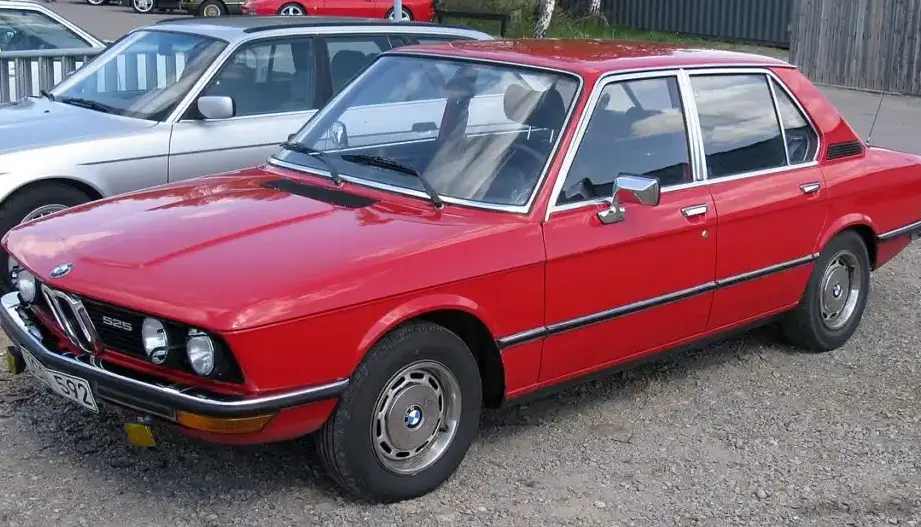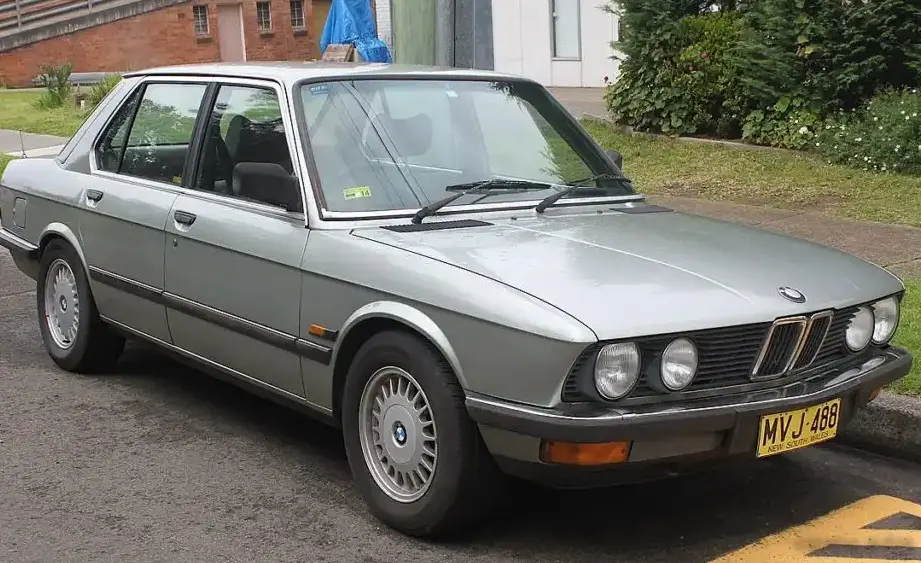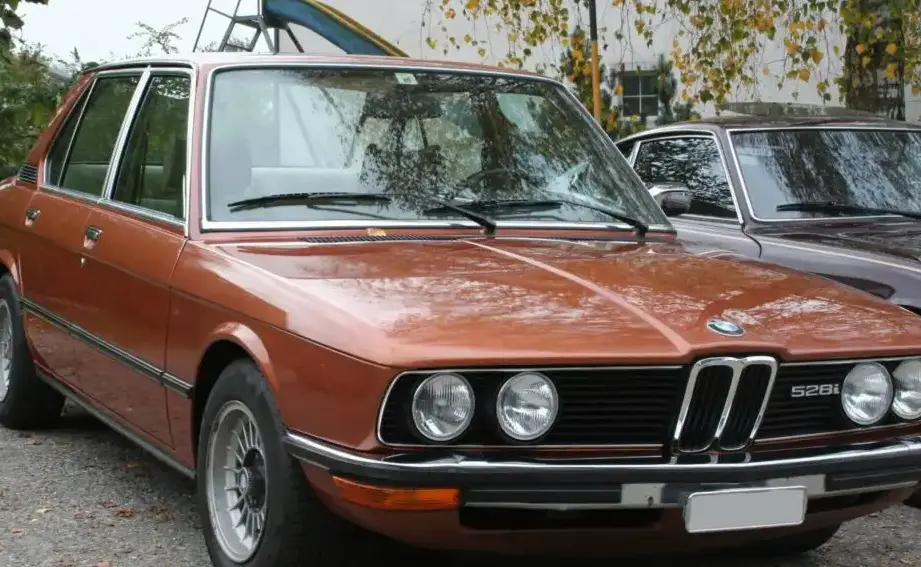
The BMW 528, produced between 1976 and 1977, represents a significant iteration of the E12 5 Series, BMW’s mid-size offering. This facelifted version of the original E12, introduced in 1972, aimed to refine the already successful formula with subtle styling updates and, crucially, a more potent engine option. The 528 occupied a premium position within the E12 range, positioned above the 525 and offering a noticeable performance increase. It was BMW’s response to growing demand for a sporty, yet comfortable, executive sedan, primarily targeted at the North American and European markets.
Technical Specifications
| Brand | BMW |
| Model | 5 Series |
| Generation | 5 Series (E12, Facelift 1976) |
| Type (Engine) | 528 (170 Hp) |
| Start of production | 1976 |
| End of production | 1977 |
| Powertrain Architecture | Internal Combustion engine |
| Body type | Sedan |
| Seats | 5 |
| Doors | 4 |
| Fuel consumption (economy) – combined | 10.8 l/100 km |
| Fuel consumption (economy) – combined | 21.8 US mpg |
| Fuel consumption (economy) – combined | 26.2 UK mpg |
| Fuel consumption (economy) – combined | 9.3 km/l |
| Fuel Type | Petrol (Gasoline) |
| Acceleration 0 – 100 km/h | 9.5 sec |
| Acceleration 0 – 62 mph | 9.5 sec |
| Acceleration 0 – 60 mph | 9 sec |
| Maximum speed | 198 km/h |
| Maximum speed | 123.03 mph |
| Weight-to-power ratio | 8.1 kg/Hp |
| Weight-to-power ratio | 122.7 Hp/tonne |
| Weight-to-torque ratio | 5.5 kg/Nm |
| Weight-to-torque ratio | 182.7 Nm/tonne |
| Power | 170 Hp @ 5800 rpm |
| Power per litre | 61 Hp/l |
| Torque | 253 Nm @ 4000 rpm |
| Torque | 186.6 lb.-ft. @ 4000 rpm |
| Engine layout | Front, Longitudinal |
| Engine Model/Code | M30B28 |
| Engine displacement | 2788 cm3 |
| Engine displacement | 170.13 cu. in. |
| Number of cylinders | 6 |
| Engine configuration | Inline |
| Cylinder Bore | 84 mm |
| Cylinder Bore | 3.31 in. |
| Piston Stroke | 84 mm |
| Piston Stroke | 3.31 in. |
| Compression ratio | 10.2:1 |
| Number of valves per cylinder | 4 |
| Fuel injection system | Carburettor |
| Engine aspiration | Naturally aspirated engine |
| Engine oil capacity | 5.8 l |
| Engine oil capacity | 6.13 US qt |
| Engine oil capacity | 5.1 UK qt |
| Kerb Weight | 1385 kg |
| Kerb Weight | 3053.4 lbs |
| Trunk (boot) space – minimum | 440 l |
| Trunk (boot) space – minimum | 15.54 cu. ft. |
| Fuel tank capacity | 70 l |
| Fuel tank capacity | 18.49 US gal |
| Fuel tank capacity | 15.4 UK gal |
| Length | 4620 mm |
| Length | 181.89 in. |
| Width | 1690 mm |
| Width | 66.54 in. |
| Height | 1425 mm |
| Height | 56.1 in. |
| Wheelbase | 2636 mm |
| Wheelbase | 103.78 in. |
| Front track | 1406 mm |
| Front track | 55.35 in. |
| Rear (Back) track | 1442 mm |
| Rear (Back) track | 56.77 in. |
| Ride height (ground clearance) | 140 mm |
| Ride height (ground clearance) | 5.51 in. |
| Drivetrain Architecture | The Internal combustion engine (ICE) drives the rear wheels of the vehicle. |
| Drive wheel | Rear wheel drive |
| Number of gears and type of gearbox | 4 gears, manual transmission |
| Front brakes | Disc |
| Rear brakes | Disc |
Powertrain & Engine Architecture
The heart of the 528 was the M30B28 engine, a 2.8-liter inline-six cylinder powerplant. This engine represented a significant upgrade over the 525’s 2.5-liter unit. The M30 engine family was renowned for its smoothness and durability, and the B28 variant was specifically tuned for increased performance. Unlike later BMW engines, the 528 utilized a Solex 40 PHH carburetor for fuel delivery, a common practice for the era. This carburetor system, while effective, was less precise than the fuel injection systems that would become standard in subsequent generations. The engine featured a single overhead camshaft (SOHC) valvetrain with two valves per cylinder. The 10.2:1 compression ratio contributed to the engine’s respectable power output. The engine’s longitudinal front-engine layout, coupled with rear-wheel drive, was a hallmark of BMW’s engineering philosophy at the time, providing a balanced driving experience.
Driving Characteristics
The 528 offered a noticeable step up in performance compared to the 525. The 170 horsepower and 186.6 lb-ft of torque allowed for a 0-60 mph time of around 9 seconds and a top speed of 123 mph. While these figures may seem modest by modern standards, they were competitive for a mid-size sedan in the 1970s. The four-speed manual transmission, standard on the 528, provided precise gear changes and allowed the driver to fully exploit the engine’s powerband. The car felt responsive and eager, particularly in the mid-range. The suspension, while comfortable, was firm enough to provide good handling and stability, making it a capable cruiser and a reasonably engaging driver’s car.
Equipment & Trim Levels
The 528 was generally well-equipped for its time, though options were plentiful. Standard features included cloth upholstery, a basic radio, and manual windows. Higher trim levels offered features like leather upholstery, power windows, and a more sophisticated sound system. The interior design was functional and understated, reflecting BMW’s focus on driver ergonomics. The dashboard layout was clean and straightforward, with clearly marked gauges. Optional extras included a sunroof, air conditioning, and a limited-slip differential, enhancing both comfort and performance.
Chassis & Braking
The E12 5 Series featured a robust chassis with independent suspension at all four wheels. The front suspension utilized MacPherson struts, while the rear employed a semi-trailing arm design. This setup provided a good balance of ride comfort and handling precision. The 528 was equipped with disc brakes on all four wheels, providing ample stopping power. The braking system was unassisted, requiring a firm pedal effort, but offered good feel and control. Stabilizer bars were fitted front and rear to reduce body roll during cornering.
Market Reception & Comparison
The 528 was generally well-received by automotive critics. It was praised for its smooth engine, responsive handling, and comfortable ride. Compared to the 525, the 528 offered a significant performance advantage, making it a more appealing choice for drivers who prioritized driving enjoyment. However, the 528’s higher price tag and slightly lower fuel economy meant it wasn’t as popular as the more affordable 525. The 528 also faced competition from other European sedans, such as the Mercedes-Benz W123 and the Audi 100, but it distinguished itself with its sporty character and engaging driving dynamics.
Legacy
The BMW 528 (E12) holds a respected place in automotive history as a well-engineered and enjoyable classic. The M30B28 engine is known for its durability and is still sought after by enthusiasts today. While carburetor maintenance can be a concern, the engine is relatively straightforward to work on. The E12 5 Series, in general, is considered a reliable and well-built car, and the 528, with its more powerful engine, remains a desirable variant in the used car market. Its blend of performance, comfort, and classic BMW styling continues to attract collectors and enthusiasts alike, ensuring its legacy endures.