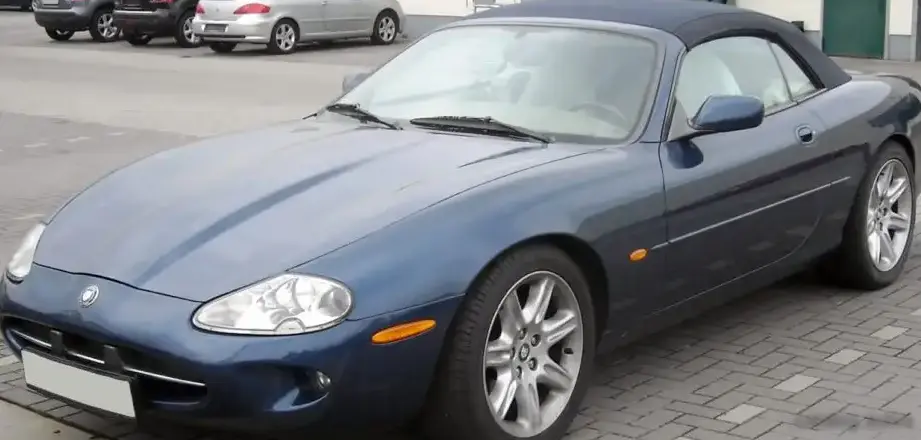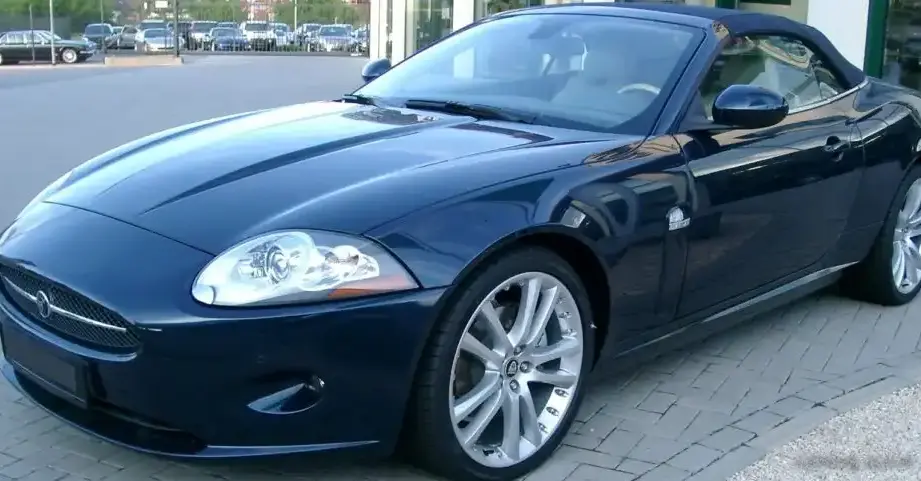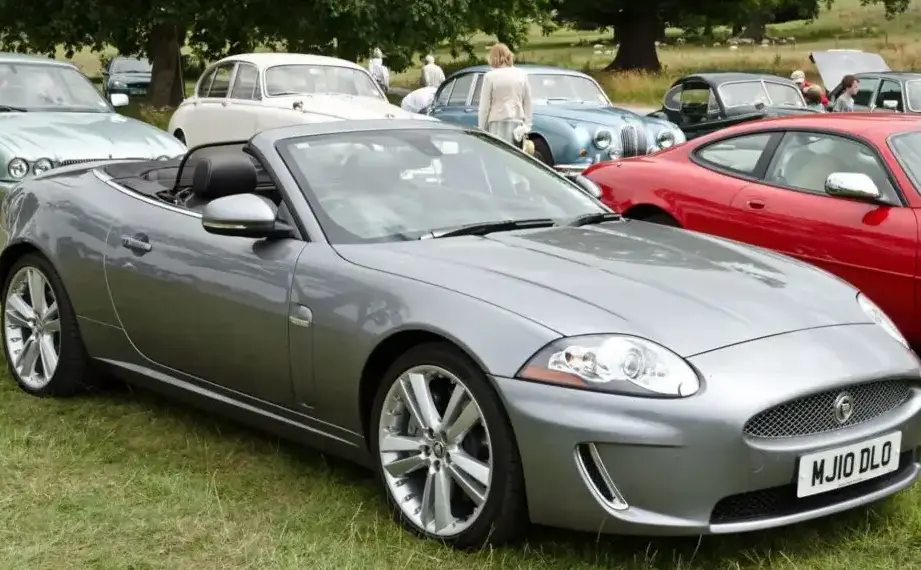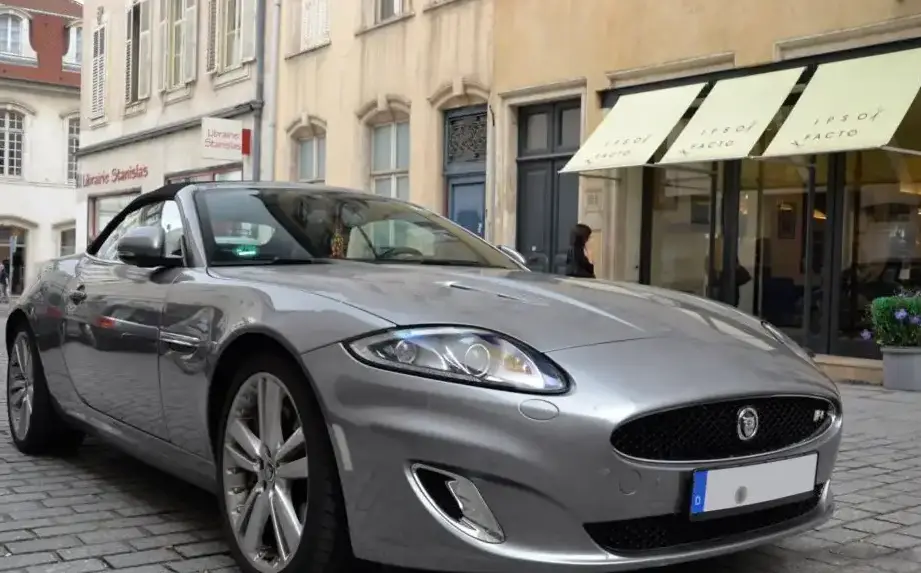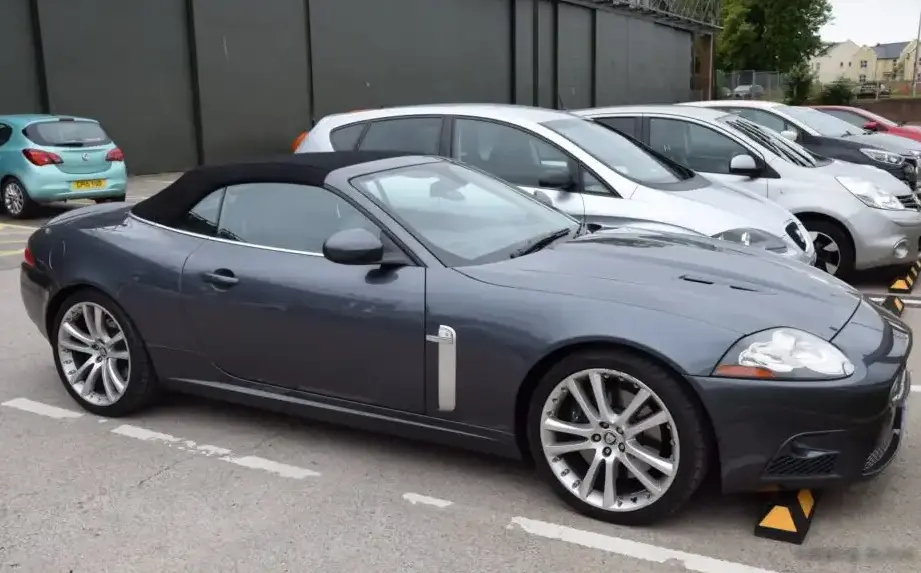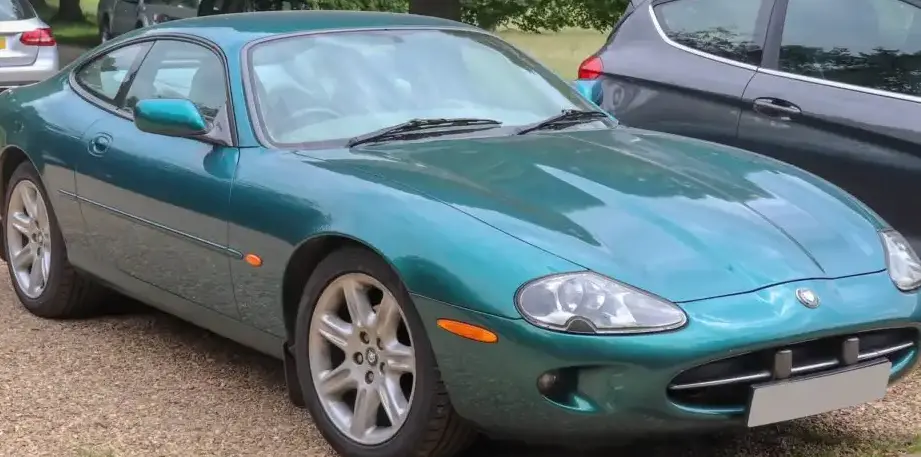
The Jaguar XK Coupe (X100) R 4.2 V8 Automatic, produced from 2002 to 2005, represented the performance pinnacle of the X100 generation. Positioned as the flagship model, the ‘R’ variant offered a substantial increase in power and a more focused driving experience compared to the standard XK8 and the intermediate 4.0-liter models. Built on Jaguar’s JH1 platform, the X100 aimed to blend traditional British luxury with modern performance, and the R variant pushed that envelope significantly. This model served as a direct competitor to grand tourers from Porsche, BMW, and Mercedes-Benz, offering a unique combination of style, power, and refinement.
Technical Specifications
| Brand | Jaguar |
| Model | XK |
| Generation | XK Coupe (X100) |
| Type (Engine) | R 4.2 V8 (395 Hp) Automatic |
| Start of production | 2002 |
| End of production | 2005 |
| Powertrain Architecture | Internal Combustion engine |
| Body type | Coupe |
| Seats | 4 |
| Doors | 2 |
| Fuel consumption (urban) | 18 l/100 km (13.1 US mpg, 15.7 UK mpg, 5.6 km/l) |
| Fuel consumption (extra urban) | 9.1 l/100 km (25.8 US mpg, 31 UK mpg, 11 km/l) |
| Fuel consumption (combined) | 12.4 l/100 km (19 US mpg, 22.8 UK mpg, 8.1 km/l) |
| Fuel Type | Petrol (Gasoline) |
| Acceleration 0 – 100 km/h | 5.4 sec |
| Acceleration 0 – 62 mph | 5.4 sec |
| Acceleration 0 – 60 mph | 5.1 sec |
| Maximum speed | 250 km/h (155.34 mph) |
| Weight-to-power ratio | 4.4 kg/Hp, 227.7 Hp/tonne |
| Weight-to-torque ratio | 3.2 kg/Nm, 311.8 Nm/tonne |
| Power | 395 Hp @ 6100 rpm |
| Power per litre | 94.1 Hp/l |
| Torque | 541 Nm @ 5500 rpm (399.02 lb.-ft. @ 5500 rpm) |
| Engine layout | Front, Longitudinal |
| Engine Model/Code | AJ33S |
| Engine displacement | 4196 cm3 (256.06 cu. in.) |
| Number of cylinders | 8 |
| Engine configuration | V-engine |
| Cylinder Bore | 86 mm (3.39 in.) |
| Piston Stroke | 90.3 mm (3.56 in.) |
| Compression ratio | 9.1:1 |
| Number of valves per cylinder | 4 |
| Fuel injection system | Multi-port manifold injection |
| Engine aspiration | Supercharger, Intercooler |
| Valvetrain | DOHC |
| Engine oil capacity | 7 l (7.4 US qt | 6.16 UK qt) |
| Coolant | 11 l (11.62 US qt | 9.68 UK qt) |
| Kerb Weight | 1735 kg (3825.02 lbs.) |
| Max. weight | 2104 kg (4638.53 lbs.) |
| Max load | 369 kg (813.51 lbs.) |
| Trunk (boot) space – minimum | 327 l (11.55 cu. ft.) |
| Fuel tank capacity | 75 l (19.81 US gal | 16.5 UK gal) |
| Length | 4760 mm (187.4 in.) |
| Width | 1829 mm (72.01 in.) |
| Height | 1296 mm (51.02 in.) |
| Wheelbase | 2588 mm (101.89 in.) |
| Front track | 1504 mm (59.21 in.) |
| Rear (Back) track | 1498 mm (58.98 in.) |
| Drivetrain Architecture | Rear wheel drive |
| Drive wheel | Rear wheel drive |
| Number of gears and type of gearbox | 6 gears, automatic transmission |
| Front suspension | Double wishbone |
| Rear suspension | Double wishbone |
| Front brakes | Ventilated discs |
| Rear brakes | Ventilated discs |
| Assisting systems | ABS (Anti-lock braking system) |
| Steering type | Steering rack and pinion |
| Tires size | 245/45 R18; 255/45 R18 |
Powertrain & Engine Architecture
The heart of the XK R 4.2 was the AJ33S 4.2-liter supercharged V8 engine. This engine represented a significant upgrade over the naturally aspirated 4.0-liter V8 found in earlier XK8 models. The AJ33S featured a Roots-type supercharger, providing forced induction and boosting power output to 395 horsepower and 399 lb-ft of torque. The engine utilized multi-port fuel injection and a double overhead camshaft (DOHC) valvetrain with four valves per cylinder. An intercooler was integrated into the intake manifold to cool the compressed air, further enhancing performance. The engine’s block was constructed from aluminum alloy, contributing to a relatively lightweight design. The six-speed automatic transmission, sourced from ZF, was specifically calibrated to handle the increased power and torque of the supercharged engine. This transmission featured a ‘Sport’ mode for more aggressive shifting.
Driving Characteristics
The XK R 4.2 Automatic delivered a markedly different driving experience compared to its naturally aspirated siblings. The supercharger provided instant and substantial torque, resulting in brisk acceleration. The 0-60 mph sprint was consistently achieved in around 5.1 to 5.4 seconds, making it a genuinely quick grand tourer for its time. The automatic transmission, while smooth in normal driving, offered responsive shifts in Sport mode. However, it wasn’t as engaging as a manual transmission, and some drivers found it could occasionally hunt for gears during spirited driving. The suspension, while comfortable, was firmer than the standard XK8, providing better body control and handling. The rear-wheel-drive configuration contributed to a balanced feel, although traction could be a concern under hard acceleration, particularly in wet conditions.
Equipment & Trim Levels
The XK R 4.2 came generously equipped as standard. Interior features included leather upholstery, wood veneer trim, automatic climate control, and a premium sound system. Standard exterior features included 18-inch alloy wheels, a body-colored aerodynamic kit, and a rear spoiler. Optional extras included heated seats, navigation system, and upgraded leather options. The ‘R’ trim also featured unique interior accents, such as aluminum pedals and sport seats, to differentiate it from the standard XK8.
Chassis & Braking
The X100 chassis utilized a double wishbone suspension system at both the front and rear. The ‘R’ variant featured stiffer springs and dampers compared to the standard XK8, improving handling and reducing body roll. Braking duties were handled by ventilated disc brakes on all four wheels, equipped with ABS (Anti-lock Braking System). The braking system provided ample stopping power, although the feel could be somewhat soft. The steering was a rack-and-pinion system, offering precise and responsive control.
Market Reception & Comparison
The XK R 4.2 was generally well-received by automotive critics. It was praised for its powerful engine, luxurious interior, and refined driving experience. However, some critics noted the automatic transmission wasn’t as engaging as a manual, and the fuel economy was relatively poor (around 19 US mpg combined). Compared to the standard XK8, the ‘R’ offered a significant performance upgrade, but at a higher price point. Compared to competitors like the Porsche 911 and BMW 6 Series, the XK R offered a more comfortable and luxurious ride, but lacked the same level of outright performance and handling precision.
Legacy
The Jaguar XK R 4.2 has proven to be a relatively reliable grand tourer, although maintenance can be expensive due to the complexity of the engine and the cost of parts. The supercharged V8 engine is generally robust, but regular maintenance, including oil changes and timing chain inspections, is crucial. The ZF automatic transmission is also known for its durability, but can require servicing over time. Today, the XK R 4.2 is a sought-after classic, appealing to enthusiasts who appreciate its blend of British luxury, performance, and style. Well-maintained examples command a premium in the used car market, and the model continues to be a popular choice for those seeking a sophisticated and capable grand tourer.