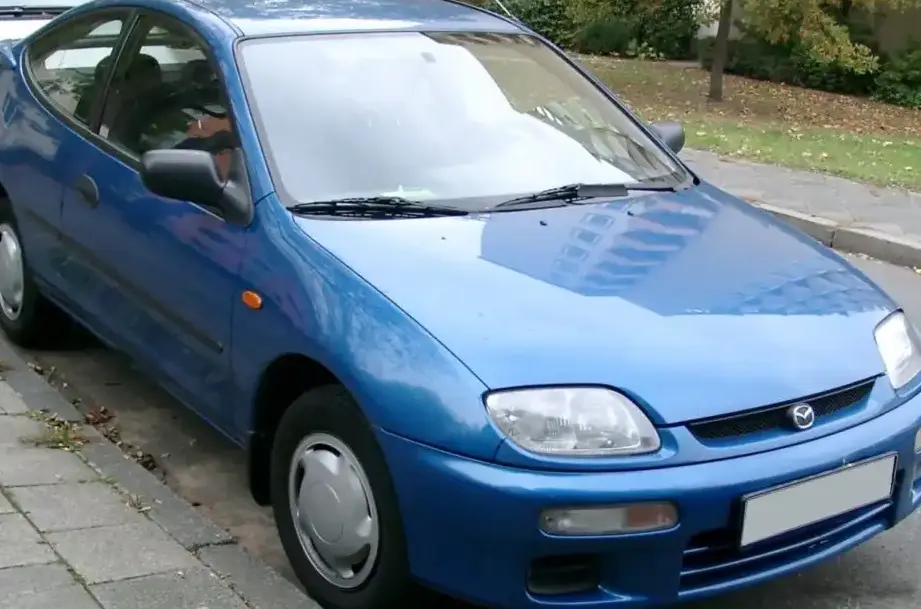
The Mazda 323 C IV (BG), produced between 1989 and 1991, represented the fourth generation of Mazda’s popular compact offering. Within the BG series, the 1.6-liter, 84 horsepower variant occupied an entry-level position, aimed at buyers prioritizing affordability and fuel economy. This model was primarily sold in European and Asian markets, where compact hatchbacks were highly sought after. It served as a stepping stone into the 323 range, offering a practical and reliable option for daily commuting and small family transport. The BG generation marked a significant step forward in design and engineering for Mazda, moving towards more rounded styling and improved interior space.
Technical Specifications
| Brand | Mazda |
| Model | 323 |
| Generation | 323 C IV (BG) |
| Type (Engine) | 1.6 (84 Hp) |
| Start of production | 1989 |
| End of production | 1991 |
| Powertrain Architecture | Internal Combustion engine |
| Body type | Hatchback |
| Seats | 5 |
| Doors | 5 |
| Fuel consumption (urban) | 10 l/100 km (23.5 US mpg, 28.2 UK mpg, 10 km/l) |
| Fuel consumption (extra urban) | 6.5 l/100 km (36.2 US mpg, 43.5 UK mpg, 15.4 km/l) |
| Fuel consumption (combined) | 8.3 l/100 km (28.3 US mpg, 34 UK mpg, 12 km/l) |
| Fuel Type | Petrol (Gasoline) |
| Acceleration 0 – 100 km/h | 13 sec |
| Acceleration 0 – 62 mph | 13 sec |
| Acceleration 0 – 60 mph | 12.4 sec |
| Maximum speed | 180 km/h (111.85 mph) |
| Weight-to-power ratio | 11.8 kg/Hp, 84.4 Hp/tonne |
| Power | 84 Hp @ 4300 rpm |
| Power per litre | 52.6 Hp/l |
| Engine layout | Front, Transverse |
| Engine Model/Code | B6E |
| Engine displacement | 1598 cm3 (97.52 cu. in.) |
| Number of cylinders | 4 |
| Engine configuration | Inline |
| Number of valves per cylinder | 2 |
| Fuel injection system | Multi-port manifold injection |
| Engine aspiration | Naturally aspirated engine |
| Kerb Weight | 995 kg (2193.6 lbs.) |
| Max. weight | 1500 kg (3306.93 lbs.) |
| Max load | 505 kg (1113.33 lbs.) |
| Fuel tank capacity | 60 l (15.85 US gal, 13.2 UK gal) |
| Drivetrain Architecture | Front wheel drive |
| Drive wheel | Front wheel drive |
| Number of gears and type of gearbox | 5 gears, manual transmission |
| Front suspension | Independent type McPherson |
| Rear suspension | Spring Strut |
| Front brakes | Ventilated discs |
| Rear brakes | Drum |
| Steering type | Worm-reduction unit |
| Power steering | Hydraulic Steering |
| Tires size | 195/50 R15 |
| Wheel rims size | 15 |
Powertrain & Engine Architecture
The heart of the 323 C IV 1.6 was the B6E engine, a 1.6-liter (1598cc) inline-four cylinder gasoline engine. This engine featured a relatively simple, two-valve per cylinder configuration and utilized a multi-port fuel injection system. The B6E was a naturally aspirated engine, meaning it did not employ a turbocharger or supercharger. Its 84 horsepower output at 4300 rpm and 127 Nm (94 lb-ft) of torque were modest, but sufficient for everyday driving. The engine’s design prioritized reliability and fuel efficiency over outright performance. The five-speed manual transmission was the standard offering, providing a reasonable balance between fuel economy and drivability. The transmission’s gear ratios were tuned for acceleration in lower gears and comfortable cruising at highway speeds.
Driving Characteristics
The 1.6-liter 323 C IV offered a predictable and undemanding driving experience. Acceleration was not its strong suit, taking approximately 13 seconds to reach 62 mph (100 km/h). However, the engine was reasonably responsive in the mid-range, making it suitable for navigating city streets and merging onto highways. Compared to the more powerful 323 variants, such as those equipped with larger engines, the 1.6 felt noticeably slower. The five-speed manual transmission allowed drivers to keep the engine in its optimal power band, but required frequent shifting for quicker acceleration. The car’s relatively light weight (995 kg / 2193.6 lbs) helped to mitigate the effects of the modest engine output. Handling was generally secure, thanks to the independent McPherson strut front suspension, but the rear spring strut setup offered a less sophisticated ride.
Equipment & Trim Levels
The 1.6-liter 323 C IV typically came with a fairly basic level of equipment, reflecting its position as the entry-level model. Standard features generally included cloth upholstery, a basic instrument cluster, and manual windows and door locks. Power steering was often included, but air conditioning and central locking were usually optional extras. Interior trim was functional and durable, prioritizing practicality over luxury. Optional extras could include a radio/cassette player, upgraded speakers, and alloy wheels. The overall interior design was clean and straightforward, with a focus on ergonomics and ease of use.
Chassis & Braking
The 323 C IV featured a front-wheel-drive layout with an independent McPherson strut suspension at the front and a spring strut suspension at the rear. The front brakes were ventilated discs, providing adequate stopping power, while the rear brakes were drums. This combination was typical for cars in this class at the time, balancing cost and performance. The steering system utilized a worm-reduction unit with hydraulic power assistance, offering reasonable steering feel and maneuverability. The car’s suspension was tuned for a comfortable ride, but it could become somewhat unsettled on rough roads. The 195/50 R15 tires provided adequate grip in most conditions.
Market Reception & Comparison
The Mazda 323 C IV 1.6 was generally well-received as a practical and affordable compact hatchback. Critics praised its fuel efficiency, reliability, and ease of driving. However, its modest performance was often noted as a drawback. Compared to other 1.6-liter hatchbacks of the era, such as the Ford Escort or Volkswagen Golf, the 323 offered a competitive level of equipment and a slightly more engaging driving experience. The 323’s fuel economy was comparable to its rivals, typically achieving around 28-34 mpg on the combined cycle. In terms of reliability, the B6E engine proved to be relatively robust, although regular maintenance was essential to prevent issues.
Legacy
The Mazda 323 C IV 1.6, while not the most powerful or luxurious variant in the range, has proven to be a durable and reliable vehicle. Many examples are still on the road today, testament to the quality of its engineering. The B6E engine is known for its longevity, provided it has been properly maintained. In the used car market, these 323s are often sought after by enthusiasts looking for a classic, affordable, and easy-to-maintain hatchback. Parts availability is generally good, and the car’s simple mechanical design makes it relatively easy to repair. The 323 C IV 1.6 represents a significant chapter in Mazda’s history, showcasing the company’s commitment to building practical, reliable, and enjoyable vehicles.