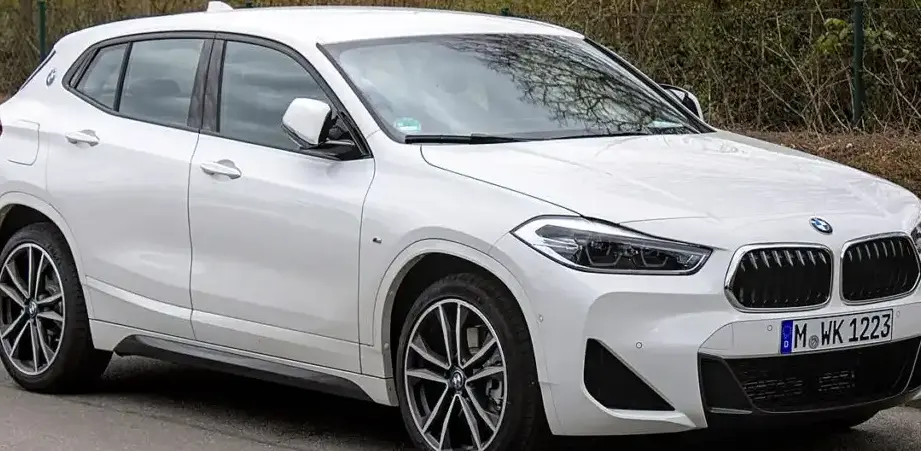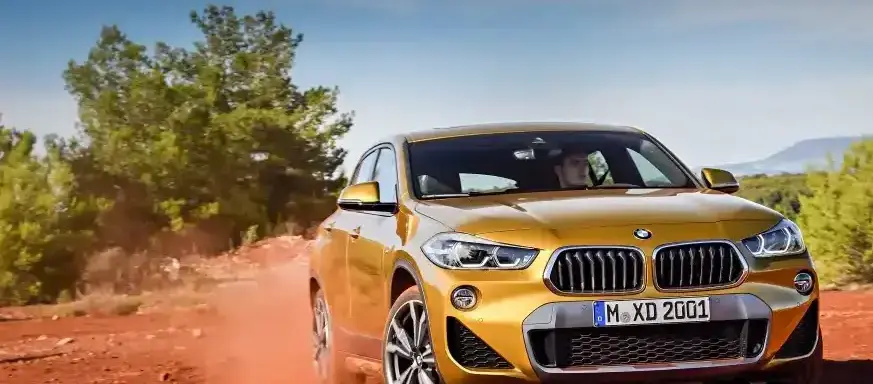
The BMW X2 xDrive25e, produced from July 2020 to October 2023, represents BMW’s entry into the compact luxury plug-in hybrid crossover segment. Based on the F39 X2 platform (sharing architecture with the UKL2 front-wheel-drive platform used in several BMW and MINI models), the 25e combines a 1.5-liter three-cylinder turbocharged gasoline engine with an electric motor, delivering a combined system output of 220 horsepower. This variant aimed to offer a balance of performance, efficiency, and all-weather capability, appealing to buyers seeking a premium crossover with reduced emissions and the flexibility of electric driving.
Technical Specifications
| Brand | BMW |
| Model | X2 |
| Generation | X2 (F39) |
| Type | 25e (220 Hp) Plug-in Hybrid xDrive Steptronic |
| Start of production | July, 2020 |
| End of production | October, 2023 |
| Powertrain Architecture | PHEV (Plug-in Hybrid Electric Vehicle) |
| Body type | SUV |
| Seats | 5 |
| Doors | 5 |
| Combined fuel consumption (WLTP) | 1.7 l/100 km (138.4 US mpg, 166.2 UK mpg, 58.8 km/l) |
| CO2 emissions (WLTP) | 38 g/km |
| Fuel consumption (NEDC) | 1.9 l/100 km (123.8 US mpg, 148.7 UK mpg, 52.6 km/l) |
| CO2 emissions (NEDC) | 43 g/km |
| Fuel Type | Petrol / electricity |
| Acceleration 0 – 100 km/h | 6.8 sec |
| Acceleration 0 – 62 mph | 6.8 sec |
| Acceleration 0 – 60 mph | 6.5 sec |
| Maximum speed | 195 km/h (121.17 mph) |
| Emission standard | Euro 6d |
| Weight-to-power ratio | 7.9 kg/Hp, 127.2 Hp/tonne |
| Weight-to-torque ratio | 4.5 kg/Nm, 222.5 Nm/tonne |
| Gross battery capacity | 10 kWh |
| Battery voltage | 295 V |
| Battery technology | Lithium-ion (Li-Ion) |
| Battery location | Under the rear seats |
| All-electric range (WLTP) | 53 km (32.93 mi) |
| All-electric range (NEDC) | 57 km (35.42 mi) |
| Average Energy consumption (WLTP) | 15.0 kWh/100 km (24.14 kWh/100 mi, 140 MPGe, 6.7 km/kWh, 4.1 mi/kWh) |
| Average Energy consumption (NEDC) | 13.7 kWh/100 km (22.05 kWh/100 mi, 153 MPGe, 7.3 km/kWh, 4.5 mi/kWh) |
| Max speed (electric) | 135 km/h (83.89 mph) |
| Electric motor power | 95 Hp @ 8000 rpm (165 Nm @ 100-3900 rpm / 121.7 lb.-ft. @ 100-3900 rpm) |
| System power | 220 Hp |
| System torque | 385 Nm (283.96 lb.-ft.) |
| Engine Power | 125 Hp @ 5000-5500 rpm |
| Engine Torque | 220 Nm @ 1500-3800 rpm (162.26 lb.-ft. @ 1500-3800 rpm) |
| Engine layout | Front, Transverse |
| Engine Model/Code | B38A15A |
| Engine displacement | 1499 cm3 (91.47 cu. in.) |
| Number of cylinders | 3 |
| Engine configuration | Inline |
| Cylinder Bore | 82 mm (3.23 in.) |
| Piston Stroke | 94.6 mm (3.72 in.) |
| Compression ratio | 11:1 |
| Number of valves per cylinder | 4 |
| Fuel injection system | Direct injection |
| Engine aspiration | Twin-power turbo, Intercooler |
| Valvetrain | VALVETRONIC |
| Engine oil capacity | 4.25 l (4.49 US qt | 3.74 UK qt) |
| Coolant | 7.6 l (8.03 US qt | 6.69 UK qt) |
| Kerb Weight | 1730 kg (3814 lbs.) |
| Max. weight | 2300 kg (5070.63 lbs.) |
| Max load | 570 kg (1256.63 lbs.) |
| Trunk (boot) space – minimum | 410 l (14.48 cu. ft.) |
| Trunk (boot) space – maximum | 1290 l (45.56 cu. ft.) |
| Fuel tank capacity | 36 l (9.51 US gal | 7.92 UK gal) |
| Max. roof load | 75 kg (165.35 lbs.) |
| Length | 4360 mm (171.65 in.) |
| Width | 1824 mm (71.81 in.) |
| Height | 1512 mm (59.53 in.) |
| Wheelbase | 2670 mm (105.12 in.) |
| Front track | 1563 mm (61.54 in.) |
| Rear track | 1562 mm (61.5 in.) |
| Ride height (ground clearance) | 147 mm (5.79 in.) |
| Drag coefficient (Cd) | 0.29 |
| Minimum turning circle | 11.4 m (37.4 ft.) |
| Drivetrain Architecture | ICE drives front wheels, electric motor drives rear wheels. |
| Drive wheel | All wheel drive (4×4) |
| Number of gears | 6 |
| Gearbox type | automatic transmission Steptronic |
| Front suspension | Spring Strut |
| Rear suspension | Independent multi-link suspension |
| Front brakes | Ventilated discs |
| Rear brakes | Ventilated discs |
| Steering type | Steering rack and pinion |
| Power steering | Electric Steering |
| Tires size | 225/55 R17 |
| Wheel rims size | 7.5J x 17 |
Powertrain & Engine Architecture
The X2 xDrive25e’s powertrain centers around BMW’s B38A15A 1.5-liter turbocharged three-cylinder engine. This engine, part of BMW’s modular engine family, utilizes direct fuel injection and VALVETRONIC variable valve timing for optimized efficiency and power delivery. The engine produces 125 horsepower and 220 Nm (162 lb-ft) of torque. Coupled with this is a rear-mounted electric motor generating 95 horsepower and 165 Nm (121.7 lb-ft) of torque. The electric motor is integrated into the rear axle, providing all-wheel drive capability. The combined system output is 220 horsepower and 385 Nm (283.96 lb-ft) of torque. The powertrain is managed by a six-speed Steptronic automatic transmission. The 10 kWh lithium-ion battery pack is located under the rear seats, impacting rear passenger space slightly but maintaining a low center of gravity.
Driving Characteristics
The xDrive25e offers a distinct driving experience compared to other X2 variants. In electric-only mode, it provides silent and smooth acceleration, suitable for urban commuting with a range of up to 53 km (33 miles) under WLTP testing. Switching to hybrid mode allows the vehicle to seamlessly blend power from both the engine and electric motor. The rear-mounted electric motor contributes to a more balanced feel, particularly during cornering. While not as overtly sporty as the X2 M35i, the 25e delivers adequate performance, achieving 0-60 mph in approximately 6.5 seconds. The Steptronic transmission provides smooth shifts, but can sometimes feel hesitant when downshifting for quick overtaking maneuvers. The regenerative braking system helps recapture energy and extend the electric range, but the feel can be somewhat artificial.
Equipment & Trim Levels
The xDrive25e typically came equipped with a generous level of standard features, reflecting its premium positioning. These included BMW’s iDrive infotainment system with a touchscreen display, navigation, automatic climate control, and a suite of driver-assistance systems such as lane departure warning and collision warning. Interior upholstery was typically a combination of cloth and synthetic leather, with optional upgrades to full leather available. Common optional extras included a panoramic sunroof, premium audio system, and adaptive suspension. Trim levels were relatively streamlined, with most customization options offered as individual packages rather than distinct trim designations.
Chassis & Braking
The X2 xDrive25e utilizes a front-wheel-drive based chassis with the addition of an electric motor driving the rear wheels, creating an all-wheel-drive system. The front suspension employs a spring strut design, while the rear features an independent multi-link setup. Braking duties are handled by ventilated disc brakes on all four wheels. The added weight of the battery pack and electric motor (approximately 200 kg / 440 lbs compared to the standard X2) necessitated slightly stiffer spring rates and dampers to maintain handling composure. The steering is electrically assisted, providing a responsive and precise feel.
Market Reception & Comparison
The X2 xDrive25e was generally well-received by automotive critics, who praised its fuel efficiency, comfortable ride, and all-weather capability. However, some reviewers noted the limited rear passenger space due to the battery pack and the slightly compromised performance compared to higher-powered X2 variants. Compared to the X2 20i (192 hp), the 25e offered superior fuel economy and the benefits of electric driving, but at a higher purchase price. Against competitors like the Audi Q2 TFSI e and Mercedes-Benz GLA 250 e, the X2 25e held its own in terms of performance and features, but often came with a slightly higher price tag.
Legacy
The BMW X2 xDrive25e represents an important step in BMW’s electrification strategy. While production ended in 2023, the powertrain technology and hybrid system architecture have been refined and carried over to newer BMW models. On the used car market, the xDrive25e offers a compelling value proposition for buyers seeking a premium plug-in hybrid crossover. The long-term reliability of the powertrain appears to be generally good, with few widespread issues reported. However, potential buyers should be aware of the potential for battery degradation over time and the importance of regular maintenance to ensure optimal performance and longevity.