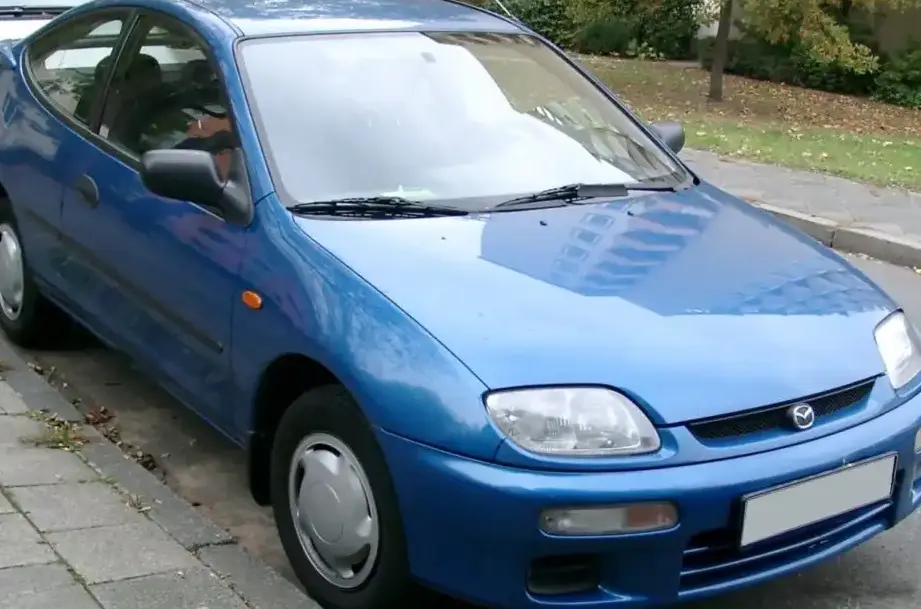
The Mazda 323 C IV (BG) 1.8 16V Turbo 4WD, produced from 1993 to 1994, represents a relatively rare and potent variant within the fourth generation of Mazda’s popular compact offering. This model, distinguished by its turbocharged engine and all-wheel-drive system, aimed to deliver a sporty driving experience within the confines of a practical hatchback body style. It occupied a performance-oriented niche within the BG series, positioned above the naturally aspirated models and serving as a precursor to more focused performance versions that would follow in subsequent generations. The 323 C IV was Mazda’s competitor in the increasingly competitive European and Japanese compact car segments, offering a blend of affordability, reliability, and, in this case, surprising performance.
Technical Specifications
| Brand | Mazda |
| Model | 323 |
| Generation | 323 C IV (BG) |
| Type | 1.8 16V Turbo 4WD (185 Hp) |
| Start of Production | 1993 |
| End of Production | 1994 |
| Powertrain Architecture | Internal Combustion Engine |
| Body Type | Hatchback |
| Fuel Type | Petrol (Gasoline) |
| Power | 185 Hp |
| Engine Aspiration | Turbocharger |
Powertrain & Engine Architecture
The heart of the 323 C IV 1.8 16V Turbo 4WD is its 1.8-liter (1793cc) inline-four cylinder engine. This engine, internally designated as the BP, featured a cast iron block and an aluminum cylinder head. The “16V” designation indicates the engine’s four valves per cylinder configuration, enhancing breathing and contributing to its higher output. Crucially, this variant employed a turbocharger – typically a Garrett T25 or similar – and an intercooler to force more air into the engine, significantly boosting power. Fuel delivery was managed by a multi-point fuel injection system, providing precise control over the air-fuel mixture. The engine’s compression ratio was typically around 8.5:1, a compromise between performance and reliability when used with a turbocharger.
The transmission paired with this engine was a four-speed automatic. While not offering the direct control of a manual gearbox, the automatic was chosen to broaden the car’s appeal and provide a more comfortable driving experience for a wider range of drivers. The all-wheel-drive system was a viscous coupling type, providing full-time four-wheel drive. This system automatically distributed torque between the front and rear axles based on traction conditions, enhancing stability and grip, particularly on slippery surfaces.
Driving Characteristics
The 185 horsepower output, coupled with the all-wheel-drive system, gave the 323 C IV 1.8 16V Turbo 4WD a noticeable performance advantage over its naturally aspirated siblings. Acceleration from 0 to 60 mph was estimated to be around 7.5-8.0 seconds, which was competitive for a compact hatchback of that era. The turbocharger did introduce a degree of turbo lag, meaning there was a slight delay between pressing the accelerator and feeling the full surge of power. However, once the turbo spooled up, the engine delivered a strong and linear powerband. The automatic transmission, while convenient, did somewhat diminish the feeling of control compared to a manual. Gear ratios were tuned for a balance between acceleration and fuel economy, prioritizing usability over outright performance. The all-wheel-drive system provided excellent traction, particularly in wet or snowy conditions, making the car feel planted and secure.
Equipment & Trim Levels
The 1.8 16V Turbo 4WD trim level generally represented a well-equipped version of the 323 C IV. Standard features typically included power steering, central locking, electric windows, and an upgraded audio system. Interior upholstery was usually cloth, with a sporty design. Optional extras could include air conditioning, a sunroof, and alloy wheels. The dashboard layout was functional and driver-focused, with clear instrumentation. The specific trim level and available options varied slightly depending on the target market (Europe, Japan, etc.).
Chassis & Braking
The 323 C IV utilized a MacPherson strut front suspension and a torsion beam rear suspension. This setup provided a good balance between ride comfort and handling. The 4WD system added some weight, necessitating slightly stiffer spring rates to maintain control. Braking was typically accomplished with disc brakes on the front wheels and drum brakes on the rear. Anti-lock braking system (ABS) was often an optional extra, enhancing safety by preventing wheel lockup during hard braking. Stabilizer bars were fitted to both the front and rear axles to reduce body roll during cornering.
Market Reception & Comparison
The 323 C IV 1.8 16V Turbo 4WD was generally well-received by automotive critics, who praised its performance and handling. However, some reviewers noted the turbo lag and the limitations of the four-speed automatic transmission. Compared to other turbocharged compact hatchbacks of the time, such as the Honda Civic VTi or the Toyota Corolla GT-i, the Mazda offered a more raw and engaging driving experience. Fuel economy was reasonable for a turbocharged vehicle, averaging around 25-30 mpg in mixed driving conditions. Reliability was generally good, although the turbocharger and all-wheel-drive system added complexity and potential maintenance concerns. The naturally aspirated 1.6L and 1.8L versions of the 323 C IV were significantly more affordable and fuel-efficient, appealing to a broader audience. The 1.8 Turbo 4WD was aimed at drivers who prioritized performance and all-weather capability.
Legacy
The Mazda 323 C IV 1.8 16V Turbo 4WD remains a relatively sought-after model among enthusiasts today. Its rarity and performance potential have made it a collectible car. The BP engine, in its various forms, proved to be a durable and reliable powerplant, and many examples are still on the road today. However, finding well-maintained examples can be challenging, as many have been subjected to modifications or neglect. Common issues include turbocharger wear, oil leaks, and corrosion. The all-wheel-drive system requires regular maintenance to ensure proper operation. Despite these potential issues, the 323 C IV 1.8 16V Turbo 4WD represents a significant chapter in Mazda’s history, showcasing the company’s commitment to performance and innovation in the compact car segment. It laid the groundwork for future performance-oriented Mazda models, such as the MazdaSpeed3.