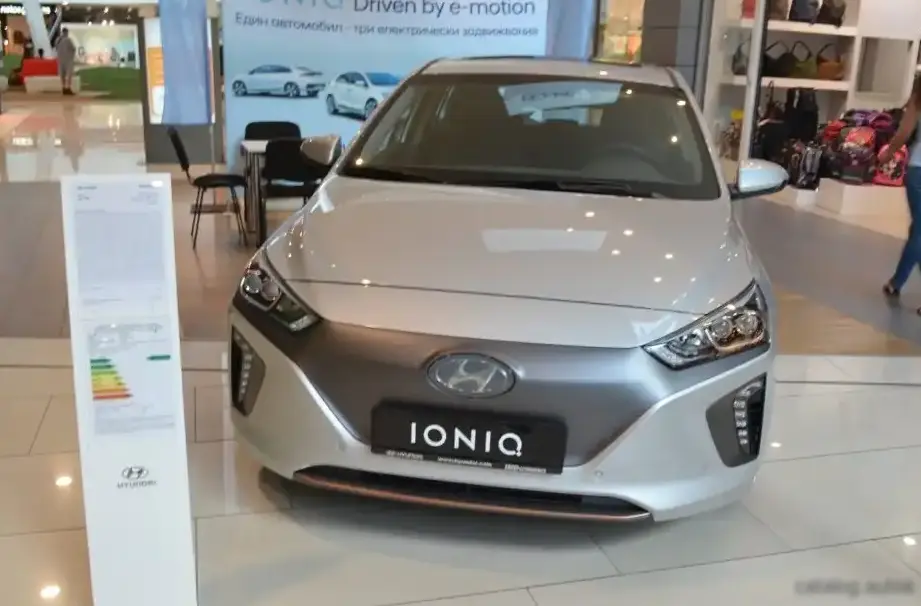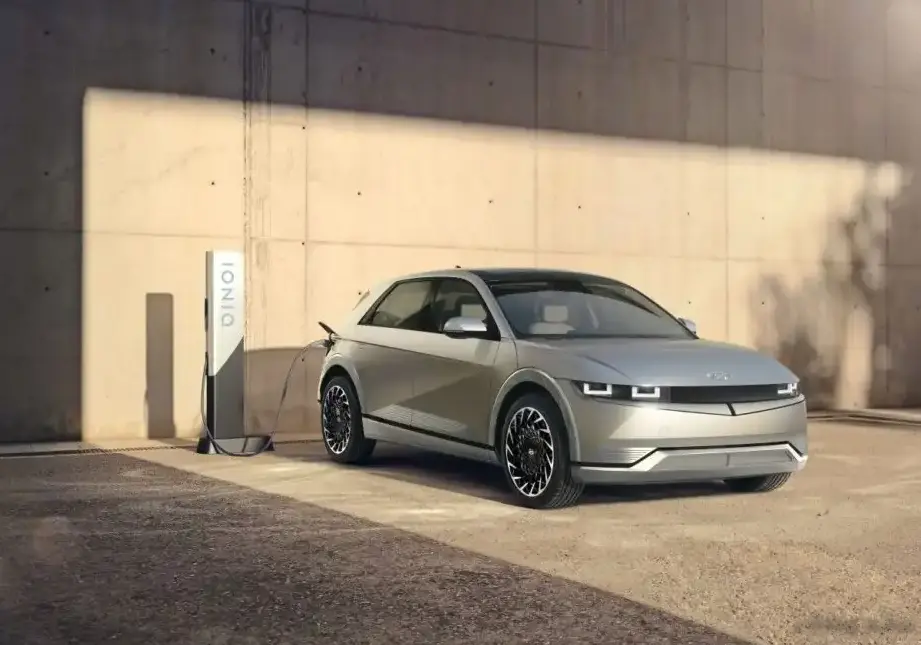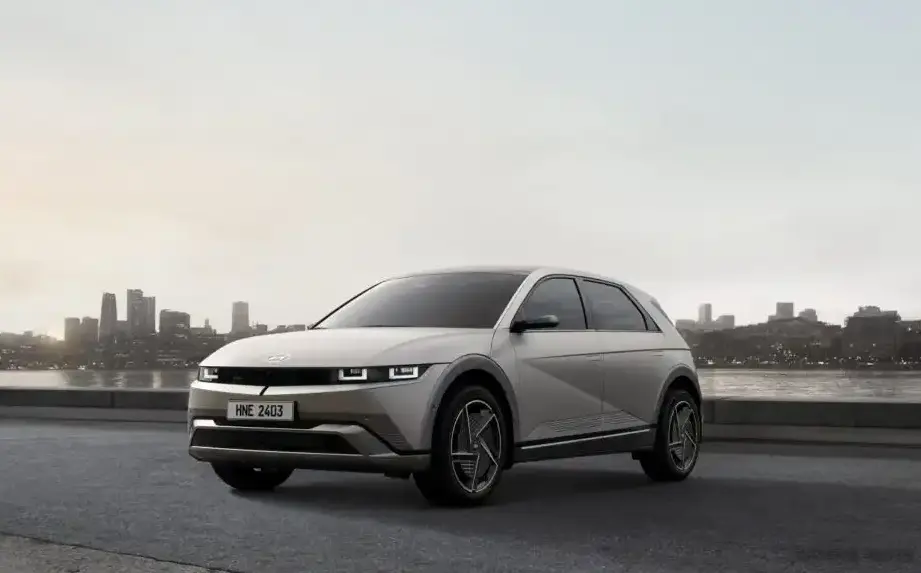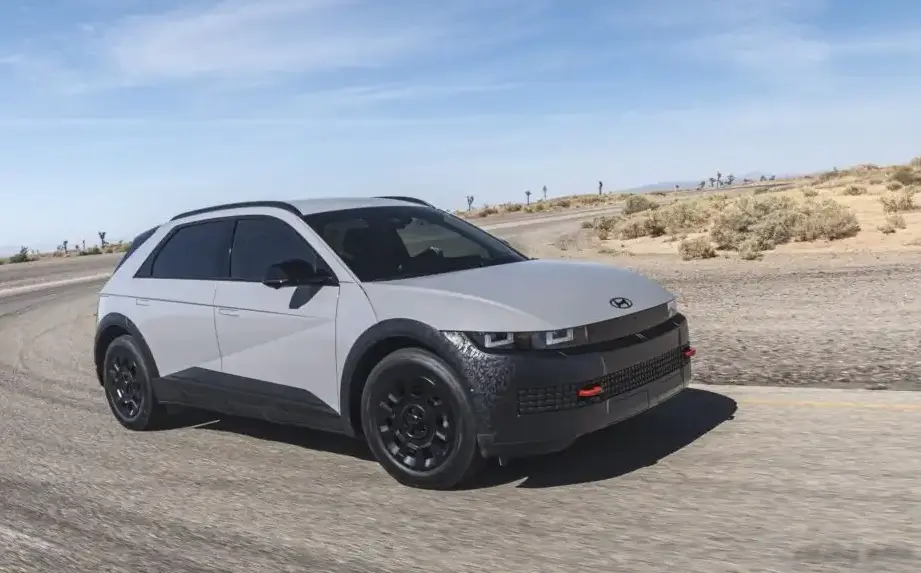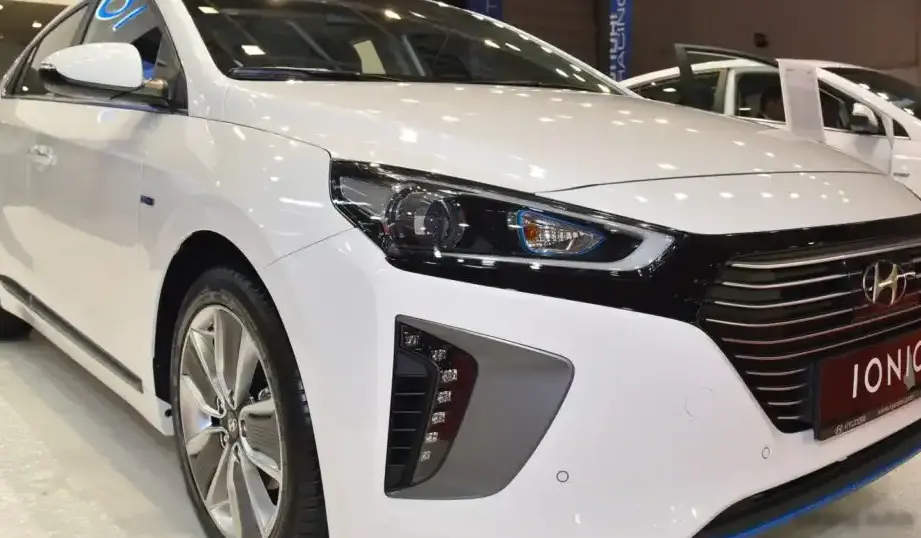
The Hyundai Ioniq 1.6 GDI Hybrid DCT, produced from 2016 to 2019, represents Hyundai’s initial foray into the competitive hybrid liftback segment. Positioned as a mainstream, fuel-efficient alternative to established players like the Toyota Prius, the Ioniq aimed to deliver hybrid technology at a more accessible price point. This specific variant, powered by a 1.6-liter gasoline direct injection engine paired with an electric motor and a dual-clutch transmission (DCT), served as a mid-range offering within the Ioniq lineup, slotting between the base model and the plug-in hybrid variants. It was primarily marketed towards environmentally conscious consumers seeking a practical and economical daily driver.
Technical Specifications
| Brand | Hyundai |
| Model | IONIQ |
| Generation | IONIQ |
| Type (Engine) | 1.6 GDI (141 Hp) Hybrid DCT |
| Start of production | 2016 |
| End of production | 2019 |
| Powertrain Architecture | FHEV (Full Hybrid Electric Vehicle) |
| Body type | Liftback |
| Seats | 5 |
| Doors | 5 |
| Fuel consumption (urban) | 3.4 l/100 km (69.2 US mpg, 83.1 UK mpg, 29.4 km/l) |
| Fuel consumption (extra urban) | 3.6 l/100 km (65.3 US mpg, 78.5 UK mpg, 27.8 km/l) |
| Fuel consumption (combined) | 3.4 l/100 km (69.2 US mpg, 83.1 UK mpg, 29.4 km/l) |
| CO2 emissions | 79 g/km |
| Fuel Type | Petrol (Gasoline) |
| Acceleration 0 – 100 km/h | 10.8 sec |
| Acceleration 0 – 62 mph | 10.8 sec |
| Acceleration 0 – 60 mph | 10.3 sec |
| Maximum speed | 185 km/h (114.95 mph) |
| Emission standard | Euro 6 |
| Weight-to-power ratio | 9.7 kg/Hp, 102.9 Hp/tonne |
| Weight-to-torque ratio | 5.2 kg/Nm, 193.4 Nm/tonne |
| Gross battery capacity | 1.56 kWh |
| Battery technology | Lithium-polymer (LiPo) |
| Electric motor power | 44 Hp |
| Electric motor Torque | 170 Nm (125.39 lb.-ft.) |
| Electric motor type | Synchronous |
| System power | 141 Hp @ 5700 rpm |
| System torque | 265 Nm @ 4000 rpm (195.45 lb.-ft. @ 4000 rpm) |
| Engine Power | 105 Hp @ 5700 rpm |
| Engine Torque | 147 Nm @ 4000 rpm (108.42 lb.-ft. @ 4000 rpm) |
| Engine layout | Front, Transverse |
| Engine displacement | 1580 cm3 (96.42 cu. in.) |
| Number of cylinders | 4 |
| Engine configuration | Inline |
| Cylinder Bore | 72 mm (2.83 in.) |
| Piston Stroke | 97 mm (3.82 in.) |
| Compression ratio | 13:1 |
| Number of valves per cylinder | 4 |
| Fuel injection system | Direct injection |
| Engine aspiration | Naturally aspirated engine |
| Valvetrain | DOHC, D-CVVT |
| Engine oil capacity | 3.8 l (4.02 US qt | 3.34 UK qt) |
| Kerb Weight | 1370 kg (3020.33 lbs.) |
| Max. weight | 1870 kg (4122.64 lbs.) |
| Max load | 500 kg (1102.31 lbs.) |
| Trunk (boot) space – minimum | 443 l (15.64 cu. ft.) |
| Trunk (boot) space – maximum | 1505 l (53.15 cu. ft.) |
| Fuel tank capacity | 45 l (11.89 US gal | 9.9 UK gal) |
| Length | 4470 mm (175.98 in.) |
| Width | 1820 mm (71.65 in.) |
| Height | 1450 mm (57.09 in.) |
| Wheelbase | 2700 mm (106.3 in.) |
| Front track | 1563 mm (61.54 in.) |
| Rear (Back) track | 1577 mm (62.09 in.) |
| Drag coefficient (Cd) | 0.24 |
| Minimum turning circle | 10.6 m (34.78 ft.) |
| Drive wheel | Front wheel drive |
| Number of gears | 6 gears, automatic transmission DCT |
| Front suspension | Independent type McPherson |
| Rear suspension | Independent multi-link suspension |
| Front brakes | Ventilated discs |
| Rear brakes | Disc |
Powertrain & Engine Architecture
At the heart of the Ioniq 1.6 GDI Hybrid is a 1.6-liter (1580 cc) inline-four cylinder gasoline engine, designated as the Gamma engine family by Hyundai. This engine utilizes direct fuel injection (GDI) and a double overhead camshaft (DOHC) valvetrain with Hyundai’s Dual Continuous Variable Valve Timing (D-CVVT) technology. The engine produces 105 horsepower at 5700 rpm and 108.42 lb-ft of torque at 4000 rpm. Complementing the gasoline engine is a 44 horsepower electric motor powered by a 1.56 kWh lithium-polymer battery pack. The combined system output reaches 141 horsepower and 195.45 lb-ft of torque. The power is delivered to the front wheels via a six-speed dual-clutch transmission (DCT), chosen for its efficiency and responsiveness compared to a traditional automatic. The DCT allows for quick and smooth gear changes, contributing to both fuel economy and a more engaging driving experience.
Driving Characteristics
The Ioniq 1.6 GDI Hybrid DCT offers a comfortable and efficient driving experience. Acceleration from 0-60 mph takes approximately 10.3 seconds, which is adequate for everyday driving but doesn’t provide particularly sporty performance. The DCT transmission provides quick shifts, but can sometimes exhibit slight hesitation at low speeds. The hybrid system seamlessly blends power from the gasoline engine and electric motor, offering a smooth and linear power delivery. In electric-only mode, the Ioniq can travel short distances at low speeds, further enhancing fuel efficiency. Compared to the more powerful Ioniq Electric, this variant feels less brisk, but it offers a significantly lower price point and eliminates range anxiety. Compared to the Ioniq Plug-in Hybrid, the 1.6 GDI offers less electric-only range but a simpler and more affordable ownership experience.
Equipment & Trim Levels
The Ioniq 1.6 GDI Hybrid DCT typically came standard with features such as a 7-inch touchscreen infotainment system with Apple CarPlay and Android Auto compatibility, a rearview camera, automatic emergency braking, lane departure warning, and a suite of other safety features. Interior upholstery was typically cloth, with options for leather upgrades on higher trim levels. Available options included a larger touchscreen display, a premium audio system, heated front seats, and a sunroof. The trim levels varied slightly depending on the model year and region, but generally followed a progression from base (SE) to mid-range (SEL) to premium (Limited).
Chassis & Braking
The Ioniq utilizes a front-wheel-drive layout with an independent McPherson strut suspension in the front and an independent multi-link suspension in the rear. This suspension setup provides a comfortable ride quality and decent handling characteristics. The Ioniq 1.6 GDI Hybrid DCT is equipped with ventilated disc brakes in the front and solid disc brakes in the rear. Anti-lock braking system (ABS) is standard, providing enhanced braking performance and stability. The steering is an electric power-assisted rack and pinion system, offering light and precise steering feel.
Market Reception & Comparison
The Hyundai Ioniq 1.6 GDI Hybrid DCT was generally well-received by automotive critics for its fuel efficiency, comfortable ride, and competitive pricing. It was often praised as a viable alternative to the Toyota Prius, offering similar fuel economy at a lower price point. However, some critics noted that its interior materials were not as premium as those found in some competitors. Fuel economy figures consistently hovered around 69 mpg combined, making it one of the most fuel-efficient vehicles in its class. Reliability reports have been generally positive, with few major issues reported.
Legacy
The Hyundai Ioniq 1.6 GDI Hybrid DCT has proven to be a reliable and economical vehicle in the used car market. The powertrain, while not particularly powerful, has demonstrated good long-term durability. The DCT transmission, while requiring occasional maintenance, has generally held up well over time. As of today, used examples of the Ioniq 1.6 GDI Hybrid DCT represent a compelling value proposition for buyers seeking a fuel-efficient and practical hybrid vehicle. The Ioniq’s success paved the way for Hyundai’s continued expansion into the electric and hybrid vehicle market, culminating in models like the Ioniq 5 and Ioniq 6.