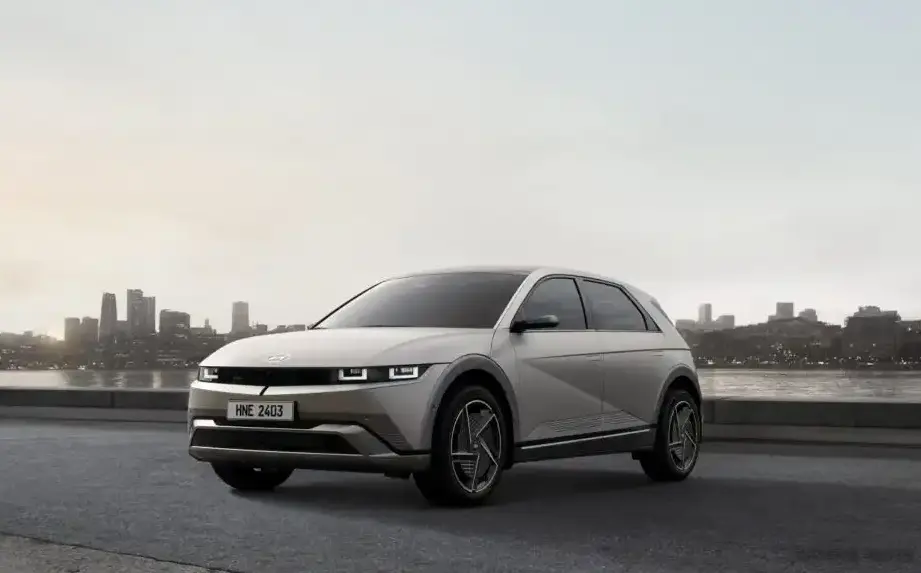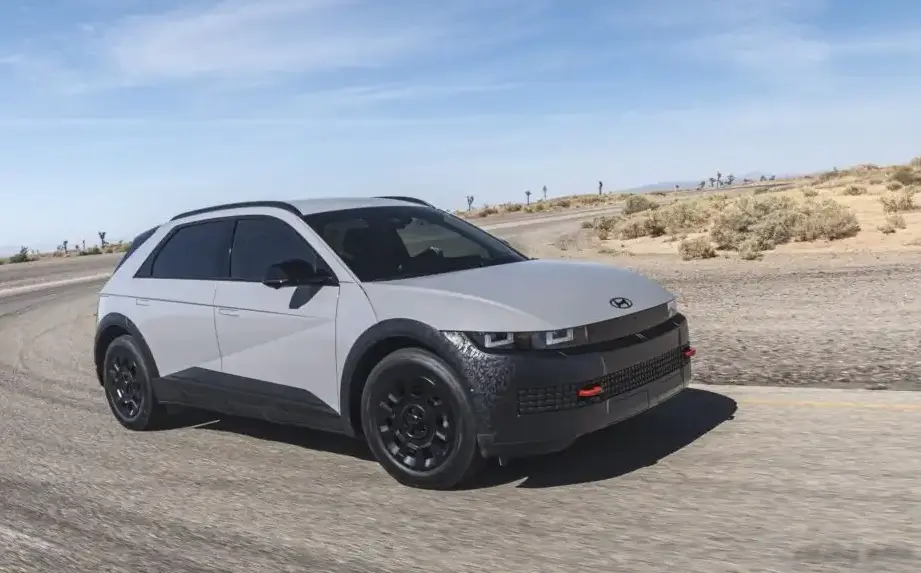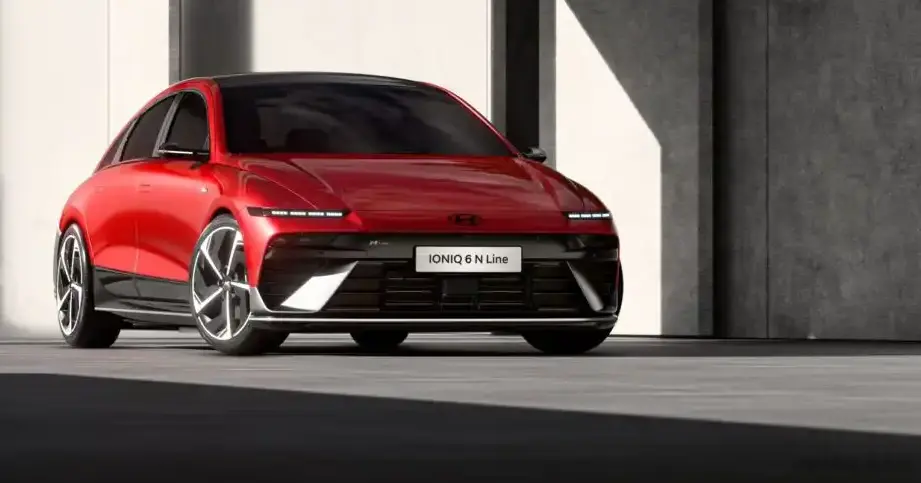
The Hyundai IONIQ 6 N, specifically the 2025 facelift model equipped with the 84 kWh battery and dual-motor all-wheel-drive (AWD) configuration producing 650 horsepower, represents a significant performance variant within the IONIQ 6 lineup. Production commenced in July 2025, positioning it as the flagship performance model of the IONIQ 6 range, aimed at enthusiasts seeking a high-performance electric vehicle. This variant builds upon the aerodynamic fastback design of the standard IONIQ 6, incorporating substantial upgrades to the powertrain, chassis, and braking systems to deliver a compelling driving experience. It’s Hyundai’s direct response to performance EVs like the Tesla Model 3 Performance and Porsche Taycan.
Technical Specifications
| Brand | Hyundai |
| Model | IONIQ 6 |
| Generation | IONIQ 6 (facelift 2025) |
| Type (Engine) | N 84 kWh (650 Hp) AWD |
| Start of production | July, 2025 |
| Powertrain Architecture | BEV (Electric Vehicle) |
| Body type | Sedan, Fastback |
| Seats | 5 |
| Doors | 4 |
| Fuel Type | Electricity |
| Acceleration 0 – 100 km/h | 3.2 sec |
| Acceleration 0 – 62 mph | 3.2 sec |
| Acceleration 0 – 60 mph | 3 sec |
| Maximum speed | 257 km/h (159.69 mph) |
| Gross battery capacity | 84 kWh |
| Battery location | Below the floor |
| Electric motor 1 Power | 238 Hp |
| Electric motor 1 Torque | 370 Nm (272.9 lb.-ft.) |
| Electric motor 1 Location | Front axle, Transverse |
| Electric motor 1 Type | Synchronous |
| Electric motor 2 Power | 412 Hp |
| Electric motor 2 Torque | 400 Nm (295.02 lb.-ft.) |
| Electric motor 2 Location | Rear axle, Transverse |
| Electric motor 2 Type | Synchronous |
| System power | 650 Hp |
| System torque | 770 Nm (567.92 lb.-ft.) |
| Length | 4935 mm (194.29 in.) |
| Width | 1940 mm (76.38 in.) |
| Height | 1495 mm (58.86 in.) |
| Wheelbase | 2965 mm (116.73 in.) |
| Drag coefficient (Cd) | 0.27 |
| Drivetrain Architecture | One electric motor drives the front wheels, one drives the rear. |
| Drive wheel | All wheel drive (4×4) |
| Number of gears | 1 |
| Gearbox type | Automatic transmission |
| Front brakes | Ventilated discs, 400 mm |
| Rear brakes | Ventilated discs, 360 mm |
| Tires size | 275/35 R20 |
| Wheel rims size | 20 |
Powertrain & Engine Architecture
The IONIQ 6 N utilizes a dual-motor, all-wheel-drive (AWD) powertrain. The front motor produces 238 horsepower and 370 Nm (272.9 lb-ft) of torque, while the rear motor generates 412 horsepower and 400 Nm (295.02 lb-ft) of torque. Combined, these motors deliver a system output of 650 horsepower and 770 Nm (567.92 lb-ft) of torque. Both motors are synchronous type, offering high efficiency and power density. The 84 kWh battery pack, positioned under the floor, provides substantial range and supports fast charging capabilities. Hyundai has implemented a sophisticated thermal management system for both the battery and motors to ensure consistent performance during demanding driving conditions. The single-speed automatic transmission is optimized for rapid acceleration and efficient power delivery.
Driving Characteristics
The IONIQ 6 N delivers exhilarating acceleration, achieving 0-60 mph in approximately 3 seconds. The dual-motor AWD system provides exceptional traction and stability, particularly during cornering. The car’s low center of gravity, thanks to the underfloor battery pack, contributes to its agile handling. Compared to the standard IONIQ 6 variants, the N model features a significantly more responsive throttle, stiffer suspension tuning, and enhanced braking performance. The single-speed transmission provides seamless acceleration, but lacks the gear changes found in traditional internal combustion engine vehicles. The N model’s driving modes allow drivers to tailor the vehicle’s performance characteristics to their preferences, ranging from a comfortable daily driving experience to a track-focused setup.
Equipment & Trim Levels
The IONIQ 6 N comes standard with a comprehensive suite of features, including a premium interior with sport seats, a large dual-screen display for infotainment and instrumentation, and advanced driver-assistance systems (ADAS). Interior upholstery is typically a combination of leather and suede, with N-specific accents. Optional extras include a premium sound system, a head-up display, and advanced parking assist features. The N model also benefits from unique exterior styling cues, such as a more aggressive front fascia, a rear spoiler, and distinctive alloy wheel designs.
Chassis & Braking
The IONIQ 6 N features a reinforced chassis and a retuned suspension system designed to enhance handling and stability. The suspension utilizes frequency selective dampers to provide a balance between comfort and control. Braking performance is significantly upgraded with large ventilated discs (400mm front, 360mm rear) and high-performance calipers. The car is equipped with an advanced anti-lock braking system (ABS) and electronic stability control (ESC) to ensure safe and controlled stopping power. The steering system is a rack-and-pinion setup with electric power assistance, providing precise and responsive steering feel.
Market Reception & Comparison
The IONIQ 6 N has been generally well-received by automotive critics, who praise its impressive performance, handling, and technology. Comparisons to rivals like the Tesla Model 3 Performance and Porsche Taycan often highlight the IONIQ 6 N’s competitive pricing and generous standard features. While the Tesla offers a more established charging network, the IONIQ 6 N is lauded for its more refined interior and engaging driving experience. Fuel economy, being an EV, is measured in MPGe (miles per gallon equivalent), and the IONIQ 6 N offers competitive efficiency within its performance segment. Reliability data is still emerging, but Hyundai has a generally positive reputation for build quality and dependability.
Legacy
The Hyundai IONIQ 6 N represents a pivotal moment for the brand, demonstrating its commitment to developing high-performance electric vehicles. The powertrain technology and chassis enhancements introduced in the N model are likely to influence future Hyundai EV offerings. The long-term reliability of the 84 kWh battery pack and dual-motor system remains to be seen, but Hyundai’s comprehensive warranty provides some assurance to early adopters. On the used car market, the IONIQ 6 N is expected to hold its value well, appealing to enthusiasts seeking a thrilling and technologically advanced electric vehicle.