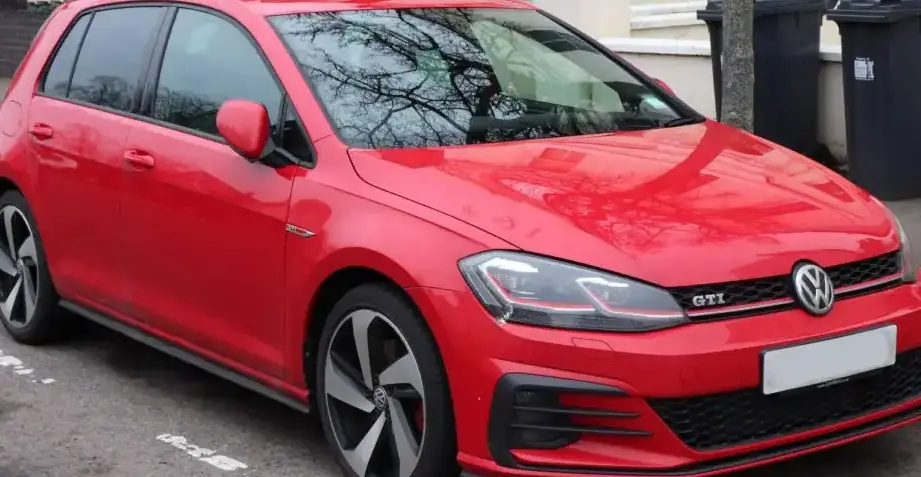
The Volkswagen Golf VII, produced from 2012 to 2017, represented a significant evolution of Volkswagen’s iconic hatchback. Within the seventh generation, the 1.2 TSI (85 horsepower) 5-door model occupied the entry-level position in many European markets. This variant was designed to offer a balance of affordability, fuel efficiency, and practicality, appealing to buyers seeking a versatile and economical daily driver. While not offered in the North American market, the Golf VII was a mainstay in Europe, Australia, and parts of Asia, and this specific engine configuration played a key role in its sales success. The Golf VII was built on the MQB (Modular Transverse Matrix) platform, a modular construction strategy that allowed for greater flexibility in vehicle design and production.
Technical Specifications
| Brand | Volkswagen |
| Model | Golf |
| Generation | Golf VII (5-door) |
| Type (Engine) | 1.2 TSI (85 Hp) |
| Start of production | August, 2012 |
| End of production | March, 2017 |
| Powertrain Architecture | Internal Combustion engine |
| Body type | Hatchback |
| Seats | 5 |
| Doors | 5 |
| Fuel consumption (urban) | 5.9 l/100 km (39.9 US mpg, 47.9 UK mpg, 16.9 km/l) |
| Fuel consumption (extra urban) | 4.2 l/100 km (56 US mpg, 67.3 UK mpg, 23.8 km/l) |
| Fuel consumption (combined) | 4.9 l/100 km (48 US mpg, 57.6 UK mpg, 20.4 km/l) |
| Fuel Type | Petrol (Gasoline) |
| Acceleration 0 – 100 km/h | 11.9 sec |
| Acceleration 0 – 62 mph | 11.9 sec |
| Acceleration 0 – 60 mph | 11.3 sec |
| Maximum speed | 179 km/h (111.23 mph) |
| Weight-to-power ratio | 14.2 kg/Hp, 70.5 Hp/tonne |
| Weight-to-torque ratio | 7.5 kg/Nm, 132.8 Nm/tonne |
| Power | 85 Hp @ 4300-5300 rpm |
| Power per litre | 71 Hp/l |
| Torque | 160 Nm @ 1400-3500 rpm (118.01 lb.-ft. @ 1400-3500 rpm) |
| Engine layout | Front, Transverse |
| Engine Model/Code | CJZB, CYVA |
| Engine displacement | 1197 cm3 (73.05 cu. in.) |
| Number of cylinders | 4 |
| Engine configuration | Inline |
| Fuel injection system | Direct injection |
| Engine aspiration | Turbocharger, Intercooler |
| Engine oil capacity | 4 l (4.23 US qt | 3.52 UK qt) |
| Kerb Weight | 1205 kg (2656.57 lbs.) |
| Max. weight | 1720 kg (3791.95 lbs.) |
| Max load | 515 kg (1135.38 lbs.) |
| Trunk (boot) space – minimum | 380 l (13.42 cu. ft.) |
| Trunk (boot) space – maximum | 1270 l (44.85 cu. ft.) |
| Fuel tank capacity | 50 l (13.21 US gal | 11 UK gal) |
| Length | 4255 mm (167.52 in.) |
| Width | 1790 mm (70.47 in.) |
| Height | 1452 mm (57.17 in.) |
| Wheelbase | 2637 mm (103.82 in.) |
| Front track | 1549 mm (60.98 in.) |
| Rear (Back) track | 1520 mm (59.84 in.) |
| Minimum turning circle | 10.9 m (35.76 ft.) |
| Drivetrain Architecture | The Internal combustion engine (ICE) drives the front wheels of the vehicle. |
| Drive wheel | Front wheel drive |
| Number of gears and type of gearbox | 5 gears, manual transmission |
| Front brakes | Ventilated discs |
| Assisting systems | ABS (Anti-lock braking system) |
| Steering type | Steering rack and pinion |
| Power steering | Electric Steering |
Powertrain & Engine Architecture
The heart of the Golf VII 1.2 TSI was the CJZB or CYVA engine code, a 1.2-liter turbocharged inline-four cylinder gasoline engine. This engine utilized direct fuel injection (FSI) and a single turbocharger with an intercooler to boost power and efficiency. The direct injection system allowed for precise fuel delivery, optimizing combustion and reducing emissions. The engine featured a timing chain, intended to provide greater durability compared to timing belts. The 1.2 TSI engine produced 85 horsepower and 160 Nm (118 lb-ft) of torque. This power was delivered to the front wheels through a five-speed manual transmission, which was the standard offering. While a seven-speed dual-clutch transmission (DSG) was available as an option on higher trim levels, the 1.2 TSI was primarily paired with the manual gearbox to keep costs down.
Driving Characteristics
The 1.2 TSI engine, while adequate for everyday driving, wasn’t known for its blistering performance. Acceleration from 0 to 100 km/h (0-62 mph) took around 11.9 seconds, making it noticeably slower than Golf models equipped with larger engines like the 1.4 TSI or the 2.0 TDI. The five-speed manual transmission was geared to prioritize fuel economy, meaning the engine often felt strained at highway speeds. However, the turbocharger did provide a useful boost of power in the mid-range, making overtaking maneuvers possible with careful planning. Compared to the more powerful Golf variants, the 1.2 TSI offered a more relaxed and economical driving experience, suitable for urban commutes and shorter journeys.
Equipment & Trim Levels
The 1.2 TSI typically served as the base trim level in the Golf VII range. Standard equipment generally included air conditioning, power windows, central locking, and a basic audio system. Safety features such as ABS, ESP (Electronic Stability Program), and multiple airbags were also standard. Interior upholstery was typically cloth, and the dashboard featured a functional but relatively simple design. Optional extras included alloy wheels, a touchscreen infotainment system, parking sensors, and climate control. The Trendline trim level was a common upgrade, adding features like a leather-wrapped steering wheel and more comfortable seats.
Chassis & Braking
The Golf VII 1.2 TSI utilized a MacPherson strut front suspension and a multi-link rear suspension, providing a comfortable and controlled ride. The front brakes were ventilated discs, while the rear brakes were typically solid discs, although some earlier models may have featured drum brakes depending on the specific market. The steering was electrically assisted, offering a light and precise feel. Stabilizer bars were fitted to both the front and rear axles to reduce body roll during cornering. The suspension setup was tuned to prioritize comfort and ride quality over outright sportiness.
Market Reception & Comparison
The Golf VII 1.2 TSI was generally well-received by automotive critics as an affordable and fuel-efficient option. However, its performance was often criticized as being underwhelming, particularly when compared to the more powerful Golf variants. Fuel economy was a strong point, with combined fuel consumption figures averaging around 4.9 l/100 km (48 US mpg). In terms of reliability, the 1.2 TSI engine proved to be generally dependable, although some owners reported issues with the turbocharger and fuel injectors. Compared to the 1.4 TSI, the 1.2 TSI offered lower running costs but sacrificed performance. The 2.0 TDI diesel variants provided superior fuel economy and torque but came with a higher purchase price.
Legacy
The Volkswagen Golf VII 1.2 TSI remains a popular choice in the used car market, particularly for buyers seeking an affordable and economical hatchback. The engine, while not the most powerful, has proven to be relatively reliable with proper maintenance. The Golf VII’s reputation for build quality and practicality continues to make it a desirable option. While the 1.2 TSI engine has been superseded by more modern and efficient powertrains in later Golf generations, it remains a significant part of the Golf VII’s history, offering a compelling entry point into the Volkswagen brand.