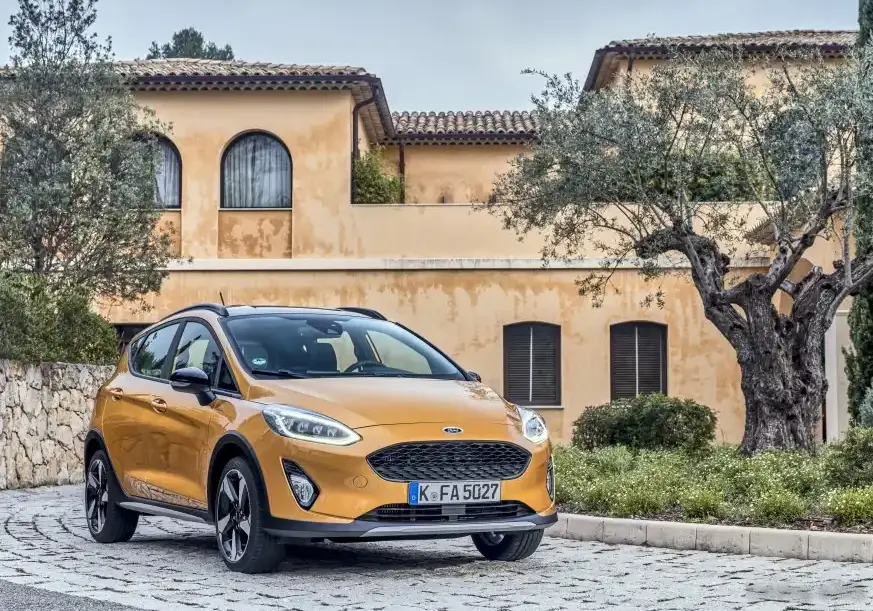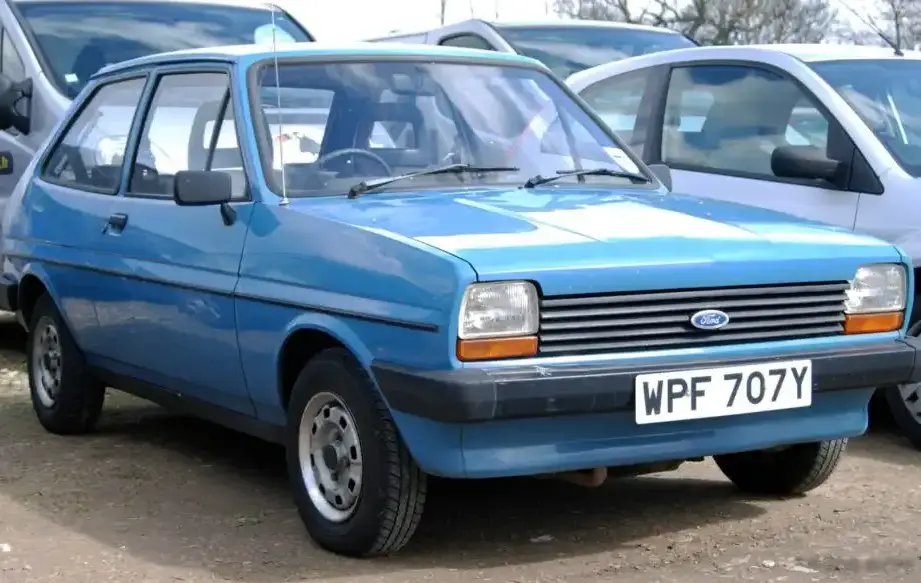
The Ford Fiesta Mk1 1.6 XR2, produced between 1981 and 1983, represented a performance-oriented variant of Ford’s popular supermini. Positioned as the flagship model within the first-generation Fiesta range (internally designated HSD), the XR2 aimed to capture a younger, more enthusiastic driver base. It offered a significant step up in performance and styling compared to the standard Fiesta models, establishing a precedent for future hot hatch iterations of the Fiesta. The XR2 was a key component in Ford of Europe’s strategy to offer a sporty, affordable vehicle that appealed to a growing market segment.
Technical Specifications
| Brand | Ford |
| Model | Fiesta |
| Generation | Fiesta I (Mk1) |
| Type (Engine) | 1.6 XR2 (84 Hp) |
| Start of production | 1981 |
| End of production | 1983 |
| Powertrain Architecture | Internal Combustion Engine |
| Body type | Hatchback |
| Fuel Type | Petrol (Gasoline) |
| Power | 84 Hp |
| Engine Aspiration | Naturally Aspirated |
| Engine Displacement | 1.6 Liters |
| Number of Cylinders | 4 |
| Valves per Cylinder | 2 |
| Transmission | 4-Speed Manual |
| Drive Type | Front-Wheel Drive |
| Weight (approx.) | 780 kg (1720 lbs) |
| Top Speed (approx.) | 109 mph (175 km/h) |
| 0-60 mph (approx.) | 9.8 seconds |
Powertrain & Engine Architecture
The heart of the Fiesta XR2 was the 1597cc, inline-four cylinder engine. This engine, based on the Ford Valencia series, was a significant upgrade from the standard Fiesta’s 1.1 and 1.3-liter units. It featured a single overhead camshaft (SOHC) operating two valves per cylinder. The cylinder head was redesigned to improve airflow, and the engine utilized a Weber 32/36 DGV carburetor for fuel delivery. While not featuring fuel injection – a technology becoming more prevalent at the time – the Weber carburetor was tuned to provide a responsive throttle and adequate power for the vehicle’s weight. The compression ratio was 9.2:1. The engine produced 84 horsepower at 6000 rpm and 86 lb-ft of torque at 4000 rpm. The XR2 was exclusively offered with a four-speed manual transmission, chosen for its direct connection to the engine and enhanced driving experience. The transmission featured a reinforced clutch to handle the increased power output.
Driving Characteristics
The Fiesta XR2 offered a noticeably more engaging driving experience than its standard counterparts. The 1.6-liter engine provided brisk acceleration, particularly in the lower gears. While not a particularly high-revving engine, it delivered a usable powerband that made it enjoyable for everyday driving. The four-speed manual transmission, while lacking the sophistication of five or six-speed gearboxes found in later hot hatches, was precise and relatively quick-shifting. The front-wheel drive layout, typical for vehicles of this era, provided decent traction in most conditions. However, under hard acceleration, torque steer could be noticeable. The relatively light weight of the Fiesta (around 780 kg) contributed to its nimble handling. The suspension was slightly stiffer than the standard Fiesta, providing improved body control and reduced roll during cornering. However, the ride quality was firmer, making it less comfortable on rough roads. Compared to potential future turbocharged or fuel-injected rivals, the XR2 relied on simplicity and a willing engine to deliver its performance.
Equipment & Trim Levels
The XR2 was distinguished from other Fiesta models by its unique exterior and interior trim. Exterior features included a distinctive front spoiler, flared wheel arches, and a rear roof spoiler. The car was typically finished in bright colors, such as Solar Silver, Diamond White, and Velvet Blue. Inside, the XR2 featured sports seats with a patterned cloth upholstery, a three-spoke steering wheel, and a revised dashboard with additional gauges, including a voltmeter and oil pressure gauge. While not lavishly equipped by modern standards, the XR2 offered a reasonable level of comfort and convenience for its time. Optional extras included a sunroof and upgraded stereo systems. The interior was designed to convey a sporty and youthful image.
Chassis & Braking
The Fiesta XR2 utilized the standard Fiesta Mk1 chassis, but with several modifications to enhance its handling and braking performance. The front suspension featured MacPherson struts with an anti-roll bar, while the rear suspension employed a twist-beam axle. The suspension was tuned with stiffer springs and dampers to reduce body roll and improve responsiveness. The braking system consisted of disc brakes on the front wheels and drum brakes on the rear wheels. While adequate for the car’s performance, the rear drum brakes were a point of criticism, as they lacked the stopping power of disc brakes. The XR2’s tires were also wider than those fitted to standard Fiesta models, providing improved grip.
Market Reception & Comparison
The Ford Fiesta XR2 was generally well-received by automotive critics and enthusiasts. It was praised for its lively performance, nimble handling, and distinctive styling. It was often compared to other hot hatches of the era, such as the Volkswagen Polo GT and the Vauxhall Nova SR. The XR2 offered a compelling combination of performance and affordability, making it a popular choice among young drivers. However, some critics noted the limitations of the rear drum brakes and the relatively basic interior. Fuel economy was reasonable for a performance car of the early 1980s, averaging around 35-40 mpg. Reliability was generally good, although the Weber carburetor required periodic adjustment and maintenance. Compared to the standard Fiesta, the XR2 commanded a premium price, reflecting its enhanced performance and equipment.
Legacy
The Fiesta XR2 played a significant role in establishing the Fiesta as a desirable and sporty small car. It paved the way for future performance versions of the Fiesta, including the XR3 and RS models. Today, the Fiesta Mk1 XR2 is a sought-after classic car, particularly among Ford enthusiasts. Well-maintained examples are becoming increasingly rare and valuable. The 1.6-liter engine, while relatively simple in design, has proven to be durable and reliable. However, finding original parts can be challenging. The XR2 remains a popular choice for classic car rallies and events, and it continues to be appreciated for its nostalgic charm and engaging driving experience. Its influence can be seen in the continued development of sporty Fiesta models throughout the car’s history.