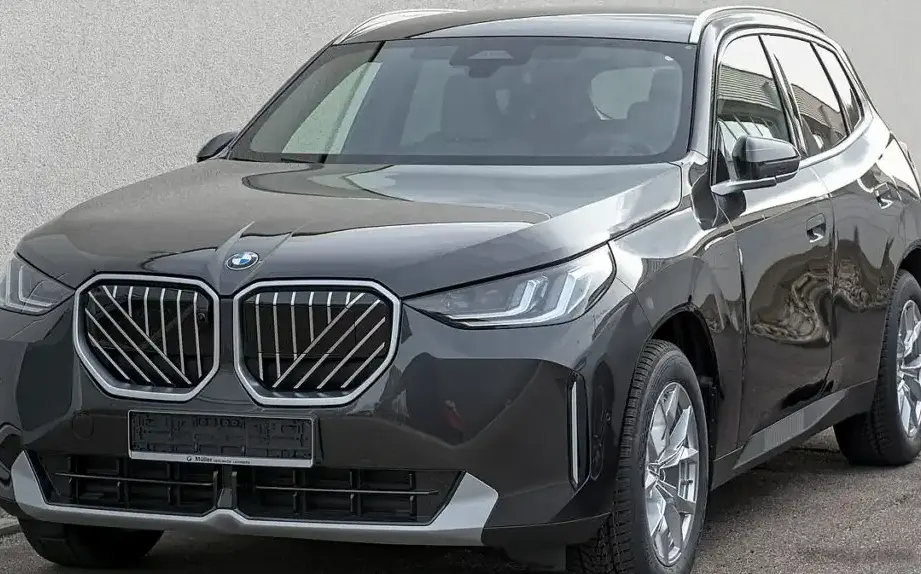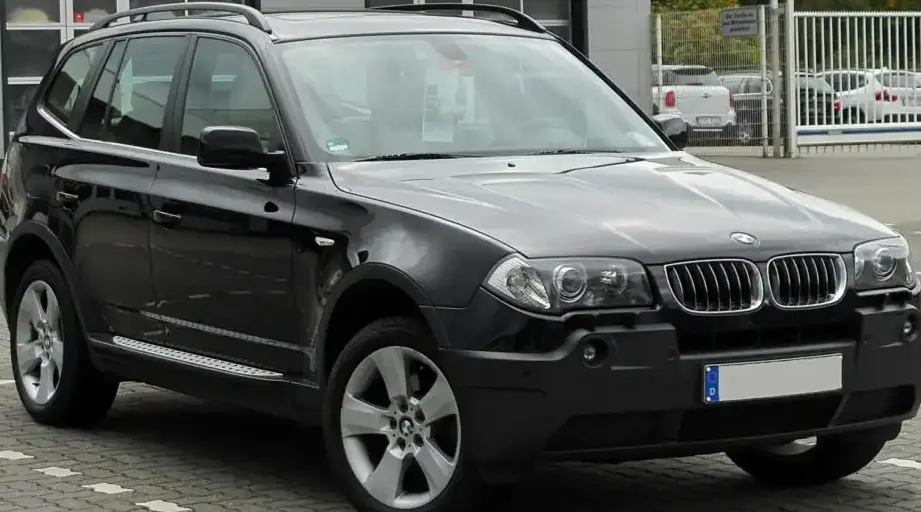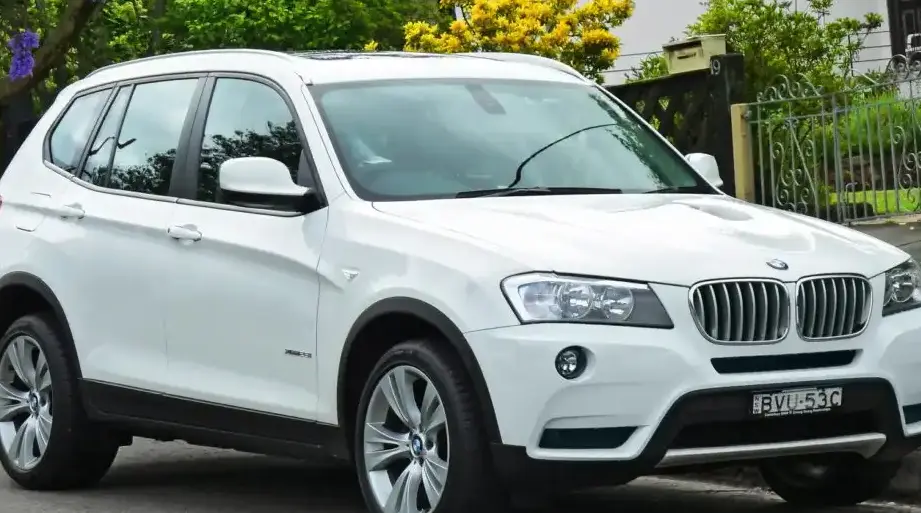
The BMW X3 (F25) 20i xDrive Steptronic, produced from 2011 to 2014, represented an entry point into the second generation of BMW’s compact luxury SUV. Positioned within the F25 X3 lineup, which spanned from diesel variants to more powerful gasoline engines, the 20i offered a balance of efficiency and performance geared towards buyers prioritizing fuel economy and a comfortable driving experience. It served as a key model in BMW’s strategy to broaden the X3’s appeal in both European and North American markets, offering an alternative to larger, more expensive SUVs.
Technical Specifications
| Brand | BMW |
| Model | X3 |
| Generation | X3 (F25) |
| Type (Engine) | 20i (184 Hp) xDrive Steptronic |
| Start of production | 2011 |
| End of production | 2014 |
| Powertrain Architecture | Internal Combustion engine |
| Body type | SUV |
| Seats | 5 |
| Doors | 5 |
| Fuel consumption (urban) | 8.9 l/100 km (26.4 US mpg) |
| Fuel consumption (extra urban) | 6.7 l/100 km (35.1 US mpg) |
| Fuel consumption (combined) | 7.5 l/100 km (31.4 US mpg) |
| CO2 emissions | 175 g/km |
| Fuel Type | Petrol (Gasoline) |
| Acceleration 0 – 100 km/h | 8.6 sec |
| Acceleration 0 – 62 mph | 8.6 sec |
| Acceleration 0 – 60 mph | 8.2 sec |
| Maximum speed | 210 km/h (130.49 mph) |
| Emission standard | Euro 5 |
| Weight-to-power ratio | 9.3 kg/Hp |
| Weight-to-torque ratio | 6.3 kg/Nm |
| Power | 184 Hp @ 5000 rpm |
| Torque | 270 Nm @ 1250-4500 rpm (199.14 lb.-ft.) |
| Engine layout | Front, Longitudinal |
| Engine Model/Code | N20B20A |
| Engine displacement | 1997 cm3 (121.86 cu. in.) |
| Number of cylinders | 4 |
| Engine configuration | Inline |
| Cylinder Bore | 84 mm (3.31 in.) |
| Piston Stroke | 90.1 mm (3.55 in.) |
| Compression ratio | 11:1 |
| Number of valves per cylinder | 4 |
| Fuel injection system | Direct injection |
| Engine aspiration | Twin-power turbo, Intercooler |
| Engine oil capacity | 5 l (5.28 US qt | 4.4 UK qt) |
| Coolant | 7.5 l (7.93 US qt | 6.6 UK qt) |
| Kerb Weight | 1705 kg (3758.88 lbs.) |
| Max. weight | 2295 kg (5059.61 lbs.) |
| Max load | 590 kg (1300.73 lbs.) |
| Trunk (boot) space – minimum | 550 l (19.42 cu. ft.) |
| Trunk (boot) space – maximum | 1600 l (56.5 cu. ft.) |
| Fuel tank capacity | 67 l (17.7 US gal | 14.74 UK gal) |
| Max. roof load | 100 kg (220.46 lbs.) |
| Permitted trailer load with brakes (12%) | 2400 kg (5291.09 lbs.) |
| Permitted trailer load without brakes | 750 kg (1653.47 lbs.) |
| Permitted towbar download | 100 kg (220.46 lbs.) |
| Length | 4648 mm (182.99 in.) |
| Width | 1881 mm (74.06 in.) |
| Height | 1661 mm (65.39 in.) |
| Wheelbase | 2810 mm (110.63 in.) |
| Front track | 1616 mm (63.62 in.) |
| Rear (Back) track | 1632 mm (64.25 in.) |
| Ride height (ground clearance) | 212 mm (8.35 in.) |
| Drag coefficient (Cd) | 0.34 |
| Minimum turning circle (turning diameter) | 11.9 m (39.04 ft.) |
| Approach angle | 25.7° |
| Departure angle | 22.6° |
| Ramp-over (brakeover) angle | 19.4° |
| Wading depth | 500 mm (19.69 in.) |
| Drive wheel | All wheel drive (4×4) |
| Number of gears and type of gearbox | 8 gears, automatic transmission Steptronic |
| Rear suspension | Independent multi-link suspension |
| Front brakes | Ventilated discs |
| Rear brakes | Ventilated discs |
| Assisting systems | ABS (Anti-lock braking system) |
| Steering type | Steering rack and pinion |
| Power steering | Electric Steering |
| Tires size | 225/60 R17 V |
| Wheel rims size | 7.5 J x 17 |
Powertrain & Engine Architecture
The heart of the X3 20i is BMW’s N20B20A 2.0-liter inline-four cylinder engine. This engine is a key member of BMW’s modular engine family, utilizing direct fuel injection, a single twin-scroll turbocharger, and variable valve timing (VANOS) on both intake and exhaust camshafts. The N20 engine is known for its responsiveness and relatively high specific output. The 184 horsepower and 270 Nm (199 lb-ft) of torque are delivered across a broad rev range, thanks to the turbocharger’s design. The engine is longitudinally mounted, a traditional BMW layout, and paired exclusively with an 8-speed Steptronic automatic transmission. This transmission, a cornerstone of BMW’s efficiency strategy, offers smooth shifts and a wide range of gear ratios to optimize fuel economy and performance. The xDrive all-wheel-drive system distributes power between the front and rear axles as needed, enhancing traction and stability in various driving conditions.
Driving Characteristics
The X3 20i xDrive Steptronic delivers a comfortable and refined driving experience. While not as overtly sporty as higher-powered X3 variants, the 20i provides adequate acceleration for everyday driving, achieving 0-60 mph in approximately 8.2 seconds. The 8-speed automatic transmission contributes to a smooth and seamless power delivery, although it can sometimes feel slightly hesitant during quick downshifts. The xDrive system provides confident handling in all weather conditions, and the steering is precise and well-weighted. Compared to the manual transmission options available on other X3 models, the Steptronic automatic prioritizes ease of use and fuel efficiency over outright driver engagement. The 20i’s power delivery is more linear than the turbocharged six-cylinder engines offered in the X3 range, making it a more predictable and less demanding vehicle to drive.
Equipment & Trim Levels
The X3 20i xDrive Steptronic typically came standard with a comprehensive list of features, including automatic climate control, power windows and locks, a multi-function steering wheel, and a BMW Professional radio system. Upholstery was generally cloth, although leather options were available. Common optional extras included a panoramic sunroof, navigation system, upgraded audio system, and parking sensors. Trim levels varied slightly depending on the market, but generally offered packages that bundled popular options together. The interior design was typical BMW, with a focus on functionality and a driver-centric layout. The dashboard featured a clear and concise instrument cluster, and the center console housed the infotainment system and climate controls.
Chassis & Braking
The F25 X3 utilizes a MacPherson strut front suspension and a multi-link rear suspension, providing a comfortable ride and good handling characteristics. The suspension is tuned to prioritize comfort over outright sportiness, but still offers a reasonable level of control in corners. The X3 20i is equipped with ventilated disc brakes on all four wheels, providing ample stopping power. Anti-lock braking system (ABS) and electronic stability control (ESC) are standard features, enhancing safety and stability. The vehicle’s weight distribution is relatively balanced, contributing to its neutral handling characteristics. Stabilizer bars are fitted to both the front and rear axles to reduce body roll during cornering.
Market Reception & Comparison
The X3 20i xDrive Steptronic was generally well-received by automotive critics as a practical and efficient entry point into the BMW X3 range. It was praised for its comfortable ride, spacious interior, and fuel economy. However, some critics noted that the 2.0-liter engine lacked the punch of the larger engines offered in the X3 lineup. Compared to the X3 28i (which featured a more powerful version of the N20 engine) and the X3 35i (with a turbocharged inline-six), the 20i offered a more affordable price point but sacrificed some performance. In terms of reliability, the N20 engine has been known to experience some issues with oil leaks and timing chain wear, but these problems are not unique to the X3 20i and can often be addressed with preventative maintenance.
Legacy
The BMW X3 (F25) 20i xDrive Steptronic remains a popular choice in the used car market, particularly for buyers seeking a well-equipped and relatively affordable luxury SUV. The N20 engine, despite its potential for some maintenance issues, is generally considered to be a reliable and durable powerplant when properly maintained. The X3’s reputation for build quality and its comfortable driving experience continue to make it an attractive option for those looking for a practical and refined vehicle. As a model, the F25 X3 helped solidify BMW’s position in the growing compact luxury SUV segment, paving the way for future generations of the X3.