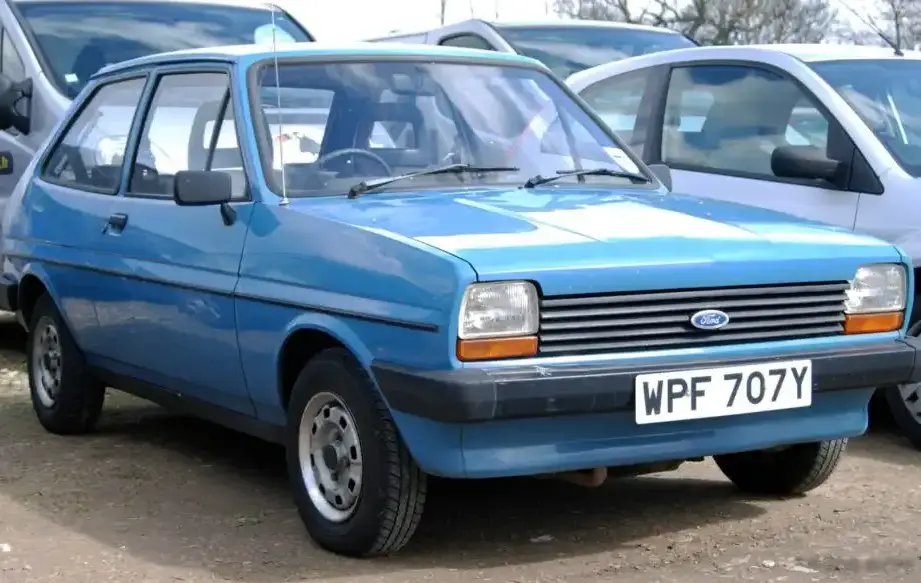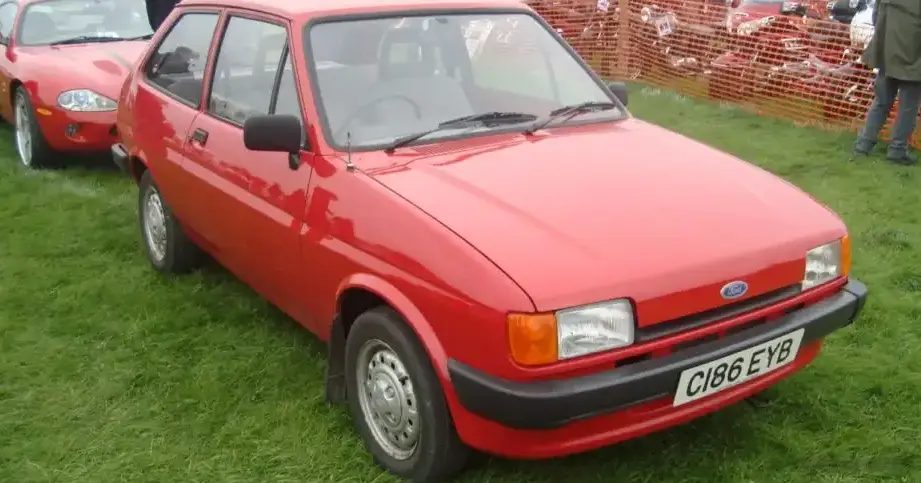
The Ford Fiesta Mk2 1.6 XR2, produced between 1984 and 1989, represented a performance-oriented variant within the second generation of Ford’s popular supermini. Distinguished by its sporty styling and increased power output, the XR2 aimed to capture a segment of the market seeking a fun-to-drive, affordable hatchback. It built upon the success of the original Fiesta, offering a more engaging driving experience than the standard models. The XR2 was a key model in establishing the Fiesta’s reputation for youthful appeal and accessible performance in Europe, particularly in the UK where it was heavily marketed.
Technical Specifications
| Brand | Ford |
| Model | Fiesta |
| Generation | Fiesta II (Mk2) |
| Type (Engine) | 1.6 XR2 (FBD) (97 Hp) |
| Start of production | 1984 |
| End of production | 1989 |
| Powertrain Architecture | Internal Combustion engine |
| Body type | Hatchback |
| Fuel Type | Petrol (Gasoline) |
| Power | 97 Hp |
| Engine Model/Code | FBD |
| Engine aspiration | Naturally aspirated engine |
| Engine oil capacity | 3.5 l (3.7 US qt | 3.08 UK qt) |
| Coolant capacity | 8 l (8.45 US qt | 7.04 UK qt) |
Introduction
The Fiesta Mk2, launched in 1983, was a significant update to the original Fiesta, offering improved styling, interior space, and mechanical refinements. The 1.6 XR2, introduced in 1984, was the flagship performance model of the range. It was positioned above the base models and the more economical 1.1 and 1.3-liter variants, offering a substantial power increase and a more focused driving experience. The XR2 was a direct response to rivals like the Volkswagen Polo GT and the Vauxhall Nova SR, aiming to provide a sporty and affordable option for young drivers. It quickly became a popular choice, known for its lively performance and distinctive appearance.
Powertrain & Engine Architecture
The heart of the Fiesta XR2 was the 1.6-liter, four-cylinder engine, designated the FBD code. This engine was based on the Ford Valencia engine family, but featured a revised cylinder head with larger valves and a higher compression ratio to boost power output. It produced 97 horsepower at 6000 rpm and 95 lb-ft of torque at 4000 rpm. The engine utilized a Bosch K-Jetronic mechanical fuel injection system, which, while relatively sophisticated for its time, was known for its complexity and potential maintenance requirements. The valvetrain employed an overhead camshaft design, operating two valves per cylinder. The XR2 was exclusively offered with a four-speed manual transmission, designed to handle the increased power and provide a sporty driving feel. The transmission featured close ratios to maximize acceleration, but lacked the refinement of more modern gearboxes.
Driving Characteristics
The Fiesta XR2 offered a noticeably more engaging driving experience than the standard Fiesta models. The 1.6-liter engine provided brisk acceleration, allowing for a 0-60 mph time of around 8.5 seconds – respectable for a supermini of the 1980s. The four-speed gearbox, while not particularly sophisticated, allowed drivers to keep the engine in its power band. The XR2’s suspension was also upgraded compared to the standard Fiesta, featuring stiffer springs and dampers, and a thicker anti-roll bar. This resulted in reduced body roll and improved handling, making the car feel more planted and responsive in corners. However, the ride quality was firmer than that of the standard Fiesta, which some drivers found uncomfortable on rough roads. The steering was direct and communicative, providing good feedback to the driver. Overall, the XR2 offered a lively and enjoyable driving experience, particularly for those who appreciated a sporty and engaging feel.
Equipment & Trim Levels
The XR2 was distinguished from other Fiesta models by its unique exterior and interior trim. Exterior features included a distinctive front spoiler, rear roof spoiler, and side skirts, giving the car a more aggressive and sporty appearance. Wheels were typically 14-inch alloy wheels, adding to the XR2’s visual appeal. Inside, the XR2 featured sports seats with enhanced bolstering, providing better support during cornering. The dashboard featured a unique instrument cluster with additional gauges, including a rev counter. Interior trim was typically dark grey or black, with red accents. Standard equipment included a basic stereo system, but options such as electric windows and central locking were available. The XR2 was generally well-equipped for a car in its class, offering a good balance of comfort and practicality.
Chassis & Braking
The Fiesta Mk2 XR2 utilized a MacPherson strut front suspension and a twist-beam rear suspension. The front suspension was upgraded with stiffer springs and dampers compared to the standard Fiesta, improving handling and reducing body roll. The rear twist-beam suspension was also revised, with a thicker anti-roll bar to further enhance stability. The braking system consisted of disc brakes on the front wheels and drum brakes on the rear wheels. While adequate for most driving conditions, the rear drum brakes were a limitation compared to the all-disc setups found on some rivals. The XR2’s chassis was relatively lightweight, contributing to its nimble handling characteristics. The steering was a rack-and-pinion system, providing direct and responsive steering feel.
Market Reception & Comparison
The Fiesta XR2 was generally well-received by automotive critics and the public alike. It was praised for its lively performance, sporty handling, and distinctive styling. However, some critics noted the firm ride quality and the complexity of the K-Jetronic fuel injection system. Compared to other trims in the Fiesta lineup, the XR2 offered a significant performance upgrade, but at a higher price point. The 1.1 and 1.3-liter models were more economical and affordable, appealing to a different segment of the market. Compared to rivals like the Volkswagen Polo GT, the XR2 offered a more engaging driving experience, but the Polo GT was often considered to be more refined. The XR2’s fuel economy was reasonable for a performance car of its era, averaging around 35-40 mpg.
Legacy
The Fiesta Mk2 XR2 remains a popular classic car today, sought after by enthusiasts for its sporty character and nostalgic appeal. The FBD engine, while relatively robust, can require maintenance due to the complexity of the K-Jetronic fuel injection system. Parts availability is generally good, but some components can be difficult to find. The XR2’s lightweight chassis and lively engine make it a fun and rewarding car to drive, even by modern standards. It played a significant role in establishing the Fiesta’s reputation as a sporty and affordable hatchback, and continues to be a cherished model among Ford enthusiasts. Well-maintained examples command a premium in the used car market, reflecting their enduring popularity and historical significance.