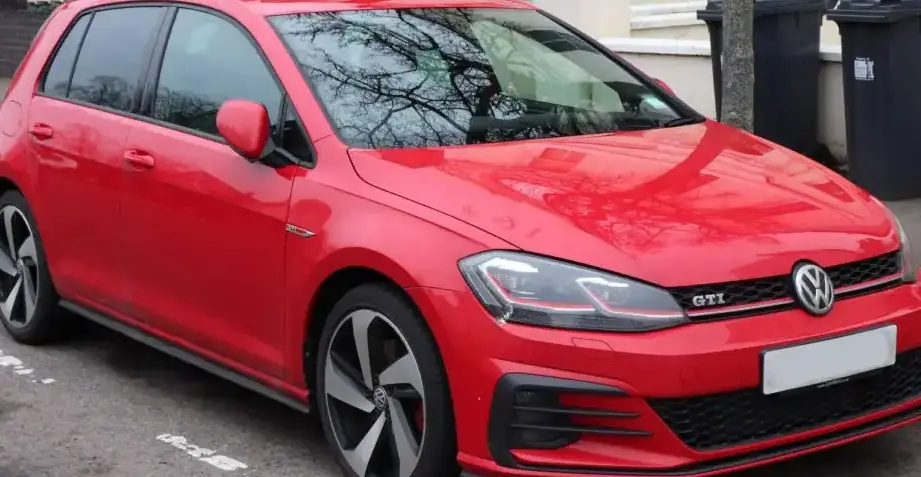
The Volkswagen Golf VII, produced from 2012 to 2014, represented a significant evolution of Volkswagen’s iconic hatchback. Among the various engine and drivetrain configurations offered, the 2.0 TDI (150 hp) 4MOTION variant occupied a compelling position, blending fuel efficiency with all-wheel-drive capability. This model, typically a five-door hatchback, was aimed at buyers seeking a practical, comfortable, and secure vehicle for all-weather conditions. It sat within the Golf VII range as a mid-to-upper trim level, offering more performance and features than the base models but remaining below the range-topping performance variants.
Technical Specifications
| Brand | Volkswagen |
| Model | Golf |
| Generation | Golf VII (5-door) |
| Type (Engine) | 2.0 TDI (150 Hp) 4MOTION |
| Start of production | 2012 |
| End of production | 2014 |
| Powertrain Architecture | Internal Combustion engine |
| Body type | Hatchback |
| Seats | 5 |
| Doors | 5 |
| Fuel consumption (urban) | 5.7 l/100 km (41.3 US mpg, 49.6 UK mpg, 17.5 km/l) |
| Fuel consumption (extra urban) | 4.1 l/100 km (57.4 US mpg, 68.9 UK mpg, 24.4 km/l) |
| Fuel consumption (combined) | 4.7 l/100 km (50 US mpg, 60.1 UK mpg, 21.3 km/l) |
| Fuel Type | Diesel |
| Acceleration 0 – 100 km/h | 8.6 sec |
| Acceleration 0 – 62 mph | 8.6 sec |
| Acceleration 0 – 60 mph | 8.2 sec |
| Maximum speed | 211 km/h (131.11 mph) |
| Weight-to-power ratio | 9.7 kg/Hp, 103.5 Hp/tonne |
| Weight-to-torque ratio | 4.5 kg/Nm, 220.8 Nm/tonne |
| Power | 150 Hp @ 3000-4000 rpm |
| Power per litre | 76.2 Hp/l |
| Torque | 320 Nm @ 1750-3000 rpm (236.02 lb.-ft. @ 1750-3000 rpm) |
| Engine layout | Front, Transverse |
| Engine Model/Code | CRBC, CRLB |
| Engine displacement | 1968 cm3 (120.09 cu. in.) |
| Number of cylinders | 4 |
| Engine configuration | Inline |
| Fuel injection system | Diesel Commonrail |
| Engine aspiration | Turbocharger, Intercooler |
| Engine oil capacity | 4.7 l (4.97 US qt | 4.14 UK qt) |
| Kerb Weight | 1449 kg (3194.5 lbs.) |
| Max. weight | 1940 kg (4276.97 lbs.) |
| Max load | 491 kg (1082.47 lbs.) |
| Trunk (boot) space – minimum | 343 l (12.11 cu. ft.) |
| Trunk (boot) space – maximum | 1233 l (43.54 cu. ft.) |
| Fuel tank capacity | 55 l (14.53 US gal | 12.1 UK gal) |
| Length | 4255 mm (167.52 in.) |
| Width | 1799 mm (70.83 in.) |
| Height | 1454 mm (57.24 in.) |
| Wheelbase | 2632 mm (103.62 in.) |
| Front track | 1549 mm (60.98 in.) |
| Rear (Back) track | 1520 mm (59.84 in.) |
| Minimum turning circle | 10.9 m (35.76 ft.) |
| Drivetrain Architecture | All wheel drive (4×4). ICE drives front wheels, rear wheels driven via clutch. |
| Number of gears | 6 |
| Gearbox type | Manual transmission |
| Front brakes | Ventilated discs |
| Assisting systems | ABS (Anti-lock braking system) |
| Steering type | Steering rack and pinion |
| Power steering | Electric Steering |
Powertrain & Engine Architecture
The heart of this Golf variant was the 2.0-liter TDI engine, specifically utilizing the CRBC or CRLB engine codes. These engines were common rail direct injection diesel engines, a technology that allowed for precise fuel delivery and improved combustion efficiency. The common rail system, operating at extremely high pressures, atomized the fuel into a fine mist, promoting a more complete burn and reducing emissions. The engine featured a turbocharger with an intercooler, boosting power output and improving throttle response. The inline-four cylinder configuration provided a good balance of smoothness and efficiency. The 150 horsepower peak was achieved between 3000 and 4000 rpm, while the substantial 320 Nm (236 lb-ft) of torque was available from a low 1750 rpm, providing strong pulling power. This engine was paired with a six-speed manual transmission, offering precise gear changes and driver control.
Driving Characteristics
The 2.0 TDI 4MOTION offered a composed and refined driving experience. The 150 hp output, while not overtly sporty, provided ample power for everyday driving and confident overtaking. The readily available torque meant that strong acceleration was accessible across a wide range of engine speeds. The six-speed manual transmission allowed drivers to maximize engine efficiency and maintain optimal power delivery. The 4MOTION all-wheel-drive system significantly enhanced traction, particularly in adverse weather conditions like rain or snow. Compared to the base 1.6 TDI models, the 2.0 TDI offered a noticeable performance improvement. It also felt more relaxed on long journeys, requiring less frequent gear changes. While not as quick as the Golf GTI or R models, the 2.0 TDI 4MOTION provided a practical and enjoyable driving experience.
Equipment & Trim Levels
The 2.0 TDI 4MOTION typically came equipped with a generous level of standard features. These included air conditioning, power windows, central locking, and an audio system with CD player. Higher trim levels often added features such as alloy wheels, a multi-function steering wheel, cruise control, and parking sensors. Interior upholstery was typically cloth, with optional leather upgrades available. The dashboard layout was functional and well-designed, with clear instrumentation and intuitive controls. Optional extras could include a navigation system, sunroof, and upgraded audio systems.
Chassis & Braking
The Golf VII chassis was well-engineered, providing a comfortable ride and responsive handling. The 2.0 TDI 4MOTION models featured a robust suspension system designed to handle the added weight of the all-wheel-drive components. Front brakes were ventilated discs, providing strong stopping power, while rear brakes were typically solid discs. The inclusion of ABS (Anti-lock Braking System) was standard, enhancing safety and stability during emergency braking. The electric power steering offered a precise and responsive feel, making the car easy to maneuver.
Market Reception & Comparison
The Volkswagen Golf VII 2.0 TDI 4MOTION was generally well-received by automotive critics. It was praised for its fuel efficiency, comfortable ride, and all-weather capability. The 4MOTION system was particularly appreciated for its ability to provide enhanced traction and stability. Compared to other trims in the Golf VII lineup, the 2.0 TDI 4MOTION offered a compelling balance of performance and practicality. While the base models were more affordable, they lacked the power and all-wheel-drive capability of the 2.0 TDI 4MOTION. The higher-performance GTI and R models offered more exhilarating driving experiences, but at a significantly higher price point.
Legacy
The 2.0 TDI engine, in various iterations, proved to be a reliable and durable powerplant. While diesel engines, in general, have faced increased scrutiny regarding emissions, the CRBC and CRLB engines are generally considered to be relatively robust. The 4MOTION all-wheel-drive system also has a strong reputation for reliability. In the used car market, the Golf VII 2.0 TDI 4MOTION remains a popular choice, particularly in regions with harsh winters or challenging road conditions. Regular maintenance, including timely oil changes and filter replacements, is crucial for ensuring the long-term reliability of this powertrain. These models continue to offer a practical, efficient, and capable option for buyers seeking a well-rounded hatchback.