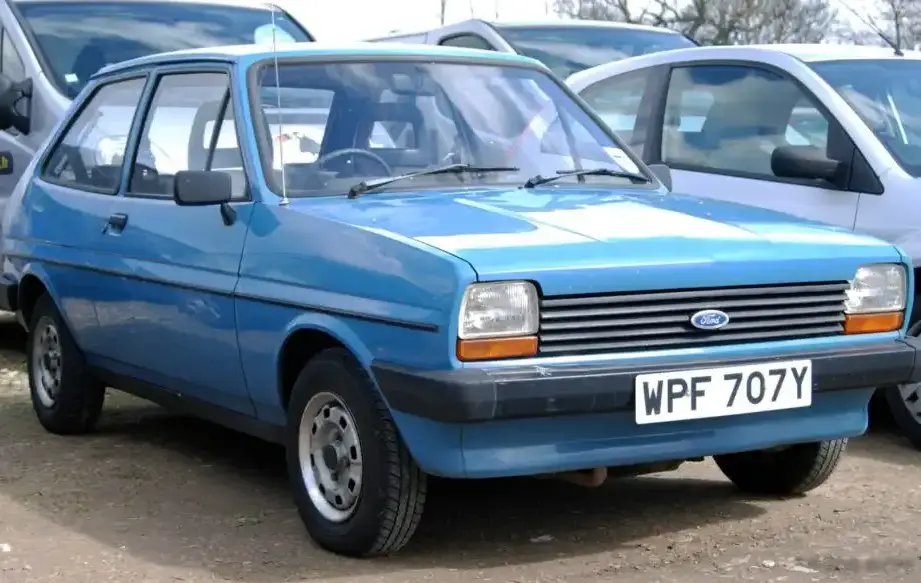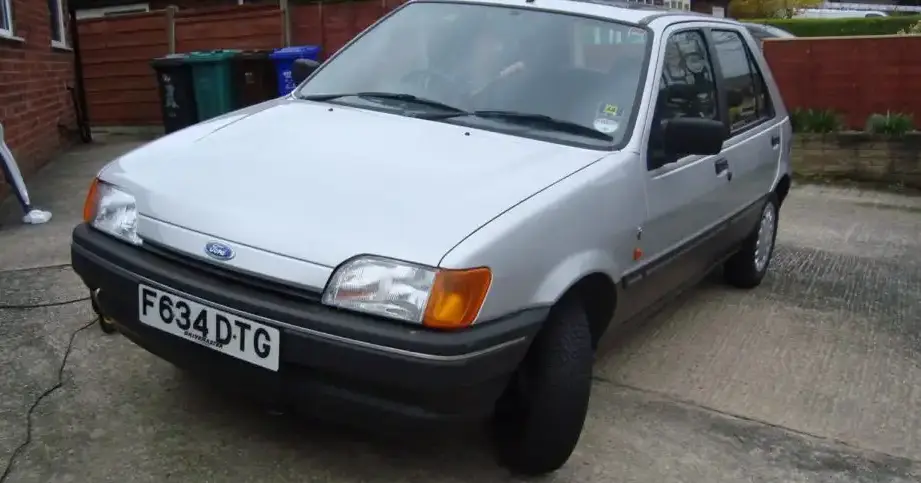
The Ford Fiesta Mk3 1.6 XR2i, produced between 1989 and 1995, represented a performance-oriented variant within the third generation of Ford’s popular supermini. Positioned as the flagship model in the Mk3 Fiesta range, the XR2i aimed to deliver a more engaging driving experience than the standard trims, appealing to enthusiasts seeking a sporty and affordable hatchback. It built upon the success of the original XR2 from the Mk2 Fiesta, offering increased power and refined styling. The Mk3 Fiesta itself was a significant update over its predecessor, featuring a more modern interior, improved aerodynamics, and a wider range of engine options, all within the familiar three-door hatchback body style.
Technical Specifications
| Brand | Ford |
| Model | Fiesta |
| Generation | Fiesta III (Mk3) |
| Type (Engine) | 1.6 XR2i (103 Hp) |
| Start of production | 1989 |
| End of production | 1995 |
| Powertrain Architecture | Internal Combustion engine |
| Body type | Hatchback |
| Seats | 5 |
| Doors | 3 |
| Fuel Type | Petrol (Gasoline) |
| Power | 103 Hp |
| Power per litre | 64.5 Hp/l |
| Engine layout | Front, Transverse |
| Engine Model/Code | LJD |
| Engine displacement | 1597 cm3 |
| Engine displacement (US) | 97.45 cu. in. |
| Number of cylinders | 4 |
| Engine configuration | Inline |
| Number of valves per cylinder | 2 |
| Engine aspiration | Naturally aspirated engine |
| Engine oil capacity | 3.5 l |
| Engine oil capacity (US) | 3.7 US qt |
| Engine oil capacity (UK) | 3.08 UK qt |
| Coolant capacity | 7 l |
| Coolant capacity (US) | 7.4 US qt |
| Coolant capacity (UK) | 6.16 UK qt |
| Fuel tank capacity | 42 l |
| Fuel tank capacity (US) | 11.1 US gal |
| Fuel tank capacity (UK) | 9.24 UK gal |
| Drivetrain | Front wheel drive |
| Number of gears | 5 |
| Gearbox type | Manual transmission |
Powertrain & Engine Architecture
The heart of the Fiesta XR2i was the 1.6-liter, inline-four cylinder engine, designated the LJD. This engine was a significant upgrade from the smaller units available in the standard Fiesta range. It featured a cast iron block and an aluminum cylinder head, employing a single overhead camshaft (SOHC) design operating two valves per cylinder. Fuel delivery was managed by Bosch mechanical fuel injection, a system common for the era, providing a balance between performance and reliability. The LJD engine produced 103 horsepower at 5800 rpm and 108 lb-ft of torque at 3500 rpm. This power output, while modest by modern standards, was considered substantial for a supermini of the time. The engine’s relatively high compression ratio (9.2:1) contributed to its spirited performance. The XR2i exclusively came with a five-speed manual transmission, designed to effectively manage the engine’s power band and provide a more engaging driving experience.
Driving Characteristics
The Fiesta XR2i offered a noticeably more dynamic driving experience compared to its lesser-equipped siblings. The 1.6-liter engine provided brisk acceleration, allowing for a 0-60 mph time of around 8.5 seconds – respectable for a car of its size and era. The five-speed gearbox was well-matched to the engine’s characteristics, offering precise shifts and allowing the driver to keep the engine within its optimal power range. The XR2i’s suspension was also tuned for performance, with stiffer springs and dampers compared to the standard Fiesta. This resulted in reduced body roll and improved handling, making it more enjoyable to drive on winding roads. While the steering wasn’t power-assisted, it provided good feedback and a direct connection to the road. Compared to later, fuel-injected 1.4-liter versions, the XR2i offered a significant performance advantage, though it came at the cost of slightly higher fuel consumption.
Equipment & Trim Levels
The XR2i was the top-of-the-line Fiesta trim, and as such, it came equipped with a number of features not found on the base models. Standard equipment included sports seats with enhanced bolstering, a leather-wrapped steering wheel, and a unique instrument cluster with additional gauges. Exterior styling cues included a distinctive body kit, consisting of a front spoiler, side skirts, and a rear spoiler. Alloy wheels were also standard. Optional extras included a sunroof, central locking, and an upgraded stereo system. The interior trim was typically dark grey or black, with a sporty, minimalist design. The XR2i aimed for a balance between practicality and sporting appeal, offering a comfortable and well-equipped interior alongside its performance enhancements.
Chassis & Braking
The Fiesta Mk3 XR2i utilized a MacPherson strut front suspension and a twist-beam rear suspension. The XR2i benefitted from a slightly wider track than the standard Fiesta, contributing to improved stability. Braking duties were handled by disc brakes on the front wheels and drum brakes on the rear. While the rear drum brakes were a cost-saving measure, they provided adequate stopping power for the car’s weight and performance. The XR2i did not feature ABS as standard, although it was available as an optional extra. The steering system was a rack-and-pinion setup, providing precise and responsive steering feel.
Market Reception & Comparison
The Fiesta XR2i was generally well-received by automotive critics, who praised its sporty handling, lively engine, and affordable price. It was often compared to other hot hatchbacks of the era, such as the Peugeot 205 GTI and the Volkswagen Polo GTI. While the XR2i didn’t quite match the outright performance of these rivals, it offered a compelling package for those seeking a fun-to-drive and practical supermini. Fuel economy was reasonable for a performance car of the time, averaging around 35-40 mpg. Reliability was generally good, although the Bosch fuel injection system could occasionally require maintenance. The XR2i appealed to a younger demographic, offering a stylish and affordable entry point into the world of performance motoring.
Legacy
The Fiesta XR2i remains a popular choice among classic car enthusiasts today. Its combination of sporty styling, engaging driving dynamics, and relative affordability has ensured its continued appeal. The LJD engine, while not overly complex, is generally considered reliable, although regular maintenance is essential. Parts availability is reasonably good, with many components still available from Ford or aftermarket suppliers. The XR2i has become a sought-after model in the used car market, with well-maintained examples commanding increasingly high prices. It represents a significant chapter in the Fiesta’s history, showcasing Ford’s ability to create a fun and engaging supermini that appealed to a wide range of drivers. The XR2i’s influence can still be seen in modern performance-oriented Fiesta models.