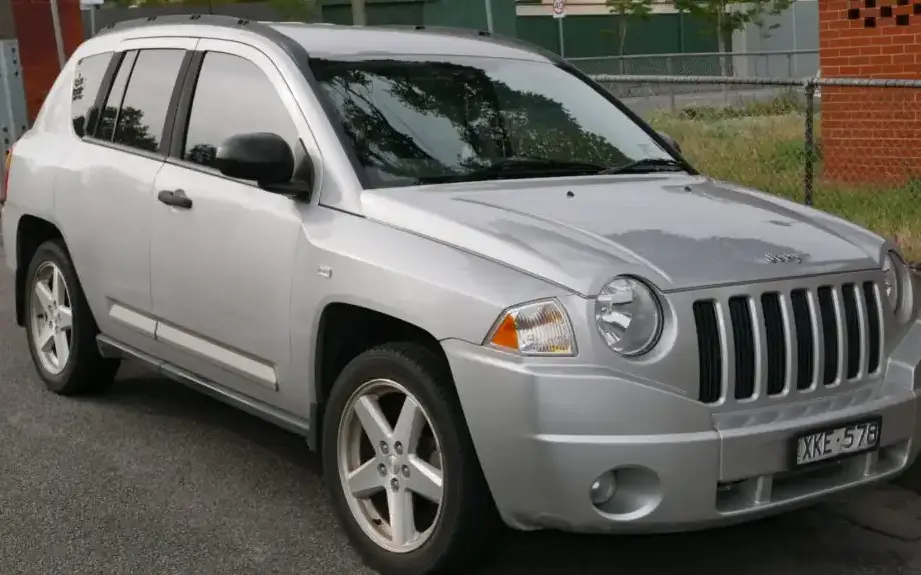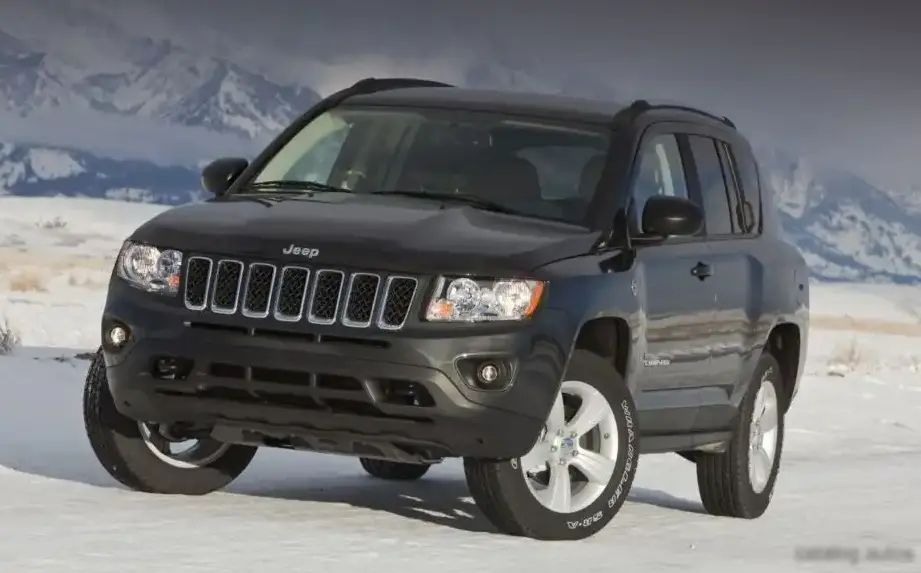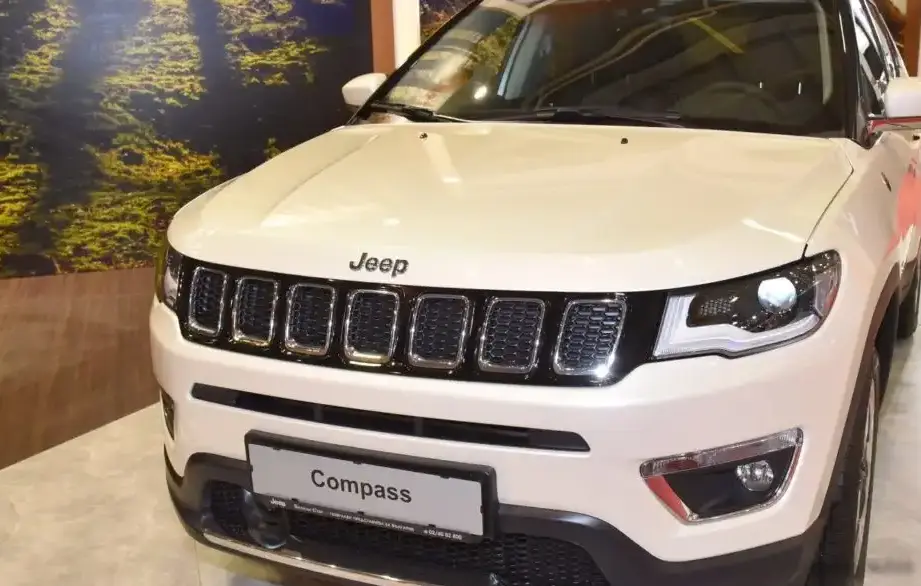
The Jeep Compass II (MP) 1.3 GSE T4, producing 130 horsepower, was a variant of the second-generation Jeep Compass, manufactured between July 2020 and April 2021. Positioned as an entry-level to mid-range option within the Compass lineup, it aimed to provide a balance of fuel efficiency and affordability for European and other international markets. This model represented Jeep’s attempt to broaden the appeal of the Compass, offering a smaller displacement engine option alongside the more powerful gasoline and diesel alternatives. It falls within the compact SUV/Crossover segment, built on the Small Wide architecture shared with other Stellantis vehicles.
Technical Specifications
| Brand | Jeep |
| Model | Compass |
| Generation | Compass II (MP) |
| Type (Engine) | 1.3 GSE T4 (130 Hp) |
| Start of production | July, 2020 |
| End of production | April, 2021 |
| Powertrain Architecture | Internal Combustion engine |
| Body type | SUV, Crossover |
| Seats | 5 |
| Doors | 5 |
| Combined fuel consumption (WLTP) | 6.6-7 l/100 km (35.6 – 33.6 US mpg, 42.8 – 40.4 UK mpg, 15.2 – 14.3 km/l) |
| CO2 emissions (WLTP) | 151-164 g/km |
| Fuel consumption (economy) – urban (NEDC) | 7.8 l/100 km (30.2 US mpg, 36.2 UK mpg, 12.8 km/l) |
| Fuel consumption (economy) – extra urban (NEDC) | 5.1 l/100 km (46.1 US mpg, 55.4 UK mpg, 19.6 km/l) |
| Fuel consumption (economy) – combined (NEDC) | 6.1 l/100 km (38.6 US mpg, 46.3 UK mpg, 16.4 km/l) |
| CO2 emissions (NEDC) | 138 g/km |
| Fuel Type | Petrol (Gasoline) |
| Acceleration 0 – 100 km/h | 10.3 sec |
| Acceleration 0 – 62 mph | 10.3 sec |
| Acceleration 0 – 60 mph | 9.8 sec |
| Maximum speed | 192 km/h (119.3 mph) |
| Emission standard | Euro 6d-Final |
| Weight-to-power ratio | 11 kg/Hp, 90.9 Hp/tonne |
| Weight-to-torque ratio | 5.3 kg/Nm, 188.8 Nm/tonne |
| Power | 130 Hp @ 4750 rpm |
| Power per litre | 97.6 Hp/l |
| Torque | 270 Nm @ 1560 rpm (199.14 lb.-ft. @ 1560 rpm) |
| Engine layout | Front, Transverse |
| Engine Model/Code | 55282328 |
| Engine displacement | 1332 cm3 (81.28 cu. in.) |
| Number of cylinders | 4 |
| Engine configuration | Inline |
| Cylinder Bore | 70 mm (2.76 in.) |
| Piston Stroke | 86.5 mm (3.41 in.) |
| Compression ratio | 10.5:1 |
| Number of valves per cylinder | 4 |
| Fuel injection system | Direct injection |
| Engine aspiration | Turbocharger, Intercooler |
| Valvetrain | DOHC |
| Engine oil capacity | 4.7 l (4.97 US qt | 4.14 UK qt) |
| Coolant | 7.5 l (7.93 US qt | 6.6 UK qt) |
| Kerb Weight | 1430 kg (3152.61 lbs.) |
| Max. weight | 1965 kg (4332.08 lbs.) |
| Max load | 535 kg (1179.47 lbs.) |
| Trunk (boot) space – minimum | 438 l (15.47 cu. ft.) |
| Trunk (boot) space – maximum | 1387 l (48.98 cu. ft.) |
| Fuel tank capacity | 55 l (14.53 US gal | 12.1 UK gal) |
| Max. roof load | 68 kg (149.91 lbs.) |
| Permitted trailer load with brakes (12%) | 1750 kg (3858.09 lbs.) |
| Permitted trailer load without brakes | 600 kg (1322.77 lbs.) |
| Permitted towbar download | 60 kg (132.28 lbs.) |
| Length | 4394 mm (172.99 in.) |
| Width | 1819 mm (71.61 in.) |
| Width with mirrors folded | 1874 mm (73.78 in.) |
| Width including mirrors | 2033 mm (80.04 in.) |
| Height | 1629 mm (64.13 in.) |
| Wheelbase | 2636 mm (103.78 in.) |
| Ride height (ground clearance) | 198 mm (7.8 in.) |
| Minimum turning circle (turning diameter) | 11.07 m (36.32 ft.) |
| Approach angle | 15.8° |
| Departure angle | 30.8° |
| Ramp-over (brakeover) angle | 21.8° |
| Wading depth | 406 mm (15.98 in.) |
| Drivetrain Architecture | The Internal combustion engine (ICE) drives the front wheels of the vehicle. |
| Drive wheel | Front wheel drive |
| Number of gears and type of gearbox | 6 gears, manual transmission |
| Front suspension | Independent, type McPherson with coil spring and anti-roll bar |
| Rear suspension | Independent coil spring, Transverse stabilizer |
| Front brakes | Ventilated discs |
| Rear brakes | Disc |
| Assisting systems | ABS (Anti-lock braking system) |
| Steering type | Steering rack and pinion |
| Power steering | Electric Steering |
| Tires size | 215/65 R16; 215/60 R17; 225/55 R18; 235/45 R19 |
| Wheel rims size | 6.5J x 16; 7J x 17; 7J x 18; 7.5J x 19 |
Powertrain & Engine Architecture
The 1.3 GSE T4 engine is a four-cylinder, inline gasoline engine utilizing direct injection and a turbocharger with an intercooler. This engine, part of Stellantis’s Global Small Engine (GSE) family, is known for its compact design and efficiency. The engine code 55282328 identifies this specific variant. The direct injection system allows for precise fuel delivery, optimizing combustion and improving fuel economy. The turbocharger boosts power output, providing increased torque at lower engine speeds. The engine features a Dual Overhead Camshaft (DOHC) valvetrain, contributing to efficient valve control and improved engine breathing. The 6-speed manual transmission was the standard offering for this trim, chosen for its balance of fuel efficiency and driver engagement.
Driving Characteristics
The 130 horsepower and 270 Nm (199 lb-ft) of torque delivered by the 1.3 GSE T4 engine in the Compass II provided adequate performance for everyday driving. Acceleration from 0-60 mph took approximately 9.8 seconds, and 0-100 km/h in 10.3 seconds. While not a particularly sporty setup, the turbocharger provided a noticeable boost in power during acceleration, making overtaking maneuvers manageable. Compared to higher-output gasoline or diesel variants of the Compass, this engine offered a more relaxed driving experience, prioritizing fuel economy over outright performance. The manual transmission allowed for greater driver control, but the gear ratios were tuned for efficiency rather than aggressive acceleration.
Equipment & Trim Levels
The 1.3 GSE T4 variant of the Jeep Compass II typically came with a standard equipment list that included air conditioning, a touchscreen infotainment system with Apple CarPlay and Android Auto compatibility, and basic safety features like ABS and stability control. Interior upholstery was generally cloth, with options for upgraded materials available. Higher trim levels added features such as alloy wheels, a rearview camera, parking sensors, and more advanced driver-assistance systems. Optional extras included a panoramic sunroof, leather upholstery, and a premium audio system.
Chassis & Braking
The Jeep Compass II utilized an independent suspension system, with McPherson struts at the front and an independent coil spring setup at the rear, incorporating a transverse stabilizer bar. This suspension configuration aimed to provide a comfortable ride while maintaining reasonable handling characteristics. The braking system consisted of ventilated discs at the front and solid discs at the rear, providing adequate stopping power for the vehicle’s weight class. The electric power steering offered light and precise steering feel.
Market Reception & Comparison
The 1.3 GSE T4 Compass II was generally well-received as an affordable and fuel-efficient option within the Compass lineup. Critics noted its adequate performance for everyday driving and its competitive fuel economy figures. Compared to the more powerful 1.6L gasoline or 1.6L and 2.0L diesel engines, the 1.3 GSE T4 offered lower running costs but sacrificed some performance. The manual transmission was praised for its engagement, but some reviewers found the gear ratios to be slightly tall, impacting acceleration. In terms of reliability, the GSE engine family has proven generally robust, though long-term durability data specific to the Compass II 1.3 T4 is still accumulating.
Legacy
The Jeep Compass II 1.3 GSE T4 represents a step towards smaller, more efficient engines in the Jeep lineup. While it wasn’t a performance standout, it provided a practical and affordable entry point into the compact SUV segment. On the used car market, these models are generally considered a good value, offering a balance of features, fuel economy, and reliability. The GSE engine itself has become a mainstay in several Stellantis vehicles, demonstrating its versatility and efficiency. Maintenance costs are generally reasonable, and parts availability is good, making it a relatively easy vehicle to own and maintain.