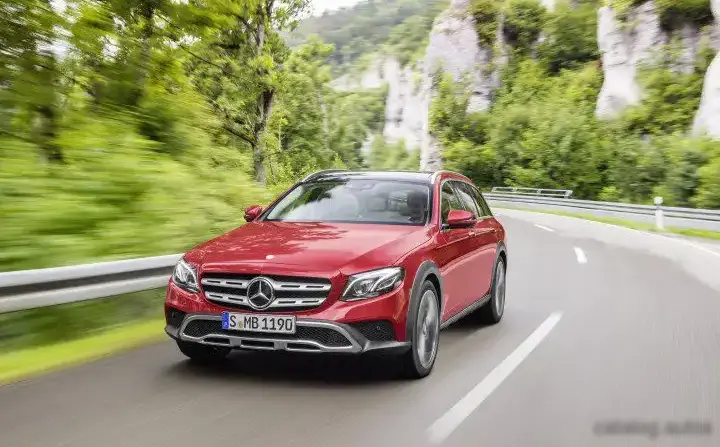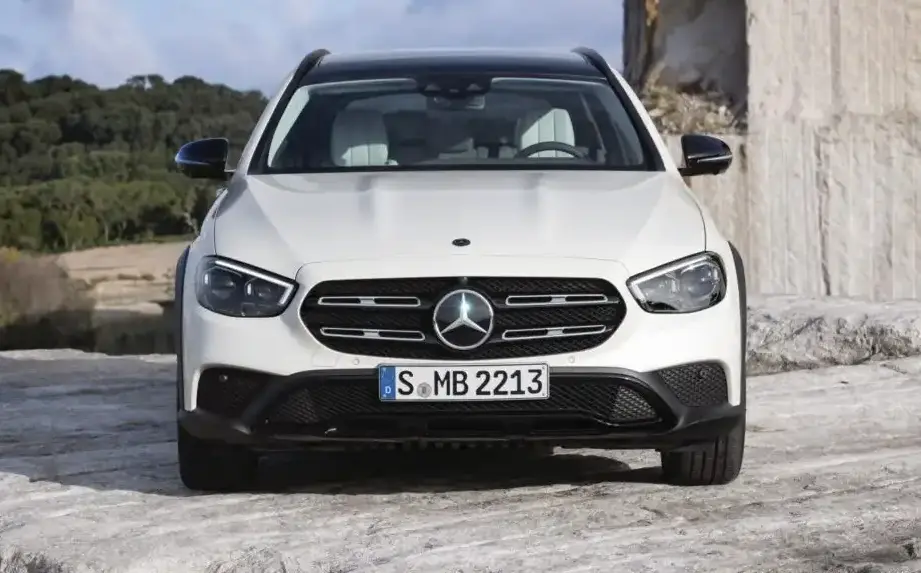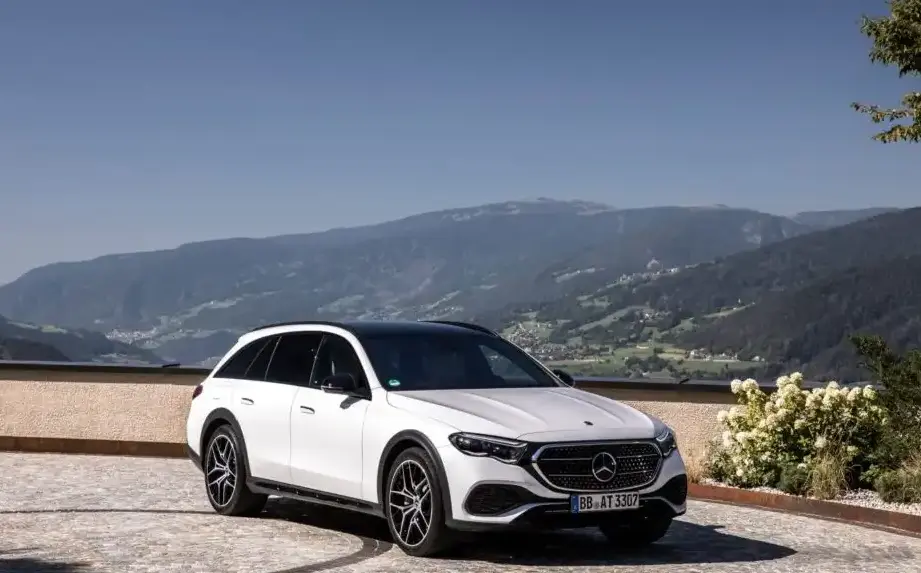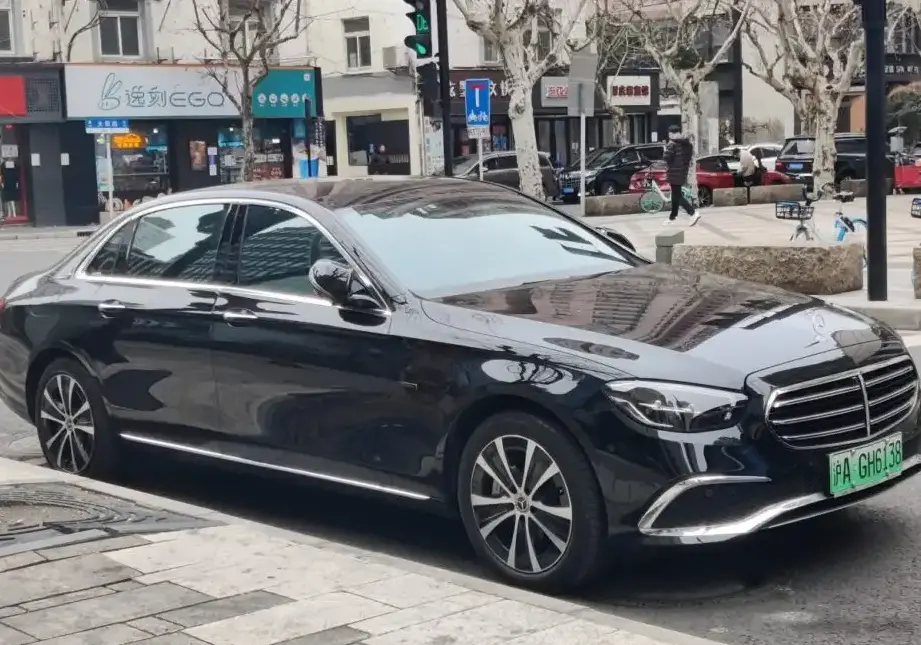
The Mercedes-Benz E 350e (V213 facelift, produced 2021-2023) represents a significant step in the E-Class’s evolution towards electrification. Positioned as a premium, long-wheelbase sedan primarily for the Chinese market, this plug-in hybrid variant combined a turbocharged four-cylinder gasoline engine with an electric motor, offering a balance of performance, efficiency, and luxury. The “Long” designation indicates an extended wheelbase compared to the standard E-Class, providing increased rear passenger space – a key feature desired by buyers in its target market. This model falls within the fourth generation (V213) of the E-Class, benefitting from the 2020 facelift which brought updated styling, technology, and powertrain refinements.
Technical Specifications
| Brand | Mercedes-Benz |
| Model | E-class |
| Generation | E-class Long (V213, facelift 2020) |
| Type | E 350e (320 Hp) Plug-in Hybrid 9G-TRONIC |
| Start of production | 2021 |
| End of production | 2023 |
| Powertrain Architecture | PHEV (Plug-in Hybrid Electric Vehicle) |
| Body type | Sedan |
| Seats | 5 |
| Doors | 4 |
| Fuel consumption (combined) | 1.4 l/100 km (168 US mpg, 201.8 UK mpg, 71.4 km/l) |
| Fuel Type | Petrol / electricity |
| Acceleration 0 – 100 km/h | 6.7 sec |
| Acceleration 0 – 62 mph | 6.7 sec |
| Acceleration 0 – 60 mph | 6.4 sec |
| Maximum speed | 210 km/h (130.49 mph) |
| Emission standard | China 6 |
| Gross battery capacity | 15.6 kWh |
| Battery technology | Lithium-ion (Li-Ion) |
| Battery location | Inside the trunk |
| All-electric range | 101 km (62.76 mi) |
| Electric motor power | 122 Hp |
| Electric motor Torque | 440 Nm (324.53 lb.-ft.) |
| Electric motor location | Between the combustion engine and the transmission |
| System power | 320 Hp |
| Engine Power | 211 Hp @ 5500 rpm |
| Engine Torque | 350 Nm @ 1600-4000 rpm (258.15 lb.-ft. @ 1600-4000 rpm) |
| Engine layout | Front, Longitudinal |
| Engine Model/Code | M 274.920 |
| Engine displacement | 1991 cm3 (121.5 cu. in.) |
| Number of cylinders | 4 |
| Engine configuration | Inline |
| Cylinder Bore | 83 mm (3.27 in.) |
| Piston Stroke | 92 mm (3.62 in.) |
| Number of valves per cylinder | 4 |
| Fuel injection system | Direct injection |
| Engine aspiration | Turbocharger, Intercooler |
| Valvetrain | DOHC |
| Length | 5078 mm (199.92 in.) |
| Width | 1860 mm (73.23 in.) |
| Width including mirrors | 2065 mm (81.3 in.) |
| Height | 1480 mm (58.27 in.) |
| Wheelbase | 3079 mm (121.22 in.) |
| Drivetrain Architecture | Rear wheel drive. PHEV. ICE and electric motor drive rear wheels. |
| Number of gears and type of gearbox | 9 gears, automatic transmission 9G-TRONIC |
| Front suspension | Double wishbone, Transverse stabilizer |
| Rear suspension | Independent multi-link suspension, Transverse stabilizer |
| Front brakes | Ventilated discs |
| Rear brakes | Ventilated discs |
| Tires size | Front: 245/45 R18, Rear: 275/40 R18 |
| Wheel rims size | Front: 8J x 18, Rear: 9J x 18 |
Powertrain & Engine Architecture
The E 350e’s powertrain centers around the M 274.920 2.0-liter inline-four cylinder engine, turbocharged for increased power output. This engine produces 211 horsepower and 350 Nm (258 lb-ft) of torque. Direct fuel injection and a sophisticated turbocharger system contribute to both performance and efficiency. The electric motor, positioned between the engine and the 9G-TRONIC automatic transmission, adds another 122 horsepower and 440 Nm (325 lb-ft) of torque. The combined system output is 320 horsepower. The 9G-TRONIC transmission, a nine-speed automatic, is crucial for optimizing both fuel economy and performance, offering smooth shifts and a wide range of gear ratios. The 15.6 kWh lithium-ion battery pack is located within the trunk, impacting cargo space but enabling a substantial all-electric range of 101 km (63 miles).
Driving Characteristics
The E 350e delivers a refined driving experience. In electric mode, it offers near-silent operation and brisk acceleration for urban driving. Switching to hybrid mode seamlessly blends the power of the gasoline engine and electric motor, providing responsive acceleration and ample power for highway cruising. While not as overtly sporty as some E-Class variants like the AMG models, the E 350e offers a comfortable and capable driving experience. The 9G-TRONIC transmission contributes to smooth gear changes, and the long wheelbase enhances ride comfort. Compared to the standard E 200 or E 300 models, the E 350e offers significantly improved fuel economy and the ability to drive in zero-emission mode, albeit with a slight weight penalty due to the battery pack.
Equipment & Trim Levels
The E 350e typically came well-equipped, reflecting its premium positioning. Standard features included leather upholstery, a high-resolution infotainment system with navigation, automatic climate control, and a comprehensive suite of safety features such as adaptive cruise control, lane keeping assist, and automatic emergency braking. The long-wheelbase configuration provided generous rear legroom, making it particularly appealing to passengers. Optional extras included a panoramic sunroof, premium sound system, massaging seats, and advanced driver-assistance systems. Trim levels varied depending on the market, but generally offered increasing levels of luxury and technology.
Chassis & Braking
The E 350e utilizes a double-wishbone front suspension and an independent multi-link rear suspension, providing a comfortable and controlled ride. Stabilizer bars are fitted to both axles to reduce body roll during cornering. Ventilated disc brakes are used on all four wheels, providing ample stopping power. The electric regenerative braking system helps to recapture energy during deceleration, further enhancing efficiency. The suspension tuning is geared towards comfort rather than outright sportiness, prioritizing a smooth ride over aggressive handling.
Market Reception & Comparison
The E 350e was generally well-received by critics, who praised its fuel efficiency, comfortable ride, and refined driving experience. However, some reviewers noted the impact of the battery pack on trunk space. Compared to other E-Class variants, the E 350e offered a compelling alternative for buyers prioritizing fuel economy and environmental responsibility. Against competitors like the BMW 530e and Audi A6 50 TFSI e, the E 350e held its own in terms of performance, efficiency, and luxury. Its primary market was China, where the demand for long-wheelbase sedans and plug-in hybrid vehicles was particularly strong.
Legacy
The Mercedes-Benz E 350e (V213) represents an important step in Mercedes-Benz’s transition to electrified vehicles. While production ended in 2023, these models continue to appear on the used car market. The powertrain, while not without its complexities, has proven relatively reliable. The long-term durability of the battery pack remains a key consideration for potential buyers. The E 350e’s combination of luxury, efficiency, and technology makes it an attractive option for those seeking a premium plug-in hybrid sedan.