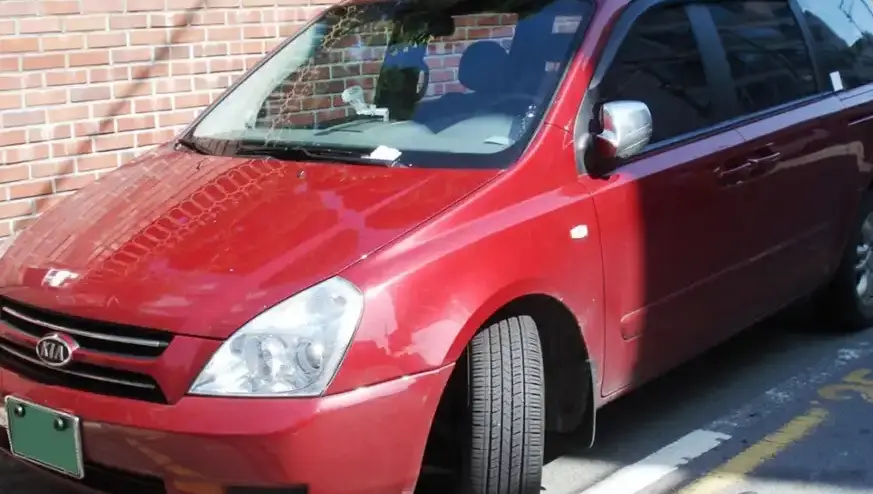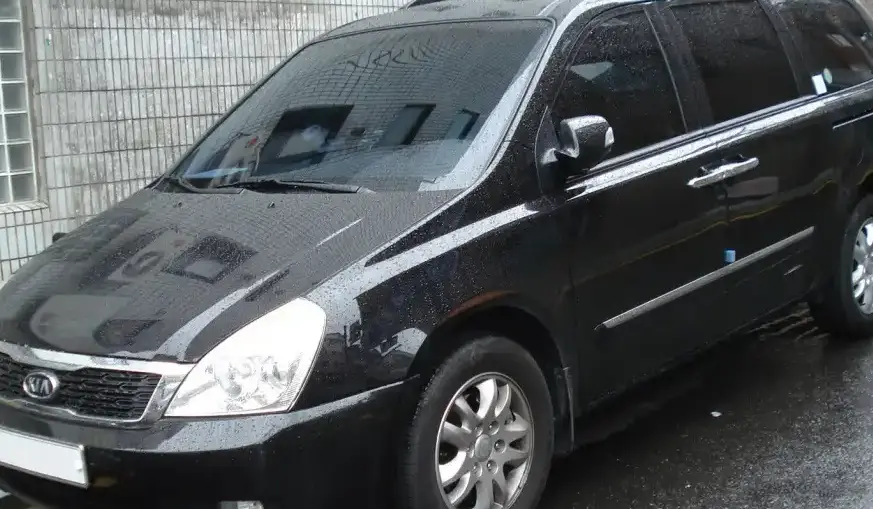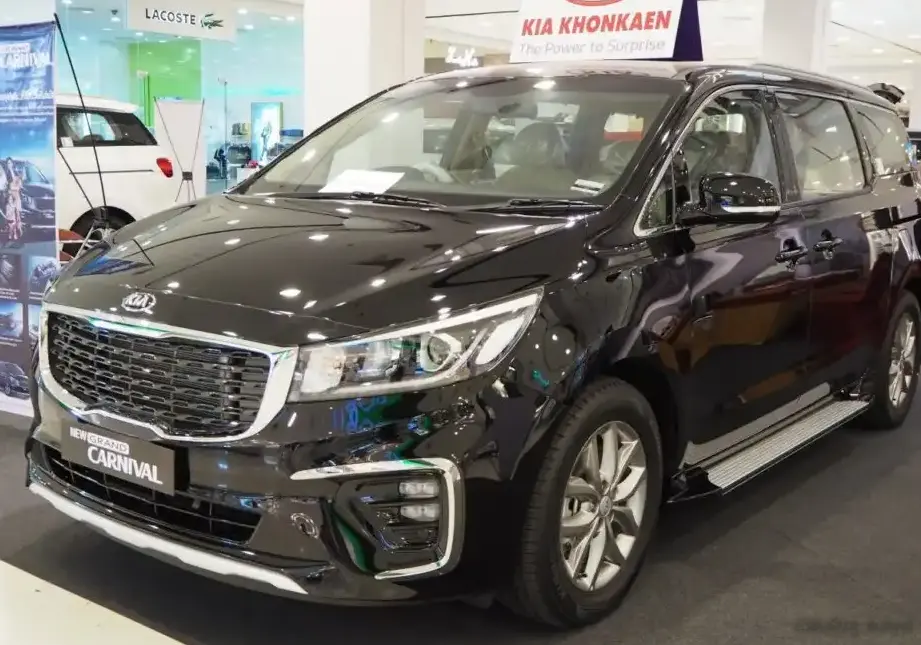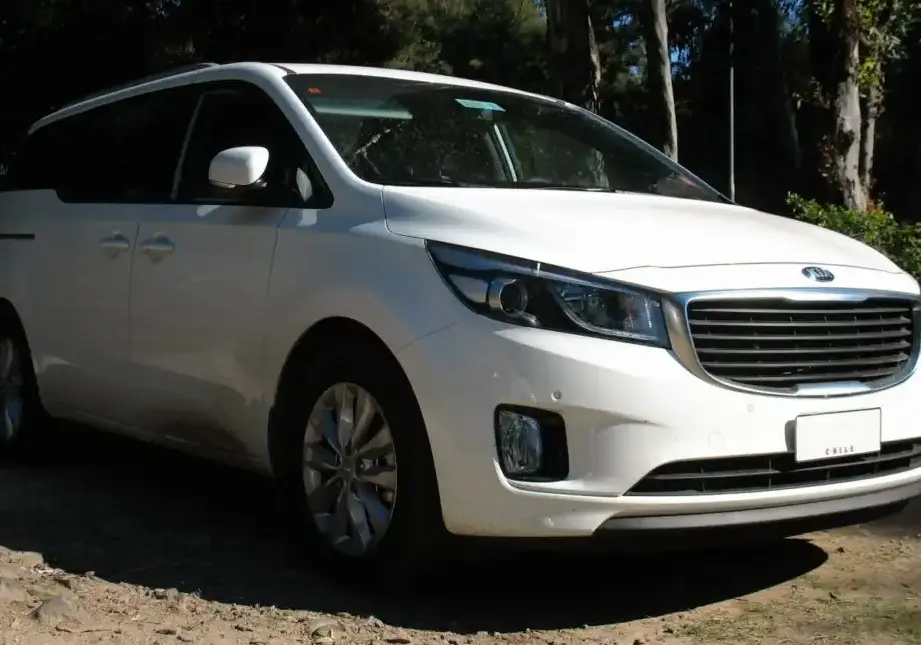
The Kia Grand Carnival III, specifically the 3.3 V6 variant with an automatic transmission, was produced from 2014 to 2018. This iteration of the Carnival (known as the Sedona in some markets, including North America) represented a significant step forward in terms of refinement, features, and overall driving experience for Kia’s flagship minivan. Positioned as the top-tier engine option within the Grand Carnival III lineup, the 3.3L V6 Automatic offered a balance of power and convenience aimed at families prioritizing comfort and capability. It served as a direct competitor to other large minivans like the Honda Odyssey, Toyota Sienna, and Chrysler Pacifica in markets where it was available.
Technical Specifications
| Brand | Kia |
| Model | Carnival |
| Generation | Grand Carnival III |
| Type (Engine) | 3.3 V6 (270 Hp) Automatic |
| Start of production | 2014 |
| End of production | 2018 |
| Powertrain Architecture | Internal Combustion engine |
| Body type | Minivan |
| Seats | 8-11 |
| Doors | 5 |
| Fuel consumption (urban) | 14.9 l/100 km (15.8 US mpg, 19 UK mpg, 6.7 km/l) |
| Fuel consumption (extra urban) | 10.7 l/100 km (22 US mpg, 26.4 UK mpg, 9.3 km/l) |
| Fuel consumption (combined) | 11.1 l/100 km (21.2 US mpg, 25.4 UK mpg, 9 km/l) |
| CO2 emissions | 257 g/km |
| Fuel Type | Petrol (Gasoline) |
| Acceleration 0 – 100 km/h | 8.6 sec |
| Acceleration 0 – 62 mph | 8.6 sec |
| Acceleration 0 – 60 mph | 8.2 sec |
| Maximum speed | 190 km/h (118.06 mph) |
| Emission standard | Euro 5 |
| Weight-to-power ratio | 7.3 kg/Hp, 137.2 Hp/tonne |
| Weight-to-torque ratio | 6.2 kg/Nm, 161.6 Nm/tonne |
| Power | 270 Hp @ 6400 rpm |
| Power per litre | 80.8 Hp/l |
| Torque | 318 Nm @ 5200 rpm (234.54 lb.-ft. @ 5200 rpm) |
| Engine layout | Front, Longitudinal |
| Engine Model/Code | G6DF |
| Engine displacement | 3342 cm3 (203.94 cu. in.) |
| Number of cylinders | 6 |
| Engine configuration | V-engine |
| Cylinder Bore | 92 mm (3.62 in.) |
| Piston Stroke | 83.8 mm (3.3 in.) |
| Compression ratio | 10.69:1 |
| Number of valves per cylinder | 4 |
| Fuel injection system | Multi-port manifold injection |
| Engine aspiration | Naturally aspirated engine |
| Valvetrain | DOHC |
| Engine oil capacity | 6 l (6.34 US qt | 5.28 UK qt) |
| Coolant | 11.5 l (12.15 US qt | 10.12 UK qt) |
| Kerb Weight | 1968-2046 kg (4338.7 – 4510.66 lbs.) |
| Max. weight | 2990 kg (6591.82 lbs.) |
| Max load | 944-1022 kg (2081.16 – 2253.12 lbs.) |
| Trunk (boot) space – minimum | 359 l (12.68 cu. ft.) |
| Trunk (boot) space – maximum | 2335 l (82.46 cu. ft.) |
| Length | 5115 mm (201.38 in.) |
| Width | 1985 mm (78.15 in.) |
| Height | 1740-1767 mm (68.5 – 69.57 in.) |
| Wheelbase | 3060 mm (120.47 in.) |
| Front track | 1745 mm (68.7 in.) |
| Rear (Back) track | 1752 mm (68.98 in.) |
| Front overhang | 955 mm (37.6 in.) |
| Rear overhang | 1100 mm (43.31 in.) |
| Ride height (ground clearance) | 171 mm (6.73 in.) |
| Minimum turning circle | 11.2 m (36.75 ft.) |
| Drivetrain Architecture | ICE, Front wheel drive |
| Number of gears | 6 |
| Gearbox type | Automatic transmission |
| Front suspension | Independent, McPherson with coil spring and anti-roll bar |
| Rear suspension | Double wishbone |
| Front brakes | Ventilated discs |
| Rear brakes | Disc |
| Assisting systems | ABS (Anti-lock braking system) |
| Steering type | Steering rack and pinion |
| Power steering | Hydraulic |
| Tires size | 235/65 R17 |
| Wheel rims size | 17 |
Powertrain & Engine Architecture
The heart of this Grand Carnival variant is the 3.3-liter (3342 cc) G6DF V6 engine. This naturally aspirated engine utilizes multi-port fuel injection and a double overhead camshaft (DOHC) valvetrain with four valves per cylinder. The engine produces 270 horsepower at 6400 rpm and 318 Nm (234.54 lb-ft) of torque at 5200 rpm. The G6DF engine is known for its relatively smooth operation and decent power delivery, although it lacks the forced induction found in some competitor vehicles. The engine is longitudinally mounted in the front of the vehicle. The engine is paired with a six-speed automatic transmission, designed to provide smooth shifts and adequate responsiveness for everyday driving. While not a particularly advanced transmission by modern standards, it was considered reliable and well-suited to the engine’s characteristics.
Driving Characteristics
The 3.3L V6 Automatic Grand Carnival offers a comfortable and composed driving experience. Acceleration from 0-60 mph takes approximately 8.2 seconds, which is adequate for a large minivan. The automatic transmission provides smooth gear changes, but can sometimes feel hesitant during quick acceleration maneuvers. The focus is clearly on comfort and ease of driving rather than sporty performance. The relatively high curb weight of the vehicle (1968-2046 kg) does impact its agility, but the suspension does a good job of absorbing bumps and providing a stable ride. Compared to the lower-powered 2.7L four-cylinder engine option available in some markets, the 3.3L V6 provides significantly more power and a more relaxed driving experience, especially when fully loaded with passengers and cargo.
Equipment & Trim Levels
The 3.3 V6 Automatic trim typically came well-equipped, often representing the highest trim level available. Standard features generally included leather upholstery, power-adjustable front seats, a touchscreen infotainment system with navigation, a rearview camera, automatic climate control, and alloy wheels. Optional extras could include a panoramic sunroof, premium sound system, and advanced safety features like blind-spot monitoring and lane departure warning. Interior materials were generally of good quality for the segment, and the cabin offered ample space for passengers in all three rows.
Chassis & Braking
The Grand Carnival III utilizes an independent McPherson strut suspension in the front and a double wishbone suspension in the rear. This setup provides a comfortable ride and decent handling characteristics. The vehicle is equipped with ventilated disc brakes in the front and solid disc brakes in the rear. Anti-lock Braking System (ABS) is standard. Steering is rack and pinion with hydraulic power assistance. The suspension is tuned for comfort, prioritizing ride quality over sporty handling. The 17-inch alloy wheels are typically fitted with 235/65 R17 tires.
Market Reception & Comparison
The 3.3 V6 Automatic Grand Carnival was generally well-received by automotive critics. It was praised for its spacious interior, comfortable ride, and generous features list. However, some critics noted that its fuel economy was relatively poor compared to some competitors, and its handling was not as sharp as some other minivans. Compared to the lower-trim models with the 2.7L engine, the 3.3L V6 offered a significant performance upgrade, but at a higher price point. The fuel economy averaged around 21.2 US mpg combined, which was typical for a V6-powered minivan of that era.
Legacy
The Kia Grand Carnival III 3.3 V6 Automatic has proven to be a relatively reliable vehicle in the used car market. The G6DF engine is generally considered durable, although regular maintenance is essential. Common issues reported by owners include occasional sensor failures and minor electrical glitches. The automatic transmission is also generally reliable, but fluid changes should be performed according to the manufacturer’s recommendations. Today, these Grand Carnivals represent a good value for families seeking a spacious and well-equipped minivan at a reasonable price. Its reputation for reliability and practicality continues to make it a popular choice in the used car market.