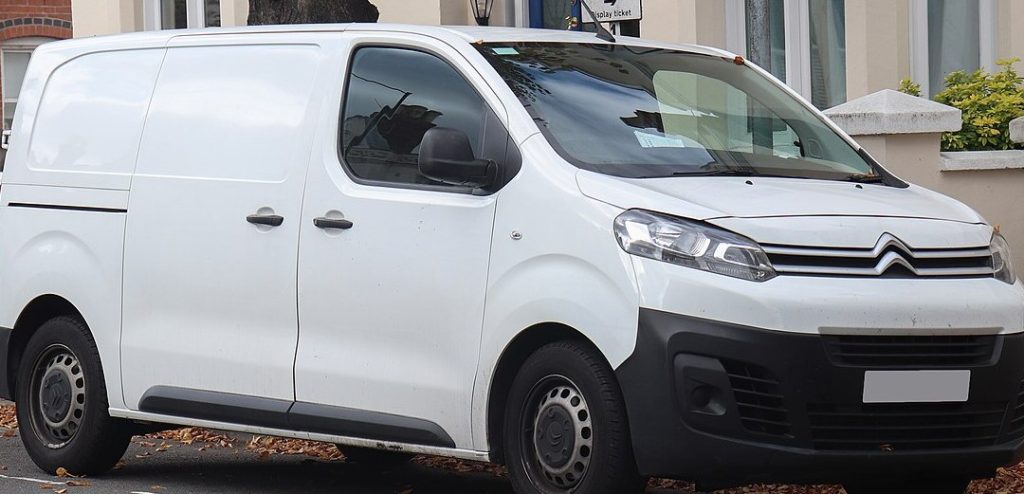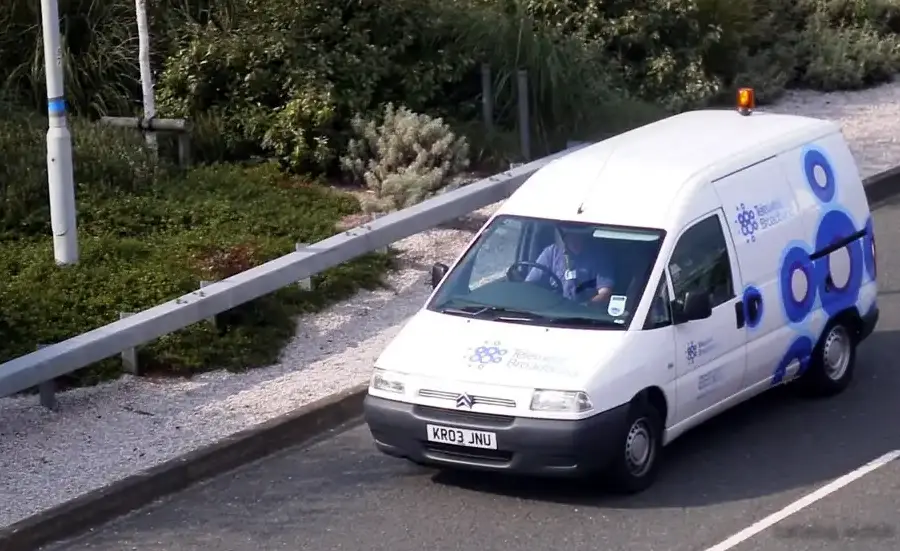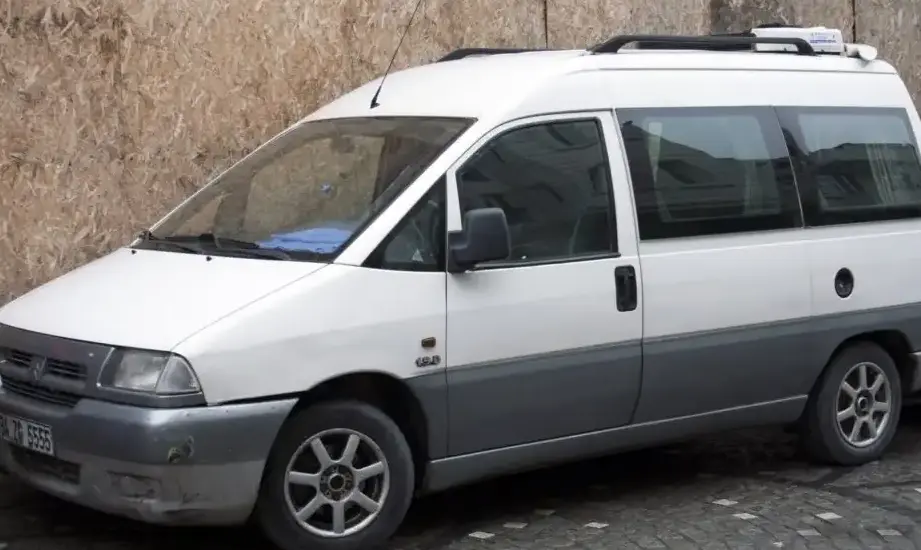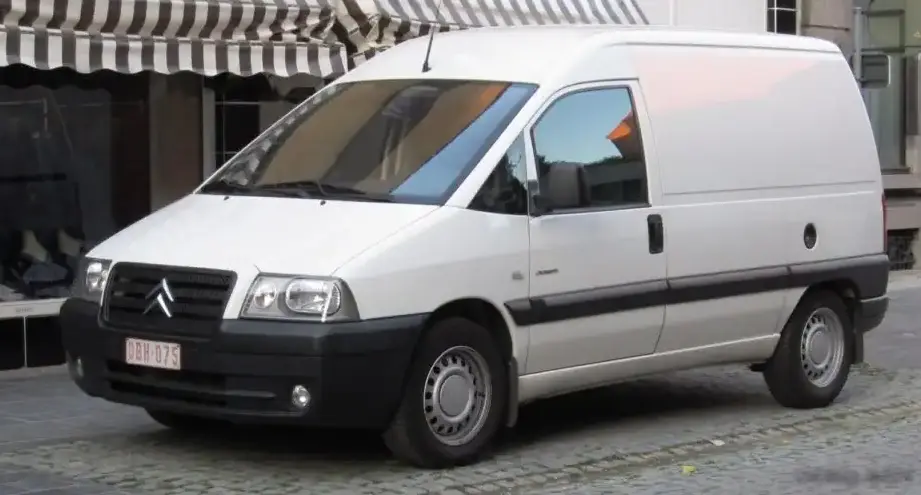
The Citroen Jumpy I, specifically the facelifted version produced from 2004 to 2006, represented Citroen’s entry into the mid-size van segment. This generation, built in collaboration with Peugeot and Fiat (resulting in the Peugeot Expert and Fiat Scudo respectively), aimed to provide a practical and versatile vehicle for both commercial and family use. The 2.0 HDi variant, producing 109 horsepower, was a significant offering within the Jumpy I lineup, positioned as a balance between affordability, fuel efficiency, and usability. It served as a workhorse for businesses and a spacious option for larger families, particularly in European markets where this class of vehicle is highly popular.
Technical Specifications
| Brand | Citroen |
| Model | Jumpy |
| Generation | Jumpy I (facelift 2004) |
| Type (Engine) | 2.0 HDi (109 Hp) |
| Start of production | 2004 |
| End of production | 2006 |
| Powertrain Architecture | Internal Combustion engine |
| Body type | Minivan |
| Seats | 2 |
| Doors | 4 |
| Fuel consumption (urban) | 8.9 l/100 km (26.4 US mpg, 31.7 UK mpg, 11.2 km/l) |
| Fuel consumption (extra urban) | 6.0 l/100 km (39.2 US mpg, 47.1 UK mpg, 16.7 km/l) |
| Fuel consumption (combined) | 7.0 l/100 km (33.6 US mpg, 40.4 UK mpg, 14.3 km/l) |
| CO2 emissions | 186 g/km |
| Fuel Type | Diesel |
| Acceleration 0 – 100 km/h | 15 sec |
| Acceleration 0 – 62 mph | 15 sec |
| Acceleration 0 – 60 mph | 14.3 sec |
| Maximum speed | 165 km/h (102.53 mph) |
| Weight-to-power ratio | 12.9 kg/Hp, 77.6 Hp/tonne |
| Weight-to-torque ratio | 5.6 kg/Nm, 177.9 Nm/tonne |
| Power | 109 Hp @ 4000 rpm |
| Power per litre | 54.6 Hp/l |
| Torque | 250 Nm @ 1750 rpm (184.39 lb.-ft. @ 1750 rpm) |
| Engine layout | Front, Transverse |
| Engine Model/Code | RHZ DW10ATED |
| Engine displacement | 1997 cm3 (121.86 cu. in.) |
| Number of cylinders | 4 |
| Engine configuration | Inline |
| Cylinder Bore | 85 mm (3.35 in.) |
| Piston Stroke | 88 mm (3.46 in.) |
| Number of valves per cylinder | 2 |
| Fuel injection system | Diesel Commonrail |
| Engine aspiration | Turbocharger, Intercooler |
| Valvetrain | SOHC |
| Engine oil capacity | 4.5 l (4.76 US qt | 3.96 UK qt) |
| Coolant | 9 l (9.51 US qt | 7.92 UK qt) |
| Kerb Weight | 1405 kg (3097.49 lbs.) |
| Max. weight | 2330 kg (5136.77 lbs.) |
| Max load | 925 kg (2039.28 lbs.) |
| Trunk (boot) space – maximum | 4000 l (141.26 cu. ft.) |
| Fuel tank capacity | 80 l (21.13 US gal | 17.6 UK gal) |
| Max. roof load | 100 kg (220.46 lbs.) |
| Permitted trailer load with brakes (8%) | 1800 kg (3968.32 lbs.) |
| Permitted trailer load with brakes (12%) | 1300 kg (2866.01 lbs.) |
| Permitted trailer load without brakes | 745 kg (1642.44 lbs.) |
| Permitted towbar download | 60 kg (132.28 lbs.) |
| Length | 4522 mm (178.03 in.) |
| Width | 1844 mm (72.6 in.) |
| Height | 1936 mm (76.22 in.) |
| Wheelbase | 2824 mm (111.18 in.) |
| Front track | 1540 mm (60.63 in.) |
| Rear (Back) track | 1540 mm (60.63 in.) |
| Front overhang | 919 mm (36.18 in.) |
| Rear overhang | 779 mm (30.67 in.) |
| Drivetrain Architecture | The Internal combustion engine (ICE) drives the front wheels of the vehicle. |
| Drive wheel | Front wheel drive |
| Number of gears and type of gearbox | 5 gears, manual transmission |
| Front suspension | Independent, type McPherson with coil spring and anti-roll bar |
| Rear suspension | Semi-dependent beam with stabilizer lateral stability, Coil spring |
| Front brakes | Ventilated discs |
| Rear brakes | Drum |
| Assisting systems | ABS (Anti-lock braking system) |
| Steering type | Steering rack and pinion |
| Power steering | Hydraulic Steering |
| Tires size | 205/65 R15 |
| Wheel rims size | 6.5J x 15 |
Powertrain & Engine Architecture
The 2.0 HDi engine, designated RHZ and part of the DW10ATED family, was a mainstay of Citroen’s diesel offerings during this period. It’s a four-cylinder, inline engine utilizing a turbocharger with an intercooler to boost power and efficiency. The engine employed a Diesel Commonrail direct injection system, which allowed for precise fuel delivery and reduced engine noise compared to older diesel technologies. The SOHC (Single Overhead Camshaft) valvetrain operated two valves per cylinder. The 109 horsepower output was achieved at 4000 rpm, while peak torque of 250 Nm (184 lb-ft) was available from just 1750 rpm, providing good low-end grunt for hauling and everyday driving. The engine’s transverse mounting and front-wheel-drive configuration were typical for this class of vehicle.
Driving Characteristics
The 2.0 HDi 109 hp Jumpy I offered a practical, if not particularly sporty, driving experience. Acceleration was adequate, taking around 15 seconds to reach 62 mph (100 km/h). The engine’s strong low-end torque made it well-suited for carrying loads or navigating urban environments. Compared to higher-output versions of the Jumpy I, such as those with more powerful HDi engines, this variant felt less eager to accelerate, especially when fully loaded. The five-speed manual transmission was geared for economy, with taller ratios prioritizing fuel efficiency over outright performance. The focus was on usability and fuel economy rather than thrilling performance.
Equipment & Trim Levels
The 2.0 HDi 109 hp Jumpy I typically came with a relatively basic level of equipment, reflecting its positioning as a work-oriented or budget-friendly option. Standard features generally included power steering, ABS brakes, and a driver’s airbag. Interior upholstery was typically durable cloth. Optional extras could include air conditioning, a radio/CD player, electric windows, and upgraded seating configurations. Trim levels varied depending on the market, but generally offered incremental improvements in comfort and convenience features.
Chassis & Braking
The Jumpy I utilized a McPherson strut independent suspension setup at the front, providing a reasonable level of ride comfort and handling. The rear suspension employed a semi-dependent beam with a stabilizer bar, which helped to control body roll and maintain stability when carrying loads. Braking was handled by ventilated discs at the front and drum brakes at the rear. This configuration was common for vans in this weight class, balancing cost and performance. The hydraulic power steering provided light and easy steering, making it maneuverable in tight spaces.
Market Reception & Comparison
The Citroen Jumpy I 2.0 HDi 109 hp was generally well-received as a practical and economical van. Critics praised its fuel efficiency, spacious interior, and versatility. However, some noted that the engine lacked the refinement and power of some of its competitors. Compared to the more powerful HDi variants, this version offered a lower purchase price and better fuel economy, making it attractive to budget-conscious buyers. Against rivals like the Volkswagen Transporter and Ford Transit, the Jumpy I offered a competitive package, particularly in terms of value for money.
Legacy
The 2.0 HDi engine proved to be a reliable and durable unit, and many Jumpy I models with this engine are still in service today. While not known for exceptional performance, the engine’s robust construction and relatively simple design contribute to its longevity. On the used car market, the 2.0 HDi 109 hp Jumpy I represents a cost-effective option for those seeking a practical and spacious van. Maintenance is generally straightforward, and parts availability is good. However, potential buyers should be aware of the typical wear and tear associated with high-mileage vans, such as suspension components and clutch wear.