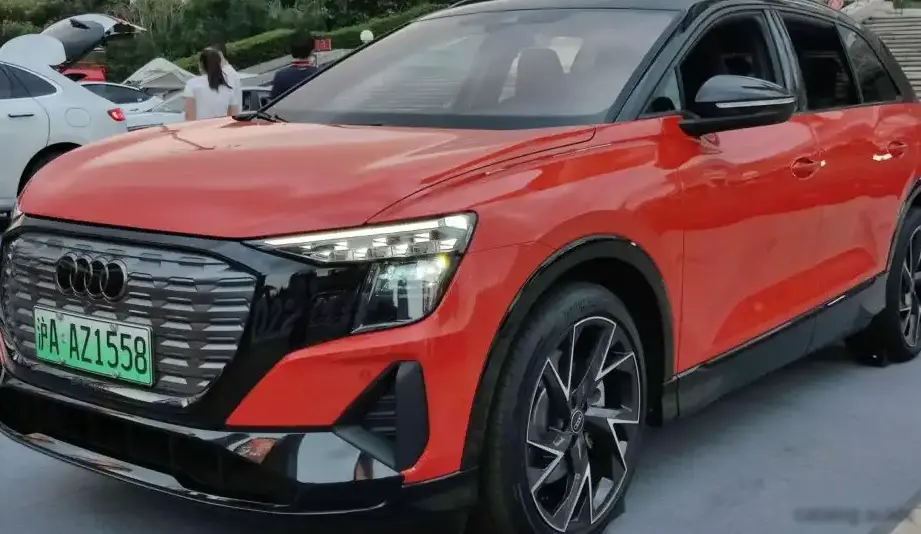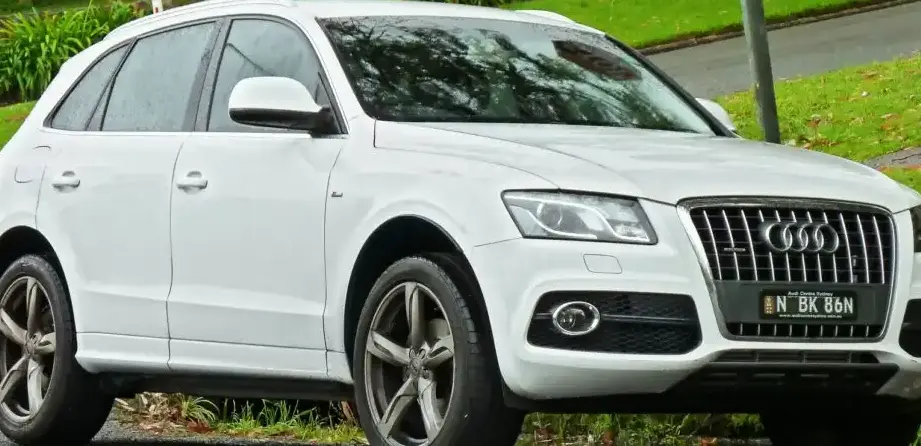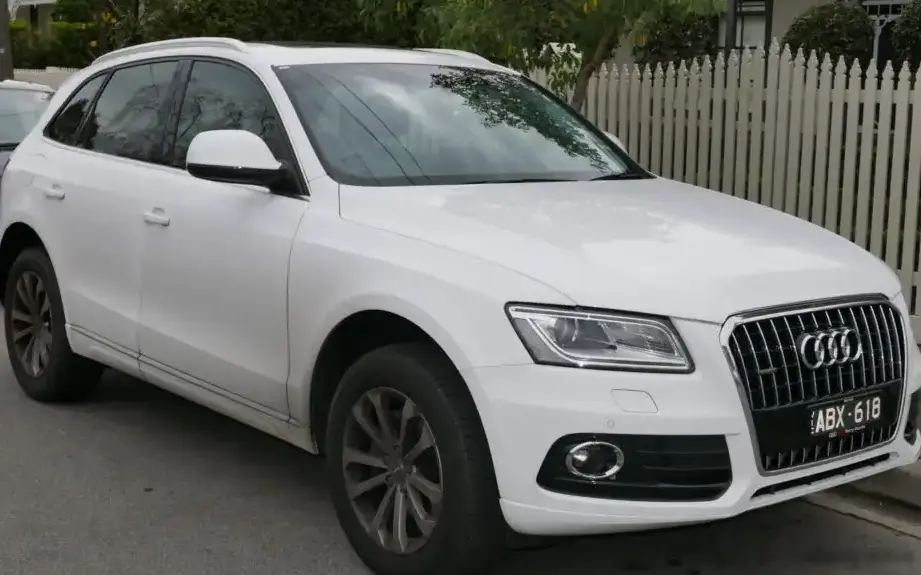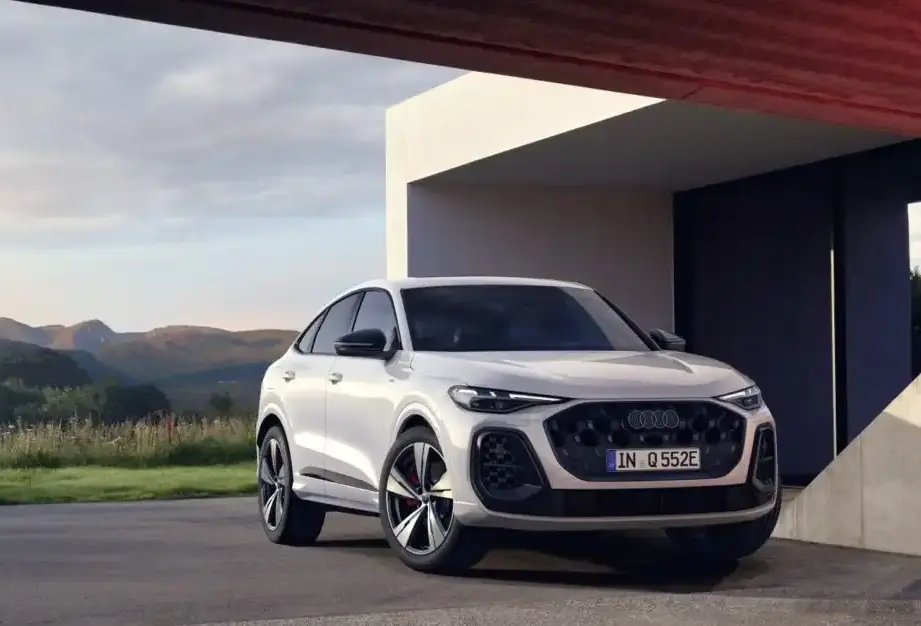
The Audi Q5 III Sportback (GU) 2.0 TFSI e-hybrid quattro ultra S tronic represents a significant evolution in Audi’s compact luxury SUV offerings, launched in June 2025. This variant is part of the Q5 III (GU) generation, building upon the successful foundation of the Q5 line while incorporating advanced plug-in hybrid technology. Positioned as a mid-to-premium trim within the Sportback range, it caters to buyers seeking a blend of performance, efficiency, and sophisticated styling. The “GU” designation signifies a comprehensive update to the third-generation Q5, focusing on powertrain electrification and digital integration. It slots above the standard Q5 models and below the performance-oriented SQ5 variants.
Technical Specifications
| Brand | Audi |
| Model | Q5 |
| Generation | Q5 III Sportback (GU) |
| Type (Engine) | 2.0 TFSI (367 Hp) e-hybrid quattro ultra S tronic |
| Start of production | June, 2025 |
| Powertrain Architecture | PHEV (Plug-in Hybrid Electric Vehicle) |
| Body type | SUV |
| Seats | 5 |
| Doors | 5 |
| Combined fuel consumption (WLTP) | 2.6-8.3 l/100 km |
| Combined fuel consumption (US mpg) | 90.5 – 28.3 |
| CO2 emissions (WLTP) | 60-76 g/km |
| Fuel Type | Petrol / electricity |
| Acceleration 0 – 100 km/h | 5.1 sec |
| Acceleration 0 – 62 mph | 5.1 sec |
| Acceleration 0 – 60 mph | 4.8 sec |
| Maximum speed | 250 km/h (155.34 mph) |
| Emission standard | Euro 6e |
| Weight-to-power ratio | 5.9 kg/Hp |
| Weight-to-torque ratio | 4.3 kg/Nm |
| Gross battery capacity | 25.9 kWh |
| Net (usable) battery capacity | 20.7 kWh |
| Battery voltage | 400 V |
| Battery technology | Lithium-ion (Li-Ion) |
| Battery location | Under the trunk |
| Recuperation output | 88 kW |
| All-electric range (WLTP) | 82-92 km (50.95 – 57.17 mi) |
| Average Energy consumption (WLTP) | 15.8-16.8 kWh/100 km |
| Max speed (electric) | 140 km/h (86.99 mph) |
| Electric motor power | 143 Hp |
| Electric motor Torque | 350 Nm (258.15 lb.-ft.) |
| System power | 367 Hp |
| System torque | 500 Nm (368.78 lb.-ft.) |
| Power | 252 Hp @ 5000-6500 rpm |
| Torque | 380 Nm @ 1600-4500 rpm (280.27 lb.-ft. @ 1600-4500 rpm) |
| Engine displacement | 1984 cm3 (121.07 cu. in.) |
| Number of cylinders | 4 |
| Compression ratio | 10.5:1 |
| Fuel injection system | Direct injection |
| Engine oil capacity | 6 l (6.34 US qt | 5.28 UK qt) |
| Coolant capacity | 20.1 l (21.24 US qt | 17.69 UK qt) |
| Kerb Weight | 2170 kg (4784.03 lbs.) |
| Max. weight | 2735 kg (6029.64 lbs.) |
| Trunk (boot) space – minimum | 433 l (15.29 cu. ft.) |
| Trunk (boot) space – maximum | 1300 l (45.91 cu. ft.) |
| Fuel tank capacity | 55 l (14.53 US gal | 12.1 UK gal) |
| Length | 4717 mm (185.71 in.) |
| Width | 1900 mm (74.8 in.) |
| Height | 1622-1657 mm (63.86 – 65.24 in.) |
| Wheelbase | 2820 mm (111.02 in.) |
| Number of gears | 7 |
| Gearbox type | automatic transmission S tronic |
Powertrain & Engine Architecture
At the heart of the Q5 III Sportback 2.0 TFSI e-hybrid lies a 2.0-liter turbocharged inline-four cylinder gasoline engine (internal designation: likely a variant of the EA888 family). This engine produces 252 horsepower and 280 lb-ft of torque. Coupled with a 143 hp electric motor integrated between the engine and the seven-speed S tronic dual-clutch transmission, the combined system output reaches a substantial 367 horsepower and 369 lb-ft of torque. The 25.9 kWh (gross) / 20.7 kWh (net) lithium-ion battery pack, positioned under the trunk floor, provides an all-electric range of 51 to 57 miles (WLTP). The engine utilizes direct fuel injection and a sophisticated turbocharging system for optimal efficiency and power delivery. The S tronic transmission offers quick and seamless gear changes, enhancing both performance and fuel economy.
Driving Characteristics
The 2.0 TFSI e-hybrid quattro delivers a refined and responsive driving experience. In electric mode, the vehicle offers near-silent operation and instant torque, making it ideal for urban commuting. Switching to hybrid mode seamlessly blends the power of the gasoline engine and electric motor, providing strong acceleration – 0-60 mph in approximately 4.8 seconds. The quattro all-wheel-drive system ensures excellent traction and stability in various driving conditions. Compared to the standard Q5 2.0 TFSI, the e-hybrid variant offers a noticeable boost in overall power and torque. While slightly heavier due to the battery pack, the instant torque from the electric motor compensates for the added weight, resulting in brisk acceleration. The S tronic transmission’s quick shifts contribute to a sporty feel.
Equipment & Trim Levels
The Q5 III Sportback 2.0 TFSI e-hybrid typically comes well-equipped as standard. Features include Audi’s virtual cockpit digital instrument cluster, a large touchscreen infotainment system with navigation, leather upholstery, heated front seats, and a panoramic sunroof. Standard safety features include adaptive cruise control, lane departure warning, and automatic emergency braking. Optional extras often include upgraded sound systems, massaging front seats, and a head-up display. The Sportback body style itself adds a touch of coupe-like elegance with its sloping roofline. Trim levels may vary by market, but generally offer increasing levels of luxury and technology.
Chassis & Braking
The Q5 III Sportback features a sophisticated chassis designed for both comfort and handling. Independent multi-link suspension is employed at both the front and rear axles, providing a smooth and controlled ride. The quattro all-wheel-drive system utilizes a self-locking center differential to distribute torque between the front and rear wheels as needed. Braking duties are handled by ventilated discs on all four wheels, providing ample stopping power. The electronic stability control (ESC) system works in conjunction with the all-wheel-drive system to maintain stability and prevent skidding.
Market Reception & Comparison
The Audi Q5 III Sportback 2.0 TFSI e-hybrid has been generally well-received by automotive critics. Reviewers praise its blend of performance, efficiency, and luxury. The plug-in hybrid powertrain offers a compelling alternative to traditional gasoline engines, particularly for drivers who frequently commute in urban areas. Compared to the Q5 45 TFSI (non-hybrid), the e-hybrid offers superior fuel economy and a more refined driving experience. However, it comes at a higher price point. Compared to other plug-in hybrid SUVs in its class, such as the BMW X3 xDrive30e and the Volvo XC60 Recharge, the Q5 e-hybrid offers a competitive combination of performance, range, and features.
Legacy
The Q5 III Sportback 2.0 TFSI e-hybrid represents Audi’s commitment to electrification and sustainable mobility. The powertrain is expected to be reliable, building upon the proven durability of Audi’s TFSI engines and quattro all-wheel-drive systems. The long-term reliability of the battery pack will be a key factor in the vehicle’s overall ownership costs. As the demand for electric and hybrid vehicles continues to grow, the Q5 e-hybrid is poised to become a popular choice in the luxury SUV segment. On the used car market, these models are expected to hold their value well, particularly those with well-maintained batteries and service records.