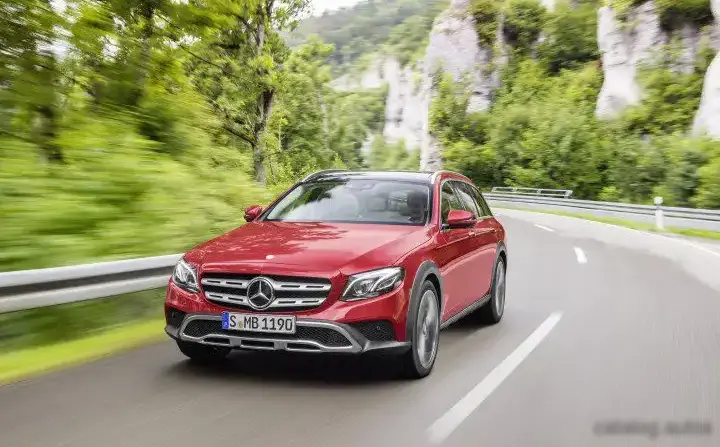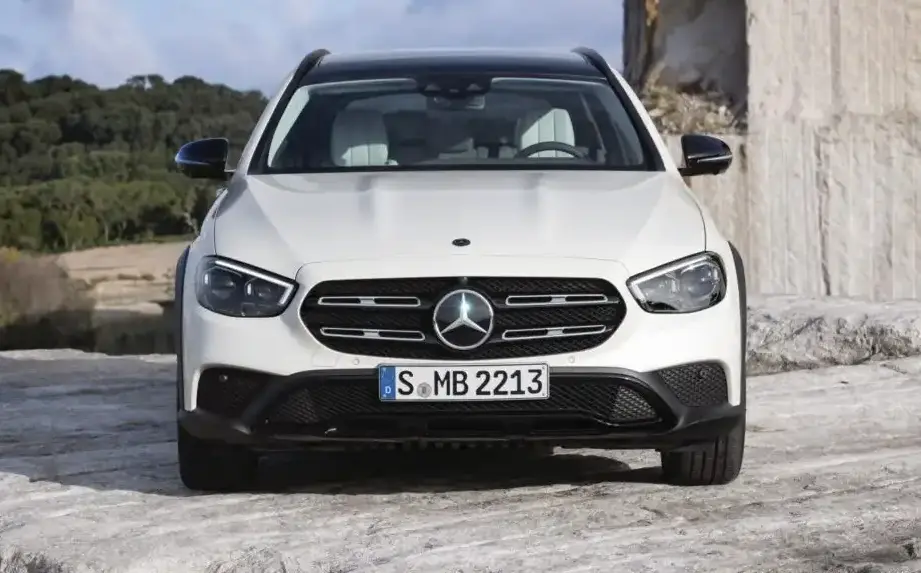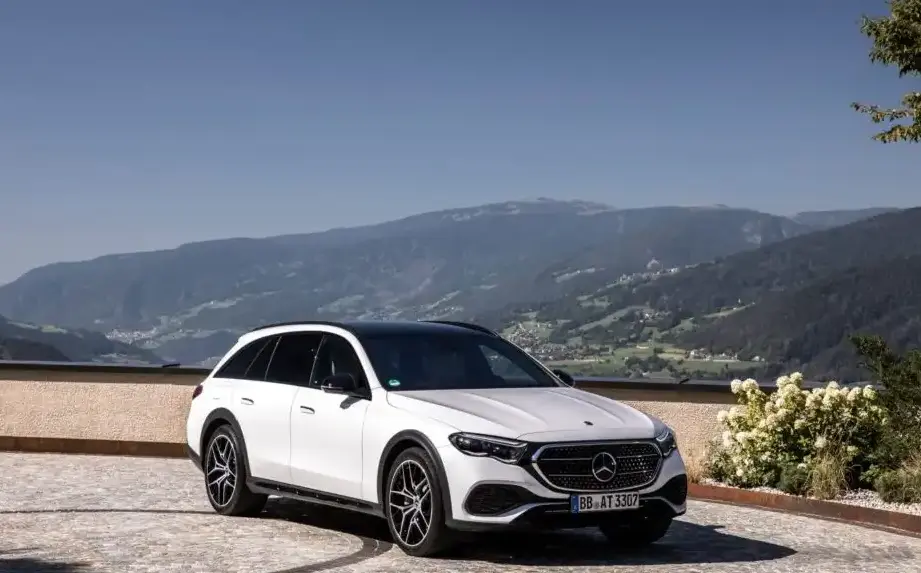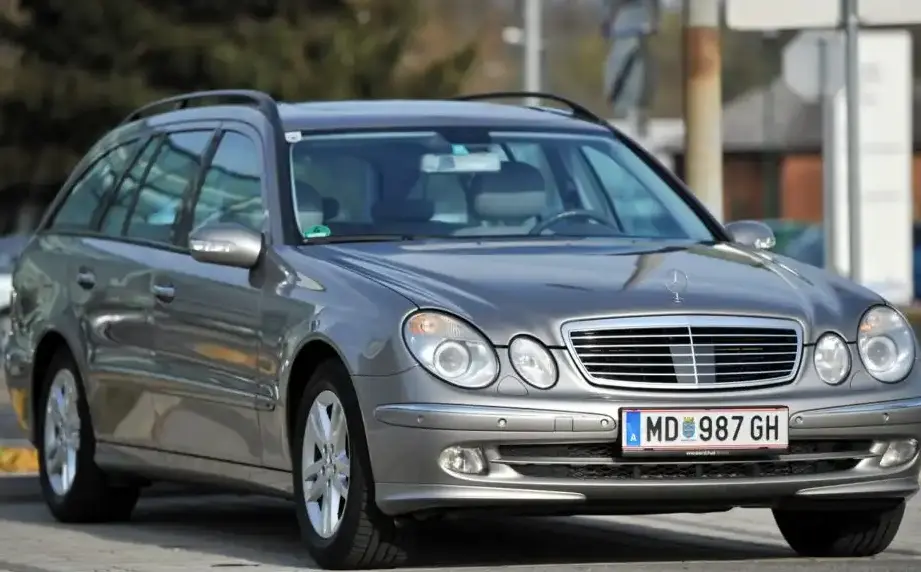
The Mercedes-Benz E-Class T-modell (S211) E 350, produced from 2004 to 2006, represents a compelling blend of luxury, practicality, and performance within the broader E-Class (W211) range. Positioned as a mid-to-upper trim level within the T-modell – the Mercedes-Benz designation for a station wagon or estate – the E 350 offered buyers a more potent engine option compared to the base models, while remaining a step below the high-performance AMG variants. This generation of E-Class wagons aimed to provide a sophisticated and spacious vehicle for families and those requiring substantial cargo capacity without sacrificing the refined driving experience expected of the Mercedes-Benz brand. It was primarily marketed in Europe and other international markets where the station wagon body style remained popular.
Technical Specifications
| Brand | Mercedes-Benz |
| Model | E-Class |
| Generation | E-Class T-modell (S211) |
| Type | E 350 (272 Hp) 7G-TRONIC |
| Start of production | 2004 |
| End of production | 2006 |
| Powertrain Architecture | Internal Combustion engine |
| Body type | Station wagon (estate) |
| Seats | 5 |
| Doors | 5 |
| Fuel consumption (urban) | 14.1-14.6 l/100 km (20-19.3 US mpg, 7.1-6.8 km/l) |
| Fuel consumption (extra urban) | 7.5-8 l/100 km (31.4-29.4 US mpg, 37.7-35.3 UK mpg, 13.3-12.5 km/l) |
| Fuel consumption (combined) | 9.9-10.4 l/100 km (23.8-22.6 US mpg, 28.5-27.2 UK mpg, 10.1-9.6 km/l) |
| CO2 emissions | 236-248 g/km |
| Fuel Type | Petrol (Gasoline) |
| Acceleration 0 – 100 km/h | 7.1 sec |
| Acceleration 0 – 62 mph | 7.1 sec |
| Acceleration 0 – 60 mph | 6.7 sec |
| Maximum speed | 250 km/h (155.34 mph) |
| Weight-to-power ratio | 6.4 kg/Hp, 156.3 Hp/tonne |
| Weight-to-torque ratio | 5 kg/Nm, 201.1 Nm/tonne |
| Power | 272 Hp @ 6000 rpm |
| Power per litre | 77.8 Hp/l |
| Torque | 350 Nm @ 2500 rpm (258.15 lb.-ft. @ 2500 rpm) |
| Engine layout | Front, Longitudinal |
| Engine Model/Code | M 272.964 |
| Engine displacement | 3498 cm3 (213.46 cu. in.) |
| Number of cylinders | 6 |
| Engine configuration | V-engine |
| Cylinder Bore | 92.9 mm (3.66 in.) |
| Piston Stroke | 86 mm (3.39 in.) |
| Compression ratio | 10.7:1 |
| Number of valves per cylinder | 4 |
| Fuel injection system | Multi-port manifold injection |
| Engine aspiration | Naturally aspirated engine |
| Engine oil capacity | 8 l (8.45 US qt | 7.04 UK qt) |
| Coolant | 10 l (10.57 US qt | 8.8 UK qt) |
| Kerb Weight | 1740 kg (3836.04 lbs.) |
| Max. weight | 2385 kg (5258.02 lbs.) |
| Max load | 645 kg (1421.98 lbs.) |
| Trunk (boot) space – minimum | 690 l (24.37 cu. ft.) |
| Trunk (boot) space – maximum | 1950 l (68.86 cu. ft.) |
| Fuel tank capacity | 70 l (18.49 US gal | 15.4 UK gal) |
| Length | 4850 mm (190.94 in.) |
| Width | 1822 mm (71.73 in.) |
| Height | 1495 mm (58.86 in.) |
| Wheelbase | 2854 mm (112.36 in.) |
| Front track | 1559 mm (61.38 in.) |
| Rear (Back) track | 1552 mm (61.1 in.) |
| Drag coefficient (Cd) | 0.30 |
| Drivetrain Architecture | Rear wheel drive |
| Drive wheel | Rear wheel drive |
| Number of gears and type of gearbox | 7 gears, automatic transmission |
| Front suspension | Coil spring |
| Rear suspension | Coil spring |
| Front brakes | Ventilated discs |
| Rear brakes | Disc |
| Assisting systems | ABS (Anti-lock braking system) |
| Steering type | Steering rack and pinion |
| Power steering | Hydraulic Steering |
| Tires size | 225/55 R16 |
| Wheel rims size | 7.5J X 16 |
Powertrain & Engine Architecture
The E 350 T-modell was powered by the M272.964 3.5-liter naturally aspirated V6 engine. This engine, a cornerstone of Mercedes-Benz’s mid-range offerings during this period, featured a 60-degree V-angle and all-aluminum construction. It utilized a three-valve-per-cylinder design (two intake, one exhaust) and a multi-port fuel injection system. The engine’s output of 272 horsepower at 6,000 rpm and 350 Nm (258 lb-ft) of torque at 2,500 rpm provided a substantial increase in performance over the base E 230 or E 280 models. The engine was paired exclusively with Mercedes-Benz’s 7G-TRONIC seven-speed automatic transmission. This transmission was known for its smooth shifting and ability to optimize engine speed for both performance and fuel efficiency. The 7G-TRONIC allowed for a wider range of gear ratios, contributing to improved acceleration and reduced engine noise at highway speeds.
Driving Characteristics
The E 350 T-modell offered a refined and capable driving experience. While not a sports wagon in the vein of the AMG models, the 3.5-liter V6 provided ample power for comfortable cruising and confident overtaking. Acceleration from 0 to 60 mph was achieved in approximately 6.7 seconds, making it a brisk performer for its class. The 7G-TRONIC transmission contributed to smooth and seamless gear changes, enhancing the overall driving experience. Compared to the manual transmission options available on lower-trim E-Class models, the automatic prioritized comfort and ease of use. The automatic’s programming was geared towards providing a relaxed driving experience, with less emphasis on aggressive downshifting or sporty driving modes. Compared to the E 500 or AMG variants, the E 350 offered a more balanced approach, sacrificing some outright performance for improved fuel economy and a more comfortable ride.
Equipment & Trim Levels
The E 350 T-modell typically came well-equipped with standard features such as automatic climate control, power-adjustable front seats, a premium audio system, and wood trim. Leather upholstery was a common option, as were features like a sunroof, navigation system, and upgraded sound systems. The T-modell also benefited from the inherent practicality of a station wagon, offering a generous cargo area that could be expanded by folding down the rear seats. Optional extras included features like parking sensors, adaptive cruise control, and a rear entertainment system. The interior design was typical of Mercedes-Benz at the time, emphasizing luxury and comfort with high-quality materials and a well-designed dashboard layout.
Chassis & Braking
The S211 E-Class T-modell utilized a fully independent suspension system, with coil springs and shock absorbers at all four corners. The suspension was tuned to provide a comfortable ride while maintaining good handling characteristics. The E 350 typically featured ventilated disc brakes at the front and solid disc brakes at the rear. Anti-lock braking system (ABS) was standard, along with electronic brake-force distribution. The chassis was designed to provide a stable and secure platform, even when fully loaded with passengers and cargo. Stabilizer bars were fitted to both the front and rear axles to reduce body roll during cornering.
Market Reception & Comparison
The E 350 T-modell was generally well-received by automotive critics. It was praised for its comfortable ride, spacious interior, and refined powertrain. The 7G-TRONIC transmission was also a highlight, earning positive reviews for its smooth operation and efficiency. Compared to other wagons in its class, such as the BMW 5 Series Touring and Audi A6 Avant, the E 350 offered a compelling combination of luxury, practicality, and performance. Fuel economy was respectable for a V6-powered wagon, although it was not as efficient as the four-cylinder or diesel-powered alternatives. Reliability was generally good, although some owners reported issues with the electronic systems and auxiliary components.
Legacy
The S211 E-Class T-modell, and specifically the E 350 variant, has become a popular choice among enthusiasts seeking a practical and luxurious wagon. The M272 engine is known for its durability and relatively straightforward maintenance, although preventative maintenance is crucial as with any older vehicle. Today, well-maintained examples of the E 350 T-modell can be found on the used car market at relatively affordable prices. They represent a compelling value for buyers seeking a spacious, comfortable, and refined wagon with a proven track record. The combination of a powerful V6 engine, a smooth-shifting automatic transmission, and a luxurious interior has ensured that the E 350 T-modell remains a desirable vehicle for those who appreciate the classic Mercedes-Benz experience.