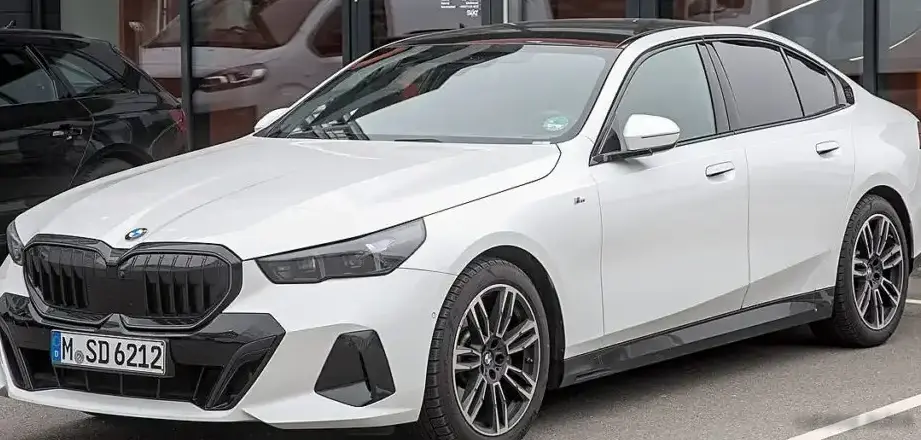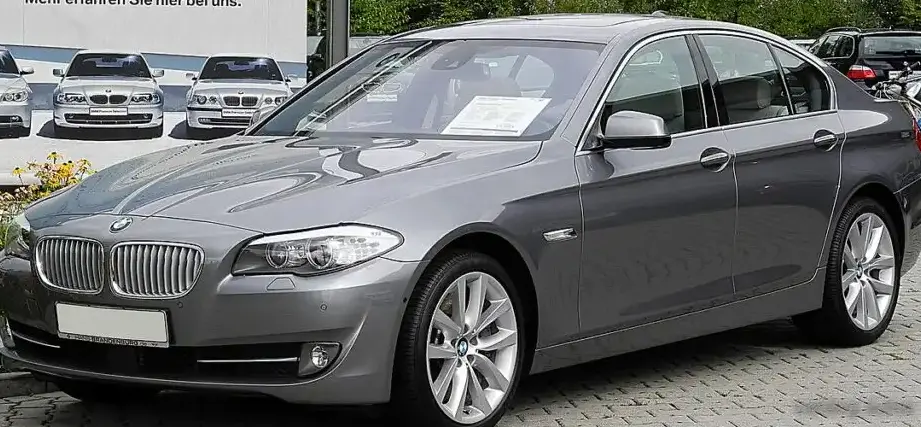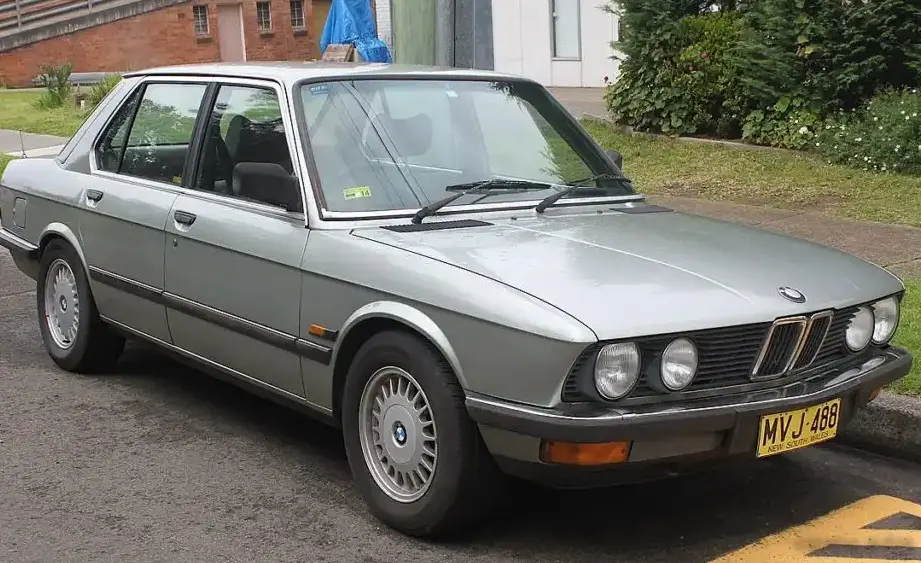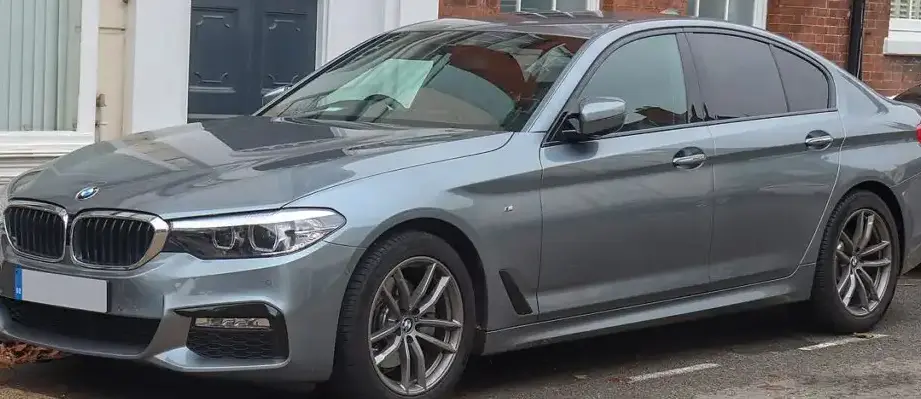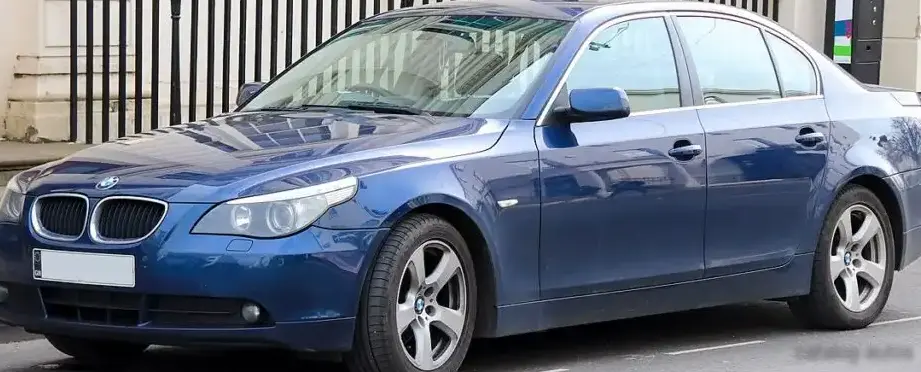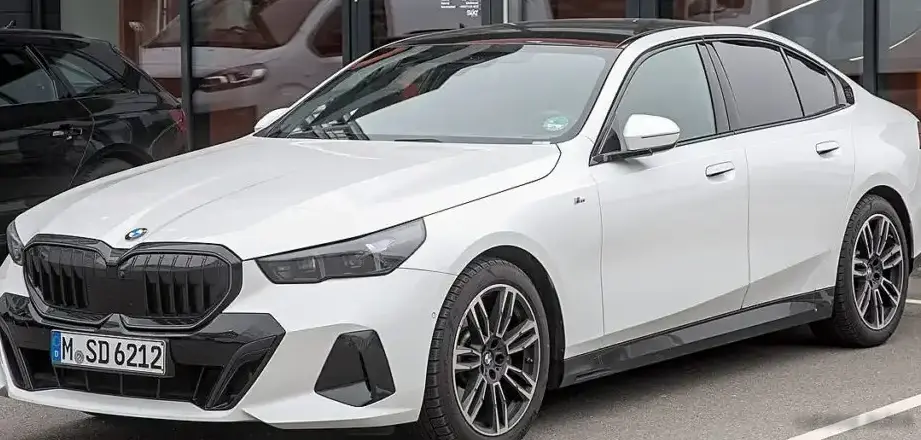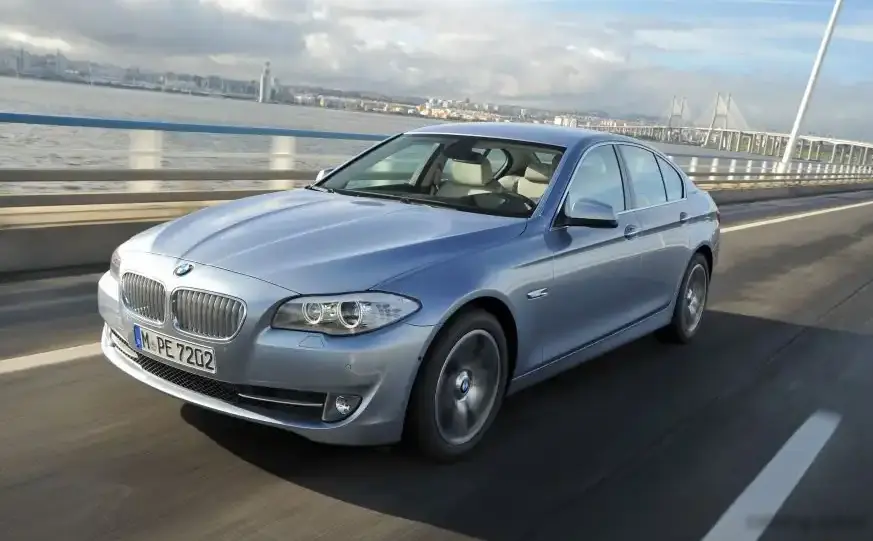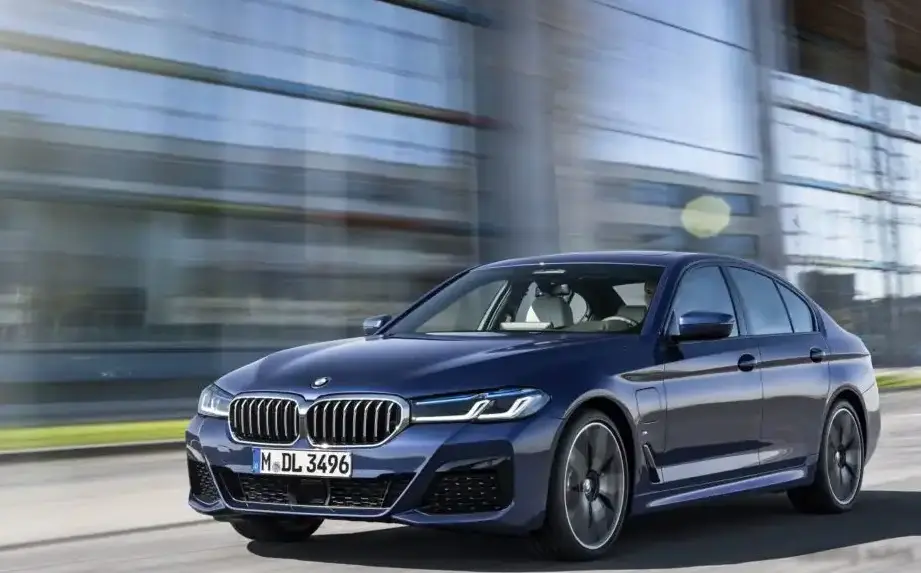
The BMW 520d, specifically the G30 LCI (Life Cycle Impulse, or facelift) model produced from 2020 to 2023, represents a significant iteration of BMW’s flagship executive sedan. This variant, powered by a 2.0-liter turbocharged diesel engine producing 190 horsepower and incorporating mild hybrid technology, occupied a crucial position in the 5 Series lineup as a balance between fuel efficiency, performance, and affordability. The G30 LCI brought styling updates, enhanced technology, and refined powertrain options to the already successful G30 generation, solidifying the 5 Series’ reputation as a benchmark in the mid-size luxury sedan segment.
Technical Specifications
| Brand | BMW |
| Model | 5 Series |
| Generation | 5 Series Sedan (G30 LCI, facelift 2020) |
| Type (Engine) | 520d (190 Hp) Mild Hybrid Steptronic |
| Start of production | 2020 |
| End of production | 2023 |
| Powertrain Architecture | MHEV (Mild Hybrid Electric Vehicle) |
| Body type | Sedan |
| Seats | 5 |
| Doors | 4 |
| Fuel consumption (urban) | 4.8-5.0 l/100 km (49-47 US mpg) |
| Fuel consumption (extra urban) | 3.7-3.9 l/100 km (63.6-60.3 US mpg) |
| Fuel consumption (combined) | 4.1-4.3 l/100 km (57.4-54.7 US mpg) |
| CO2 emissions | 108-112 g/km |
| Fuel Type | Diesel |
| Acceleration 0 – 100 km/h | 7.2 sec |
| Acceleration 0 – 62 mph | 7.2 sec |
| Acceleration 0 – 60 mph | 6.8 sec |
| Maximum speed | 235 km/h (146.02 mph) |
| Emission standard | EURO 6d |
| Weight-to-power ratio | 8.8 kg/Hp |
| Weight-to-torque ratio | 4.2 kg/Nm |
| Gross battery capacity | 0.528 kWh |
| Electric motor power | 11 Hp |
| Power | 190 Hp @ 4000 rpm |
| Torque | 400 Nm @ 1750-2500 rpm (295.02 lb.-ft.) |
| Engine layout | Front, Longitudinal |
| Engine Model/Code | B47D20B |
| Engine displacement | 1995 cm3 (121.74 cu. in.) |
| Number of cylinders | 4 |
| Engine configuration | Inline |
| Cylinder Bore | 84 mm (3.31 in.) |
| Piston Stroke | 90 mm (3.54 in.) |
| Compression ratio | 16.5:1 |
| Number of valves per cylinder | 4 |
| Fuel injection system | Diesel Commonrail |
| Engine aspiration | Twin-power turbo, Intercooler |
| Engine oil capacity | 5.5 l (5.81 US qt | 4.84 UK qt) |
| Coolant | 8.8 l (9.3 US qt | 7.74 UK qt) |
| Kerb Weight | 1675 kg (3692.74 lbs.) |
| Max. weight | 2345 kg (5169.84 lbs.) |
| Max load | 670 kg (1477.1 lbs.) |
| Trunk (boot) space – minimum | 530 l (18.72 cu. ft.) |
| Fuel tank capacity | 66 l (17.44 US gal | 14.52 UK gal) |
| Max. roof load | 100 kg (220.46 lbs.) |
| Permitted trailer load with brakes (12%) | 2000 kg (4409.25 lbs.) |
| Permitted trailer load without brakes | 750 kg (1653.47 lbs.) |
| Permitted towbar download | 90 kg (198.42 lbs.) |
| Length | 4963 mm (195.39 in.) |
| Width | 1868 mm (73.54 in.) |
| Height | 1479 mm (58.23 in.) |
| Wheelbase | 2975 mm (117.13 in.) |
| Front track | 1605 mm (63.19 in.) |
| Rear (Back) track | 1630 mm (64.17 in.) |
| Ride height (ground clearance) | 144 mm (5.67 in.) |
| Drag coefficient (Cd) | 0.23 |
| Minimum turning circle | 12.0 m (39.37 ft.) |
| Drivetrain Architecture | Rear wheel drive, MHEV |
| Number of gears | 8 |
| Gearbox type | Automatic Steptronic |
| Front suspension | Double wishbone |
| Rear suspension | Independent multi-link |
| Front brakes | Ventilated discs |
| Rear brakes | Ventilated discs |
| Tires size | 225/55 R17 101Y XL |
| Wheel rims size | 7.5J x 17 |
INTRODUCTION
The BMW 520d G30 LCI, launched in 2020, represented a key offering in BMW’s 5 Series range. Positioned as an entry-level diesel variant, it aimed to deliver the luxury and driving experience associated with the 5 Series, but with improved fuel economy and lower running costs. The “LCI” designation signifies a comprehensive facelift, bringing updated styling cues, a modernized interior, and the latest in BMW’s technology. Built on the G30 platform, this model benefited from BMW’s EfficientDynamics philosophy, integrating a 48V mild hybrid system to enhance efficiency and reduce emissions. This variant was primarily targeted towards European and Asian markets, where diesel engines remained popular due to their fuel efficiency and torque characteristics, but also saw moderate sales in North America.
Powertrain & Engine Architecture
At the heart of the 520d LCI lies the B47D20B, a 2.0-liter inline-four cylinder diesel engine. This engine is a member of BMW’s modular engine family, known for its compact design and advanced technology. It utilizes a second-generation common rail direct injection system operating at pressures up to 2,500 bar, ensuring precise fuel delivery and optimized combustion. The engine is equipped with a twin-scroll turbocharger with variable geometry turbine (VGT) technology, enhancing responsiveness and minimizing turbo lag. The mild hybrid system, consisting of a 48V starter-generator, provides an additional 11 horsepower and allows for features like extended start-stop operation and coasting with the engine switched off. The engine is paired with BMW’s 8-speed Steptronic automatic transmission, renowned for its smooth and quick shifts. This transmission features a torque converter and allows for both automatic and manual gear selection via steering wheel-mounted paddles.
Driving Characteristics
The 520d LCI Automatic delivers a refined and comfortable driving experience. While not as overtly sporty as higher-powered 5 Series variants, the 400 Nm (295 lb-ft) of torque available from 1750-2500 rpm provides ample power for everyday driving and confident overtaking. The 8-speed Steptronic transmission is well-tuned, offering seamless gear changes and contributing to the car’s overall smoothness. The mild hybrid system subtly enhances responsiveness, particularly during acceleration. Compared to manual transmission versions of the 520d, the automatic offers greater convenience, especially in urban traffic. However, it may slightly diminish the driver’s sense of engagement. The gear ratios are optimized for both fuel efficiency and performance, with taller gears for highway cruising and shorter gears for quicker acceleration. The rear-wheel-drive configuration contributes to balanced handling, although it can be less forgiving in slippery conditions compared to all-wheel-drive variants.
Equipment & Trim Levels
The 520d LCI typically came standard with a comprehensive array of features, including BMW’s iDrive infotainment system with a 10.25-inch touchscreen display, navigation, Apple CarPlay and Android Auto compatibility, and a suite of driver-assistance systems such as lane departure warning and forward collision warning. Interior upholstery was typically a combination of leatherette and cloth, with optional full leather upgrades available. Standard trim included wood or aluminum interior accents. Optional extras included a head-up display, a premium sound system, adaptive cruise control, and a panoramic sunroof. The 520d LCI was often offered in various trim packages, such as Luxury, Sport, and M Sport, each adding unique styling elements and equipment upgrades.
Chassis & Braking
The G30 LCI 520d utilizes a sophisticated chassis design focused on balancing comfort and handling. The front suspension features a double wishbone setup, while the rear employs an independent multi-link suspension. This configuration provides excellent ride quality and precise control. The car is equipped with ventilated disc brakes on all four wheels, providing ample stopping power. Anti-lock Braking System (ABS), Electronic Stability Control (ESC), and Dynamic Traction Control (DTC) are standard features, enhancing safety and stability. The steering system is an electric power steering system, offering precise and responsive steering feel. The 520d LCI typically featured stabilizer bars to reduce body roll during cornering, although the thickness of these bars may vary depending on the specific trim level.
Market Reception & Comparison
The 520d LCI was generally well-received by automotive critics, who praised its fuel efficiency, comfortable ride, and refined interior. It was often seen as a sensible choice for buyers prioritizing economy and practicality without sacrificing the prestige and driving experience of the 5 Series. Compared to the more powerful 530i and 540i variants, the 520d offered significantly better fuel economy, but at the expense of outright performance. The 520d also compared favorably to other diesel-powered executive sedans, such as the Audi A6 TDI and Mercedes-Benz E220d, often being lauded for its balanced driving dynamics and user-friendly technology. Reliability reports suggest the B47 engine is generally robust, although some owners have reported issues with the diesel particulate filter (DPF) and turbocharger.
Legacy
The BMW 520d G30 LCI represents a significant step in BMW’s efforts to combine performance with efficiency. The integration of mild hybrid technology demonstrated BMW’s commitment to reducing emissions and improving fuel economy. In the used car market, the 520d LCI remains a popular choice, offering a compelling blend of luxury, practicality, and affordability. The B47 engine, while not without its potential issues, has proven to be relatively durable when properly maintained. As a result, well-maintained examples of the 520d LCI continue to command reasonable prices and offer a comfortable and refined driving experience for years to come.