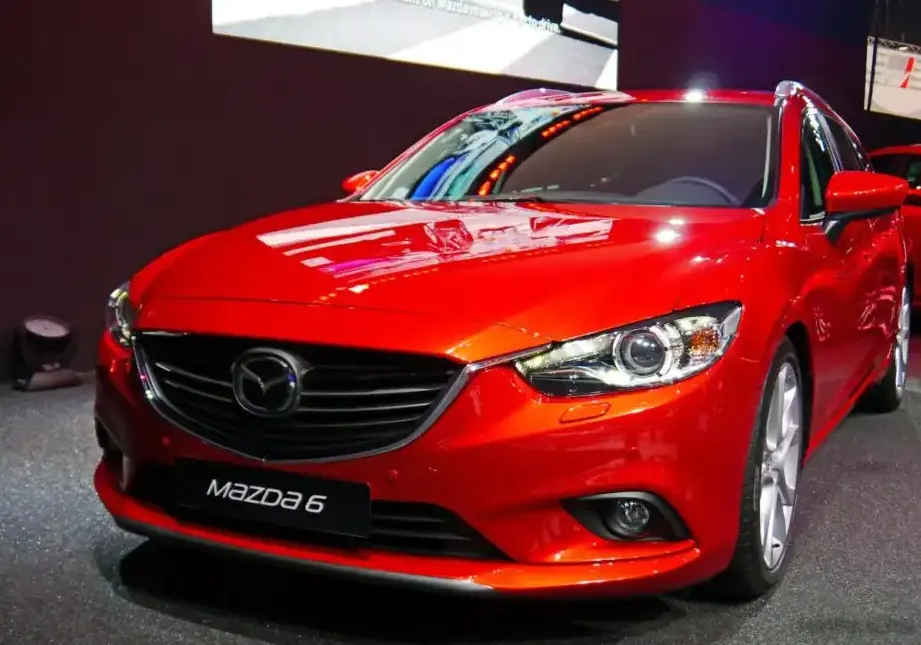
The Mazda 6 III Sport Combi (GJ) 2.0 SKYACTIV-G, produced from 2012 to 2015, represents a significant iteration of Mazda’s popular mid-size wagon. Positioned as a mainstream offering within the GJ series, this variant aimed to balance fuel efficiency, practicality, and a reasonably engaging driving experience. It was a key model in Mazda’s lineup during a period of significant technological advancement, particularly with the introduction of their SKYACTIV technologies. The Sport Combi designation indicates the wagon (estate) body style, differentiating it from the sedan version. This particular 2.0-liter engine and six-speed manual transmission combination was a popular choice for buyers seeking a blend of performance and economy.
Technical Specifications
| Brand | Mazda |
| Model | 6 |
| Generation | 6 III Sport Combi (GJ) |
| Type (Engine) | 2.0 SKYACTIV-G (145 Hp) |
| Start of production | 2012 |
| End of production | 2015 |
| Powertrain Architecture | Internal Combustion engine |
| Body type | Station wagon (estate) |
| Seats | 5 |
| Doors | 5 |
| Fuel consumption (urban) | 7.2 l/100 km (32.7 US mpg) |
| Fuel consumption (extra urban) | 4.7 l/100 km (50 US mpg) |
| Fuel consumption (combined) | 5.6 l/100 km (42 US mpg) |
| Fuel Type | Petrol (Gasoline) |
| Acceleration 0 – 100 km/h | 9.6 sec |
| Acceleration 0 – 62 mph | 9.6 sec |
| Acceleration 0 – 60 mph | 9.1 sec |
| Maximum speed | 206 km/h (128 mph) |
| Emission standard | Euro 5 |
| Weight-to-power ratio | 9 kg/Hp |
| Weight-to-torque ratio | 6.2 kg/Nm |
| Power | 145 Hp @ 6000 rpm |
| Torque | 210 Nm @ 4000 rpm (154.89 lb.-ft. @ 4000 rpm) |
| Engine layout | Front, Transverse |
| Engine displacement | 1998 cm3 (121.93 cu. in.) |
| Number of cylinders | 4 |
| Engine configuration | Inline |
| Compression ratio | 14:1 |
| Number of valves per cylinder | 4 |
| Fuel injection system | Direct injection |
| Engine oil capacity | 4.2 l (4.44 US qt | 3.7 UK qt) |
| Coolant capacity | 6.6 l (6.97 US qt | 5.81 UK qt) |
| Kerb Weight | 1310 kg (2888.06 lbs.) |
| Trunk (boot) space – minimum | 502 l (17.73 cu. ft.) |
| Fuel tank capacity | 62 l (16.38 US gal | 13.64 UK gal) |
| Length | 4800 mm (188.98 in.) |
| Width | 1840 mm (72.44 in.) |
| Height | 1480 mm (58.27 in.) |
| Wheelbase | 2750 mm (108.27 in.) |
| Drivetrain Architecture | Front wheel drive |
| Number of gears and type of gearbox | 6 gears, manual transmission |
| Assisting systems | ABS (Anti-lock braking system) |
| Steering type | Steering rack and pinion |
Powertrain & Engine Architecture
The heart of this Mazda 6 variant is the 2.0-liter SKYACTIV-G four-cylinder engine. This engine is a key component of Mazda’s SKYACTIV technology suite, designed to maximize efficiency without sacrificing driving enjoyment. The engine boasts a high compression ratio of 14:1, achieved through careful engineering and optimized combustion chamber design. This high compression ratio, combined with direct fuel injection, contributes to improved thermal efficiency and reduced fuel consumption. The engine utilizes a conventional double overhead camshaft (DOHC) valvetrain with four valves per cylinder. The SKYACTIV-G engine is naturally aspirated, meaning it doesn’t employ a turbocharger or supercharger. The six-speed manual transmission was chosen to complement the engine’s characteristics, offering precise gear changes and a more engaging driving experience compared to the available automatic option.
Driving Characteristics
The 145 horsepower and 154.89 lb-ft of torque produced by the 2.0-liter SKYACTIV-G engine, coupled with the six-speed manual transmission, provided a balanced driving experience. Acceleration from 0-60 mph took approximately 9.1 seconds, which was respectable for a mid-size wagon of this era. The engine felt responsive in the mid-range, making everyday driving and overtaking maneuvers relatively effortless. The manual transmission’s gear ratios were well-matched to the engine’s powerband, allowing drivers to keep the engine in its optimal operating range. Compared to the higher-output 2.5-liter SKYACTIV-G engine offered in some Mazda 6 trims, this 2.0-liter version felt less powerful, but it offered superior fuel economy. Against diesel variants, like the 2.2-liter SKYACTIV-D, it lacked the low-end torque of the diesel, but provided a smoother and quieter driving experience.
Equipment & Trim Levels
The 2.0 SKYACTIV-G variant typically came equipped with a solid set of standard features. Interior upholstery was generally cloth, with options for leather upgrades available on higher trim levels. Standard equipment included air conditioning, power windows and locks, a basic audio system with USB connectivity, and alloy wheels. Safety features such as ABS, stability control, and multiple airbags were standard. Optional extras included a sunroof, navigation system, premium audio system, and automatic climate control. The specific trim level (Sport, Touring, Grand Touring, etc.) dictated the availability of these optional features.
Chassis & Braking
The Mazda 6 III Sport Combi featured a front-wheel-drive layout with a MacPherson strut front suspension and a multi-link rear suspension. This suspension setup provided a good balance between ride comfort and handling. The braking system consisted of ventilated front disc brakes and solid rear disc brakes on most models, although some base models may have featured rear drum brakes. The steering was a rack-and-pinion system, providing precise and responsive steering feel. Stabilizer bars were fitted to both the front and rear axles to reduce body roll during cornering.
Market Reception & Comparison
The Mazda 6 III Sport Combi 2.0 SKYACTIV-G was generally well-received by automotive critics. It was praised for its stylish design, engaging driving dynamics, and fuel efficiency. The SKYACTIV technology was a major selling point, appealing to buyers looking for a more environmentally friendly vehicle. Compared to competitors like the Ford Mondeo, Volkswagen Passat, and Toyota Avensis, the Mazda 6 offered a more sporty driving experience and a more premium interior. Fuel economy was competitive, and reliability proved to be generally good. However, some critics noted that the interior space was slightly less generous than some of its rivals.
Legacy
The 2.0-liter SKYACTIV-G engine has proven to be a reliable and durable powertrain. The engine is known for its longevity and relatively low maintenance costs. In the used car market, the Mazda 6 III Sport Combi 2.0 SKYACTIV-G remains a popular choice, offering a good balance of practicality, fuel efficiency, and driving enjoyment. The SKYACTIV technology continues to be a key part of Mazda’s engineering philosophy, and this variant represents an important step in the development of that technology. While not the fastest or most luxurious version of the Mazda 6, the 2.0-liter manual combination provides a compelling package for buyers seeking a well-rounded and reliable mid-size wagon.