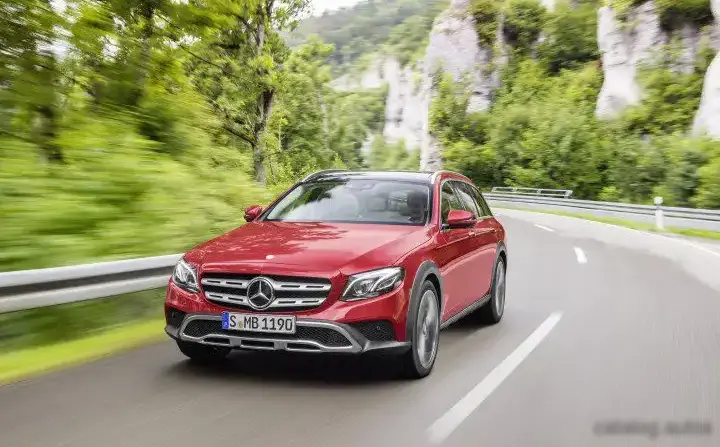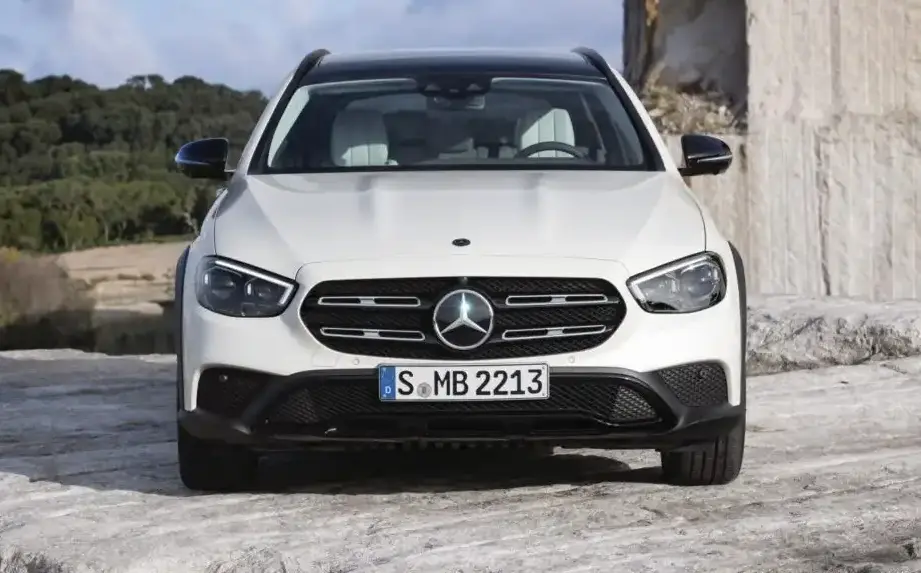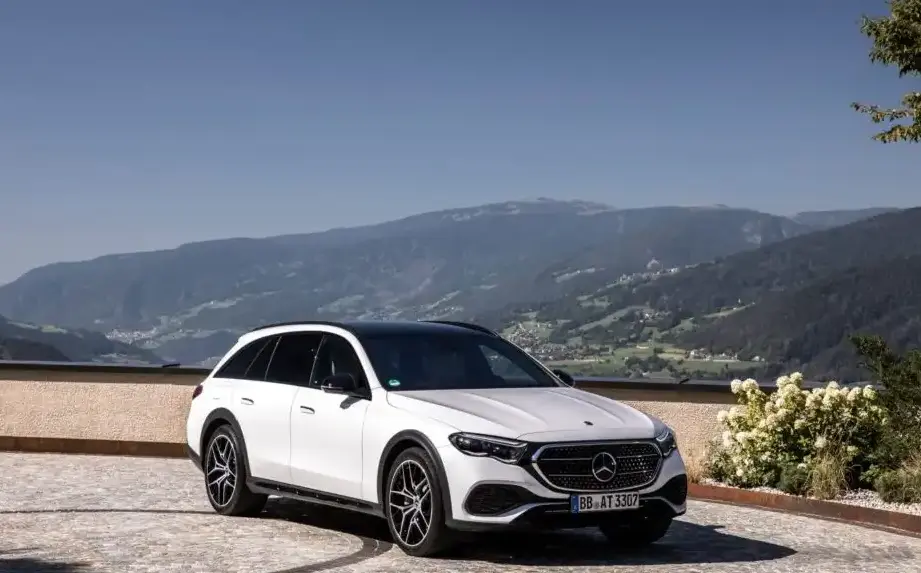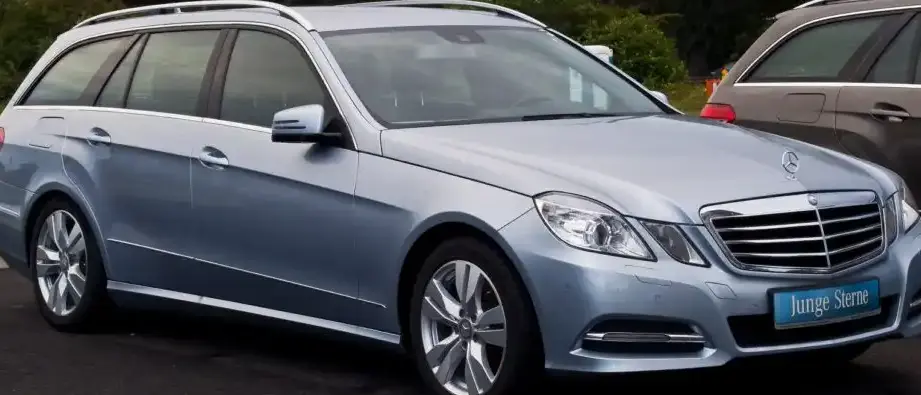
The Mercedes-Benz E-Class T-modell (S212) E 300 V6 7G-TRONIC, produced from February 2010 to 2013, represents a compelling blend of practicality and performance within the fifth generation of the E-Class estate (wagon) range. Positioned as a mid-range offering, it catered to buyers seeking a more powerful and refined experience than the base models, without the outright performance focus of the AMG variants. This model combined a naturally aspirated 3.0-liter V6 engine with Mercedes’ smooth-shifting 7G-TRONIC seven-speed automatic transmission, offering a comfortable and capable grand touring experience. The S212 generation E-Class T-modell, built on the W212 platform, was a significant vehicle for Mercedes-Benz, continuing the brand’s long tradition of luxurious and practical wagons.
Technical Specifications
| Brand | Mercedes-Benz |
| Model | E-class |
| Generation | E-class T-modell (S212) |
| Type (Engine) | E 300 V6 (231 Hp) 7G-TRONIC |
| Start of production | February, 2010 |
| End of production | 2013 |
| Powertrain Architecture | Internal Combustion engine |
| Body type | Station wagon (estate) |
| Seats | 5 |
| Doors | 5 |
| Fuel consumption (urban) | 10.9 l/100 km (21.6 US mpg, 25.9 UK mpg, 9.2 km/l) |
| Fuel Type | Petrol (Gasoline) |
| Acceleration 0 – 100 km/h | 7.9 sec |
| Acceleration 0 – 62 mph | 7.9 sec |
| Acceleration 0 – 60 mph | 7.5 sec |
| Maximum speed | 235 km/h (146.02 mph) |
| Weight-to-power ratio | 7.7 kg/Hp, 130.5 Hp/tonne |
| Weight-to-torque ratio | 5.9 kg/Nm, 169.5 Nm/tonne |
| Power | 231 Hp @ 6000 rpm |
| Power per litre | 77.1 Hp/l |
| Torque | 300 Nm @ 2500-5000 rpm (221.27 lb.-ft. @ 2500-5000 rpm) |
| Engine layout | Front, Longitudinal |
| Engine Model/Code | M 272.952 |
| Engine displacement | 2996 cm3 (182.83 cu. in.) |
| Number of cylinders | 6 |
| Engine configuration | V-engine |
| Cylinder Bore | 88 mm (3.46 in.) |
| Piston Stroke | 82.1 mm (3.23 in.) |
| Compression ratio | 11.3:1 |
| Number of valves per cylinder | 4 |
| Fuel injection system | Multi-port manifold injection |
| Engine aspiration | Naturally aspirated engine |
| Valvetrain | DOHC |
| Engine oil capacity | 8 l (8.45 US qt | 7.04 UK qt) |
| Kerb Weight | 1770-1840 kg (3902.18 – 4056.51 lbs.) |
| Max. weight | 2420 kg (5335.19 lbs.) |
| Max load | 580-650 kg (1278.68 – 1433 lbs.) |
| Trunk (boot) space – minimum | 695 l (24.54 cu. ft.) |
| Trunk (boot) space – maximum | 1910 l (67.45 cu. ft.) |
| Fuel tank capacity | 80 l (21.13 US gal | 17.6 UK gal) |
| Max. roof load | 100 kg (220.46 lbs.) |
| Permitted trailer load with brakes (12%) | 2100 kg (4629.71 lbs.) |
| Permitted trailer load without brakes | 750 kg (1653.47 lbs.) |
| Permitted towbar download | 84 kg (185.19 lbs.) |
| Length | 4900 mm (192.91 in.) |
| Width | 1855 mm (73.03 in.) |
| Width including mirrors | 2070 mm (81.5 in.) |
| Height | 1515 mm (59.65 in.) |
| Wheelbase | 2875 mm (113.19 in.) |
| Front track | 1585 mm (62.4 in.) |
| Rear (Back) track | 1605 mm (63.19 in.) |
| Front overhang | 855 mm (33.66 in.) |
| Rear overhang | 1170 mm (46.06 in.) |
| Ride height (ground clearance) | 155 mm (6.1 in.) |
| Drag coefficient (Cd) | 0.30 |
| Minimum turning circle (turning diameter) | 10.6 m (34.78 ft.) |
| Drivetrain Architecture | The Internal combustion engine (ICE) drives the rear wheels of the vehicle. |
| Drive wheel | Rear wheel drive |
| Number of gears and type of gearbox | 7 gears, automatic transmission G-TRONIC |
| Front suspension | Coil spring, Independent multi-link suspension, Transverse stabilizer, Air Suspension – Optional |
| Rear suspension | Independent multi-link suspension, Air suspension, Transverse stabilizer |
| Front brakes | Ventilated discs, 322 mm |
| Rear brakes | Ventilated discs, 300 mm |
| Assisting systems | ABS (Anti-lock braking system) |
| Steering type | Steering rack and pinion |
| Power steering | Hydraulic Steering |
| Tires size | Front wheel tires: 225/55 R16; 245/45 R17; 245/40 R18Rear wheel tires: 225/55 R16; 245/45 R17; 265/35 R18 |
| Wheel rims size | Front wheel rims: 7.5J x 16; 8J x 17; 8.5J x 18Rear wheel rims: 7.5J x 16; 8J x 17; 9J x 18 |
Powertrain & Engine Architecture
The heart of the E 300 V6 is the M 272.952 engine, a 2,996 cc (182.83 cu. in.) naturally aspirated V6. This engine utilizes a three-valve-per-cylinder design (two intake, one exhaust) and a double overhead camshaft (DOHC) valvetrain. Fuel delivery is managed by a multi-port fuel injection system, providing precise fuel metering for optimal combustion. The engine’s 11.3:1 compression ratio contributes to its respectable power output. The 7G-TRONIC automatic transmission, a seven-speed unit, is renowned for its smooth and responsive shifts. It features a torque converter lock-up clutch that engages at higher speeds to improve fuel efficiency. The transmission’s gear ratios are tuned for a balance of acceleration and cruising comfort.
Driving Characteristics
The E 300 V6 7G-TRONIC offers a refined and comfortable driving experience. While not overtly sporty, the engine delivers ample power for effortless highway cruising and confident overtaking. The 7.9-second 0-60 mph acceleration time is respectable for a luxury wagon. The automatic transmission contributes to a relaxed driving style, seamlessly shifting through the gears. Compared to the more powerful E 350 or the diesel-powered E 300 CDI, the E 300 V6 offers a slightly less urgent feel, but it compensates with a smoother, more linear power delivery. The automatic transmission, while convenient, doesn’t offer the same level of driver engagement as a manual gearbox.
Equipment & Trim Levels
The E 300 V6 T-modell typically came well-equipped, reflecting its mid-range positioning. Standard features included automatic climate control, power-adjustable front seats, a multi-function steering wheel, and a high-quality audio system. Interior upholstery was typically a combination of leather and fabric, with options for full leather upgrades. Optional extras included a sunroof, navigation system, premium sound system, and advanced driver-assistance features like adaptive cruise control and lane-keeping assist. The dashboard layout was typical of the W212 E-Class, characterized by a clean and elegant design with analog gauges and a central infotainment screen.
Chassis & Braking
The S212 E-Class T-modell features a sophisticated suspension system designed for both comfort and handling. The front suspension utilizes a multi-link setup with coil springs, while the rear suspension employs an independent multi-link design as well. Air suspension was available as an option, providing an even smoother ride and the ability to adjust the ride height. Braking duties are handled by ventilated disc brakes on all four wheels, providing ample stopping power. Anti-lock braking system (ABS) is standard. Stabilizer bars are fitted front and rear to reduce body roll during cornering.
Market Reception & Comparison
The E 300 V6 T-modell was generally well-received by automotive critics. It was praised for its comfortable ride, spacious interior, and refined powertrain. Fuel economy was considered reasonable for a V6-powered wagon, although it didn’t match the efficiency of the diesel variants. Compared to the E 350, the E 300 V6 offered a more affordable entry point into the E-Class wagon range, while still providing a luxurious and capable driving experience. The E 300 CDI (diesel) offered superior fuel economy and torque, but some buyers preferred the smoother and quieter operation of the gasoline V6.
Legacy
The M 272 engine family, including the M 272.952 found in the E 300 V6, is generally considered to be a reliable and durable powertrain. However, like any engine, it’s susceptible to age-related issues such as oil leaks and timing chain wear. The 7G-TRONIC transmission is also generally reliable, but proper maintenance, including regular fluid changes, is crucial for long-term durability. Today, the S212 E-Class T-modell E 300 V6 represents a good value on the used car market, offering a blend of luxury, practicality, and reliability. It remains a popular choice for buyers seeking a comfortable and capable wagon for family duties or long-distance travel.