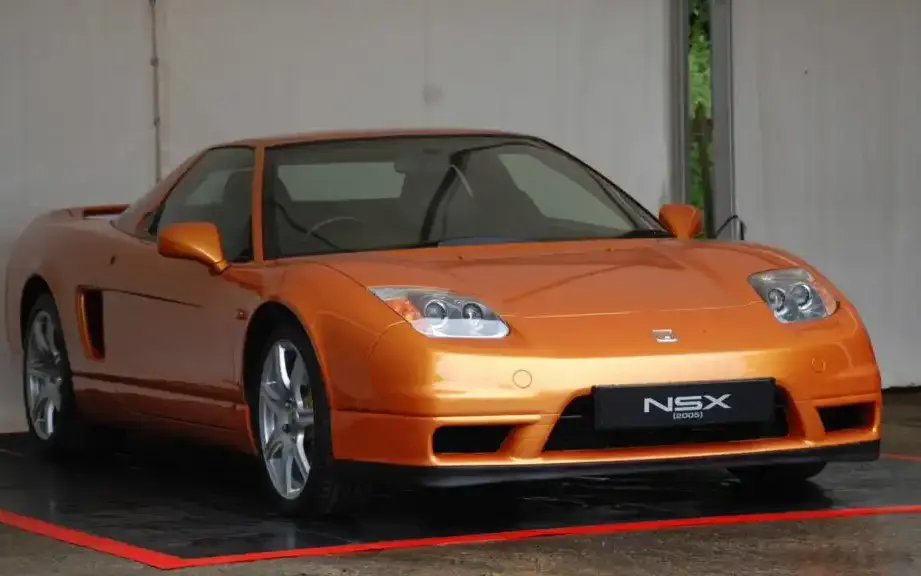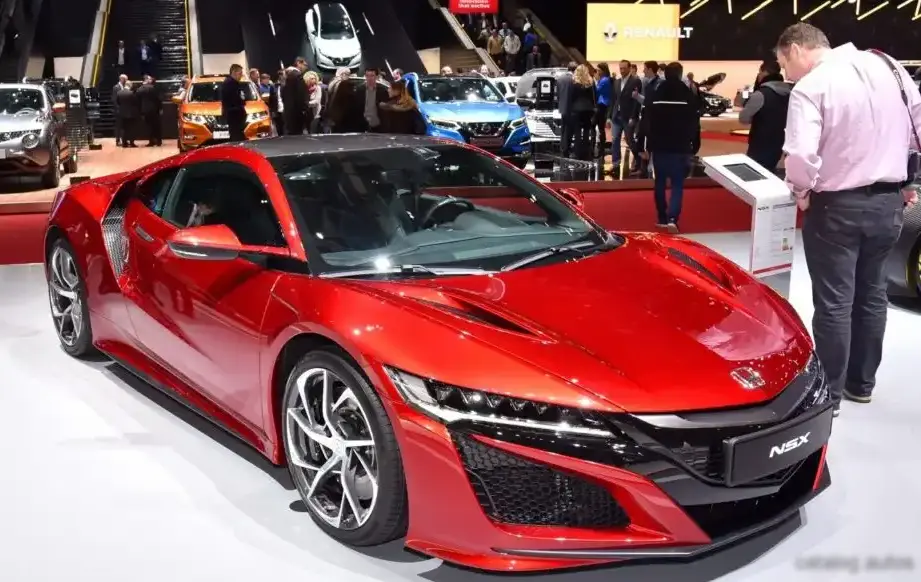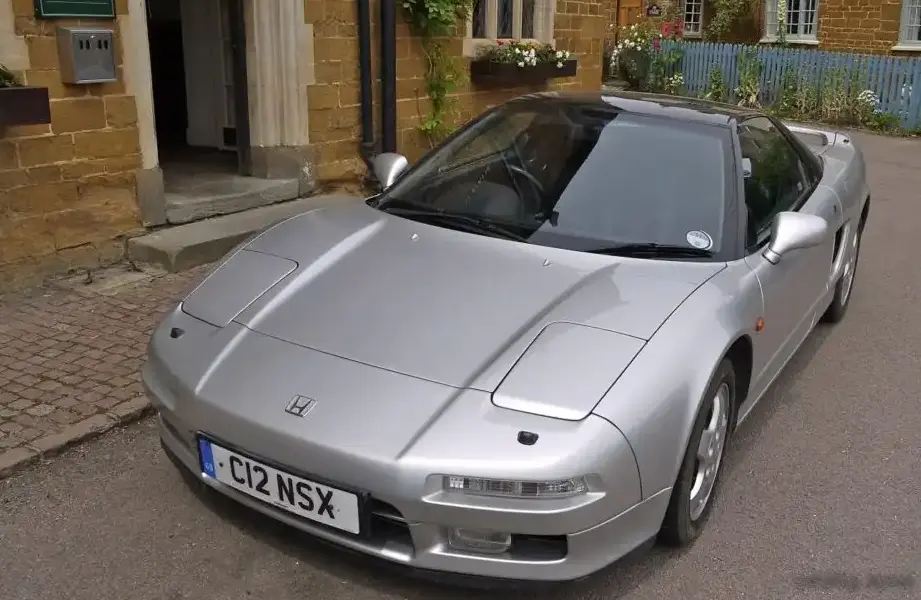
The Honda NSX (New Sportscar eXperimental) first generation, internally designated NA1, represented a paradigm shift in sports car design when it debuted in 1990. Produced through 1997, the NA1 was Honda’s ambitious attempt to challenge established European marques like Ferrari and Porsche. This mid-engine, rear-wheel-drive coupe was notable for its all-aluminum construction, innovative suspension, and potent engine. The 3.0-liter V6 variant with automatic transmission, producing 256 horsepower, occupied a unique position in the NSX lineup, offering a blend of performance and relative ease of use. It was positioned as a more accessible entry point into the NSX experience compared to the manual transmission models and the later, higher-output variants.
Technical Specifications
| Brand | Honda |
| Model | NSX |
| Generation | NSX I Coupe |
| Type (Engine) | 3.0 24V Vtec (NA1) (256 Hp) Automatic |
| Start of production | 1990 |
| End of production | 1997 |
| Powertrain Architecture | Internal Combustion engine |
| Body type | Coupe |
| Seats | 2 |
| Doors | 2 |
| Fuel consumption (urban) | 17.1 l/100 km (13.8 US mpg, 16.5 UK mpg, 5.8 km/l) |
| Fuel consumption (extra urban) | 8.7 l/100 km (27 US mpg, 32.5 UK mpg, 11.5 km/l) |
| Fuel consumption (combined) | 10.9 l/100 km (21.6 US mpg, 25.9 UK mpg, 9.2 km/l) |
| Fuel Type | Petrol (Gasoline) |
| Acceleration 0 – 100 km/h | 7.5 sec |
| Acceleration 0 – 62 mph | 7.5 sec |
| Acceleration 0 – 60 mph | 7.1 sec |
| Maximum speed | 260 km/h (161.56 mph) |
| Weight-to-power ratio | 5.6 kg/Hp, 179 Hp/tonne |
| Weight-to-torque ratio | 5 kg/Nm, 198.6 Nm/tonne |
| Power | 256 Hp @ 6800 rpm |
| Power per litre | 86 Hp/l |
| Torque | 284 Nm @ 5400 rpm (209.47 lb.-ft. @ 5400 rpm) |
| Engine layout | Middle, Transverse |
| Engine Model/Code | C30A4 |
| Engine displacement | 2977 cm3 (181.67 cu. in.) |
| Number of cylinders | 6 |
| Engine configuration | V-engine |
| Cylinder Bore | 90 mm (3.54 in.) |
| Piston Stroke | 78 mm (3.07 in.) |
| Compression ratio | 10.2:1 |
| Number of valves per cylinder | 4 |
| Fuel injection system | Multi-port manifold injection |
| Engine aspiration | Naturally aspirated engine |
| Valvetrain | DOHC |
| Engine oil capacity | 5 l (5.28 US qt | 4.4 UK qt) |
| Kerb Weight | 1430 kg (3152.61 lbs.) |
| Max. weight | 1610 kg (3549.44 lbs.) |
| Max load | 180 kg (396.83 lbs.) |
| Trunk (boot) space – minimum | 154 l (5.44 cu. ft.) |
| Fuel tank capacity | 70 l (18.49 US gal | 15.4 UK gal) |
| Length | 4425 mm (174.21 in.) |
| Width | 1810 mm (71.26 in.) |
| Height | 1170 mm (46.06 in.) |
| Wheelbase | 2530 mm (99.61 in.) |
| Front track | 1510 mm (59.45 in.) |
| Rear (Back) track | 1530 mm (60.24 in.) |
| Drivetrain Architecture | The Internal combustion engine (ICE) drives the rear wheels of the vehicle. |
| Drive wheel | Rear wheel drive |
| Number of gears and type of gearbox | 4 gears, automatic transmission |
| Front suspension | Double wishbone |
| Rear suspension | Double wishbone |
| Front brakes | Ventilated discs |
| Rear brakes | Ventilated discs |
| Assisting systems | ABS (Anti-lock braking system) |
| Steering type | Steering rack and pinion |
| Power steering | Hydraulic Steering |
| Tires size | 215/45 R17; 245/40 R17 |
Powertrain & Engine Architecture
The heart of the NA1 NSX is the C30A4 engine, a 2,977 cc (181.67 cu in) naturally aspirated V6. This engine features a 90-degree V-angle, contributing to its smooth operation and balance. The key to its performance lies in its utilization of Honda’s VTEC (Variable Valve Timing and Lift Electronic Control) technology. The C30A4 employs a two-stage VTEC system, switching to a more aggressive cam profile at higher engine speeds to enhance power output. Fuel delivery is managed by a multi-port fuel injection system. The engine’s aluminum block and cylinder heads contribute to its relatively lightweight construction. Paired with the engine is a four-speed automatic transmission. This transmission, while not as sporty as the available five-speed manual, offered smoother shifts and greater convenience, appealing to a broader range of drivers. The automatic transmission was designed to work in harmony with the VTEC system, providing responsive downshifts and efficient cruising.
Driving Characteristics
The NSX 3.0 Automatic delivers a refined and engaging driving experience. While not as brutally quick as the manual transmission versions or the later 3.2-liter models, it provides ample power for spirited driving. The automatic transmission’s gear ratios are tuned for a balance between acceleration and fuel efficiency. Acceleration from 0-60 mph takes approximately 7.1 seconds, and it can achieve a top speed of 161.56 mph. The mid-engine layout contributes to excellent balance and handling. The steering is precise and communicative, providing the driver with a strong sense of control. Compared to the manual, the automatic sacrifices some driver involvement, but it compensates with ease of use and a more relaxed driving experience. The automatic transmission does impact the overall feeling of direct control, but the NSX’s inherent chassis balance still shines through.
Equipment & Trim Levels
The NSX 3.0 Automatic typically came well-equipped, though options allowed for further customization. Standard features included leather upholstery, power windows, power locks, air conditioning, and an upgraded sound system. The interior design prioritized functionality and driver focus. Optional extras included a premium Bose sound system, power-adjustable seats, and a Targa top. The dashboard layout is clean and straightforward, with easily accessible controls. The interior materials were of high quality for the time, reflecting Honda’s commitment to building a world-class sports car.
Chassis & Braking
The NSX’s chassis is a masterpiece of engineering. Its all-aluminum construction significantly reduces weight, enhancing both performance and handling. The suspension utilizes a double wishbone setup at both the front and rear, providing excellent ride quality and precise control. Braking duties are handled by ventilated disc brakes on all four wheels, assisted by an Anti-lock Braking System (ABS). The braking system provides strong and consistent stopping power, even under demanding conditions. The NSX’s chassis rigidity is exceptional, contributing to its precise handling and responsive steering.
Market Reception & Comparison
The NSX was widely praised by automotive critics upon its release. The 3.0-liter automatic variant was seen as a more approachable version of the NSX, appealing to drivers who preferred the convenience of an automatic transmission. Fuel economy was respectable for a sports car of its caliber, averaging around 21.6 US mpg in combined driving. Reliability was also a strong point, with the NSX earning a reputation for being a well-built and dependable machine. Compared to the manual transmission NSX, the automatic version offered slightly lower performance but greater ease of use. Compared to European rivals like the Porsche 911, the NSX offered a more affordable price point and a unique driving experience.
Legacy
The Honda NSX, in all its variants, left an indelible mark on the automotive world. The NA1 3.0-liter automatic remains a highly sought-after classic car. The C30A4 engine, while not the most powerful V6 of its era, is known for its durability and reliability. The automatic transmission, while sometimes criticized by enthusiasts, has proven to be a robust and dependable unit. Today, well-maintained examples of the NSX 3.0 Automatic command strong prices in the used car market, reflecting their enduring appeal and historical significance. The NSX demonstrated that a Japanese manufacturer could build a world-class sports car that could compete with the best from Europe, and it paved the way for future generations of high-performance Hondas.