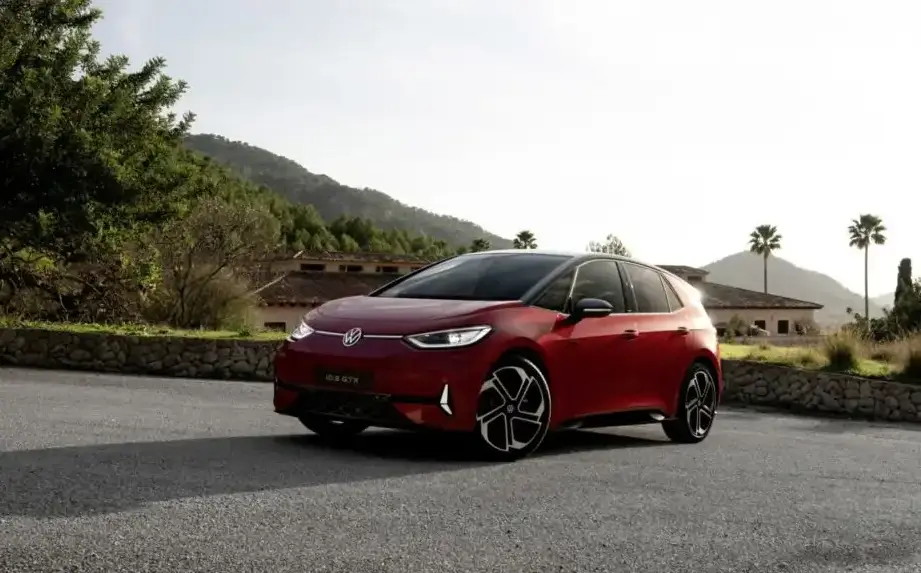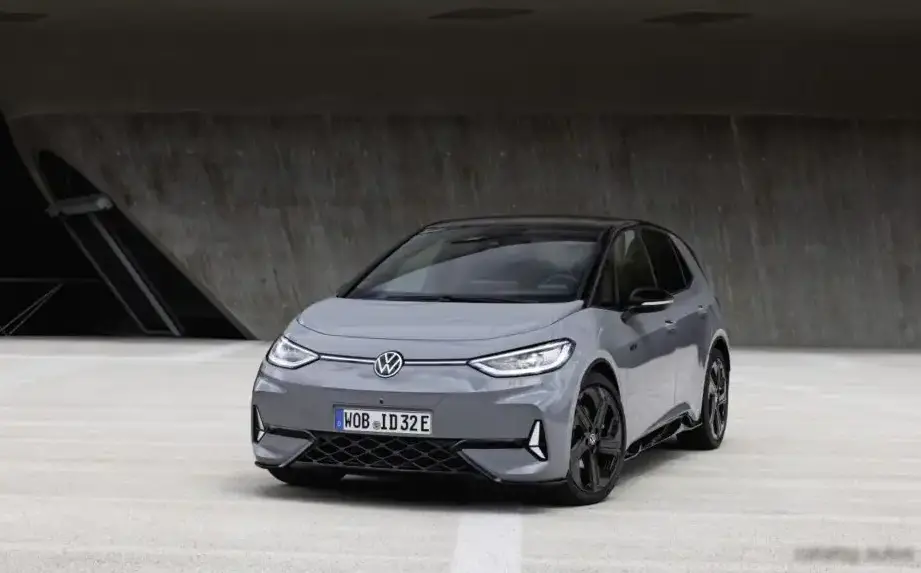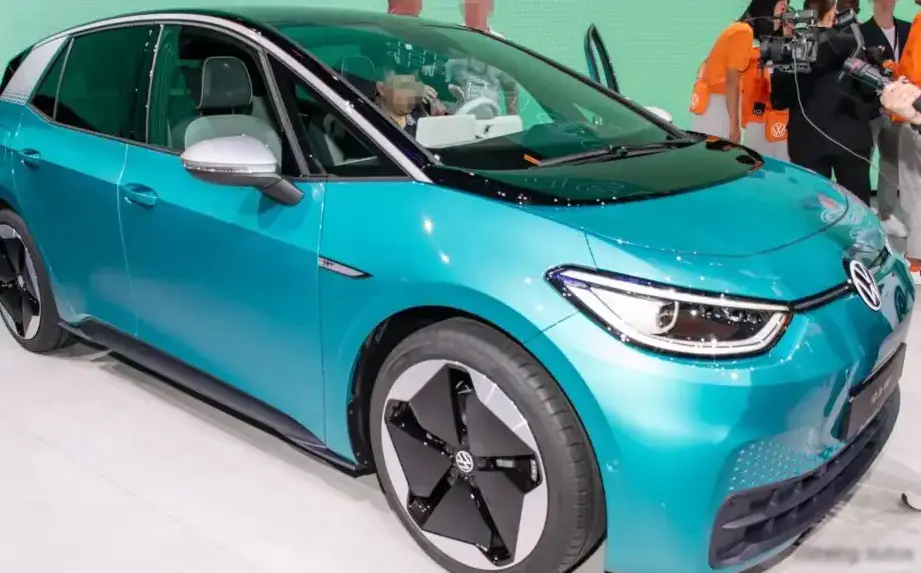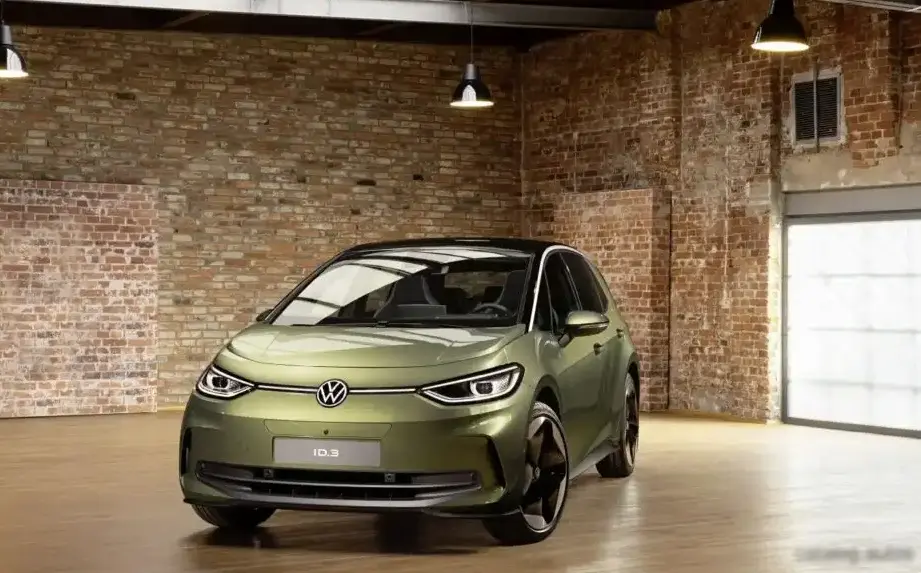
The Volkswagen ID.3 Pro S 82 kWh (204 hp) represents a significant iteration of Volkswagen’s all-electric hatchback, introduced with the 2023 facelift. Positioned as a mid-to-high trim level within the ID.3 range, this variant focuses on maximizing range and offering a balance between performance and efficiency. Production spanned from March 2023 to May 2024, building upon the foundation of the ID.3, which was originally launched as Volkswagen’s first model built on the modular electric drive matrix (MEB) platform. The ID.3 aimed to provide a practical and accessible entry point into the burgeoning electric vehicle market, particularly in Europe, and the Pro S trim aimed for customers prioritizing longer distances between charges.
Technical Specifications
| Brand | Volkswagen |
| Model | ID.3 |
| Generation | ID.3 (facelift 2023) |
| Type (Engine) | Pro S 82 kWh (204 Hp) |
| Start of production | March, 2023 |
| End of production | May, 2024 |
| Powertrain Architecture | BEV (Electric Vehicle) |
| Body type | Hatchback |
| Seats | 4 |
| Doors | 5 |
| Fuel Type | Electricity |
| Acceleration 0 – 100 km/h | 7.9 sec |
| Acceleration 0 – 62 mph | 7.9 sec |
| Acceleration 0 – 60 mph | 7.5 sec |
| Maximum speed | 160 km/h (99.42 mph) |
| Gross battery capacity | 82 kWh |
| Net (usable) battery capacity | 77 kWh |
| Battery technology | Lithium-ion (Li-Ion) |
| Battery location | Below the floor |
| All-electric range (WLTP) | 546 km (339.27 mi) |
| Average Energy consumption (WLTP) | 15.7 kWh/100 km (25.27 kWh/100 mi) |
| MPGe | 133 |
| km/kWh | 6.4 |
| mi/kWh | 4 |
| Electric motor power | 204 Hp |
| Electric motor Torque | 310 Nm (228.64 lb.-ft.) |
| Electric motor model/code | EBJ |
| Electric motor location | Rear axle, Transverse |
| Electric motor type | Synchronous |
| System power | 204 Hp |
| System torque | 310 Nm (228.64 lb.-ft.) |
| Trunk (boot) space – minimum | 385 l (13.6 cu. ft.) |
| Length | 4261 mm (167.76 in.) |
| Width | 1809 mm (71.22 in.) |
| Width including mirrors | 2070 mm (81.5 in.) |
| Height | 1562 mm (61.5 in.) |
| Wheelbase | 2770 mm (109.06 in.) |
| Drag coefficient (Cd) | 0.263 |
| Drivetrain Architecture | One electric motor drives the rear wheels. |
| Drive wheel | Rear wheel drive |
| Number of gears and type of gearbox | 1 gears, automatic transmission |
| Front suspension | Independent type McPherson, Transverse stabilizer |
| Rear suspension | Independent multi-link suspension, Transverse stabilizer |
| Front brakes | Disc |
| Rear brakes | Drum |
| Assisting systems | ABS (Anti-lock braking system) |
| Steering type | Steering rack and pinion |
| Power steering | Electric Steering |
| Tires size | 215/45 R20 |
| Wheel rims size | 20 |
Powertrain & Engine Architecture
The ID.3 Pro S 82 kWh utilizes a single, permanently excited synchronous motor located on the rear axle. This motor produces 204 horsepower and 310 Nm (228.64 lb-ft) of torque. The motor is powered by an 82 kWh (gross) / 77 kWh (net) lithium-ion battery pack positioned under the vehicle floor. This battery pack is comprised of twelve modules, contributing to a low center of gravity and improved handling. The car employs a single-speed automatic transmission, typical of most electric vehicles, delivering seamless acceleration. The charging system supports both AC and DC fast charging, allowing for convenient replenishment of the battery at home or on the go. The EBJ motor code signifies a specific iteration of Volkswagen’s electric motor design, optimized for efficiency and power delivery.
Driving Characteristics
The rear-wheel-drive configuration of the ID.3 Pro S 82 kWh provides a different driving experience compared to front-wheel-drive electric vehicles. Acceleration from 0 to 60 mph takes approximately 7.5 seconds, making it adequately quick for everyday driving. The single-speed transmission provides instant torque, characteristic of electric motors, resulting in brisk acceleration at lower speeds. While not as performance-oriented as some other electric vehicles, the Pro S offers a comfortable and refined driving experience. The weight distribution, thanks to the battery placement, contributes to stable handling. Compared to lower-powered ID.3 variants, the Pro S delivers noticeably stronger acceleration and feels more confident when fully loaded.
Equipment & Trim Levels
The Pro S trim level of the 2023 ID.3 facelift included a generous array of standard features. Interior appointments typically included comfortable and supportive seats upholstered in fabric or optional leatherette. The dashboard featured a minimalist design with a central 10-inch touchscreen infotainment system, providing access to navigation, entertainment, and vehicle settings. Standard equipment also included features like automatic climate control, keyless entry, and a suite of driver-assistance systems, including adaptive cruise control and lane-keeping assist. Optional extras included a panoramic sunroof, upgraded sound system, and premium interior trim options.
Chassis & Braking
The ID.3 Pro S utilizes an independent McPherson strut suspension at the front and a multi-link suspension at the rear, providing a comfortable ride and good handling characteristics. Stabilizer bars are included on both axles to reduce body roll during cornering. The braking system features disc brakes at the front and drum brakes at the rear, a cost-saving measure for this weight class. Anti-lock braking system (ABS) is standard, enhancing safety and control during emergency braking situations. The electric steering system provides precise and responsive steering feel.
Market Reception & Comparison
The ID.3 Pro S 82 kWh was generally well-received by automotive critics, praised for its long range, comfortable ride, and spacious interior. However, some criticisms were leveled at the infotainment system, which some found to be less intuitive than those offered by competitors. Compared to the base ID.3 models, the Pro S offered a significant improvement in range, making it a more practical option for longer journeys. Against rivals like the Nissan Leaf e+ and the Hyundai Kona Electric, the ID.3 Pro S offered a competitive range and a more modern interior design. Fuel economy, expressed as energy consumption, was rated at 15.7 kWh/100km (WLTP), translating to approximately 133 MPGe.
Legacy
The Volkswagen ID.3 Pro S 82 kWh represents a crucial step in Volkswagen’s transition to electric mobility. The MEB platform, upon which it is built, has become the foundation for a range of other Volkswagen Group electric vehicles. The powertrain, while not without its early software glitches (addressed in the 2023 facelift), has proven to be relatively reliable in the long term. On the used car market, the ID.3 Pro S holds its value reasonably well, reflecting its desirable range and features. As battery technology continues to evolve, the ID.3 Pro S will likely remain a popular choice for environmentally conscious drivers seeking a practical and well-equipped electric hatchback.