Technical Specifications
| Brand | Pontiac |
| Model | Bonneville |
| Generation | Bonneville (H) |
| Type (Engine) | 3.8 i V6 SSEi (243 Hp) |
| Start of production | 1999 |
| End of production | May, 2005 |
| Powertrain Architecture | Internal Combustion engine |
| Body type | Sedan |
| Seats | 5 |
| Doors | 4 |
| Fuel consumption (urban) | 13.1 l/100 km (18 US mpg, 21.6 UK mpg, 7.6 km/l) |
| Fuel consumption (extra urban) | 8.7 l/100 km (27 US mpg, 32.5 UK mpg, 11.5 km/l) |
| Fuel consumption (combined) | 10 l/100 km (23.5 US mpg, 28.2 UK mpg, 10 km/l) |
| Fuel Type | Petrol (Gasoline) |
| Acceleration 0 – 100 km/h | 8.5 sec |
| Acceleration 0 – 62 mph | 8.5 sec |
| Acceleration 0 – 60 mph | 8.1 sec |
| Maximum speed | 220 km/h (136.7 mph) |
| Weight-to-power ratio | 7.1 kg/Hp, 141.3 Hp/tonne |
| Weight-to-torque ratio | 4.5 kg/Nm, 220.9 Nm/tonne |
| Power | 243 Hp @ 5200 rpm |
| Power per litre | 64.1 Hp/l |
| Torque | 380 Nm @ 3600 rpm (280.27 lb.-ft. @ 3600 rpm) |
| Engine layout | Front, Transverse |
| Engine Model/Code | L67 |
| Engine displacement | 3791 cm3 (231.34 cu. in.) |
| Number of cylinders | 6 |
| Engine configuration | V-engine |
| Cylinder Bore | 96.5 mm (3.8 in.) |
| Piston Stroke | 86.4 mm (3.4 in.) |
| Compression ratio | 8.5:1 |
| Number of valves per cylinder | 2 |
| Fuel injection system | Multi-port manifold injection |
| Engine aspiration | Supercharger |
| Engine oil capacity | 4.3 l (4.54 US qt | 3.78 UK qt) |
| Coolant capacity | 12.3 l (13 US qt | 10.82 UK qt) |
| Kerb Weight | 1720 kg (3791.95 lbs.) |
| Trunk (boot) space – minimum | 510 l (18.01 cu. ft.) |
| Fuel tank capacity | 70 l (18.49 US gal | 15.4 UK gal) |
| Length | 5145 mm (202.56 in.) |
| Width | 1885 mm (74.21 in.) |
| Height | 1440 mm (56.69 in.) |
| Wheelbase | 2850 mm (112.2 in.) |
| Front track | 1590 mm (62.6 in.) |
| Rear (Back) track | 1580 mm (62.2 in.) |
| Drivetrain Architecture | Front wheel drive |
| Number of gears and type of gearbox | 4 gears, automatic transmission |
| Front suspension | Spring Strut |
| Rear suspension | Coil spring |
| Front brakes | Ventilated discs |
| Rear brakes | Disc |
| Assisting systems | ABS (Anti-lock braking system) |
| Steering type | Steering rack and pinion |
| Power steering | Hydraulic Steering |
| Tires size | 235/55 R17 |
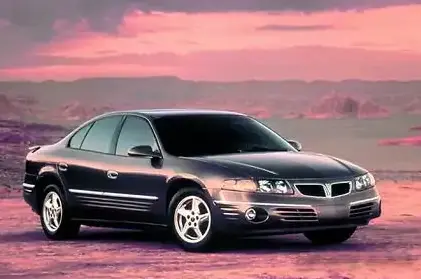
The 1999-2005 Pontiac Bonneville SSEi, equipped with the supercharged 3.8L Series II V6 engine, stood as the performance leader within the Bonneville model range. It represented a substantial upgrade over the naturally aspirated versions, delivering a significant increase in both horsepower and torque. The SSEi trim was targeted towards buyers who wanted a comfortable, roomy sedan with the capability for quick acceleration and confident highway driving. It proved popular with families and individuals seeking a domestic full-size car with a sporty edge. The H-body platform, shared with vehicles like the Buick LeSabre and Cadillac DeVille, prioritized ride quality and interior space.
Powertrain & Engine Architecture
The core of the Bonneville SSEi was the L67 3.8L (231 cubic inch) Series II V6 engine. This engine was a significant advancement over the earlier 3800 V6, incorporating a Roots-type supercharger, an intercooler, and redesigned cylinder heads. The supercharger dramatically increased power output to 243 horsepower and 280 lb-ft of torque. Fuel delivery was managed by a multi-port fuel injection system. The engine featured a 90-degree V-configuration with two valves per cylinder. The 4T65E four-speed automatic transmission was the only transmission option available for the SSEi. This electronically controlled transmission included overdrive for improved fuel efficiency during highway travel. While generally smooth-shifting, the 4T65E could experience issues with age and high mileage, particularly with the 3-4 shift.
Driving Characteristics
The Bonneville SSEi offered a noticeably more engaging driving experience compared to its naturally aspirated counterparts. The supercharger provided immediate torque, resulting in strong acceleration from a standstill and effortless passing power. While not a dedicated sports car, the SSEi felt surprisingly quick for a full-size sedan. The automatic transmission was tuned for comfort, with relatively smooth shifts, but lacked aggressive responsiveness. Gear ratios were optimized for highway cruising, occasionally feeling slightly tall during rapid acceleration. The suspension, while prioritizing comfort, provided adequate handling for everyday driving. The front-wheel-drive configuration contributed to predictable handling, but limited the car’s ultimate cornering capabilities.
Equipment & Trim Levels
The SSEi trim came standard with a comprehensive set of features. Interior appointments typically included leather upholstery, power-adjustable front seats (often with memory function), and a premium sound system. Standard equipment also included automatic climate control, power windows and locks, and a tilt steering wheel. Optional extras included a sunroof, upgraded audio systems, and traction control. The dashboard featured a straightforward layout with easily readable gauges. The interior design emphasized comfort and functionality over outright luxury, providing a pleasant and well-equipped environment.
Chassis & Braking
The Bonneville SSEi utilized an independent front suspension with coil springs and a multi-link rear suspension. This setup delivered a comfortable ride while maintaining reasonable handling. The front brakes were ventilated discs, while the rear brakes were discs, an upgrade from the drum brakes found on some lower trim levels. An Anti-lock Braking System (ABS) was standard, enhancing safety and control during emergency braking. The steering system was a rack-and-pinion setup with hydraulic power assist, providing responsive and precise steering feel. The standard tire size was 235/55R17, offering a good balance of ride comfort and grip.
Market Reception & Comparison
The Bonneville SSEi generally received positive reviews from automotive critics. It was praised for its strong acceleration, comfortable ride, and spacious interior. Some critics noted that the handling wasn’t as sharp as some import competitors. Compared to the base Bonneville models, the SSEi offered a significant performance advantage. Against the naturally aspirated Bonneville, the SSEi was a clear step up. When compared to other full-size sedans of the era, such as the Ford Crown Victoria and Buick LeSabre, the Bonneville SSEi offered a more modern and engaging driving experience. Fuel economy was reasonable for a vehicle of its size and performance, though not exceptional.
Legacy
The Pontiac Bonneville SSEi, particularly the supercharged 3.8L V6 version, has garnered a modest following among enthusiasts. The L67 engine is known for its durability and potential for modification. While the 4T65E transmission can be a potential weak point, it is generally reliable with proper maintenance. Today, well-maintained examples of the Bonneville SSEi can be found on the used car market at relatively affordable prices. They represent a unique combination of American comfort, performance, and value. The SSEi serves as a reminder of Pontiac’s commitment to building capable and enjoyable full-size sedans before the brand’s eventual discontinuation.