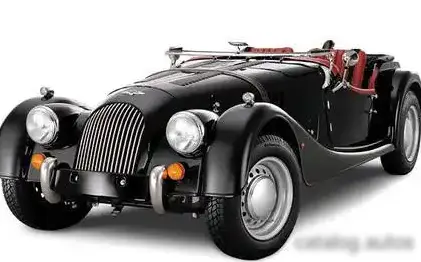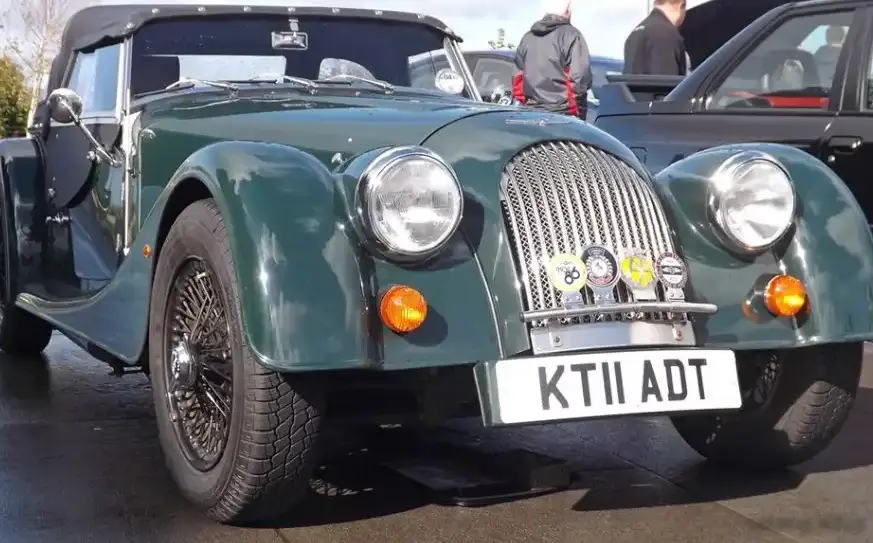
The Morgan 4/4 1.6, produced from 2009 to 2019, represents a continuation of the iconic Morgan 4/4 line, a model renowned for its traditional design and engaging driving experience. This iteration marked a significant shift for the 4/4, as it was the first to utilize a Ford Sigma 1.6-liter engine, replacing the older Ford Zetec units. Positioned as the entry-level model within the Morgan lineup during its production run, the 1.6 offered a more accessible price point while retaining the core characteristics that define a Morgan – lightweight construction, rear-wheel drive, and a classic aesthetic. It served as a stepping stone for enthusiasts looking to experience the Morgan marque without the higher cost of the V6-powered models.
Technical Specifications
| Brand | Morgan |
| Model | 4/4 |
| Generation | 4/4 1.6 |
| Type (Engine) | 1.6 (112 Hp) |
| Start of production | 2009 |
| End of production | 2019 |
| Powertrain Architecture | Internal Combustion engine |
| Body type | Cabriolet |
| Seats | 2 |
| Doors | 2 |
| Fuel consumption (urban) | 8.4 l/100 km (28 US mpg) |
| Fuel consumption (extra urban) | 5.2 l/100 km (45.2 US mpg) |
| Fuel consumption (combined) | 6.4 l/100 km (36.8 US mpg) |
| CO2 emissions | 143 g/km |
| Fuel Type | Petrol (Gasoline) |
| Acceleration 0 – 100 km/h | 8 sec |
| Acceleration 0 – 62 mph | 8 sec |
| Acceleration 0 – 60 mph | 7.6 sec |
| Maximum speed | 185 km/h (114.95 mph) |
| Weight-to-power ratio | 7.1 kg/Hp |
| Weight-to-torque ratio | 6.1 kg/Nm |
| Power | 112 Hp @ 6000 rpm |
| Torque | 131 Nm (96.62 lb.-ft.) |
| Engine displacement | 1595 cm3 (97.33 cu. in.) |
| Engine aspiration | Naturally aspirated |
| Kerb Weight | 795 kg (1752.67 lbs.) |
| Fuel tank capacity | 55 l (14.53 US gal) |
| Length | 4010 mm (157.87 in.) |
| Width | 1720 mm (67.72 in.) |
| Height | 1220 mm (48.03 in.) |
| Drivetrain Architecture | Rear wheel drive |
| Number of gears | 5 |
| Gearbox type | Manual transmission |
Powertrain & Engine Architecture
The heart of the Morgan 4/4 1.6 is the Ford Sigma 1.6-liter inline-four cylinder engine. This engine, designated as the Duratec in some markets, is a naturally aspirated unit known for its reliability and relatively simple design. It features a single overhead camshaft (SOHC) valvetrain with four valves per cylinder. Fuel delivery is managed by multi-point fuel injection, providing a balance between efficiency and performance. The engine produces 112 horsepower at 6000 rpm and 131 Nm (96.62 lb.-ft.) of torque. The engine is mated to a five-speed manual transmission, which sends power to the rear wheels. This configuration is a hallmark of the traditional Morgan driving experience. The Sigma engine, while not a high-performance unit, was chosen for its robustness and ease of maintenance, aligning with Morgan’s philosophy of creating cars that are enjoyable to own and operate.
Driving Characteristics
The 4/4 1.6 offers a distinctly engaging driving experience, prioritizing feel and connection over outright speed. The relatively low weight of the vehicle (795 kg / 1752.67 lbs.) combined with the 112 hp engine results in a power-to-weight ratio that provides brisk acceleration – 0-60 mph in approximately 7.6 seconds. However, the true appeal lies in the way the car handles. The rear-wheel drive layout and relatively soft suspension contribute to a lively and communicative chassis. The five-speed manual transmission is well-matched to the engine’s characteristics, offering a satisfyingly direct shift feel. The gear ratios are tuned to maximize the available torque, providing reasonable acceleration in everyday driving situations. Compared to the more powerful Morgan models, the 4/4 1.6 feels less urgent but more approachable, making it an excellent choice for drivers who appreciate a classic sports car experience. It’s a car that rewards smooth driving and encourages the driver to become intimately familiar with its nuances.
Equipment & Trim Levels
The Morgan 4/4 1.6 was typically offered with a relatively minimalist level of equipment, reflecting the car’s focus on driving purity. Standard features included leather upholstery, wood trim, and a basic instrument panel. The interior was characterized by its classic, somewhat spartan design. Optional extras were plentiful, allowing buyers to personalize their vehicles. These included features like upgraded audio systems, heated seats, and various trim options. The hood, tonneau cover, and side screens were often specified as optional extras, providing varying degrees of weather protection. The 4/4 1.6 didn’t have distinct “trim levels” in the modern sense; rather, it was a base model upon which customers could add options to suit their preferences. This allowed for a high degree of customization, ensuring that each car was tailored to the owner’s individual tastes.
Chassis & Braking
The Morgan 4/4 1.6 utilizes a traditional ladder-frame chassis, a design that dates back to the earliest days of the Morgan Motor Company. This chassis provides a solid and durable foundation for the vehicle. Suspension consists of leaf springs at the rear and independent wishbones at the front. Braking is provided by disc brakes at the front and drum brakes at the rear. While the braking system is adequate for the car’s performance, it lacks the sophistication of more modern systems. The relatively simple suspension setup contributes to the car’s characteristic ride quality – firm but not harsh, and capable of absorbing bumps and imperfections in the road surface. The ladder frame, while heavier than a monocoque construction, provides exceptional rigidity and contributes to the car’s distinctive handling characteristics.
Market Reception & Comparison
The Morgan 4/4 1.6 was generally well-received by automotive critics, who praised its traditional design, engaging driving experience, and relatively affordable price point. It was often lauded as a refreshing alternative to more modern and technologically complex sports cars. Compared to other trims in the 4/4 lineup, the 1.6 offered a more accessible entry point to the Morgan brand. While it lacked the outright performance of the V6-powered models, it provided a more balanced and approachable driving experience. Fuel economy was respectable for a vehicle of its type, averaging around 36.8 US mpg on a combined cycle. Reliability was generally good, thanks to the proven durability of the Ford Sigma engine. Some critics noted the somewhat dated interior and the lack of modern safety features, but these were generally considered acceptable trade-offs for the car’s unique character and driving experience.
Legacy
The Morgan 4/4 1.6 represents an important chapter in the history of the Morgan Motor Company. It was the first 4/4 to utilize the Ford Sigma engine, marking a significant update to the model line. The 1.6-liter engine proved to be a reliable and durable powerplant, and examples continue to be enjoyed by enthusiasts today. On the used car market, the 4/4 1.6 is considered a relatively affordable and accessible entry point to Morgan ownership. Its classic design, engaging driving experience, and relatively simple mechanicals make it a popular choice for those seeking a unique and rewarding sports car experience. The continued demand for these vehicles is a testament to the enduring appeal of the Morgan marque and the timeless qualities of the 4/4 model. The 4/4 1.6 solidified Morgan’s position as a manufacturer of niche, hand-built sports cars that prioritize driving pleasure over all else.