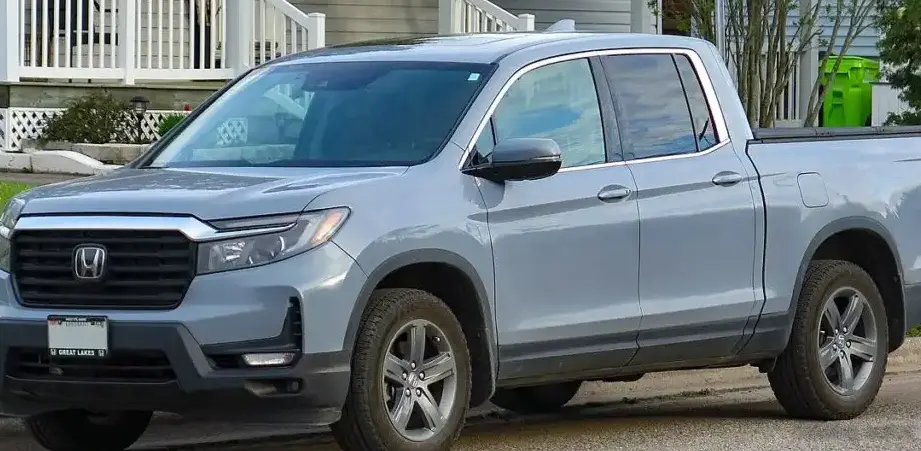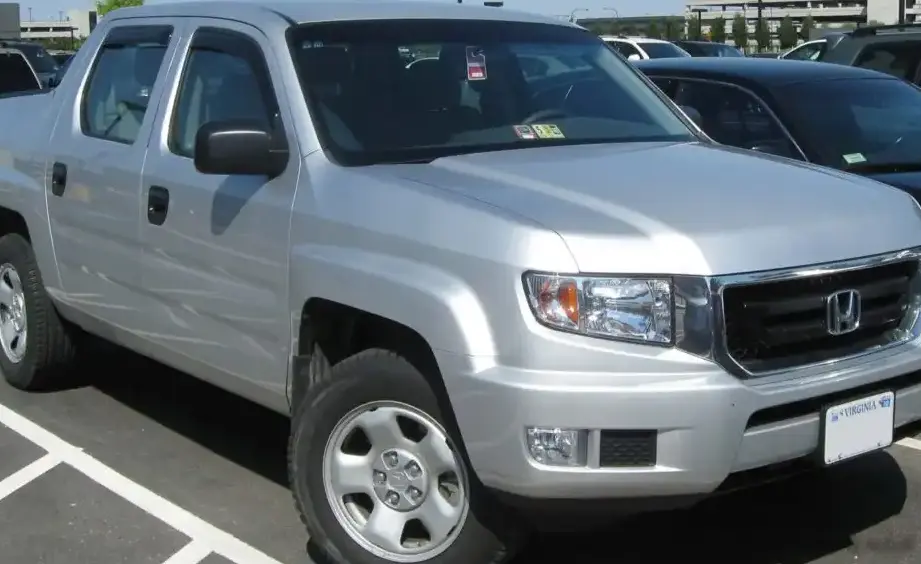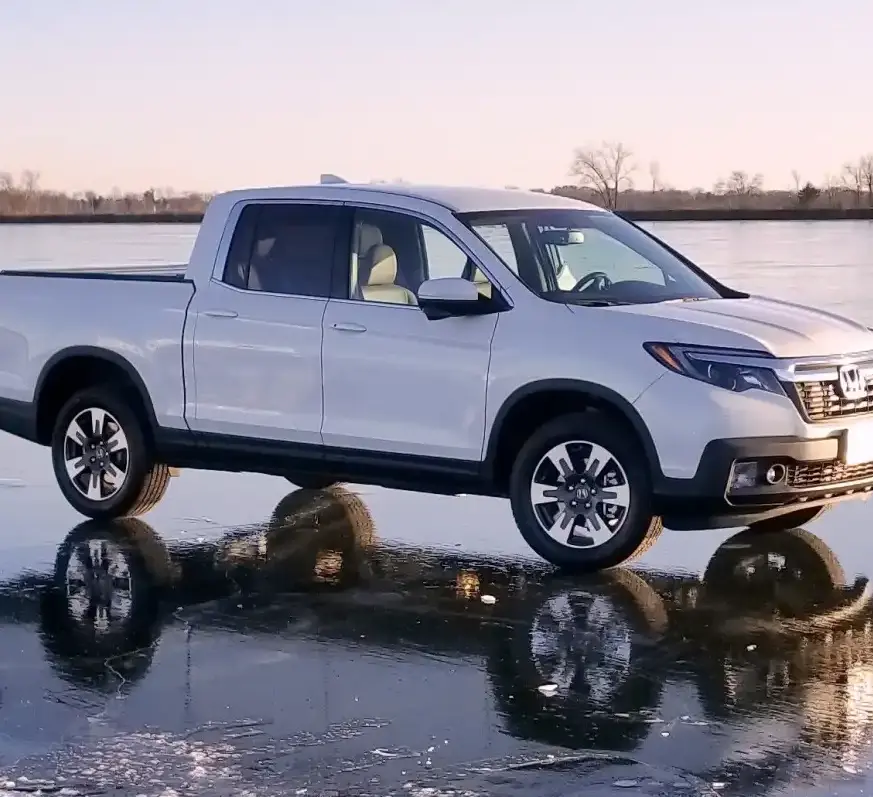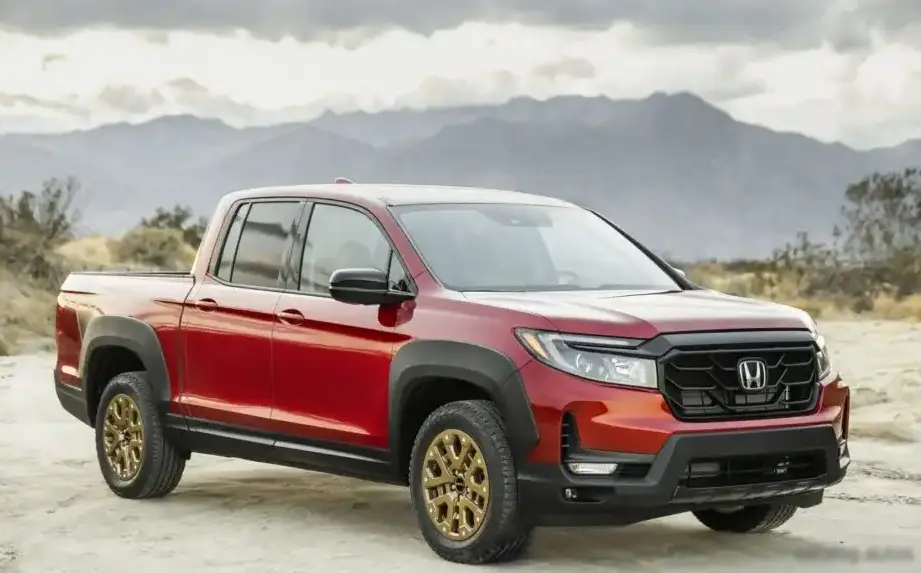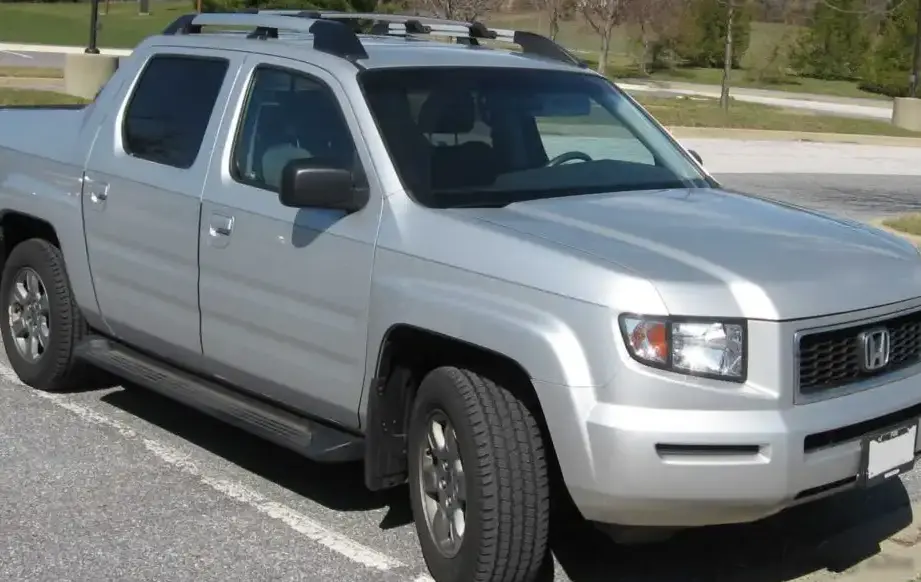
The Honda Ridgeline, introduced for the 2006 model year (though technically debuting as a 2006.5 model), represented Honda’s first foray into the mid-size pickup truck market. Unlike traditional body-on-frame trucks, the first-generation Ridgeline (2006-2014), internally designated as the Ridgeline I, utilized a unibody construction, a significant departure for the segment. The 3.5 i V6 24V (247 Hp) variant, powered by the J35A9 engine and paired with a 5-speed automatic transmission, was the sole powertrain offering throughout the Ridgeline I’s production run. This configuration positioned the Ridgeline as a more comfortable and refined alternative to established truck competitors, targeting buyers who prioritized on-road manners and versatility over heavy-duty hauling and off-road capability.
Technical Specifications
| Brand | Honda |
| Model | Ridgeline |
| Generation | Ridgeline I |
| Type (Engine) | 3.5 i V6 24V (247 Hp) |
| Start of production | 2005 year |
| End of production | 2009 year |
| Powertrain Architecture | Internal Combustion engine |
| Body type | Pick-up |
| Seats | 5 |
| Doors | 4 |
| Fuel consumption (economy) – urban | 20 l/100 km (11.8 US mpg, 14.1 UK mpg, 5 km/l) |
| Fuel consumption (economy) – extra urban | 15 l/100 km (15.7 US mpg, 18.8 UK mpg, 6.7 km/l) |
| Fuel consumption (economy) – combined | 17 l/100 km (13.8 US mpg, 16.6 UK mpg, 5.9 km/l) |
| Fuel Type | Petrol (Gasoline) |
| Emission standard | Euro 4 |
| Weight-to-power ratio | 8.3 kg/Hp, 121 Hp/tonne |
| Weight-to-torque ratio | 6 kg/Nm, 166.1 Nm/tonne |
| Power | 247 Hp @ 6300 rpm |
| Power per litre | 71.2 Hp/l |
| Torque | 339 Nm @ 4500 rpm (250.03 lb.-ft. @ 4500 rpm) |
| Engine layout | Front, Transverse |
| Engine Model/Code | J35A9 |
| Engine displacement | 3471 cm3 (211.81 cu. in.) |
| Number of cylinders | 6 |
| Engine configuration | V-engine |
| Cylinder Bore | 89 mm (3.5 in.) |
| Piston Stroke | 93 mm (3.66 in.) |
| Compression ratio | 10:1 |
| Number of valves per cylinder | 4 |
| Fuel injection system | Multi-port manifold injection |
| Engine aspiration | Naturally aspirated engine |
| Valvetrain | DOHC |
| Engine oil capacity | 4.3 l (4.54 US qt | 3.78 UK qt) |
| Coolant | 6.2 l (6.55 US qt | 5.46 UK qt) |
| Kerb Weight | 2041 kg (4499.63 lbs.) |
| Fuel tank capacity | 100 l (26.42 US gal | 22 UK gal) |
| Length | 5253 mm (206.81 in.) |
| Width | 1976 mm (77.8 in.) |
| Height | 1786 mm (70.31 in.) |
| Wheelbase | 3100 mm (122.05 in.) |
| Front track | 1704 mm (67.09 in.) |
| Rear (Back) track | 1700 mm (66.93 in.) |
| Drive wheel | All wheel drive (4×4) |
| Number of gears and type of gearbox | 5 gears, automatic transmission |
| Front brakes | Ventilated discs |
| Rear brakes | Disc |
| Assisting systems | ABS (Anti-lock braking system) |
| Tires size | 245/65 R17 |
Powertrain & Engine Architecture
The heart of the Ridgeline I is the J35A9 engine, a 3.5-liter, 24-valve SOHC V6. This engine is part of Honda’s J-series family, known for its reliability and smooth operation. The J35A9 features a cast aluminum block and cylinder heads, contributing to a relatively lightweight design. Fuel delivery is handled by a multi-point fuel injection system, and the engine utilizes a single overhead camshaft (SOHC) design for each cylinder bank. The 5-speed automatic transmission, a crucial component of this variant, was designed to provide smooth shifts and optimize fuel efficiency. It’s a conventional torque converter automatic, prioritizing comfort and ease of use over outright performance. The transmission features a wide gear ratio spread, with relatively short lower gears for initial acceleration and taller upper gears for highway cruising.
Driving Characteristics
The 247 horsepower and 250 lb-ft of torque produced by the J35A9 engine, when paired with the 5-speed automatic, provided adequate, though not exhilarating, performance. Acceleration from 0 to 60 mph typically took around 7.5 to 8 seconds. Compared to manual transmission versions (which didn’t exist, as the Ridgeline was automatic only), the automatic offered a more relaxed driving experience, but at the expense of some responsiveness. The automatic transmission’s shift points were tuned for fuel economy and smooth operation, sometimes resulting in the engine feeling slightly strained during aggressive acceleration. The Ridgeline’s unibody construction and independent front and rear suspension contributed to a comfortable ride quality, significantly better than traditional body-on-frame trucks. However, its towing capacity (up to 5,000 lbs) was lower than many competitors.
Equipment & Trim Levels
The Ridgeline I was offered in several trim levels: HL, RTX, and RTL. The base HL trim included features like air conditioning, power windows and locks, a CD player, and basic cloth upholstery. The RTX trim added alloy wheels, a step rear bumper, and an upgraded audio system. The top-of-the-line RTL trim featured leather upholstery, heated front seats, a sunroof, and a premium audio system. All trims included Honda’s Variable Torque Management (VTM-4) all-wheel-drive system as standard equipment. Optional extras included a navigation system, rear-seat DVD entertainment system, and a towing package.
Chassis & Braking
The Ridgeline’s unibody construction provided a stiffer and more refined chassis compared to traditional trucks. The front suspension utilized MacPherson struts, while the rear featured a multi-link independent suspension. This setup contributed to excellent ride quality and handling. Braking duties were handled by ventilated discs at all four corners, along with an Anti-lock Braking System (ABS) as standard. The braking system provided adequate stopping power for the Ridgeline’s weight class. The relatively low curb weight, compared to full-size trucks, aided in braking performance.
Market Reception & Comparison
The Ridgeline was initially met with mixed reactions. Some truck enthusiasts criticized its unibody construction and lack of a traditional truck bed, arguing that it wasn’t a “real” truck. However, others praised its comfortable ride, refined interior, and versatile functionality. Fuel economy was a strong point, averaging around 16 mpg combined, which was better than many V6-powered body-on-frame trucks of the era. Compared to the Toyota Tacoma or Nissan Frontier, the Ridgeline offered a more car-like driving experience but lacked the off-road prowess and ruggedness of those competitors. The Ridgeline appealed to buyers who wanted the utility of a pickup truck without the compromises of a traditional truck.
Legacy
The first-generation Honda Ridgeline established a new niche in the pickup truck market – a mid-size truck focused on comfort, refinement, and on-road usability. The J35A9 engine and 5-speed automatic transmission proved to be reliable powertrains, with many Ridgelines exceeding 200,000 miles with proper maintenance. On the used car market, the Ridgeline I remains a popular choice for buyers seeking a versatile and dependable vehicle. While not a traditional workhorse, its unique blend of truck and SUV characteristics continues to appeal to a wide range of drivers. The success of the first-generation Ridgeline paved the way for the second-generation model, which further refined the concept of a unibody pickup truck.