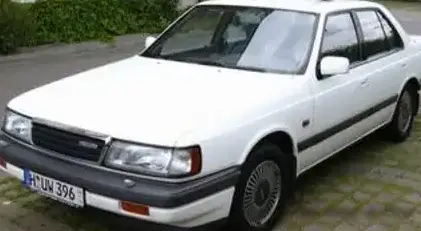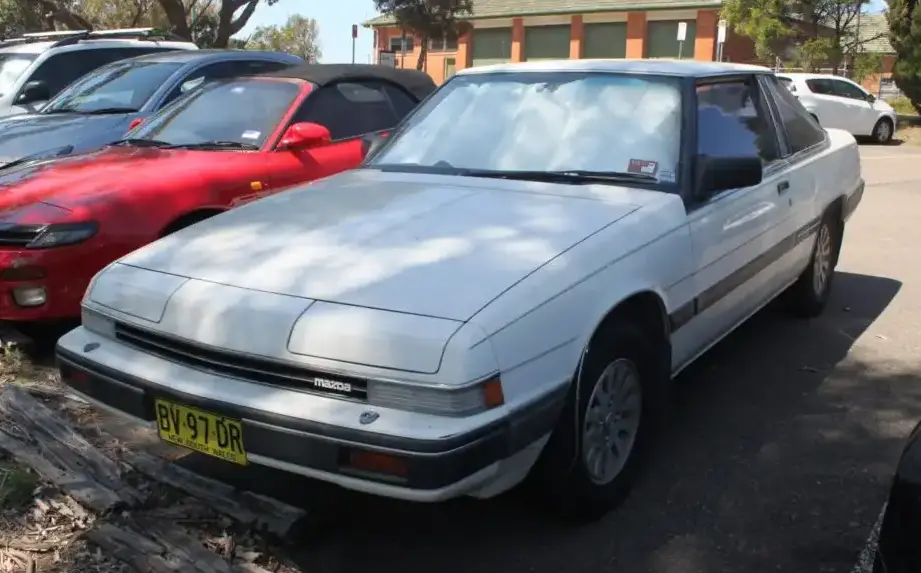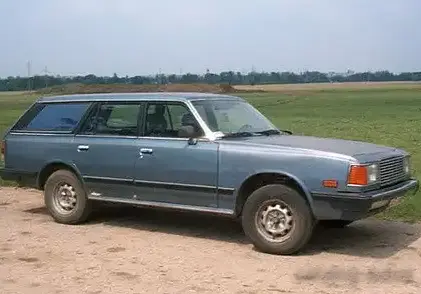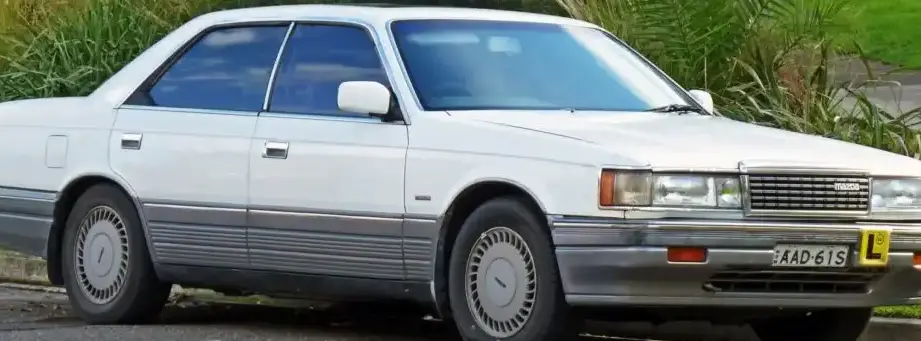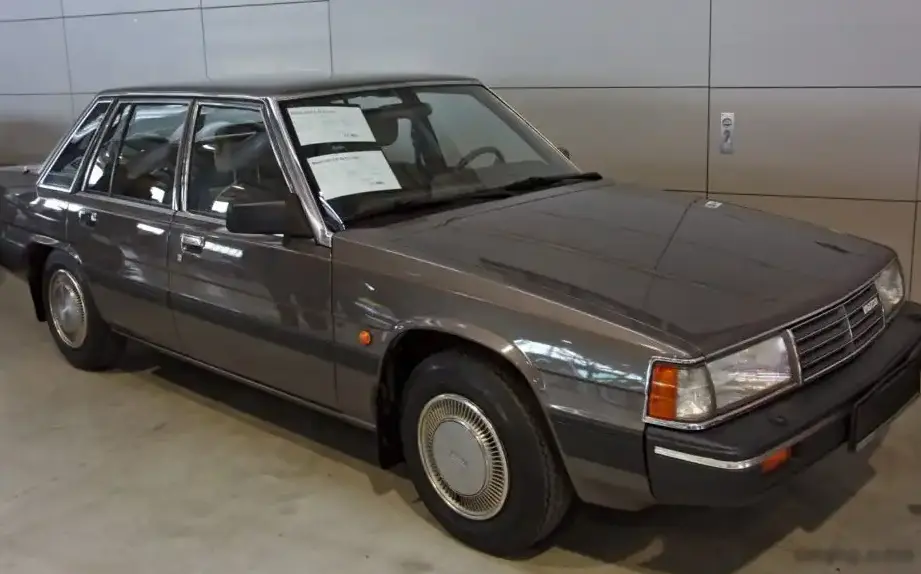
The Mazda 929 II (HB) 2.0 i GLX, produced between 1984 and 1987, represented a significant step forward for Mazda in the luxury sedan segment. Positioned as a competitor to established Japanese and European models, the HB series 929 aimed to offer a blend of comfort, refinement, and reliability. The 2.0 i GLX trim, with its 120 horsepower engine, occupied a middle ground within the 929 lineup, offering a balance between performance and fuel economy. It was a key model for Mazda as they sought to elevate their brand image and expand their presence in the North American and European markets, though sales were more substantial in Japan and Australia.
Technical Specifications
| Brand | Mazda |
| Model | 929 |
| Generation | 929 II (HB) |
| Type (Engine) | 2.0 i GLX (120 Hp) |
| Start of production | 1984 |
| End of production | 1987 |
| Powertrain Architecture | Internal Combustion engine |
| Body type | Sedan |
| Fuel Type | Petrol (Gasoline) |
| Power | 120 Hp |
| Engine aspiration | Naturally aspirated engine |
Powertrain & Engine Architecture
The 2.0 i GLX variant of the Mazda 929 II was powered by the FE engine family, specifically the FE-D variant. This 1,998 cc (121.8 cubic inch) inline-four cylinder engine featured a cast iron block and an aluminum cylinder head. It utilized a single overhead camshaft (SOHC) design with two valves per cylinder. Fuel delivery was managed by a Bosch mechanical fuel injection system, a relatively sophisticated setup for the time, contributing to improved fuel efficiency and reduced emissions compared to carbureted engines. The engine produced 120 horsepower at 5,600 rpm and 118 lb-ft of torque at 3,000 rpm. The engine was known for its smooth operation and relatively quiet nature. The transmission paired with the 2.0 i GLX was a four-speed automatic, offering convenient operation for the target demographic. This automatic transmission, while providing ease of use, did impact acceleration times compared to the available five-speed manual transmission.
Driving Characteristics
The 929 2.0 i GLX, with its automatic transmission, offered a comfortable and refined driving experience. Acceleration was adequate for everyday driving, with a 0-60 mph time estimated around 11-12 seconds. However, it wasn’t a particularly sporty vehicle. The automatic transmission, while smooth, lacked the responsiveness of a manual gearbox, and the gear ratios were geared more towards fuel economy than outright performance. The engine felt somewhat strained when pushed hard, particularly when overtaking at highway speeds. Compared to the later, more powerful 3.0-liter V6 versions of the 929, the 2.0 i GLX felt noticeably less potent. The steering was light and precise, making it easy to maneuver in urban environments. The suspension, tuned for comfort, absorbed bumps and imperfections in the road well, providing a smooth ride for passengers.
Equipment & Trim Levels
The GLX trim level represented a well-equipped version of the 929. Standard features included power steering, power windows, central locking, and an AM/FM stereo. The interior was typically finished in cloth upholstery, with comfortable and supportive seats. The dashboard layout was functional and straightforward, with easy-to-read gauges. Optional extras available on the 2.0 i GLX included air conditioning, a sunroof, and upgraded stereo systems. The GLX trim also featured exterior enhancements such as chrome trim and alloy wheels, distinguishing it from the more basic models in the 929 range. The overall interior ambiance aimed for a premium feel, reflecting Mazda’s ambition to compete with luxury brands.
Chassis & Braking
The Mazda 929 II (HB) utilized a front-engine, rear-wheel-drive layout. The chassis was a traditional body-on-frame construction, providing a robust and durable platform. The front suspension consisted of independent double wishbones, while the rear suspension employed a solid axle with leaf springs. Braking was accomplished via disc brakes on the front wheels and drum brakes on the rear wheels. Power-assisted steering was standard. The braking system, while adequate for normal driving conditions, lacked the stopping power of more modern braking systems. Stabilizer bars were fitted to both the front and rear axles to reduce body roll during cornering. The suspension setup prioritized ride comfort over sporty handling, resulting in a relatively soft and compliant ride.
Market Reception & Comparison
The Mazda 929 II (HB) 2.0 i GLX received generally positive reviews from automotive critics. It was praised for its comfortable ride, refined interior, and reliable engine. However, some critics noted that the 2.0-liter engine lacked the power to fully exploit the car’s chassis potential. Compared to other sedans in its class, such as the Toyota Crown and Nissan Cedric, the 929 offered a more modern and stylish design. Fuel economy was respectable for the time, averaging around 22-26 mpg in mixed driving conditions. The 2.0 i GLX trim offered a good value proposition, providing a generous level of equipment at a competitive price point. Compared to the higher-spec 3.0-liter V6 models, the 2.0 i GLX was more affordable but offered less performance. Maintenance costs were generally reasonable, and the engine proved to be durable and long-lasting.
Legacy
The Mazda 929 II (HB) 2.0 i GLX, while not a massive sales success, played an important role in establishing Mazda as a credible competitor in the luxury sedan market. The FE engine family, in particular, proved to be remarkably reliable, with many examples still running today. In the used car market, the 929 2.0 i GLX is appreciated by enthusiasts for its classic styling, comfortable ride, and relatively simple mechanicals. Parts availability can be a challenge, but many components are still obtainable. The car represents a unique blend of Japanese engineering and design, offering a distinctive alternative to more common European and American luxury sedans. Its enduring appeal lies in its understated elegance, comfortable driving experience, and reputation for reliability, making it a sought-after classic for collectors and enthusiasts alike.